What a Heavy-Duty Belt Conveyor Idler Is
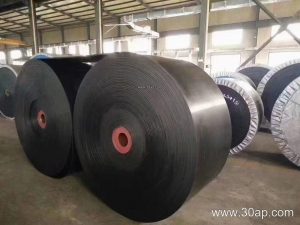
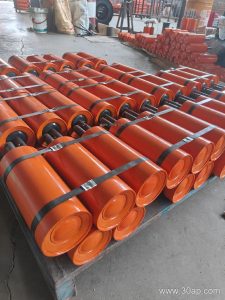
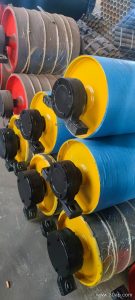
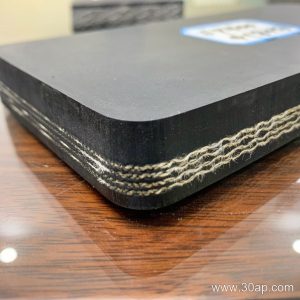
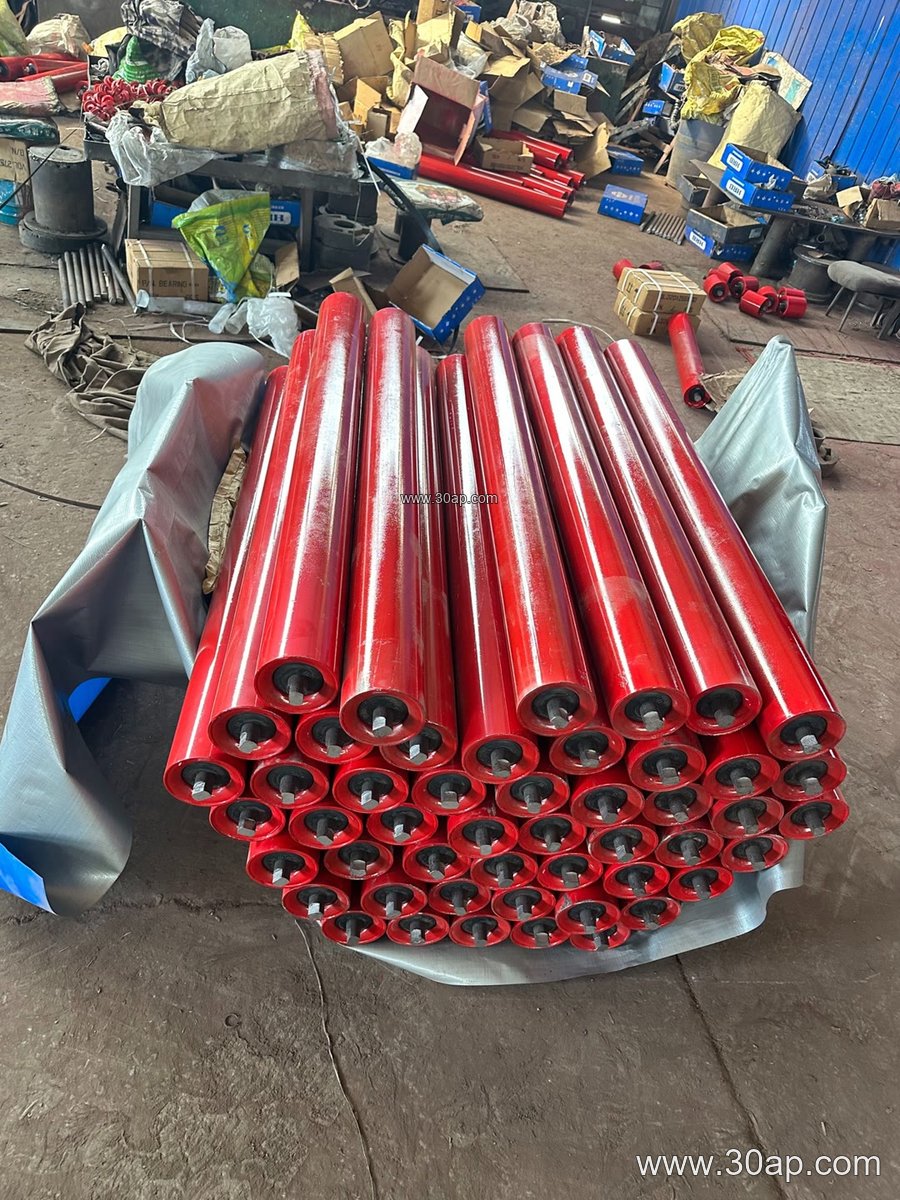
A heavy-duty belt conveyor idler is the rotating support that carries and shapes the conveyor belt along its route. In tough service, the idler must handle high belt tension, abrasive loads, and continuous operation without frequent attention. This heavy-duty idler roller is built with thicker shells, robust bearings, and sealed end caps to resist dust and moisture. It is not a drive pulley, tail pulley, or bend pulley; those components transmit or redirect power, while the idler simply supports the belt and material. For reliable performance, pair quality idlers with a suitable conveyor belt and correctly aligned conveyor pulley.
Construction and Key Components
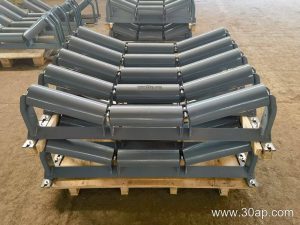
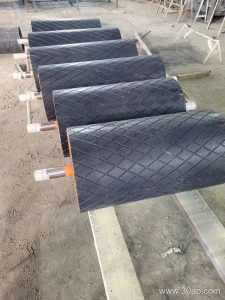
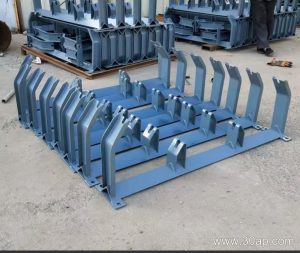
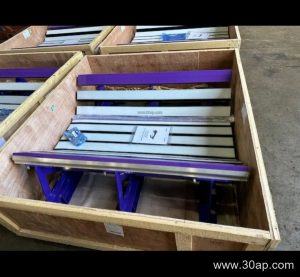
The typical heavy-duty belt conveyor idler uses a steel tube shell, precision bearing housings, and a multi-stage seal. Roller surfaces may be plain steel, nylon, ceramic, or rubber rings for impact absorption. Bearing sizes such as 6205, 6306, or 6308 are common depending on load and speed, but no single bearing is tied to one roller diameter. The shaft, end disc, and seal arrangement are designed to keep grit out and grease in. A sturdy conveyor bracket holds the idler in place and maintains the trough angle.
Where Heavy-Duty Idlers Are Used
These idlers appear in limestone quarries, iron ore plants, coal preparation facilities, and power station coal handling. In a quarry, a heavy-duty belt conveyor idler supports crushed rock on a wide conveyor belt; in a cement plant, it carries clinker or raw meal under dusty conditions. The same idler type suits sand and gravel lines, port loading systems, and steel mill sinter transport. Because the load is abrasive and often wet, the idler seal and shell thickness matter as much as the roller diameter.
Common Configurations and Dimensions
Troughing idlers are usually arranged as two-roll or three-roll sets, with trough angles of 20, 30, 35, or 45 degrees. Return idlers may be flat or V-shaped. Roller diameters from Ø63 to Ø219 mm are available, and belt widths from B400 to B2400 mm are common. The table below gives typical examples; actual roller length depends on belt width, trough angle, and idler arrangement.
| Belt Width | Typical Roller Length (three-roll trough) | Common Roller Diameter |
|---|---|---|
| B500 | 200 mm | Ø63–Ø89 mm |
| B650 | 250 mm | Ø76–Ø108 mm |
| B800 | 315 mm | Ø89–Ø133 mm |
| B1000 | 380 mm | Ø102–Ø159 mm |
| B1200 | 465 mm | Ø108–Ø178 mm |
| B1400 | 530 mm | Ø127–Ø194 mm |
| B1600 | 600 mm | Ø133–Ø219 mm |
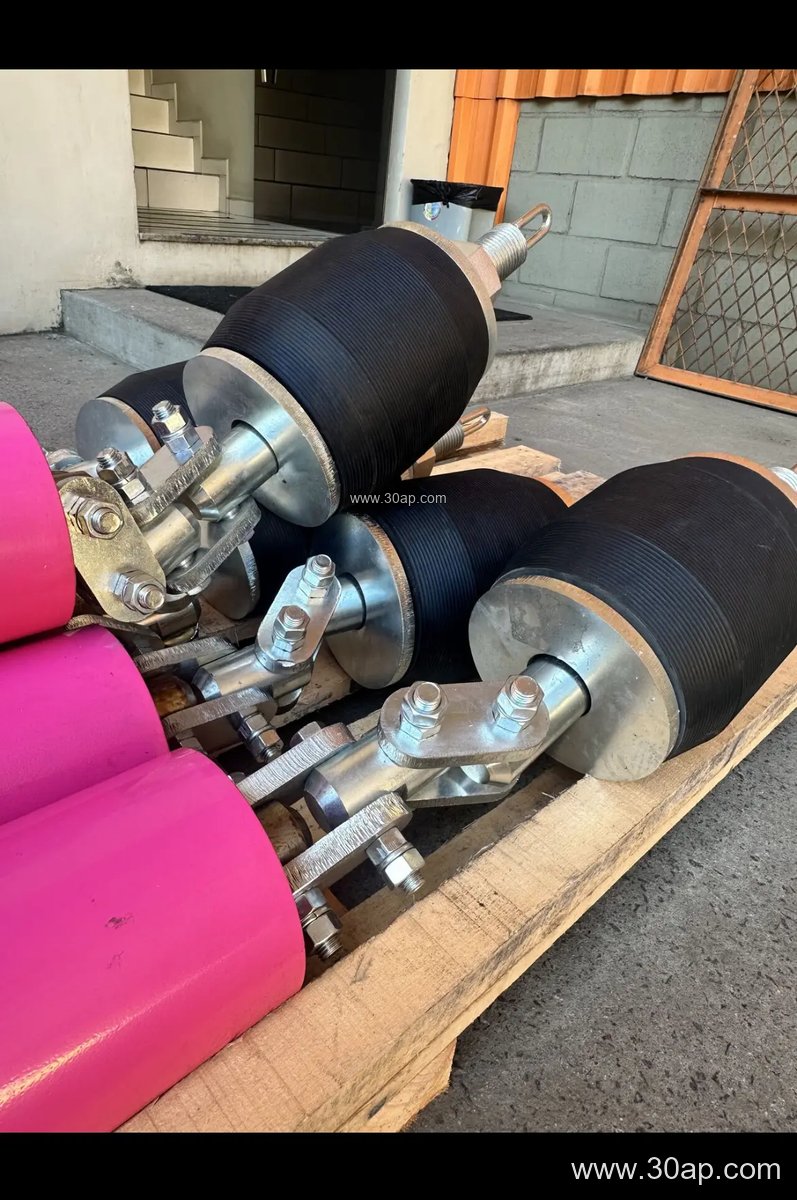
Side rollers and center rollers can differ in length. Do not assume one belt width matches only one pulley diameter or shaft size. For high-impact zones, rubber-ring impact idlers are often used; for training the belt, self-aligning idlers with a slight forward tilt of about 1.5 to 2 degrees may be selected.
Selection and Maintenance Notes
Buyers should match the idler to the actual load, belt speed, and environment. In a coal mine, a flame retardant conveyor belt may be required, and the idler seals should resist coal dust. In a foundry or cement plant, heat resistant conveyor belt grades may be needed near hot material. Check that the roller diameter and bearing size suit the calculated load, and confirm the bracket dimensions fit the conveyor frame. Regular inspection of idler rotation, seal condition, and alignment prevents belt damage and extends service life. Keep spare idlers on hand for critical circuits, and replace any idler that stops turning or shows a worn shell.