What a Belt Conveyor Bracket Does on the Line
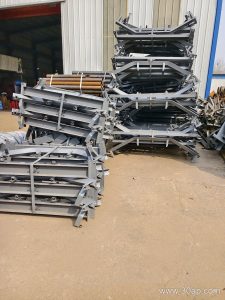
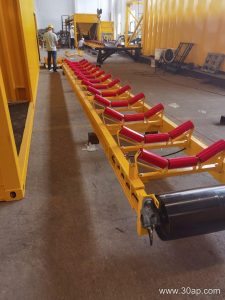
A belt conveyor bracket is the structural interface between the idler roller and the conveyor frame. It holds each roller at the correct height, angle, and spacing so the conveyor belt keeps its trough shape and tracks smoothly under load. In a quarry, a coal washing plant, or a cement clinker line, the bracket is a small part with a large effect on belt life and on how often maintenance crews have to walk the line.
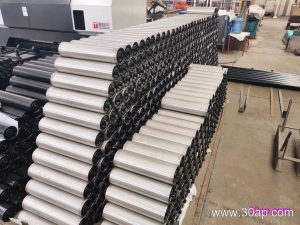
In practice, the same item is often called a conveyor idler bracket or a roller support bracket. These names describe the same component. A belt conveyor bracket is not a pulley and it is not a roller; it is the mounting structure that carries the roller assembly.
How the Bracket Is Built
Most brackets are fabricated from angle steel, channel steel, or folded steel plate. The choice depends on load, belt width, and the environment. A heavy iron ore or sinter line usually calls for thicker channel sections, while a lighter sand and gravel line may use folded plate brackets.
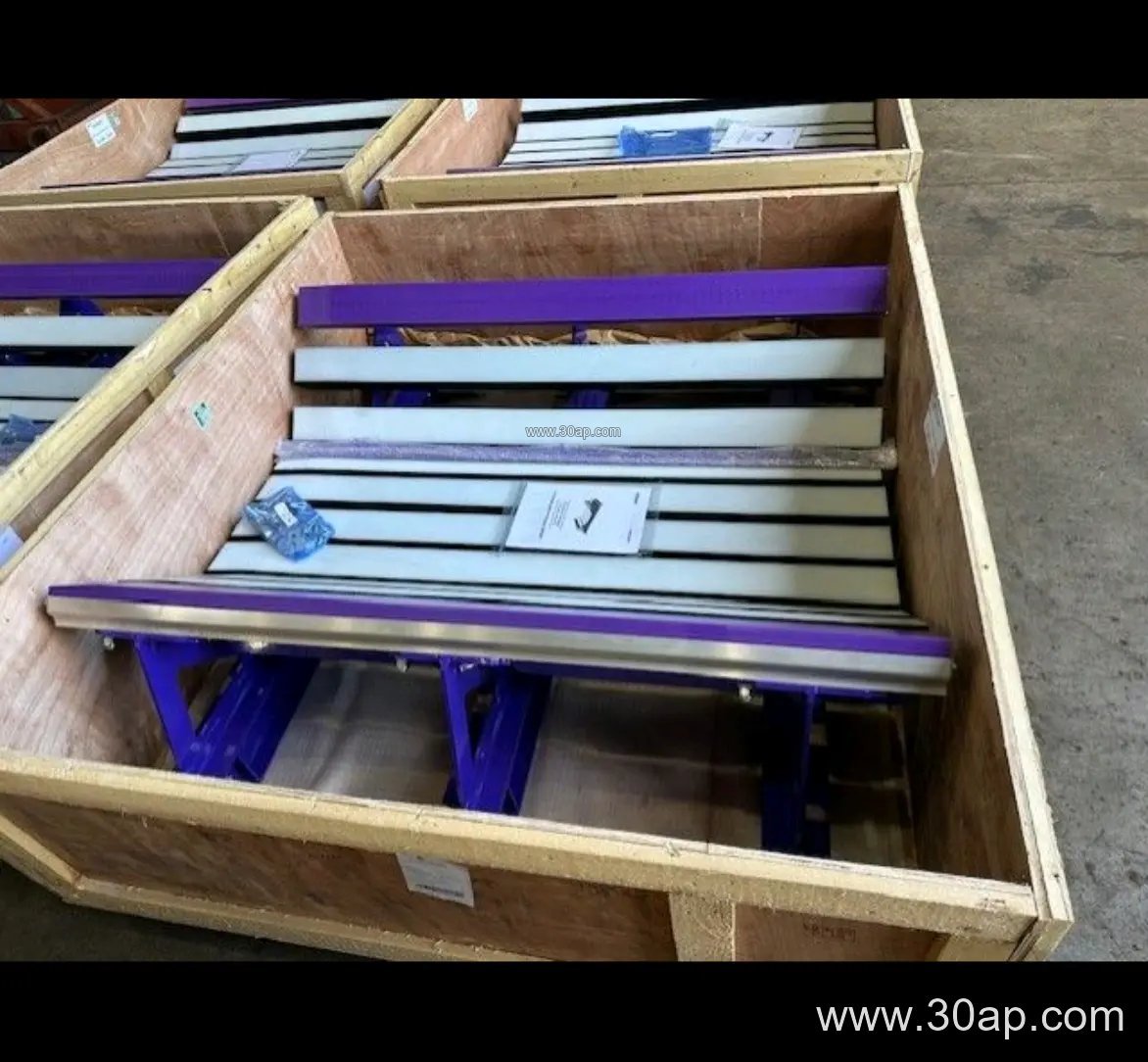
Typical features include:
- Slotted or drilled mounting holes that allow roller position adjustment
- A trough angle formed by the bracket geometry, commonly 20, 30, 35, or 45 degrees
- Reinforcing ribs or gussets where the roller shaft sits
- Hot-dip galvanized or painted finish for damp or dusty service
Mounting hole spacing and crossbeam length change with belt width and trough angle, so they are set by design rather than by a single fixed number.
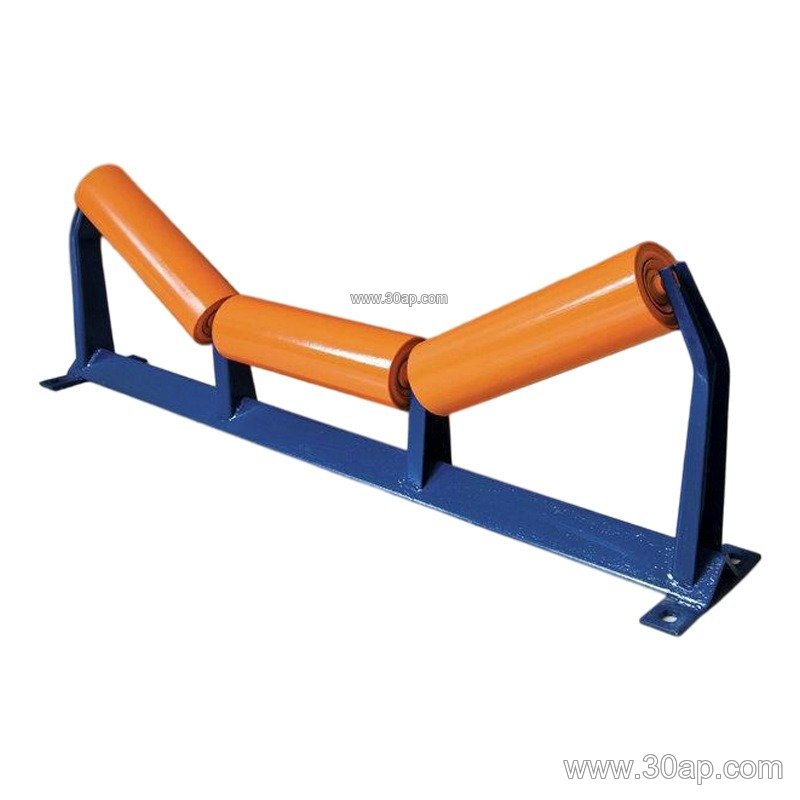
Common Bracket Types and Where They Sit
Carrying Side Brackets
Troughing brackets support the loaded run of the conveyor belt. The upper trough bracket is the most common form on a standard three-roller set. Transition brackets are used near the head and tail to ease the belt from flat to troughed profile.
Return Side Brackets
Return brackets support the empty run. A flat return bracket carries a single roller, while a V-return bracket holds two rollers in a V shape to help center the belt. Impact brackets with cushion rollers are placed under loading points in a crushing or screening section.
Special Purpose Brackets
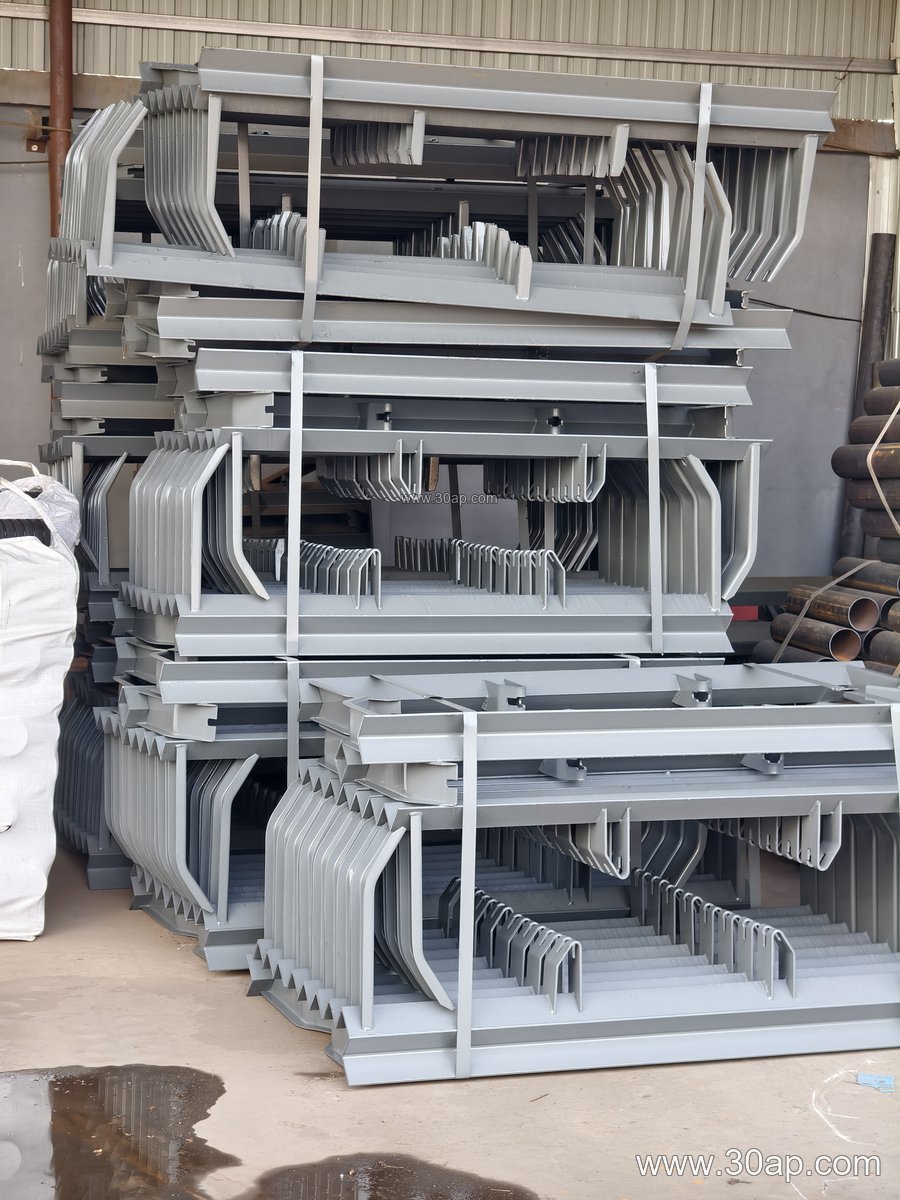
Self-aligning brackets, forward-leaning brackets (commonly about 1.5 to 2 degrees), spiral roller brackets, suspended brackets, and adjustable brackets each solve a specific tracking or space problem. An adjustable bracket lets crews change the trough angle on site without replacing the frame section.
Reference Dimensions for Early Planning
The values below are common reference points, not a supply promise. Final selection follows the conveyor design.
| Belt width | Trough angle | Roller diameter | Typical bracket role |
|---|---|---|---|
| B500 | 20 degrees | Ø89 | Light sand or grain line |
| B650 | 30 degrees | Ø89 | Small transfer conveyor |
| B800 | 35 degrees | Ø108 | General aggregate duty |
| B1000 | 35 degrees | Ø133 | Coal handling, cement plant |
| B1200 | 45 degrees | Ø133 | High capacity troughing |
| B1400 | 35 degrees | Ø159 | Iron ore, heavy bulk |
| B1600 | 45 degrees | Ø159 | Large port or mine conveyor |
| B1800 to B2200 | 35 to 45 degrees | Ø194 | Very wide high tonnage lines |
These combinations are examples only. A given belt width can be matched with more than one trough angle or roller diameter depending on load and belt stiffness.
What to Check Before Buying
- Belt width and trough angle so the bracket aligns with the existing frame.
- Roller diameter and shaft end shape to confirm the bracket slot fits the idler roller.
- Material and finish for wet washing plants, dusty crushing circuits, or coastal humidity.
- Adjustability if the line may need tracking correction or a change of trough angle later.
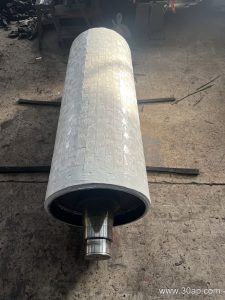
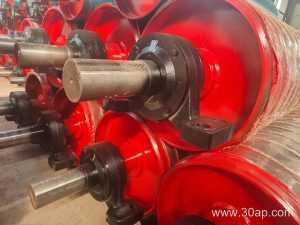
- Interchange with pulleys — remember the drive pulley, tail pulley, and bend pulley are separate components with their own supports and are not replaced by brackets.
A well matched belt conveyor bracket keeps the conveyor belt seated, reduces roller wear, and makes routine replacement of an idler roller a quick job rather than a frame modification.