What an Upper Self-Aligning Idler Does
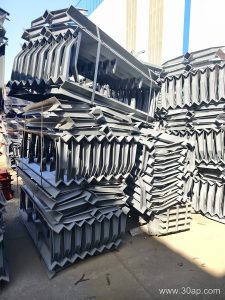
An upper self-aligning idler is a carrying-side idler that automatically corrects belt misalignment. On a conveyor belt, material load and belt tension constantly push the belt sideways. A standard upper troughing idler simply supports the belt, but a self-aligning upper idler adds a steering action. When the belt drifts, the idler pivots slightly and guides the belt back to the center line. This reduces edge damage, spillage, and uneven wear on the conveyor belt.
The same product is also called a self-aligning carrying idler or an upper training idler. These names describe the same function: an idler roller on the carrying side that keeps the belt centered. It is not a drive pulley, tail pulley, or bend pulley. Those are different components with different jobs.
How It Is Built
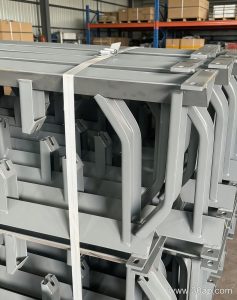
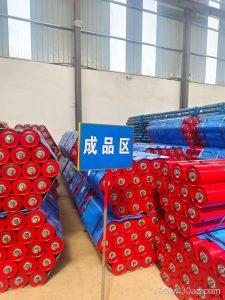
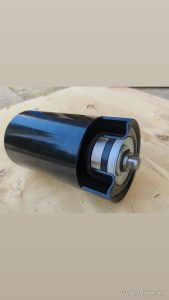
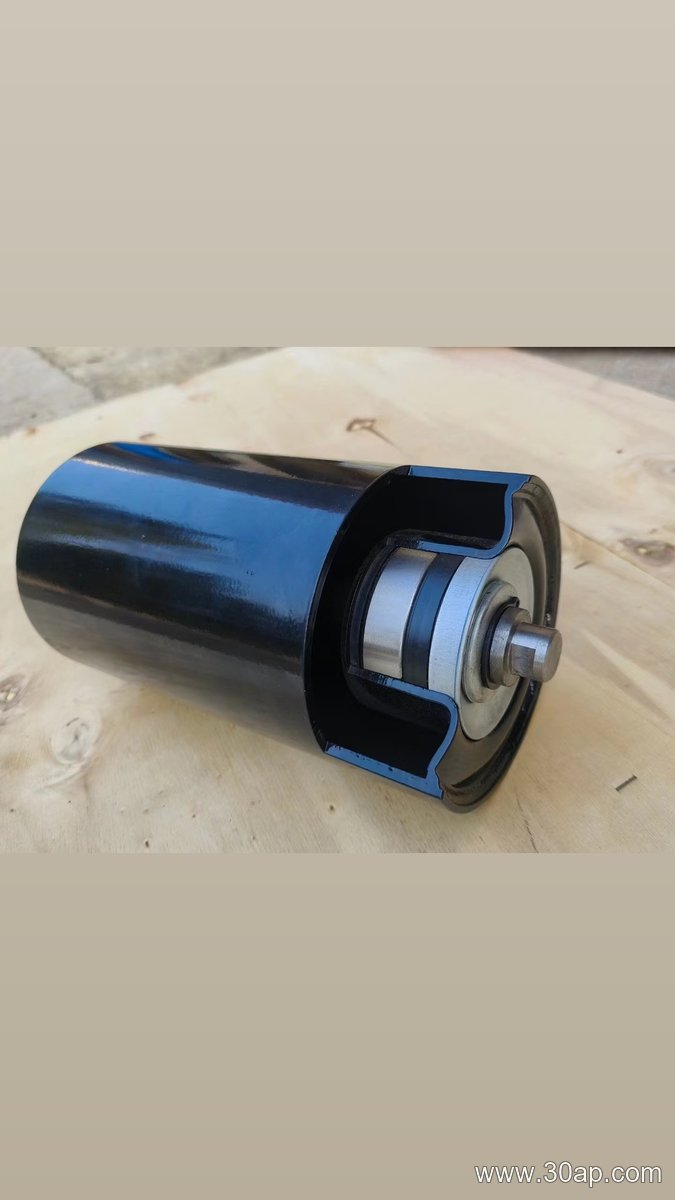
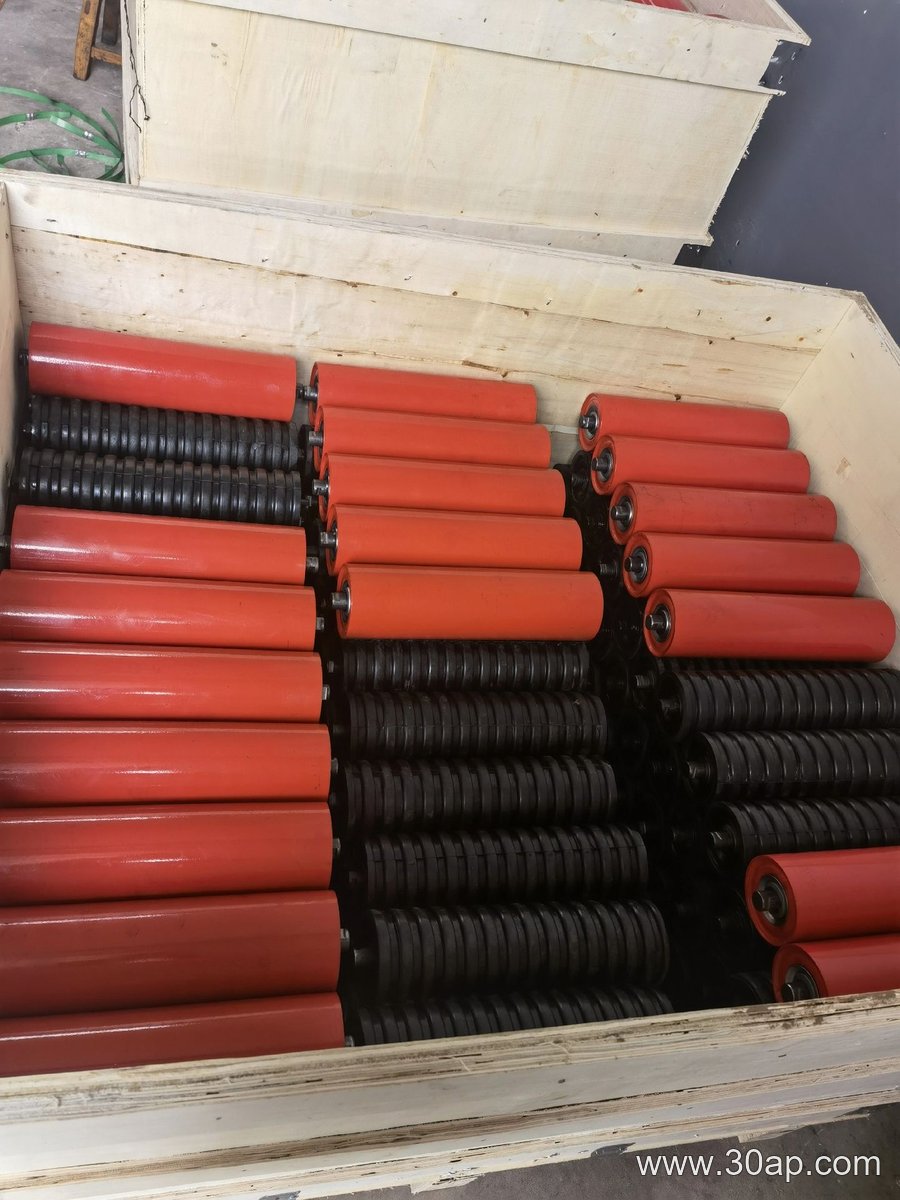
A typical upper self-aligning idler uses a troughing roll set mounted on a pivoting frame. The frame turns around a vertical axis. Friction between the belt and the rolls, or a small guide roller, triggers the pivot. Common roll diameters for this type include Ø89, Ø108, Ø127, Ø133, and Ø159. The roll surface may be steel tube, nylon, or rubber. Bearing sizes such as 6204, 6205, 6305, 6306, and 6308 are common, but the bearing is selected by load and speed, not by roll diameter alone.
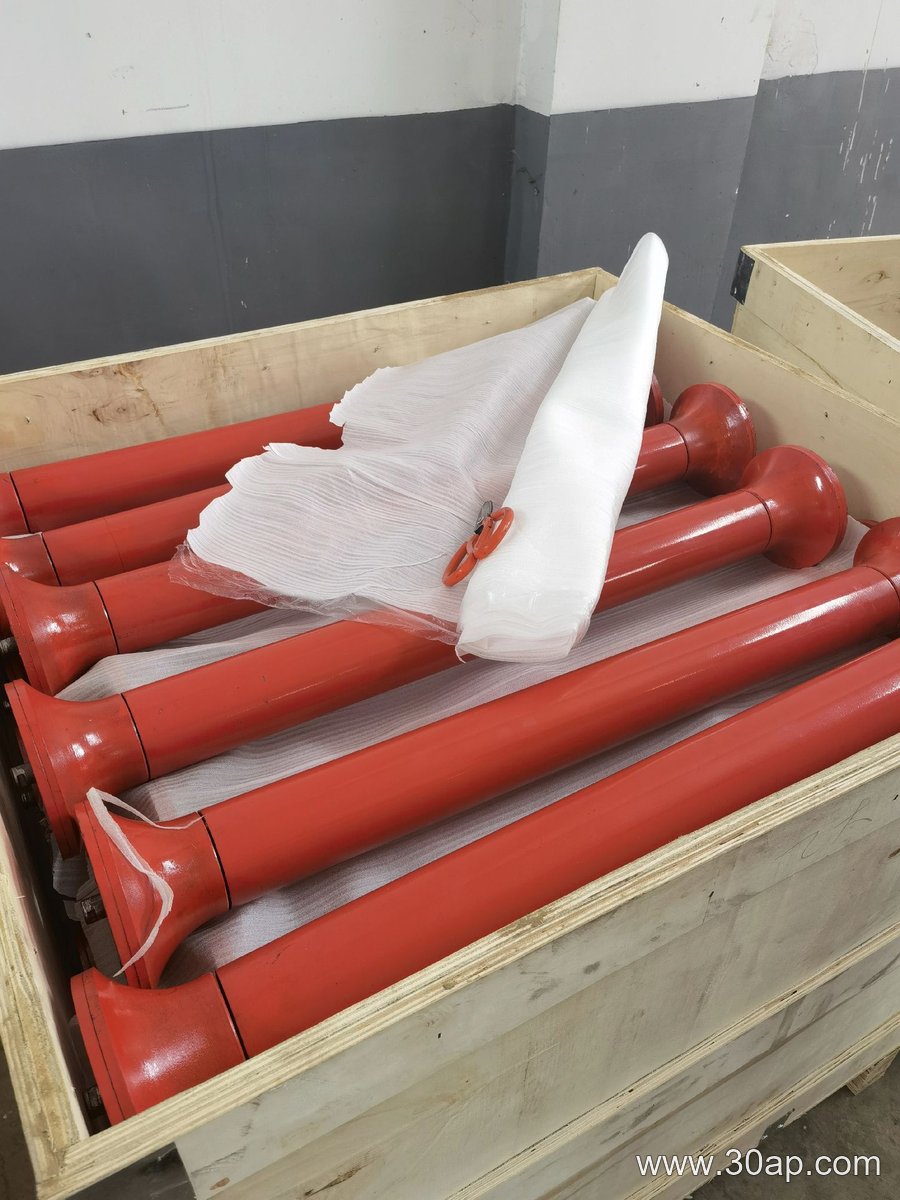
The trough angle is usually 20, 30, 35, or 45 degrees. A forward tilt of about 1.5 to 2 degrees is sometimes used on the side rolls to help centering. The idler length changes with belt width and trough form. For a three-roll troughing set, common roll lengths are roughly 200 mm for B500, 250 mm for B650, 315 mm for B800, 380 mm for B1000, 465 mm for B1200, 530 mm for B1400, 600 mm for B1600, 670 mm for B1800, and 750 mm for B2000. These are examples, not fixed matches. Side rolls and center rolls can differ.
Where It Fits on the Conveyor
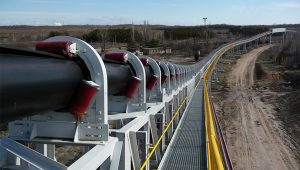
This idler belongs to the upper idler group. It is installed on the carrying side, usually after the loading point or along a long straight section where misalignment is likely. In a quarry, limestone mine, or sand and gravel line, a self-aligning upper idler helps keep the belt on track when material is dropped off-center. In a coal washing plant or power plant coal handling system, it reduces spillage along the transfer points. It can also be used in a cement plant, steel mill, or tunnel muck conveyor.
Do not confuse it with a return self-aligning idler, which works on the empty side of the belt. The upper version supports the loaded belt. A friction self-aligning idler and a tapered self-aligning idler are subtypes within the same family; they differ in how the steering force is created, but all serve the carrying side.
Selection and Maintenance Notes
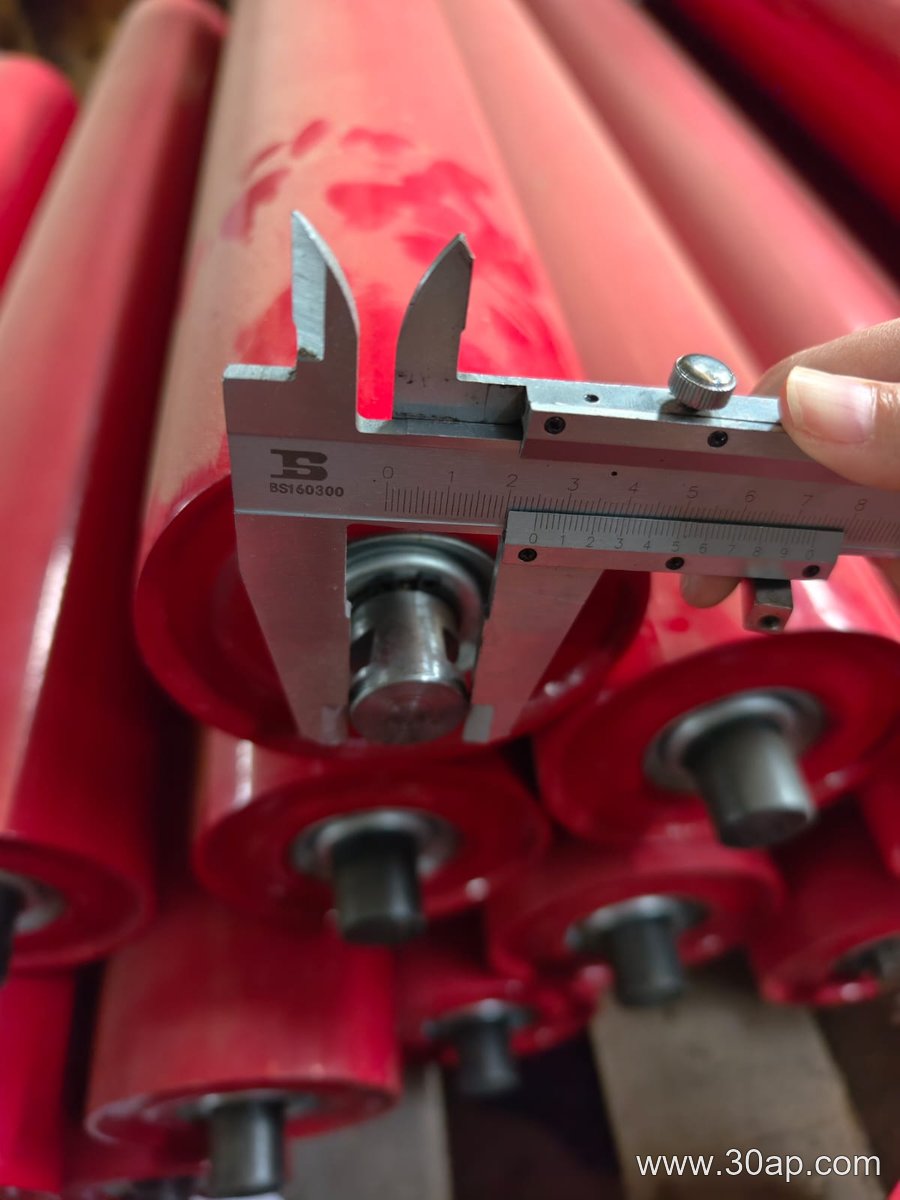
Buyers should match the idler to belt width, trough angle, load, and belt speed. A wider belt does not automatically require one specific pulley diameter, and a given belt width does not fix the shaft diameter. The conveyor bracket and frame must fit the idler’s pivot base. Check that the roll diameter and bearing size suit the actual load. For maintenance, inspect the pivot for free movement, check seals for dust and water ingress, and replace worn rolls before they damage the conveyor belt. A properly working upper self-aligning idler is a simple but effective way to improve belt tracking and extend conveyor component life.