What a Conveyor Idler Bracket Does
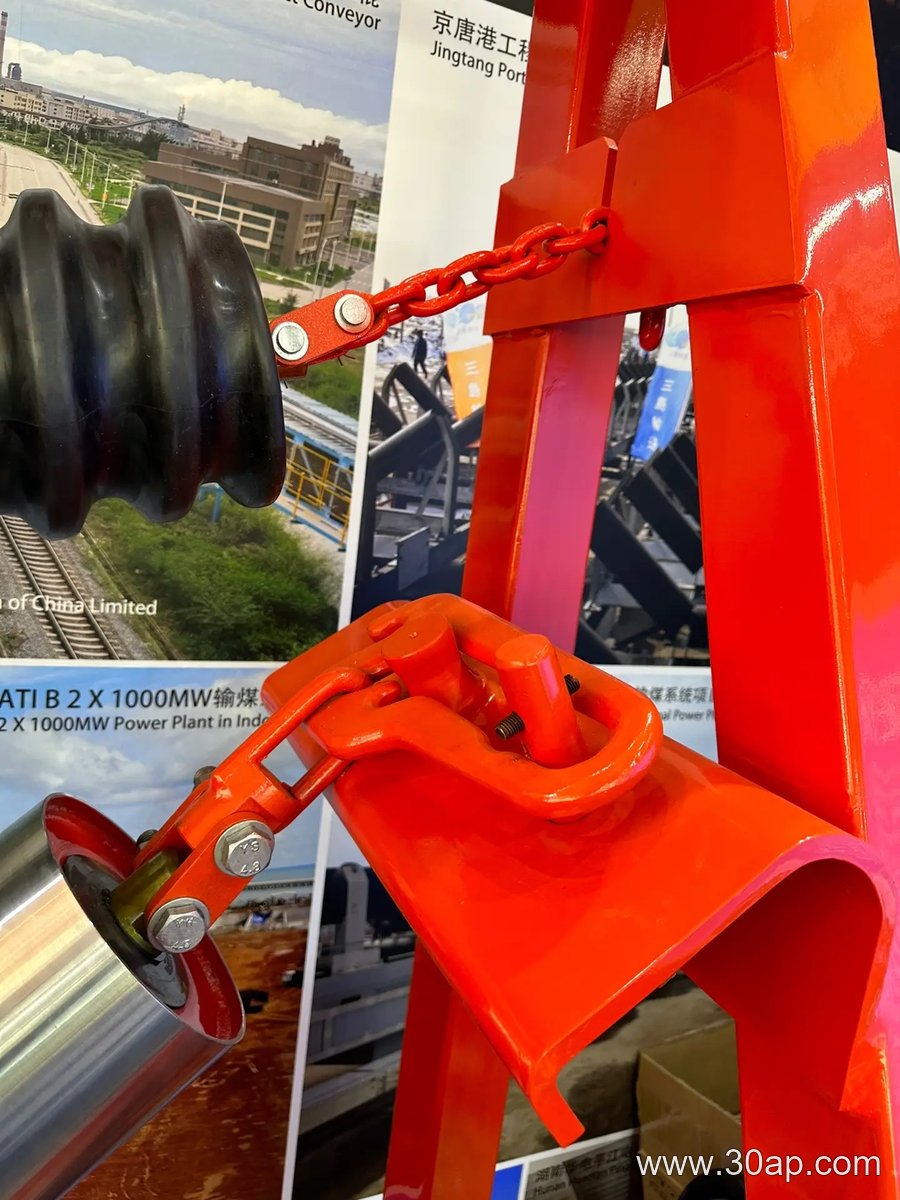
A conveyor idler bracket is the structural interface between the carrying or return idler roller and the conveyor frame. It holds each roller at the correct angle and spacing so the conveyor belt tracks smoothly under load. In a quarry, a coal handling system, or a cement plant, these brackets are often the least visible part of the conveyor, yet they determine how well the belt is supported along the entire line.
An accurate equivalent name for this product is a roller support bracket or idler support bracket. It is not a drive pulley, tail pulley, or bend pulley. Those are completely different components. The bracket works with the conveyor belt, the idler roller, and sometimes a conveyor pulley at the ends of the structure.
Common Types and Their Positions
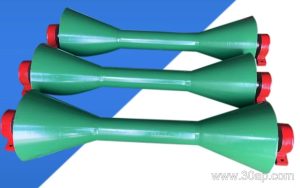
Different positions on the conveyor call for different bracket forms. A troughing bracket, also called a troughing idler bracket, supports three rollers in a trough shape on the carrying side. A transition bracket sits near a pulley where the belt changes from flat to troughed. On the return side, a flat return bracket or a V return bracket holds the belt in a shallow V to help with tracking. Impact brackets are used under loading points, and self-aligning brackets help correct belt misalignment. A suspended bracket hangs from the structure, while an adjustable bracket allows the trough angle to be set on site.
How the Bracket Is Built
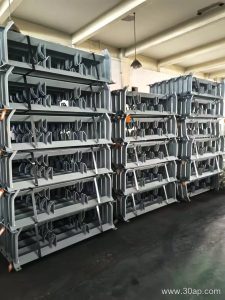
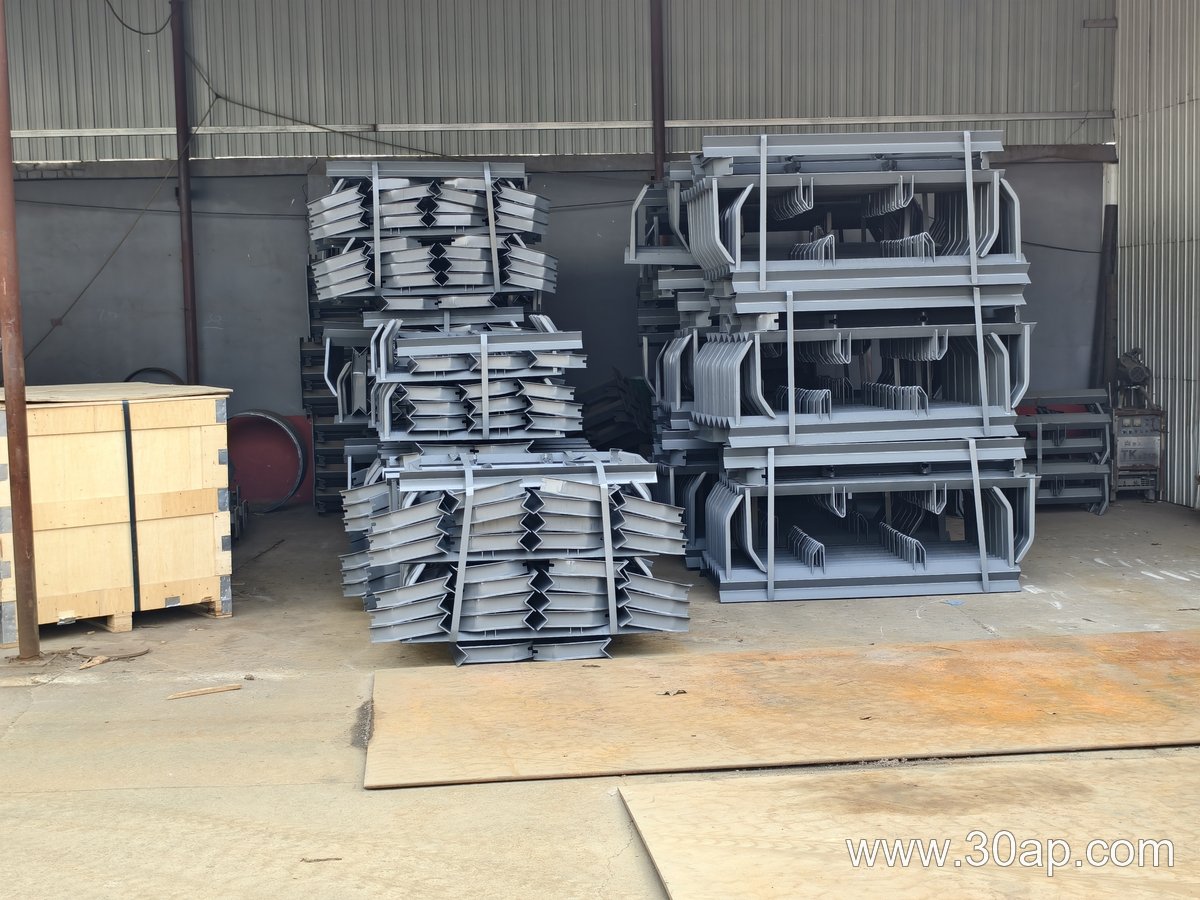
Most idler brackets are made from angle steel, channel steel, or folded steel plate. The material choice depends on the load, the environment, and the belt width. For a B800 belt at a 35 degree trough angle with Ø108 idlers, the bracket often uses a folded plate design. For a B1200 belt at 45 degrees with Ø133 rollers in a heavy-duty pit, a channel steel frame may be preferred. Installation hole spacing and crossbeam length are not fixed numbers. They change with the belt width, trough angle, and roller diameter, so each bracket is normally made to match the conveyor design.
| Reference Item | Common Values |
|---|---|
| Belt width | B500, B650, B800, B1000, B1200, B1400, B1600, B1800, B2000, B2200 |
| Trough angle | 20°, 30°, 35°, 45° |
| Idler diameter | Ø89, Ø108, Ø133, Ø159, Ø194 |
| Material | Angle steel, channel steel, folded steel plate |
These values are common references only. A bracket for a B650 belt at 30 degrees with Ø89 idlers may share a similar shape with a B1000 unit, but the hole positions and beam length will differ. Never assume one belt width can only match one pulley diameter or one trough angle.
Where Conveyor Idler Brackets Are Used
You will find them in a limestone mine feeding a primary crusher, in a power plant coal yard, in a sand and gravel line, and in a fertilizer or grain silo conveyor. In each case, the bracket must fit the local conditions. A dusty cement plant may need brackets that shed material easily. A wet tunnel muck conveyor may need corrosion protection. A steel mill sinter line may require a heavier bracket because of high temperature and impact.
What a Buyer Should Know
- Confirm the belt width and trough angle before ordering. A B1000 bracket at 35 degrees is not the same as a B1000 bracket at 45 degrees.
- Match the idler diameter to the bracket cradle. A Ø108 roller and a Ø159 roller need different support surfaces.
- Decide between fixed and adjustable brackets. Adjustable brackets allow the trough angle to be changed among 20, 30, 35, and 45 degrees, while fixed brackets lock one angle.
- Check the mounting hole pattern against the existing frame. Hole spacing is not universal.
- Consider the environment. A quarry, a coal mine, and a port all expose brackets to different loads and moisture levels.
A well-chosen conveyor idler bracket keeps the belt centered, reduces roller wear, and lowers spillage. It is a small part of the conveyor, but it carries the daily load of your conveyor belt and idler roller system.