What Makes a Ceramic Lagged Pulley Different
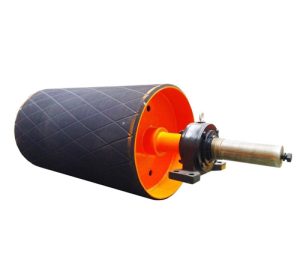
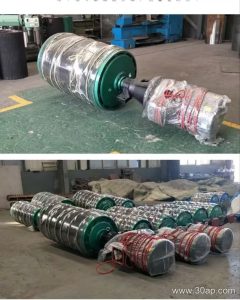
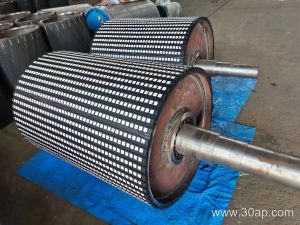
A heavy-duty ceramic lagged pulley is a conveyor pulley whose outer surface is covered with ceramic tiles embedded in a rubber or polymer matrix. This composite lagging is bonded to the pulley shell to improve grip between the drum and the conveyor belt. Unlike plain steel or smooth rubber surfaces, the ceramic studs bite into the belt cover, reducing slip even when the belt is wet, muddy, or carrying abrasive material. The product is often called a ceramic rubber lagged drum or ceramic drive pulley, but the core idea remains the same: a wear-resistant, high-friction surface for demanding drives.
How the Ceramic Lagging Is Built
The pulley shell is usually machined from steel tube or plate, with end discs and a shaft pressed or welded into place. After balancing, a layer of rubber—commonly 8, 10, 12, 15, or 20 mm thick—is applied by hot vulcanization or cold bonding. Ceramic tiles, typically 20–25 mm square and 5–10 mm high, are then embedded in the rubber in a staggered pattern. The tiles may be alumina-based for high wear resistance. The surface pattern can be flat with raised ceramic knobs or have drainage grooves between tiles to shed water and fines. This construction gives the pulley a long service life in tasks where standard rubber lagging would polish or tear away.
Where It Fits in a Conveyor
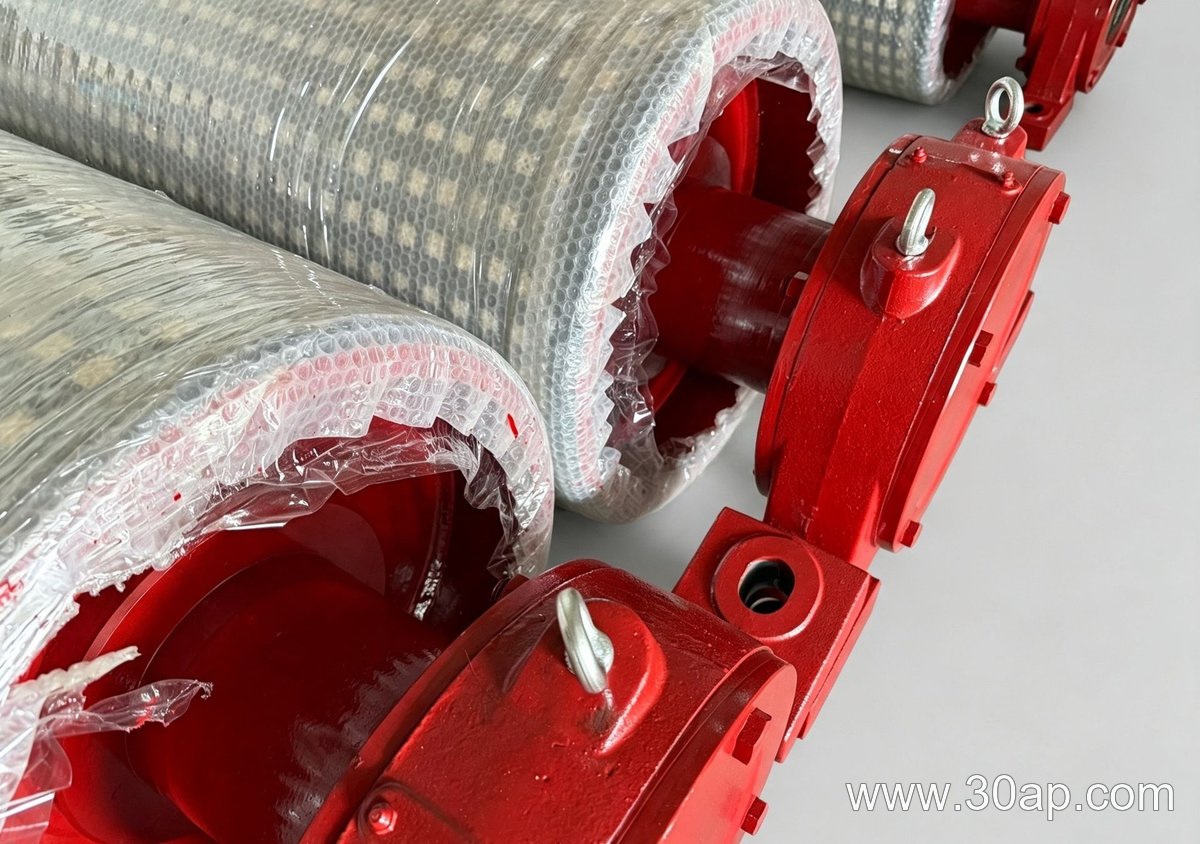
Ceramic lagging is most often specified for the drive pulley, where torque transmission is critical. It also appears on tail pulleys in high-tension or wet applications, and occasionally on bend or take-up pulleys when belt tracking and traction matter. However, a drive pulley and a tail pulley are not interchangeable: the drive pulley transmits power, while the tail pulley mainly changes belt direction and provides tension. A bend pulley only redirects the belt. Using a ceramic lagged pulley on a non-drive position can still help with belt slip, but the design focus shifts to wear resistance rather than torque capacity.
Typical Sizes and Configurations
Buyers will encounter a range of belt widths and pulley diameters. The table below shows common reference combinations, but no single belt width is locked to one diameter or shaft size. Shaft diameter is determined by torque and load, not by belt width alone.
| Belt Width (mm) | Typical Pulley Face Width (mm) | Common Diameter Range (mm) | Example Combination |
|---|---|---|---|
| B400 | ≈500 | Ø200–Ø400 | B400 × Ø250 |
| B650 | ≈750 | Ø315–Ø500 | B650 × Ø400 |
| B800 | ≈950 | Ø400–Ø630 | B800 × Ø500 |
| B1000 | ≈1150 | Ø500–Ø800 | B1000 × Ø630 |
| B1200 | ≈1400 | Ø630–Ø1000 | B1200 × Ø800 |
| B1400 | ≈1600 | Ø800–Ø1250 | B1400 × Ø1000 |
| B1600 | ≈1800 | Ø1000–Ø1400 | B1600 × Ø1250 |
| B1800 | ≈2000 | Ø1250–Ø1600 | B1800 × Ø1400 |
These values are indicative only. Custom diameters such as Ø320, Ø630, or Ø1600 can be produced to suit a specific conveyor. The pulley face width is usually slightly wider than the belt to allow for mistracking. A ceramic lagged pulley for a B1200 belt, for example, might have a 1400 mm face and a Ø1000 mm shell. A smaller B800 unit could use a Ø500 mm drum with 10 mm lagging. The choice depends on belt speed, wrap angle, and the required friction coefficient.
Selection and Installation Notes
When specifying a heavy-duty ceramic lagged pulley, consider the environment first. In a limestone quarry or a coal handling plant, the belt may be wet and carry fine particles. Ceramic lagging excels here because the hard tiles resist abrasion and the rubber base flexes to shed debris. In a cement plant or a steel mill sinter line, heat and dust may call for a heat-resistant rubber compound. Always match the lagging thickness to the belt cover and the expected wear. A thicker lagging—say 15 or 20 mm—offers more wear life but adds weight and may require a larger pulley diameter to maintain the same belt path.
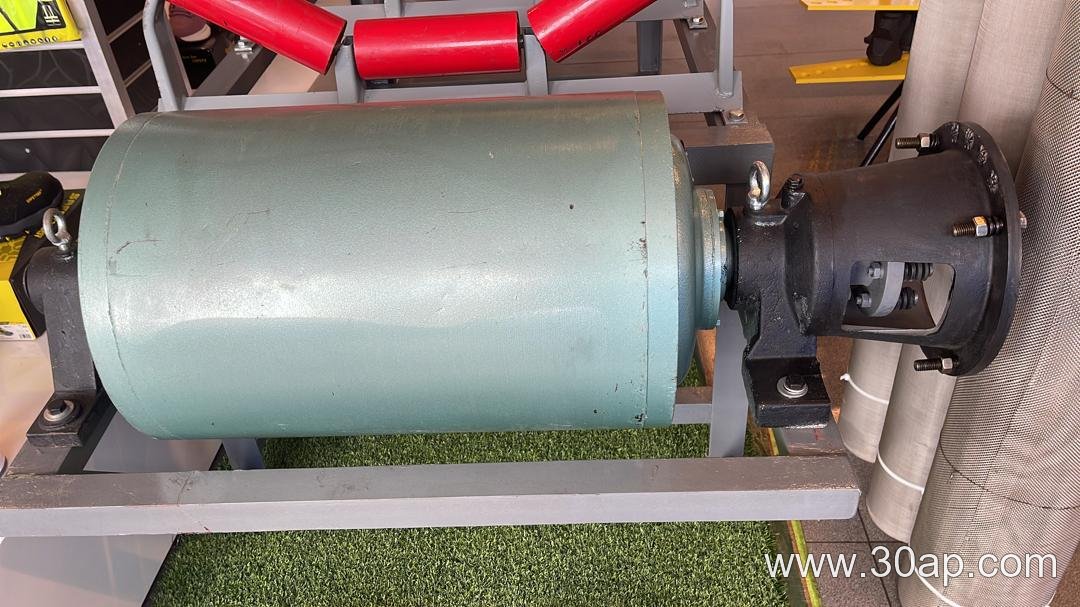
Installation should ensure the pulley is aligned with the conveyor frame and the conveyor bracket. The shaft must fit the bearing housings without forcing. After mounting, check that the ceramic surface is clean and free of oil. During operation, inspect for missing tiles or rubber tears. A conveyor pulley with ceramic lagging can be re-lagged, but the old rubber and tiles must be completely removed before applying new material. For the conveyor belt, the ceramic surface may cause slightly higher cover wear than smooth rubber, so belt cover grade should be chosen accordingly.
What a Buyer Should Know
Ask for the shaft diameter calculation based on torque, not just belt width. Confirm the lagging pattern—whether flat ceramic, grooved, or with drainage channels—and the tile size. Verify the rubber hardness and the bonding method, as hot vulcanization generally gives a stronger bond than cold bonding. Check that the pulley is dynamically balanced, especially for high-speed drives. Finally, remember that a ceramic lagged pulley is not a universal fix for every slip problem; sometimes a bend pulley or a take-up pulley with standard rubber lagging is sufficient. The right choice depends on the duty, the material, and the maintenance plan.