What a Copper Ore Conveyor Belt Does
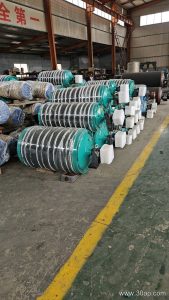
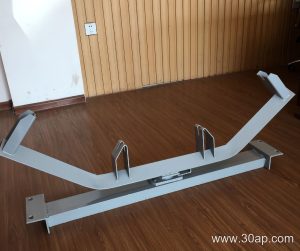
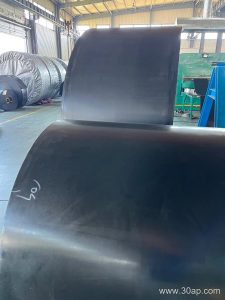
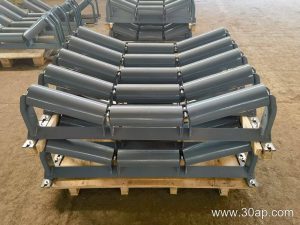
A copper ore conveyor belt is the load-carrying element in a bulk handling line that moves crushed or screened copper ore from the primary crusher to stockpiles, grinding mills, or transfer points. Because copper ore is dense, abrasive, and often sharp-edged, the belt must resist cutting, gouging, and impact while maintaining steady tracking over long distances. In a typical mine or concentrator, the belt works together with idler rollers, conveyor pulleys, and conveyor brackets to form a complete conveyor system, and each component has its own role: drive, tail, and bend pulleys are not interchangeable, and choosing the right one depends on the conveyor layout rather than the belt alone.
Construction and Common Specifications
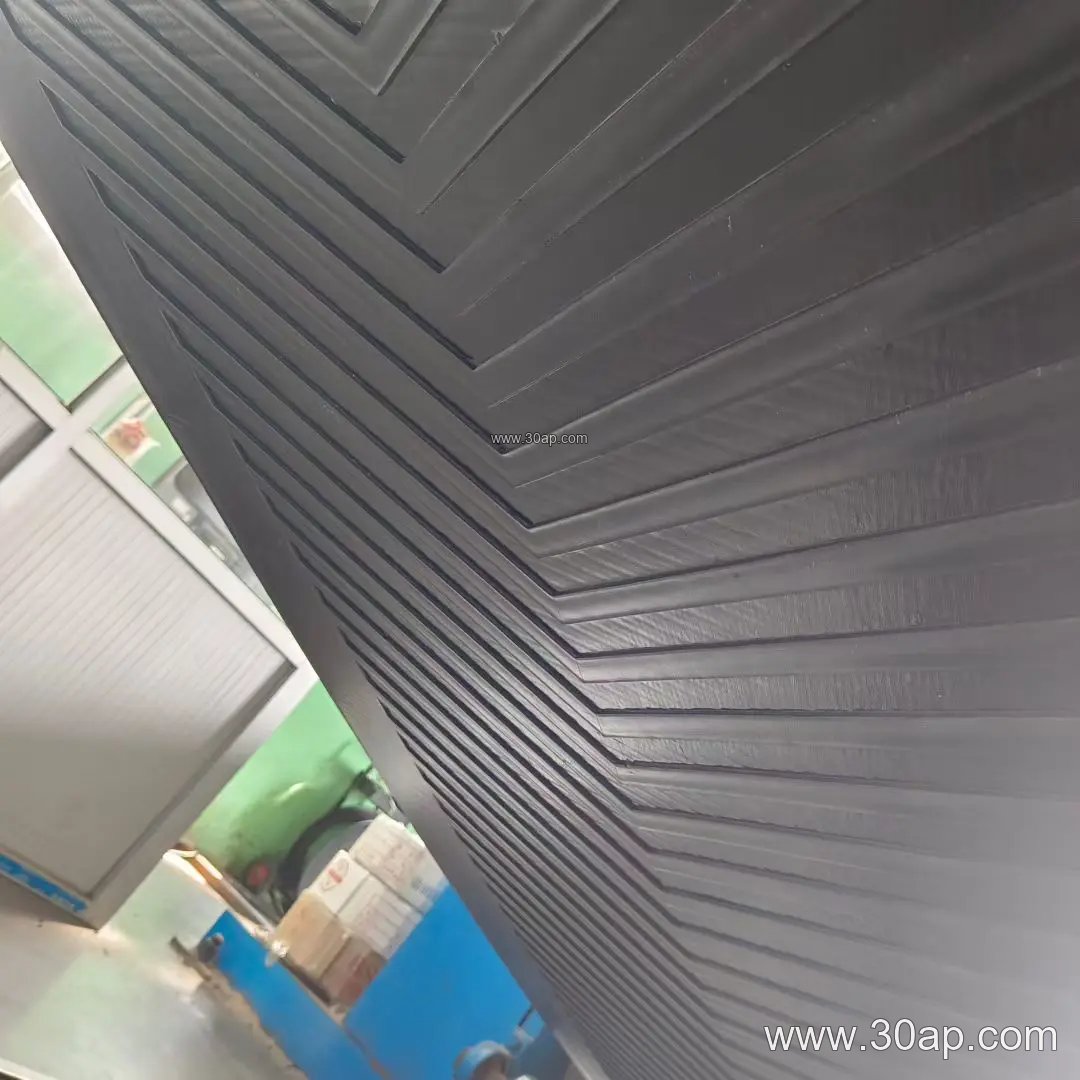
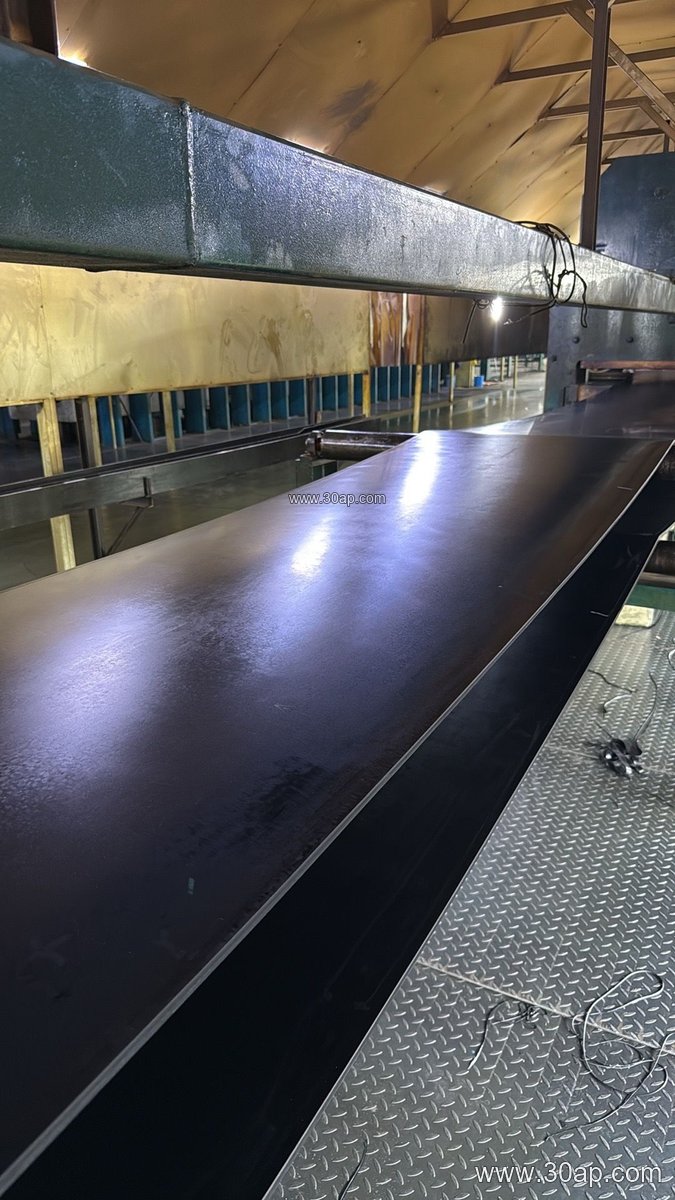
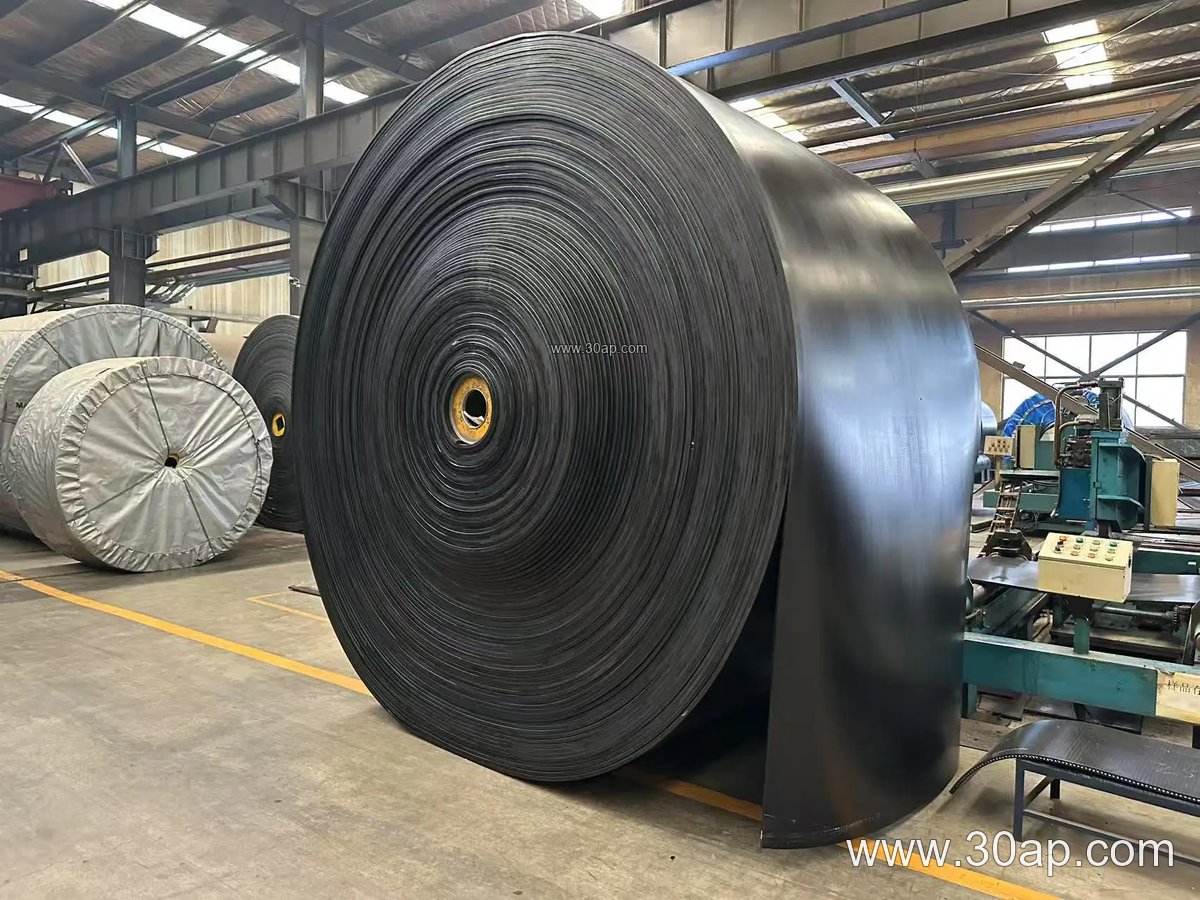
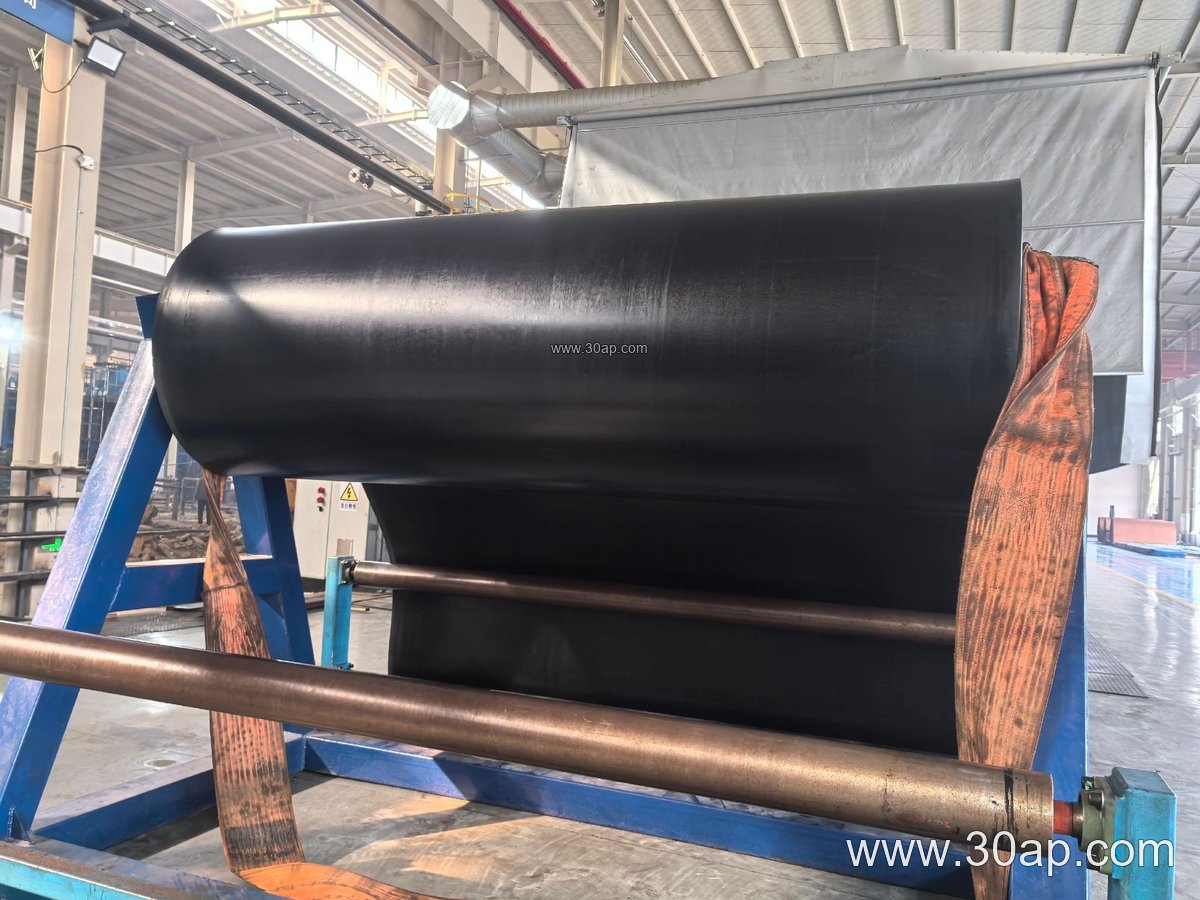
Most copper ore conveyor belts use a fabric skeleton or steel cord reinforcement covered with rubber. The carcass provides tensile strength, while the cover rubber protects against abrasion and moisture. Common carcass types include EP (polyester-cotton) and NN (nylon) fabric, as well as steel cord construction for high-tonnage main lines. Typical strength grades range from EP200 up to EP2000, and the number of fabric plies usually falls between two and six depending on the duty. Cover rubber thickness is often expressed as top plus bottom, for example 4+2 mm, 5+2 mm, 6+2 mm, or 8+3 mm, with thicker covers used where ore lumps are large and drop heights are significant.
Reference Specification Table
| Parameter | Common Reference Values | Notes |
|---|---|---|
| Belt width | B500, B650, B800, B1000, B1200, B1400, B1600, B1800, B2000 | Selected from capacity, lump size, and trough angle |
| Strength grade | EP200, EP315, EP400, EP500, EP630, EP800, EP1000, EP1250, EP1600, EP2000 | Depends on tension and conveyor length |
| Cover thickness | 3+1.5, 4+2, 5+2, 6+2, 8+3 mm | Thicker top cover for high impact |
| Carcass plies | 2 to 6 layers | Fabric types; steel cord also available |
These figures are reference data only. Actual selection should follow the conveyor design, ore characteristics, and the manufacturer’s data sheet.
Where Copper Ore Belts Are Used
Copper ore handling appears in mines, concentrators, and smelting plants, and similar heavy-duty belts also serve coal mines, cement plants, power stations, and sand and gravel yards. In a copper circuit, the belt may run at high incline angles, which is where patterned covers such as herringbone or chevron profiles help prevent material rollback. Where the ore is damp or contains fines, a smooth cover with adequate cleating may be preferred. The belt also needs to tolerate oil, heat, or chemicals in some processing areas, so grades such as oil-resistant, heat-resistant, flame-retardant, and antistatic constructions are available for those conditions.
Buyer Checklist
- Confirm the ore lump size and drop height to choose cover thickness and impact resistance.
- Match the strength grade to the calculated belt tension, not to belt width alone.
- Check pulley diameters and shaft sizes against the conveyor design; a belt width does not fix a single pulley diameter or shaft size.
- Review the troughing idler roller arrangement and spacing, since poor support accelerates cover wear.
- Verify that conveyor pulleys, including drive, tail, and bend units, are specified by function and load.
- Ask for the cover grade and carcass data in writing, and keep spare splice materials on site.
Installation and Maintenance Notes
Correct alignment during installation reduces edge damage and extends service life. Inspect the belt regularly for cuts, exposed carcass, and cover wear, especially near transfer points where copper ore strikes the surface. Keep idler rollers turning freely and check conveyor brackets for looseness, because a seized roller can wear a groove into the cover quickly. When splicing, follow the manufacturer’s step length and cure procedure. For long overland lines, steel cord belts may be compared with fabric belts because steel cord offers higher strength per unit width, but the final choice still depends on the duty and the pulley and take-up design.