What a Four-Roll Idler Bracket Does
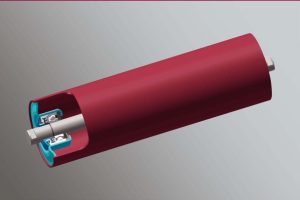
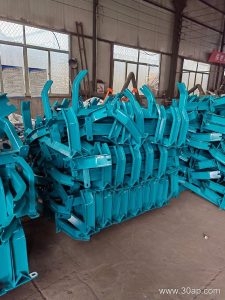
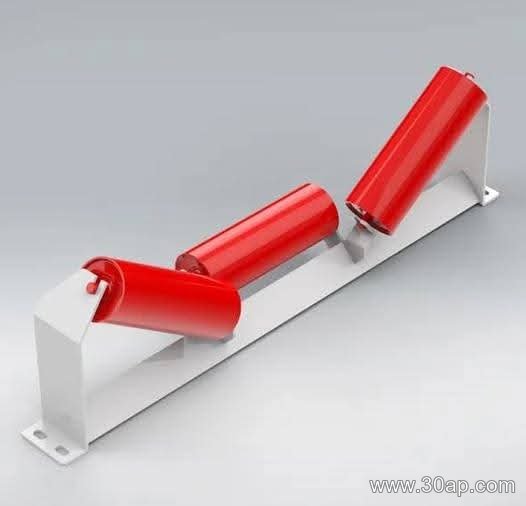
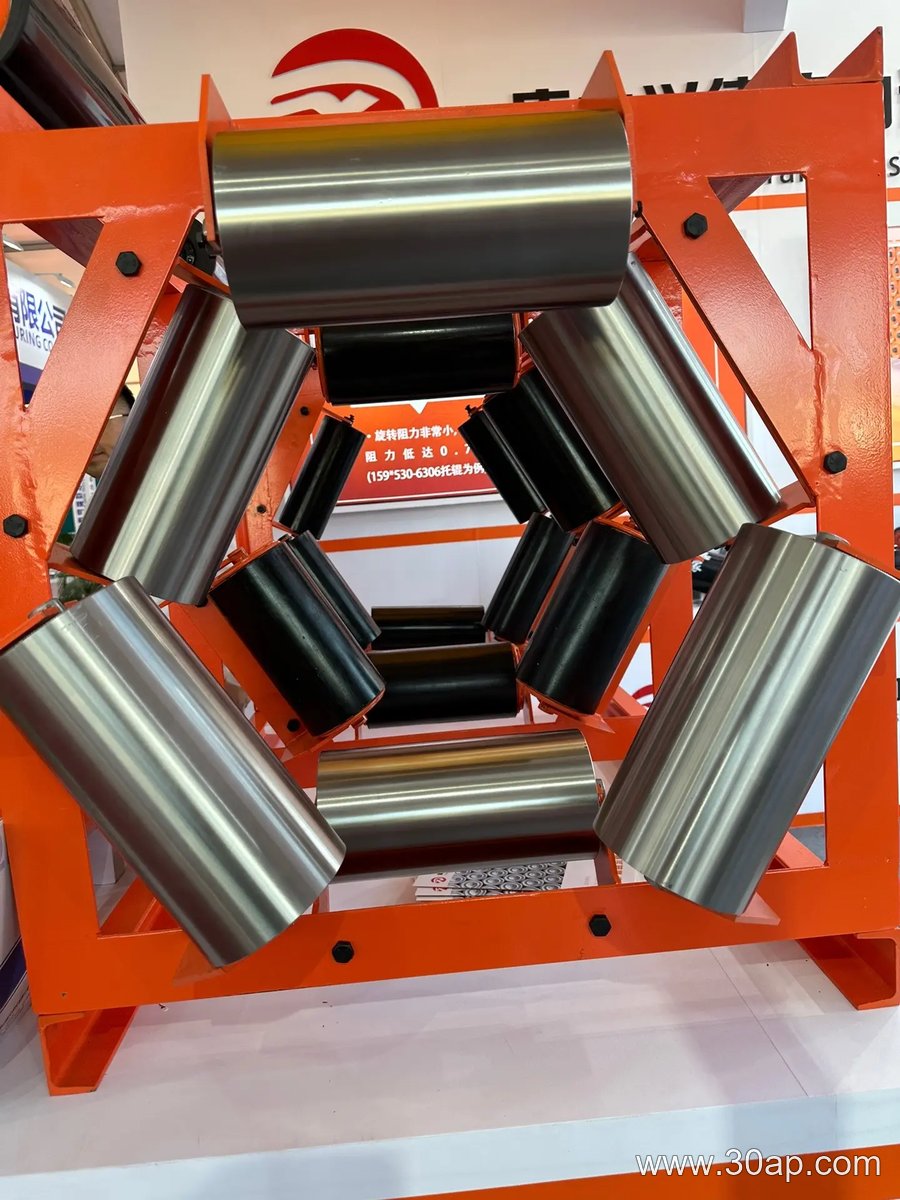
A four-roll idler bracket is a conveyor bracket assembly that supports four idler rollers in a single station. It is often called a four-roller idler frame or four-roll troughing bracket. The arrangement usually includes two outer rollers set at a trough angle and two inner rollers, which gives the conveyor belt a deeper, more stable cradle than a three-roll station. This is especially useful where the belt carries a heavy load or where material must be kept centered on the belt line.
How the Bracket Is Built
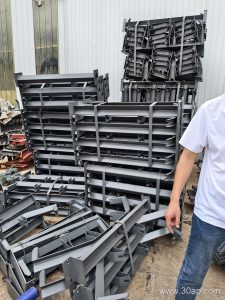
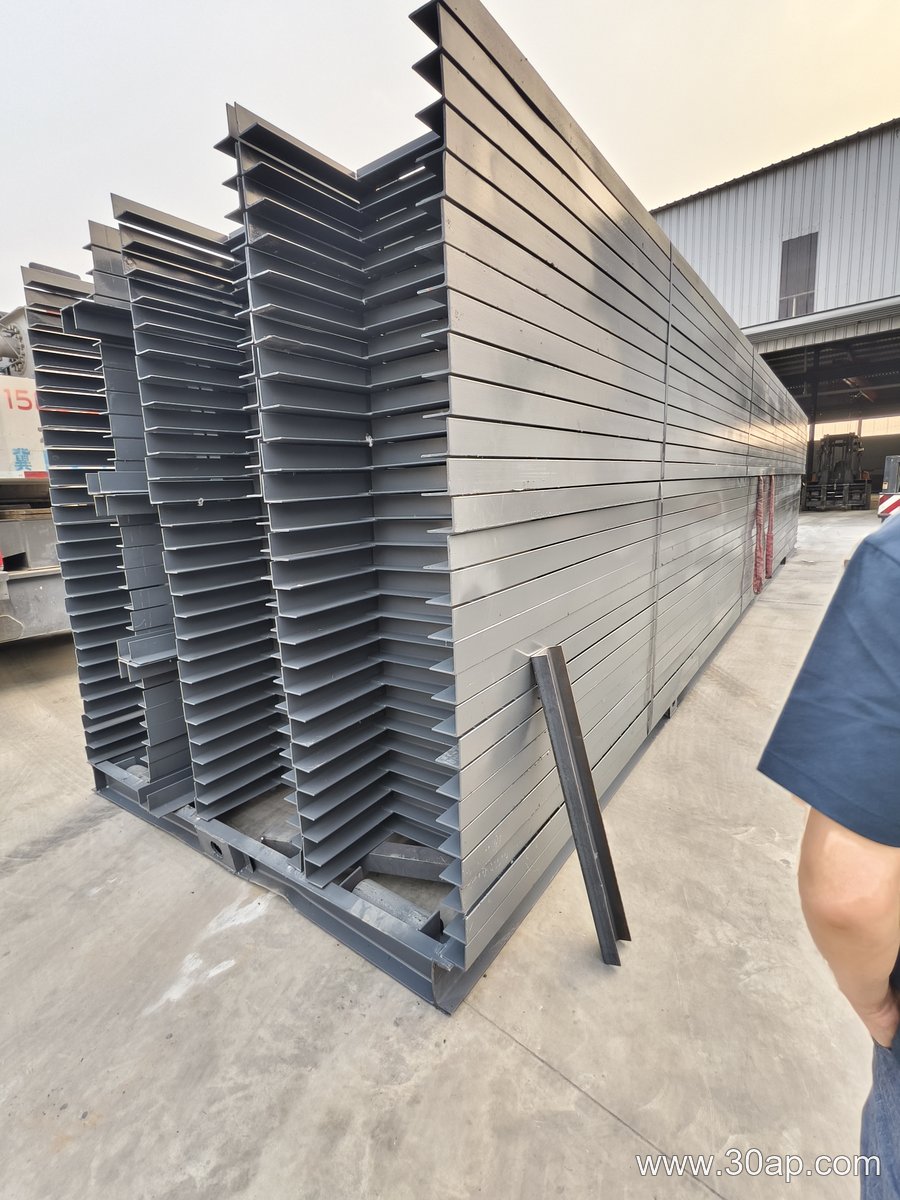
Most four-roll idler brackets are fabricated from angle steel, channel steel, or folded steel plate. The frame may be fixed or adjustable. Adjustable brackets let maintenance crews change the trough angle to suit the belt and the material being conveyed. Common trough angles include 20, 30, 35, and 45 degrees. The mounting hole spacing and crossbeam length are not universal; they are determined by the belt width, the trough angle, and the roller diameter used in the station.
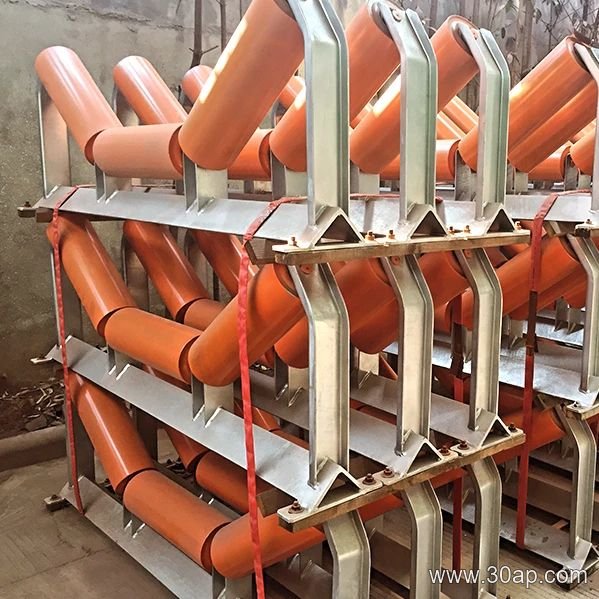
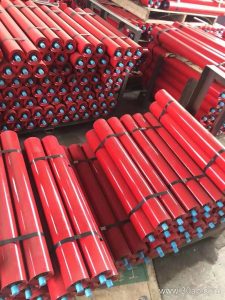
Roller diameters commonly paired with these brackets include Ø89, Ø108, Ø133, Ø159, and Ø194. A bracket may be designed for a B800 belt with 35-degree troughing and Ø108 rollers, or for a B1200 belt with 45-degree troughing and Ø133 rollers. These are examples, not fixed rules. One belt width can work with more than one trough angle and more than one roller diameter, depending on the conveyor design and the load profile.
Where It Fits on the Conveyor
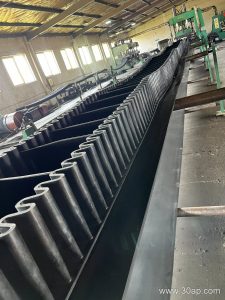
The four-roll idler bracket is normally installed on the carrying side of a conveyor, between the tail pulley and the head pulley. It is not a drive pulley, a tail pulley, or a bend pulley, and it should not be confused with those components. The drive pulley powers the belt, the tail pulley returns it, and a bend pulley changes its direction. The four-roll bracket only supports the belt and the idler rollers that touch it.
Typical applications include aggregate handling in a quarry or sand and gravel line, coal handling in a power plant, and bulk material transfer in a cement plant. In these settings, the four-roll arrangement helps control belt sag and reduces the chance of material spillage. It also spreads the load across more rollers, which can lower the stress on individual idler roller bearings.
Selection Points for Buyers
When choosing a four-roll idler bracket, start with the belt width and the required trough angle. Then confirm the roller diameter and the shaft size that match the existing idler roller stations. Check the bracket material and finish for the environment. A dusty or wet location may call for a different coating or a heavier gauge than a clean, dry transfer point.
- Belt width and trough angle determine the frame geometry.
- Roller diameter and shaft size must match the idler rollers used.
- Fixed brackets are simpler; adjustable brackets allow angle changes.
- Mounting hole spacing should match the conveyor stringer or frame.
Also consider whether the bracket is for a new conveyor or a replacement. If it is a replacement, measure the existing mounting holes and the distance between roller positions before ordering. Do not assume that a bracket for a B650 belt with 30-degree troughing and Ø89 rollers will fit a B1000 belt with 35-degree troughing and Ø133 rollers. The dimensions are not interchangeable.
Installation and Maintenance Notes
Install the bracket so that all four rollers sit at the same height and align with the belt path. Misalignment can cause the belt to run off center or wear the roller edges. After installation, check that the conveyor belt touches all four rollers evenly. If one roller does not contact the belt, the bracket may need adjustment or the roller may be the wrong size.
Routine checks should include bolt tightness, frame deformation, and roller rotation. A bent or cracked bracket should be replaced rather than straightened, because a weakened frame can drop a roller and damage the conveyor belt. Keep spare brackets and rollers on hand for critical conveyors, especially in remote locations such as a tunnel mucking operation or a grain silo.
For any four-roll idler bracket order, provide the belt width, trough angle, roller diameter, shaft size, and mounting dimensions. That information helps the supplier match the bracket to the conveyor bracket system already in place.