What Drives the Cost of a Conveyor Bracket?
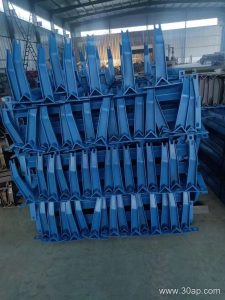
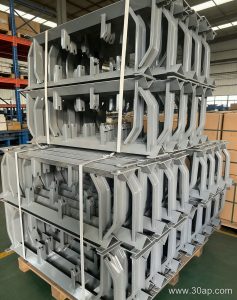
When planning a conveyor upgrade in a cement plant, a practical question is: what actually determines the cost of a conveyor bracket? The answer lies in four main factors: material, dimensions, manufacturing method, and freight. Understanding these helps you compare quotes meaningfully without relying on guesswork.
Material Selection
The steel grade and finish have a direct effect on cost. A conveyor bracket made from standard carbon steel costs less than one fabricated from stainless steel or a wear-resistant grade. In a cement plant, abrasive dust and occasional high temperatures may justify a higher-grade material, but that choice increases the base material expense. Similarly, adding a hot-dip galvanized coating raises cost compared to a simple painted finish, yet it can extend service life in outdoor or humid sections.
Dimensions and Geometry
Larger conveyor brackets require more raw material and may need extra reinforcement. A bracket designed for a wide, heavily loaded belt will be thicker and heavier than one for a narrow return line. Custom hole patterns, gussets, or non-standard angles also add to the cost because they increase cutting and drilling time. Standard sizes that match common conveyor frames are typically more economical.
Manufacturing Process
How a conveyor bracket is made matters. Simple bending and welding are less expensive than precision machining or laser cutting. If the bracket must fit tightly with existing conveyor frame components, tighter tolerances may require additional fixtures and inspection, which raises labor cost. Batch production lowers per-unit cost, while one-off replacements are relatively more expensive.
Freight and Logistics
Shipping cost depends on weight, volume, and distance. A conveyor bracket is often bulky relative to its value, so freight can be a significant portion of the total. Ordering in larger quantities may reduce per-unit freight, but it increases storage needs. For a cement plant, receiving brackets that are properly packaged to avoid damage is also part of the landed cost.
Hypothetical Example
Consider a plant evaluating two conveyor bracket options for a clinker transfer point. Option A uses standard carbon steel, simple welded design, and local delivery. Option B uses a wear-resistant grade, extra gussets, and imported shipping. Without quoting prices, it is clear that Option B will cost more due to material, manufacturing complexity, and freight. The right choice depends on duty cycle and maintenance strategy.
Frequently Asked Questions
Does a heavier conveyor bracket always cost more?
Not always, but weight usually correlates with material usage. A heavier bracket may reduce long-term replacement frequency, which can offset initial cost.
Can I reduce cost by using a standard conveyor bracket?
Yes. Standard sizes and common materials typically lower both manufacturing and freight costs. However, ensure the standard bracket meets the load and environmental requirements.
How does freight affect the total cost of a conveyor bracket?
Freight can add a noticeable percentage, especially for long-distance or international shipments. Consolidating orders or sourcing locally can help manage this factor.
Inspecting a Conveyor Belt Before Problems Escalate
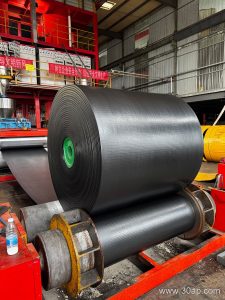
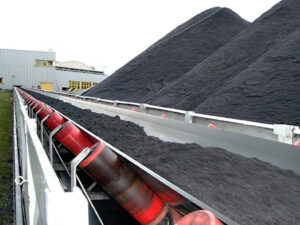
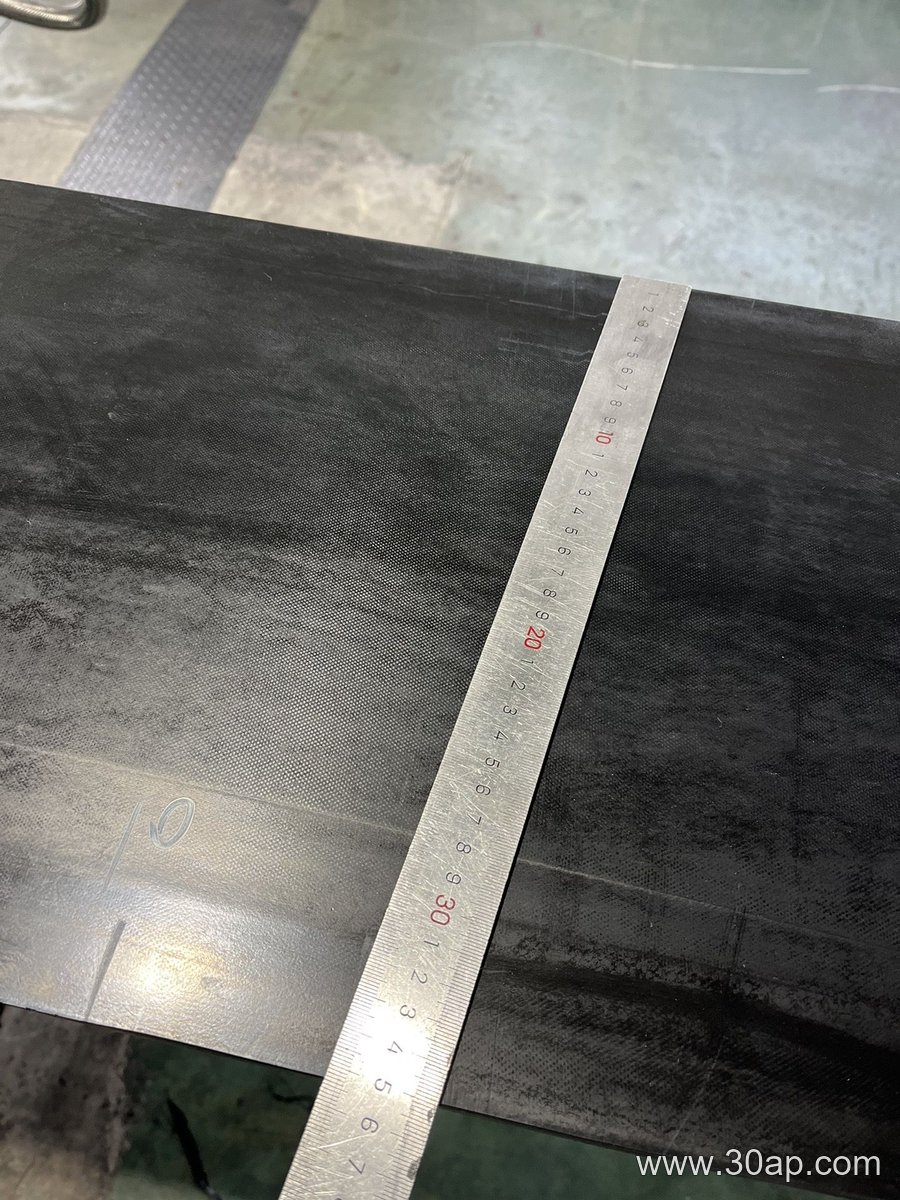
In a mineral-processing plant, a conveyor belt works under constant punishment: abrasive ore, sharp edges, heavy loads, and dust that works into every joint. A belt that fails without warning can halt an entire production line, so inspection should be a scheduled task, not a reaction to a breakdown. Walk the full length of the conveyor belt at least once per shift, looking for surface gouges, exposed carcass, edge fraying, and material buildup on return rollers. Pay close attention to the loading zone, where impact and abrasion are most severe.
Preventive Maintenance That Keeps a Conveyor Belt Running
Preventive maintenance for a conveyor belt is mostly about controlling the conditions that accelerate wear. Keep the belt running true by adjusting idlers and pulleys so it does not rub against structures. Clean spillage promptly; trapped material can gouge the cover or force the belt off track. Lubricate bearings and check that rollers turn freely, because a seized roller acts like a stationary knife against the moving belt. For fabric-carcass belts such as EP or NN types, inspect splices regularly for ply separation or pulled fasteners. A properly tensioned belt with clean, aligned components will last far longer than one that is ignored until it tears.
Signs That a Conveyor Belt Needs Replacement
Not every worn belt can be repaired. Consider replacement when you observe any of the following:
- Deep gouges or punctures that expose the carcass across a wide area.
- Edge damage that continues to fray despite trimming and repair.
- Multiple failed splices or a splice that pulls apart repeatedly.
- Cover wear so severe that the fabric plies are visible along the load zone.
- Longitudinal cracks that propagate with each revolution.
In a mineral-processing plant, a belt with these symptoms may still run for a while, but the risk of a sudden tear or spillage rises quickly. Planning a replacement during a scheduled shutdown is almost always cheaper than dealing with an unplanned stoppage. Keep records of inspection findings and repair history so you can spot trends — a belt that needs patching every week is telling you something. The goal is not to replace a conveyor belt as often as possible, but to replace it at the right time, before it becomes the weakest link in the circuit.
What a Trough Idler Set Includes
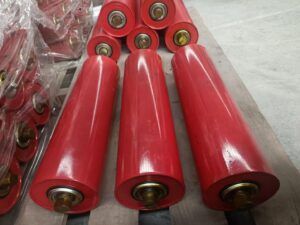
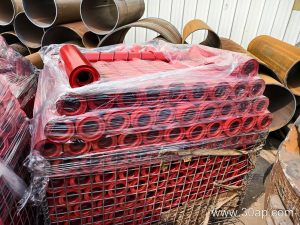
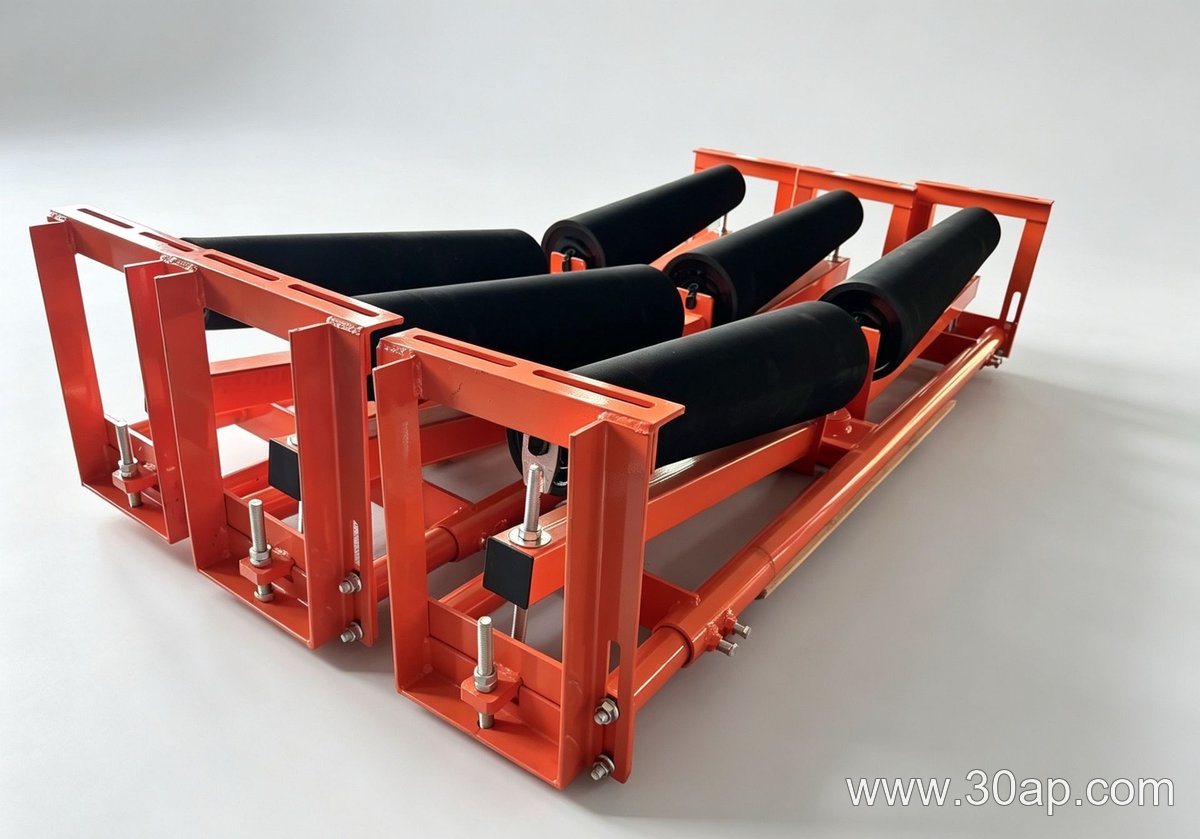
In a mineral-processing plant, a conveyor often carries crushed ore that spreads across the belt. A single idler roller supports the belt at one point, but a trough idler set uses three rollers arranged in a cradle. The center roller sits horizontally, while the two side rollers angle upward, typically at 20°, 35°, or 45°. This arrangement forms the belt into a trough, keeping bulk material centered and reducing spillage.
Each roller in the set is still an idler roller: a tube, shaft, bearing housing, and seal assembly. The difference lies in how the three rollers are mounted and how they share the load.
Construction Details That Matter
A trough idler set consists of:
- Three idler rollers, often with different lengths for center and side positions.
- A frame or bracket that holds the rollers at the required trough angle.
- Mounting pins or brackets that attach the assembly to the conveyor structure.
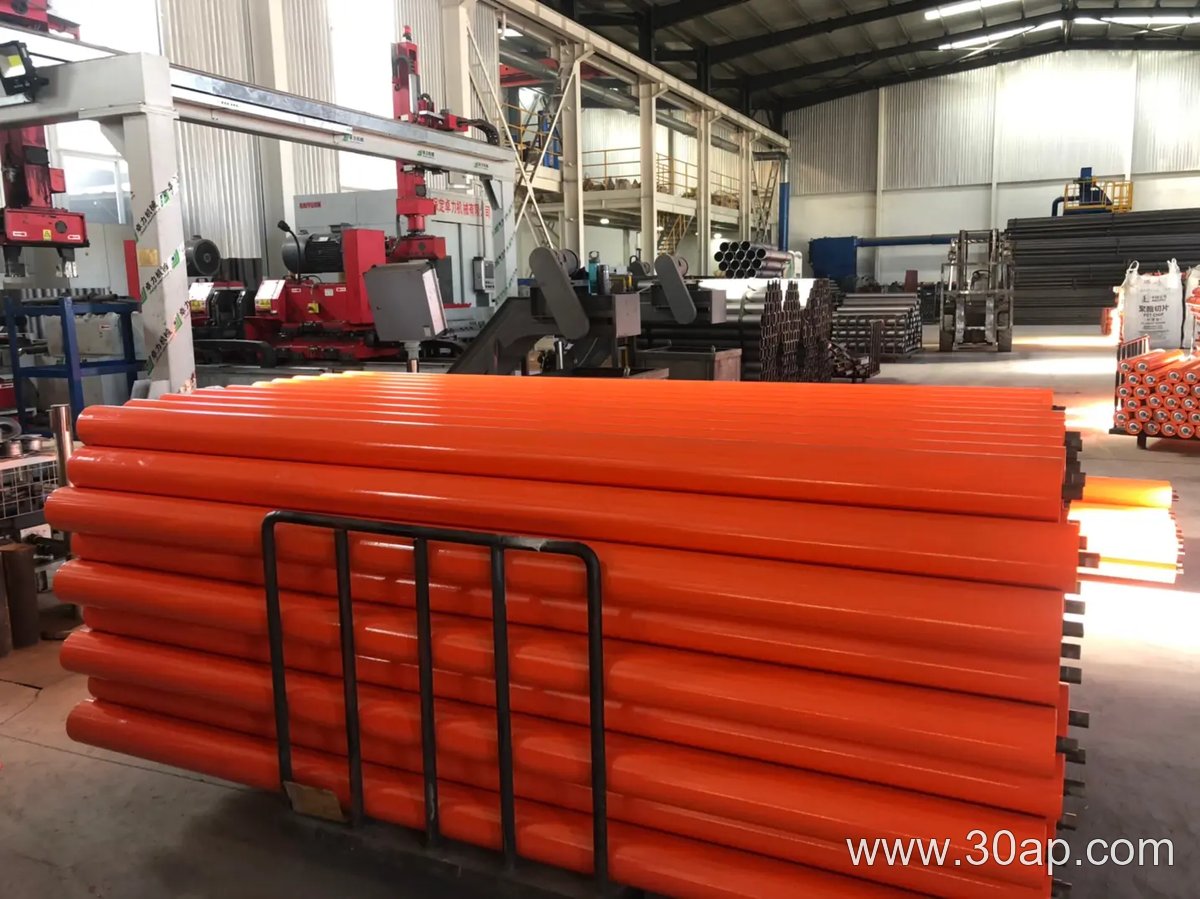
Roller tubes may be steel or polymer. Bearings are usually deep-groove ball bearings with labyrinth or contact seals. The frame must resist bending under the belt load and maintain alignment.
Features and Uses in Mineral Processing
Trough idler sets are common on the carrying side of a belt conveyor, where material is loaded. They handle high loads, abrasive dust, and occasional impact. Compared with a single idler roller, a trough set offers:
- Better belt training and load containment.
- Higher load capacity through load sharing.
- Reduced material spillage on inclined or curved sections.
Return-side idlers are often single rollers because the belt is empty and only needs flat support. A trough set is not necessary there.
Hypothetical Example: Sizing a Trough Set
Assume a hypothetical conveyor handling 500 t/h of copper ore at 2.5 m/s. The belt width is 1200 mm, and the material bulk density is 1.8 t/m³. Using a standard trough angle of 35°, the required idler roller diameter might be 127 mm or 152 mm, depending on load and speed. The center roller would be shorter than the side rollers. This example is illustrative only; actual selection requires detailed engineering.
FAQ
Can I replace a single idler roller with a trough set?
Only if the conveyor frame and belt width are designed for it. The trough angle and roller spacing must match the belt’s natural troughing ability.
Do all three rollers in a trough set need to be identical?
No. Center and side rollers often differ in length and sometimes in bearing size, but they must be compatible with the frame and load distribution.
What Is a Bend Rubber Lagged Pulley?
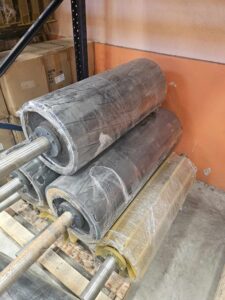
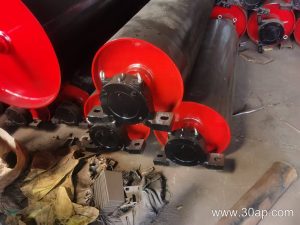
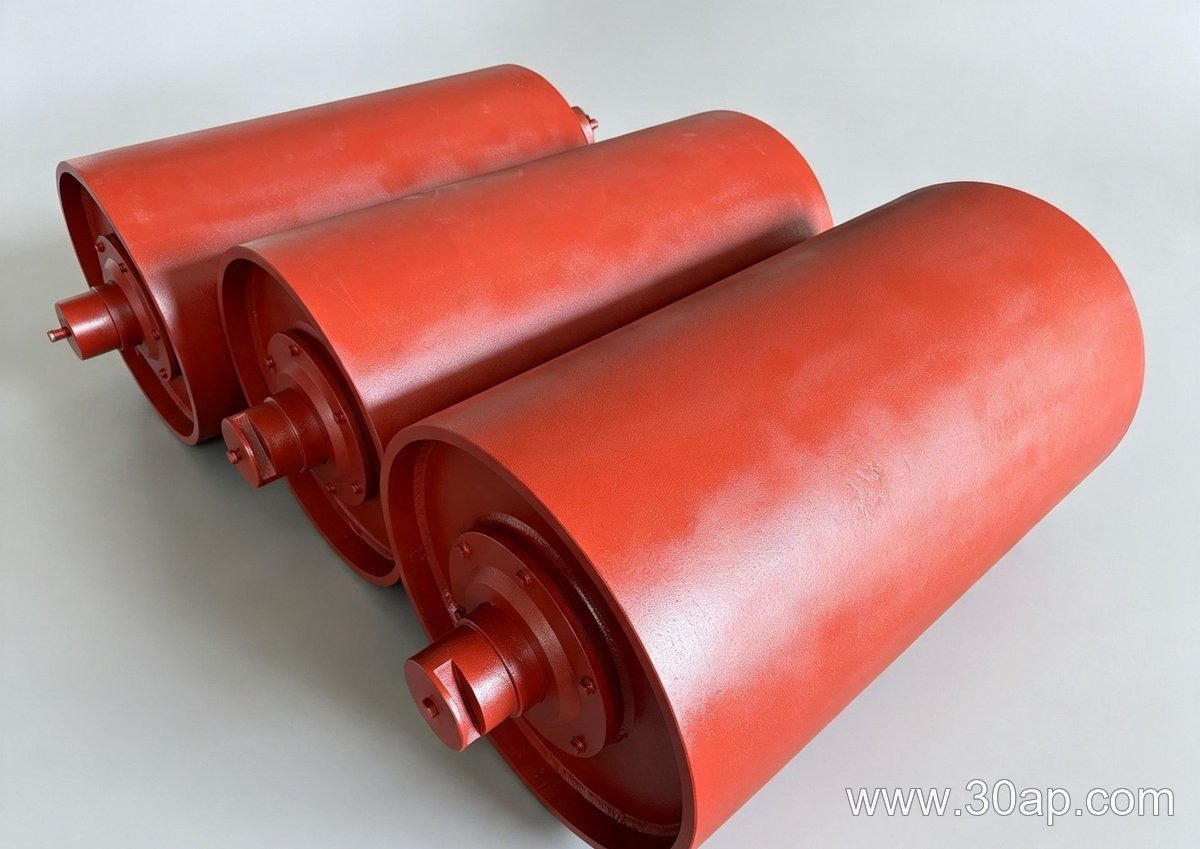
A bend rubber lagged pulley is a conveyor pulley used at a direction-changing point in a conveyor system, where the belt wraps around the pulley to redirect its path. Unlike a standard wing pulley, which has spaced steel bars that shed material, a bend rubber lagged pulley is fitted with a rubber cover that improves grip and protects the belt. In a bulk-material port terminal, such a pulley is often installed at a bend station where the belt must change direction without losing traction.
Construction and Features
The pulley body is typically a welded steel drum with a machined face. The rubber lagging is bonded to the drum, and its surface may be smooth or grooved. Grooves help channel water and fine particles away from the contact area, reducing slip. The lagging thickness and hardness are selected for the application. A bend rubber lagged pulley also includes end discs, a shaft, and bearing housings. Because it does not rely on open bars, it offers a continuous contact surface that distributes pressure evenly across the belt.
Where It Fits in a Port Terminal
At a bulk-material port terminal, conveyor pulleys handle coal, iron ore, grain, or fertilizer. A bend rubber lagged pulley is appropriate for bends where the belt carries a moderate load and needs reliable tracking. It is not a replacement for a drive pulley, but it works alongside head, tail, and take-up pulleys. Its rubber surface reduces belt wear compared to a bare steel pulley, and it minimizes the risk of material build-up that can occur on wing pulleys.
Bend Rubber Lagged Pulley vs Standard Wing Pulley
- Grip: The rubber lagging provides higher friction, which helps prevent belt slip at bends.
- Self-cleaning: A wing pulley sheds sticky material better, but a bend rubber lagged pulley is less likely to trap fines under the belt.
- Belt protection: Rubber cushions the belt, reducing abrasion from the pulley surface.
- Weight and cost: A lagged pulley is heavier and may cost more than a simple wing pulley, but it can lower maintenance in wet or dusty conditions.
For a port terminal that handles varied bulk materials, the choice depends on belt speed, load, and environment. A bend rubber lagged pulley is a strong candidate when traction and belt protection matter more than maximum material shedding.