What a Heat Resistant Conveyor Belt Is
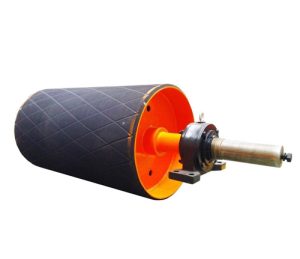
A Heat Resistant Conveyor Belt is a rubber conveyor belt built to carry hot bulk materials without the cover hardening, cracking, or separating from the carcass too early. It is also called a high temperature conveyor belt, and the two names describe the same product. The belt still runs on a conventional conveyor structure, turning over a drive pulley, a tail pulley, and bend pulleys, with idler rollers supporting the carrying and return sides. What changes is the rubber compound and the carcass construction, which are chosen to survive heat that would destroy a standard belt.
Cement plants, steel plants, power plants, and sinter or coke handling lines are typical users. In these plants, clinker, sinter, ash, and hot castings leave the process at temperatures well above ambient, and the belt is often the first flexible transport item in the chain. A heat resistant conveyor belt keeps that flow moving where a general-purpose rubber belt would fail.
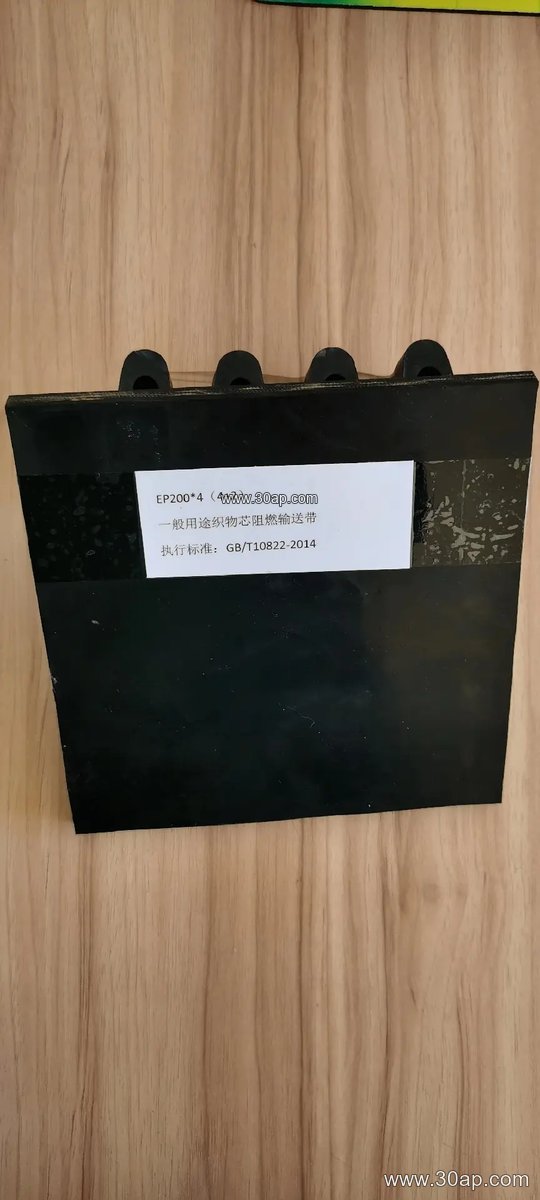
How the Belt Is Built
The construction has three main parts: the top cover, the carcass, and the bottom cover. For heat duty, the top cover is usually a rubber compound with heat-resistant fillers and a carefully selected polymer base. It resists hardening and surface cracking, and it can release hot material without sticking. The carcass carries the tension load and is normally a fabric core or a steel cord core.
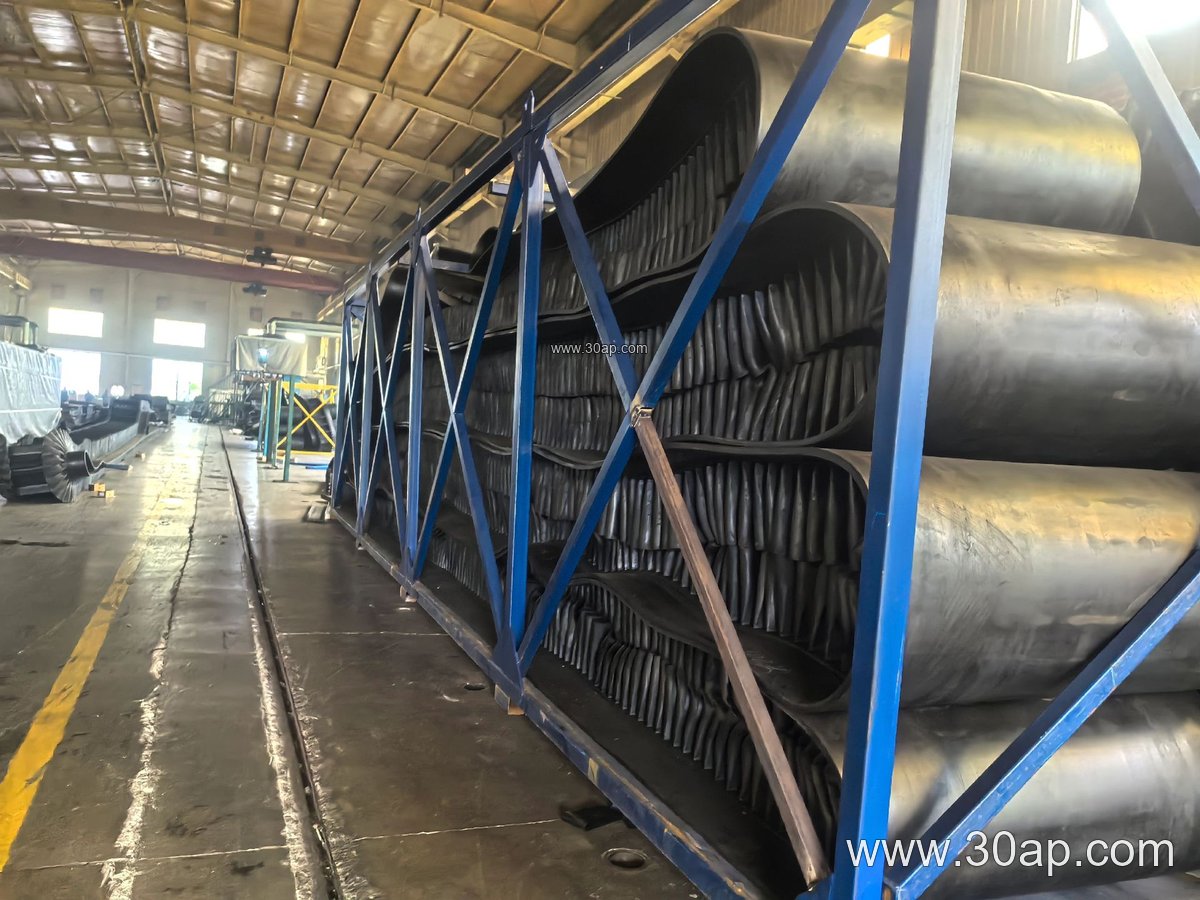
Fabric carcasses are common in medium-duty hot material lines. An EP conveyor belt (polyester-nylon) or an NN conveyor belt (nylon-nylon) can be built with a heat-resistant cover, and a multi-ply fabric core gives good troughability on long idler spans. For very high tension or long center distances, a steel cord conveyor belt may be chosen, again with a heat-resistant cover. The bottom cover is often a thinner, tougher compound that runs against the return idlers.
Heat resistance is not one grade. Suppliers usually separate grades for moderate heat, high heat, and very high surface temperature, and some belts add a heat barrier layer or a special edge compound. Buyers should ask for the temperature class, the maximum continuous material temperature, and the peak temperature and duration the belt can tolerate.
Typical Construction Data
The following values are reference examples, not fixed specifications. Actual values are confirmed by the belt designer and the supplier.
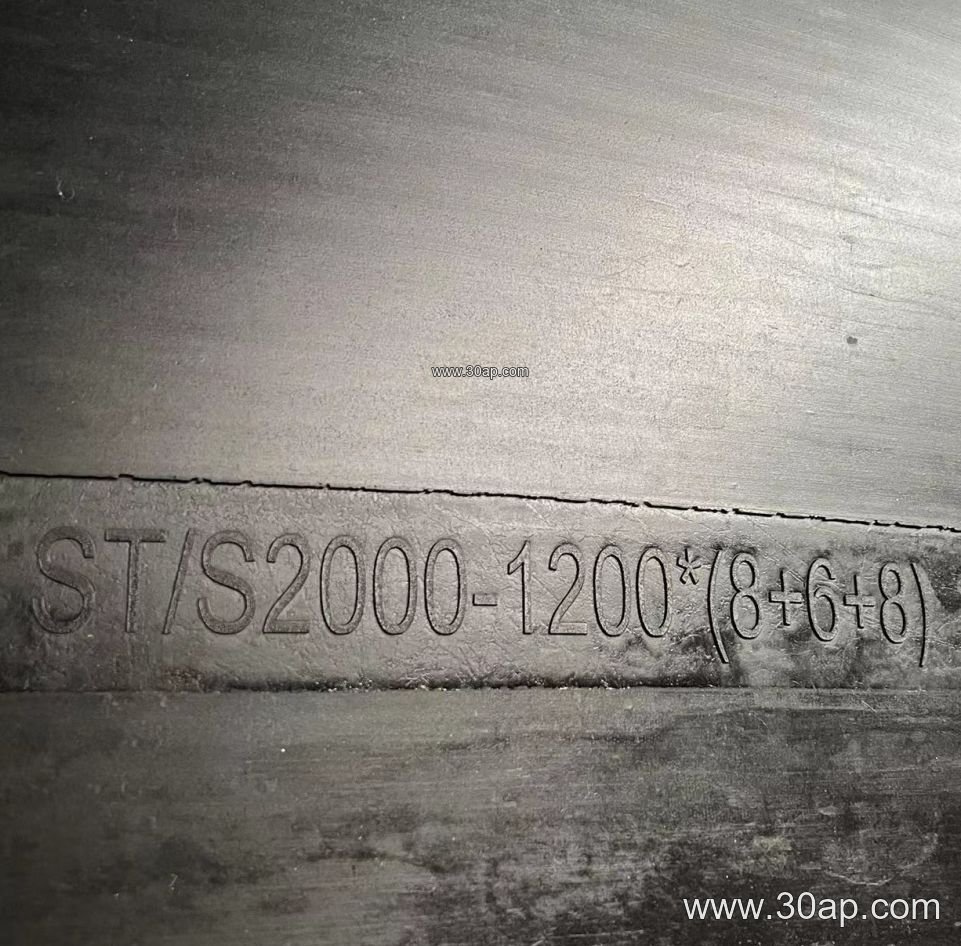
| Item | Common reference values |
|---|---|
| Strength series (EP) | EP200, EP315, EP400, EP500, EP630, EP800, EP1000, EP1250 |
| Belt width | B500, B650, B800, B1000, B1200, B1400, B1600, B1800 |
| Top cover / bottom cover | 4+2 mm, 5+2 mm, 6+2 mm, 8+3 mm |
| Carcass plies | Usually 2 to 6 plies for fabric core |
| Core options | EP fabric core, NN fabric core, steel cord |
Width and pulley diameter are matched by belt tension and pulley loading, not by a single rule. A wider belt does not automatically require one fixed pulley size, and shaft diameter is set by the conveyor design. The drive pulley, tail pulley, and bend pulleys each have their own duty in the same system.
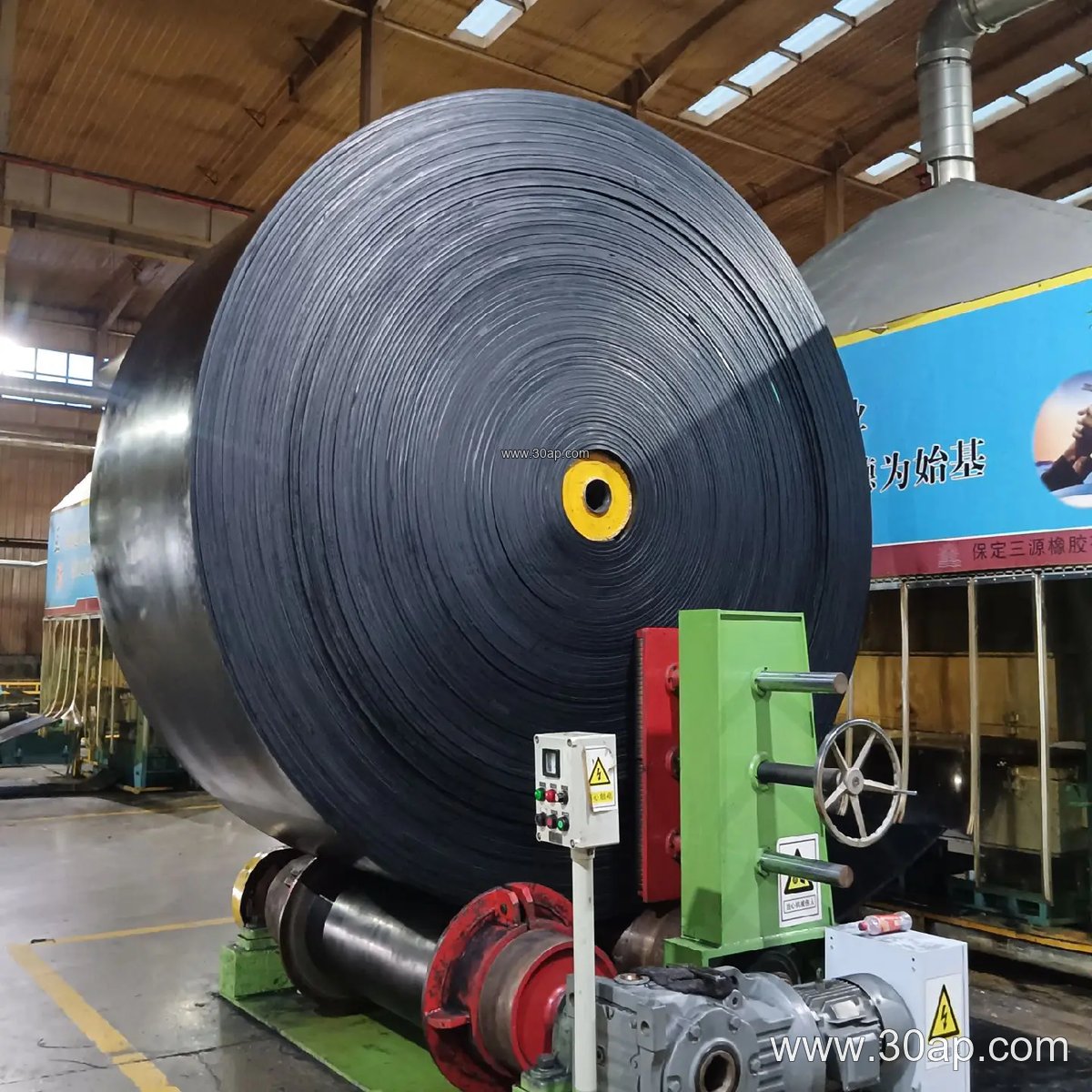
Where It Fits in the Plant
In a cement plant, a heat resistant belt often handles clinker from the cooler to the storage silo. In a power plant, it may carry hot ash or slag. In a steel plant, sinter and coke lines are common. A quarry or sand making plant usually needs abrasion resistance more than heat resistance, so a high abrasion resistant conveyor belt is the better match there; the two duties are different and should not be swapped.
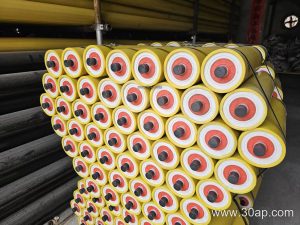
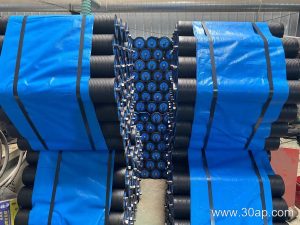
The belt does not work alone. Idler rollers must be rated for the same temperature, and the conveyor pulley lagging and bearings should also suit the heat. A conveyor bracket or frame near a hot discharge point may need heat shielding so that radiant heat does not attack the belt edge. If the line also handles coal dust, a flame retardant conveyor belt or fire resistant conveyor belt grade may be required by the site, but that is a separate property from heat resistance.
Buyer Checklist
- State the material type, the normal temperature, and the peak temperature with its duration.
- Give the required strength, belt width, and cover thickness, and confirm the ply count with the supplier.
- Confirm that idler rollers, pulleys, and lagging are rated for the same heat.
- Check whether the site also needs oil resistance, flame resistance, or anti-static properties.
- Ask how the belt should be stored and spliced, since hot-duty covers can need a specific splice method.
During operation, watch the belt surface for hardening, small cracks, and edge separation. Keep the discharge point clear so hot material does not sit on one spot, and check that the belt tracks correctly on the tail pulley and bend pulleys. A heat resistant conveyor belt that is correctly matched to the temperature and the conveyor hardware gives long, stable service in the toughest hot-material lines.