What a Port Conveyor Pulley Does
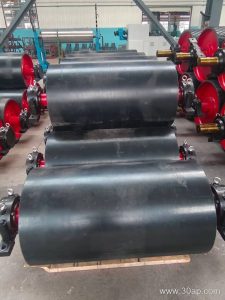
A port conveyor pulley is the cylindrical component that drives or redirects the belt in bulk material handling systems at ports. Unlike a standard conveyor pulley used in a factory, port units often face salt air, heavy dust, continuous duty, and large tonnages. The pulley transmits torque from the drive unit to the conveyor belt, while tail and bend pulleys maintain tension and change belt direction. Drive, tail, and bend pulleys are not interchangeable names—each has a distinct role and design.
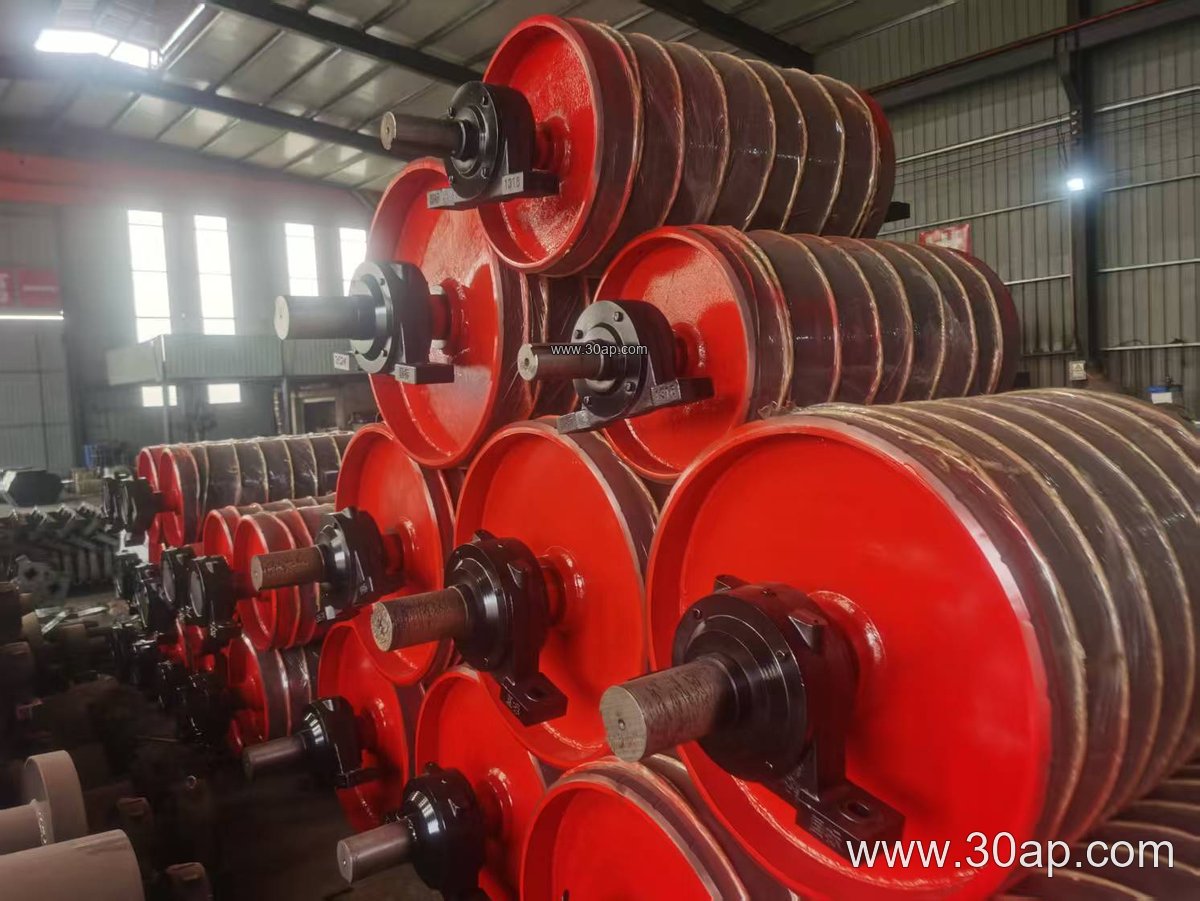
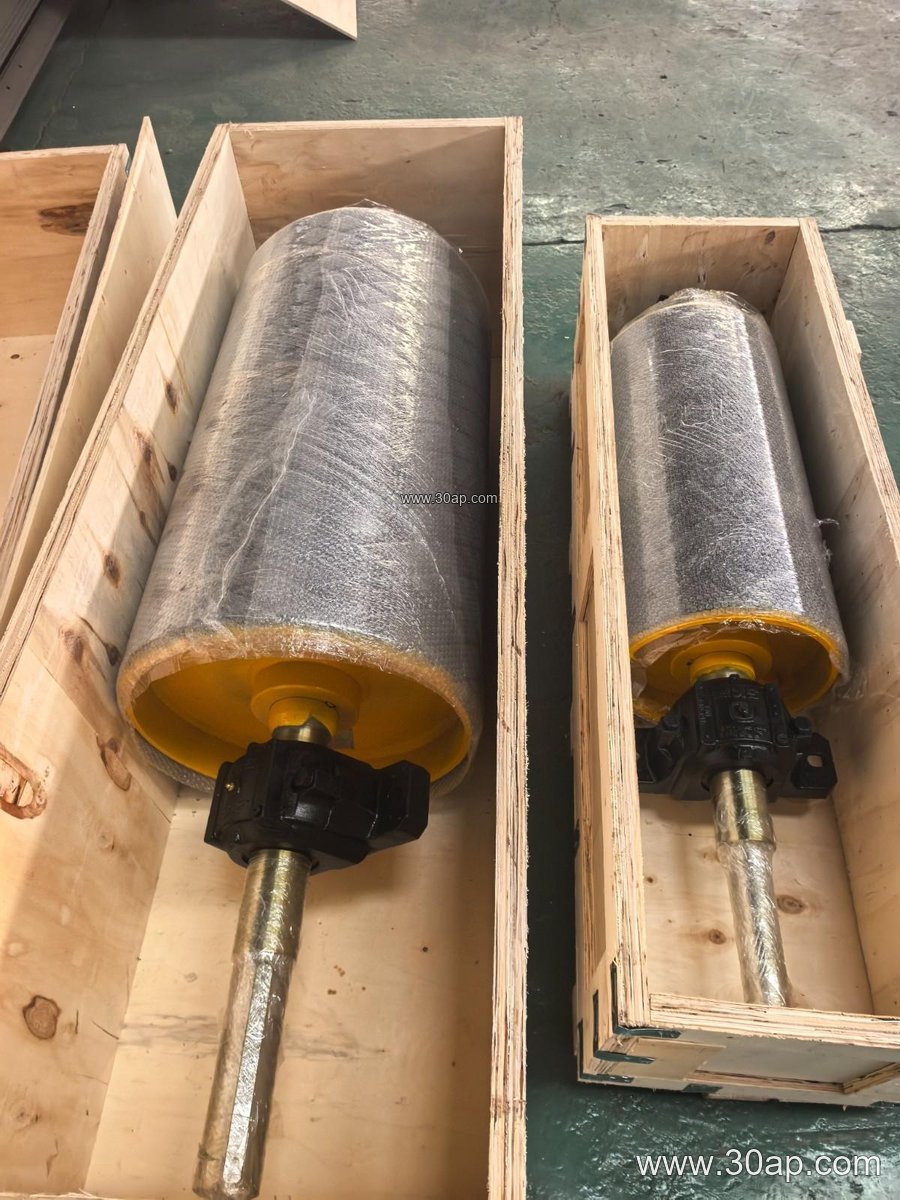
Construction and Surface Options
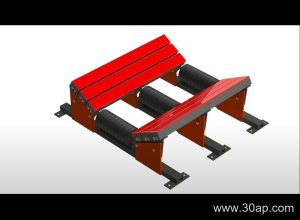
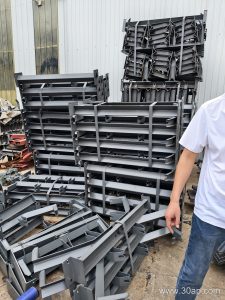
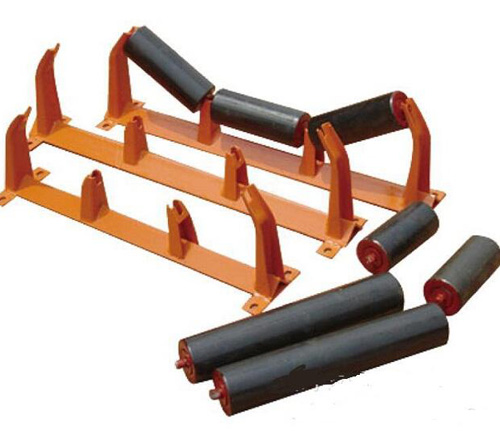
Most port conveyor pulleys use a welded steel shell with shafts, hubs, and bearing housings. The shell may be plain (光面) or lagged for grip. Common lagging types include cast rubber, cold-bonded rubber, hot-vulcanized rubber, diamond grooving, herringbone grooving, and ceramic lagging. Lagging thickness is often 8, 10, 12, 15, or 20 mm, chosen by belt tension and environmental conditions. For abrasive port cargo like iron ore or coal, diamond or ceramic lagging helps reduce slip. A conveyor bracket and idler roller support the belt along the route, but the pulley remains the key power and direction component.
Typical Applications in Port Environments
Port conveyor pulleys appear in ship loading and unloading systems, stockyard conveyors, and transfer towers. They are common in bulk terminals handling coal, iron ore, fertilizer, grain, and aggregates. In a port setting, a drive pulley at the head end pulls the belt, while a tail pulley at the loading point keeps tension. Bend pulleys guide the belt around take-up systems. Because port conveyors often run wide belts—B1200, B1400, B1600, B1800, B2000, or B2400—the pulley diameter and shaft size must be matched to the actual torque and load, not simply to belt width.
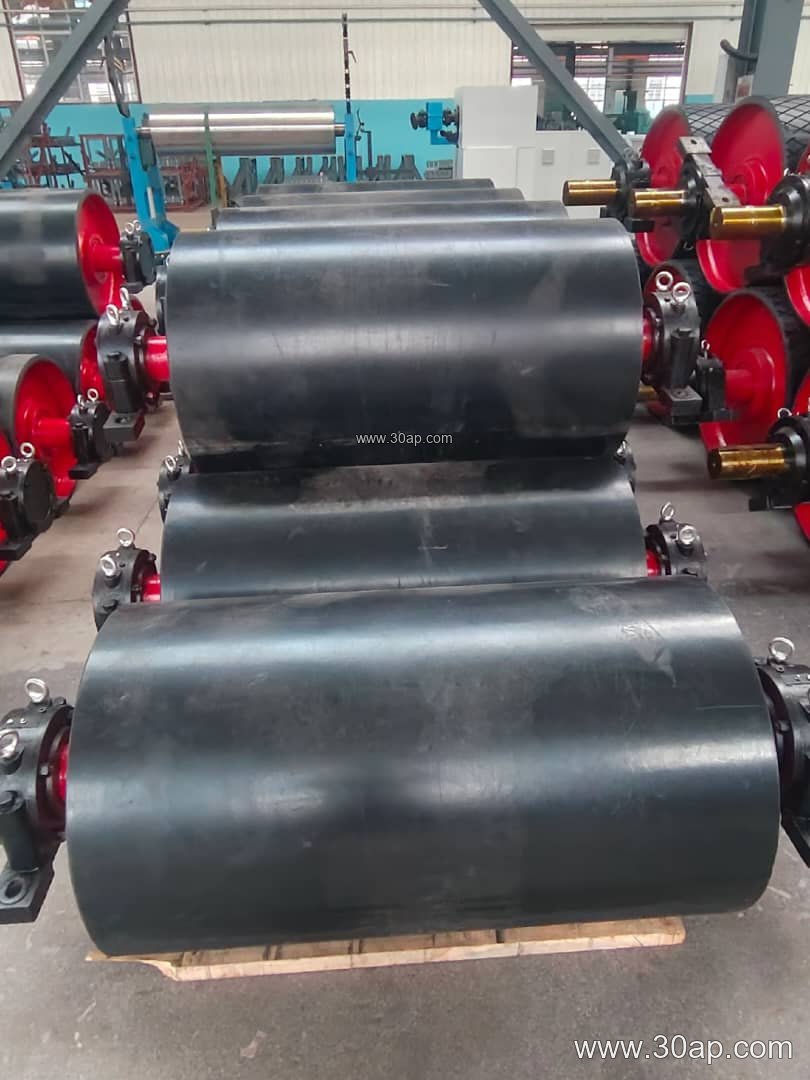
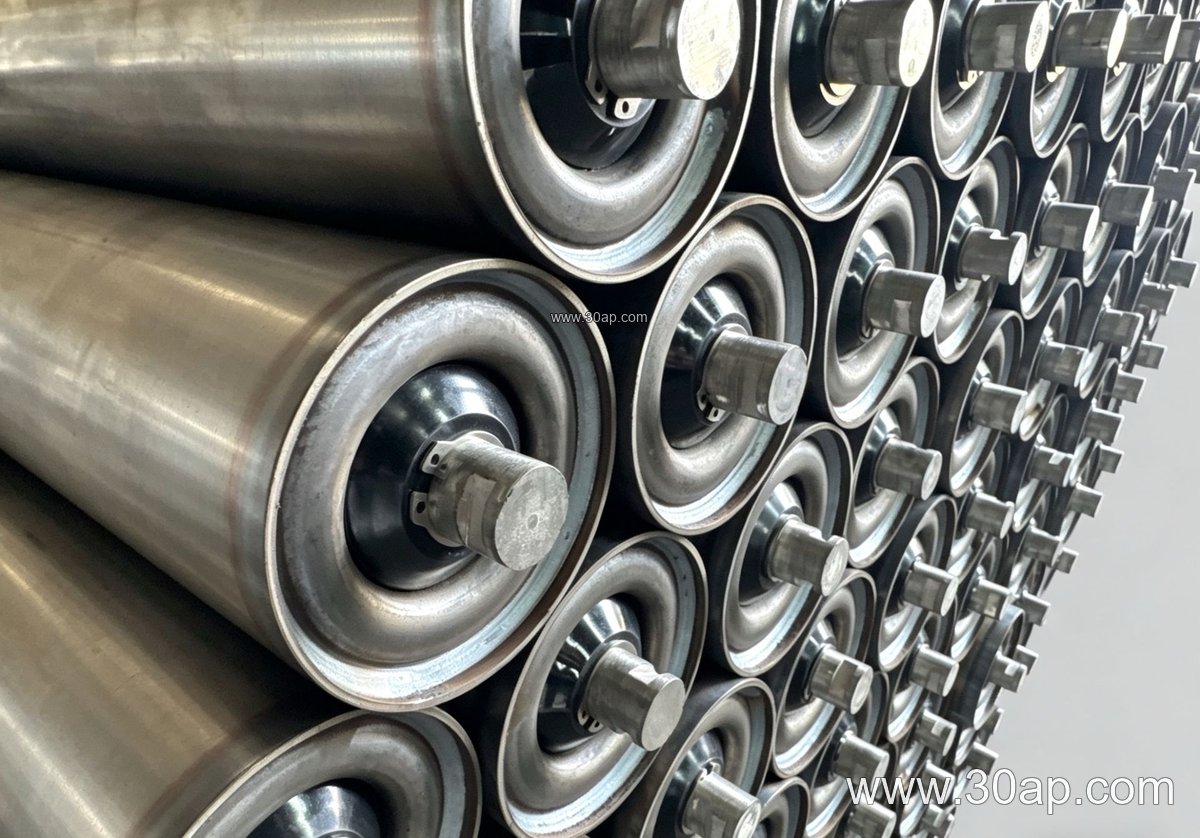
Matching Belt Width and Pulley Dimensions
Pulley face width is usually wider than the belt. For example, a B800 belt often uses a pulley face around 950 mm, and a B1200 belt may use a face near 1400 mm. Diameters commonly range from Ø200 to Ø1800 depending on the application. A B1200 × Ø1000 or B1400 × Ø800 combination is possible, but no single belt width forces one specific diameter. Shaft diameters such as Ø80, Ø100, Ø120, Ø140, or Ø160 are determined by torque and bearing loads, not by belt width alone. The table below shows reference examples, not universal supply promises.
| Belt Width | Typical Pulley Face | Common Diameter Range | Common Shaft Diameter |
|---|---|---|---|
| B800 | ~950 mm | Ø400–Ø800 | Ø80–Ø120 |
| B1000 | ~1150 mm | Ø500–Ø1000 | Ø100–Ø140 |
| B1200 | ~1400 mm | Ø630–Ø1250 | Ø120–Ø160 |
| B1400 | ~1600 mm | Ø800–Ø1400 | Ø140–Ø180 |
| B1600 | ~1800 mm | Ø1000–Ø1600 | Ø160–Ø200 |
| B1800 | ~2000 mm | Ø1250–Ø1800 | Ø180–Ø200 |
Buyer Checklist
- Confirm the pulley role: drive, tail, bend, take-up, or snub. These are not interchangeable.
- Specify belt width and actual operating tension so the supplier can size the shaft and bearings.
- Choose lagging based on cargo: abrasive ore may need ceramic or diamond lagging; oily cargo may need oil-resistant rubber.
- Consider the port environment—salt air and dust affect bearing seals and surface finish.
- Ask for the pulley face width, diameter, shaft diameter, and lagging thickness as separate data points.
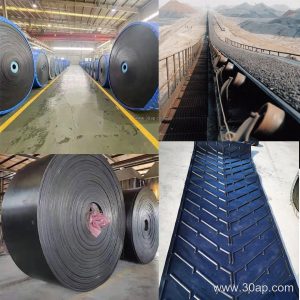
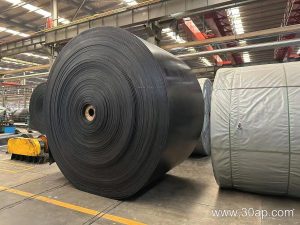
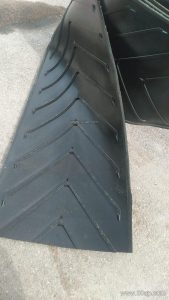
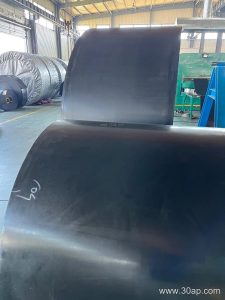
For port conveyors that also use a steel cord conveyor belt or a heavy-duty fabric belt, the pulley must be rated for the higher tension. A rubber conveyor belt with abrasive material may wear the lagging faster, so inspection intervals should be planned. In coal and ore terminals, a flame retardant conveyor belt may be required, but the pulley selection still focuses on torque, grip, and bearing life. Maintenance teams should check lagging wear, shaft alignment, and bearing temperature regularly. The port conveyor pulley is a long-life component, but its performance depends on correct sizing and matching with the belt, idler roller, and conveyor bracket system.