What a Coal Mining Conveyor Belt Does
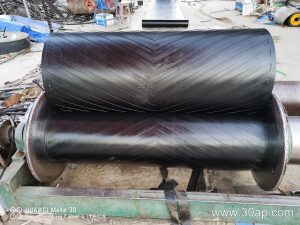
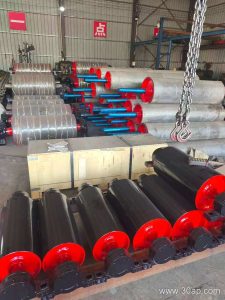
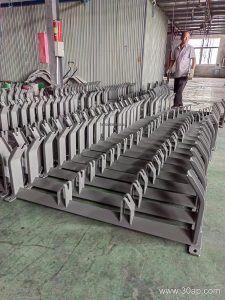
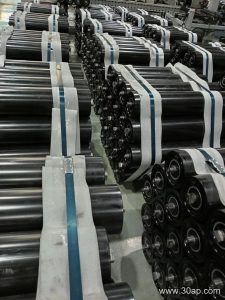
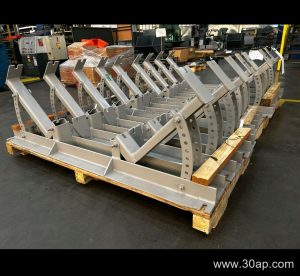
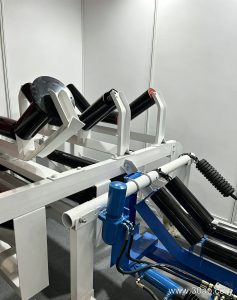
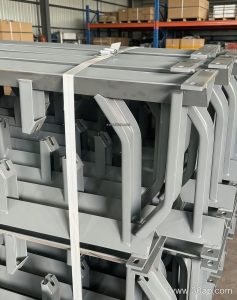
A coal mining conveyor belt is the moving wear surface of a continuous haulage system. It carries run-of-mine coal, washed product, or blended stock from a face, crusher, or stockpile to a transfer point, loading station, or preparation plant. In practice, the belt is only one part of the circuit: idler roller frames support the load, a conveyor pulley at the head and tail turns the loop, and a conveyor bracket keeps the structure aligned. When the belt, rollers, and pulleys are matched to the duty, the whole line runs with fewer stoppages.
The same product is also called a coal conveyor belt or a mining conveyor belt. These are accurate equivalents for the same item, not different products. A flame retardant conveyor belt and a fire resistant conveyor belt are commonly specified for coal because the material and the environment both demand it.
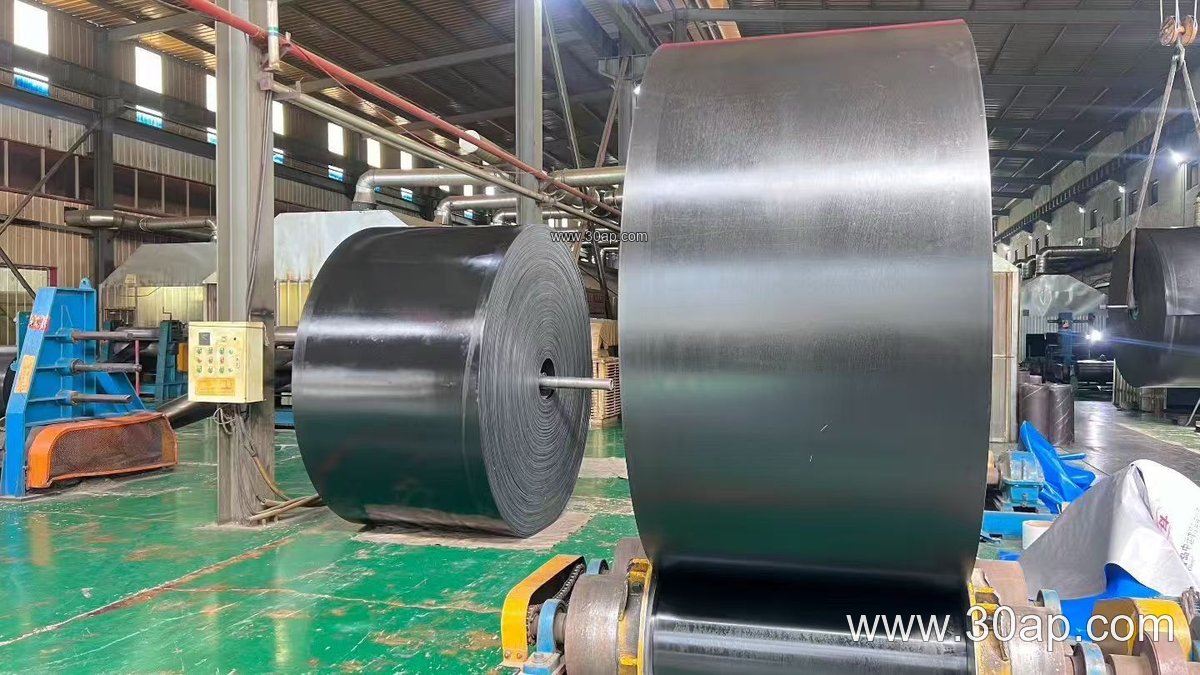
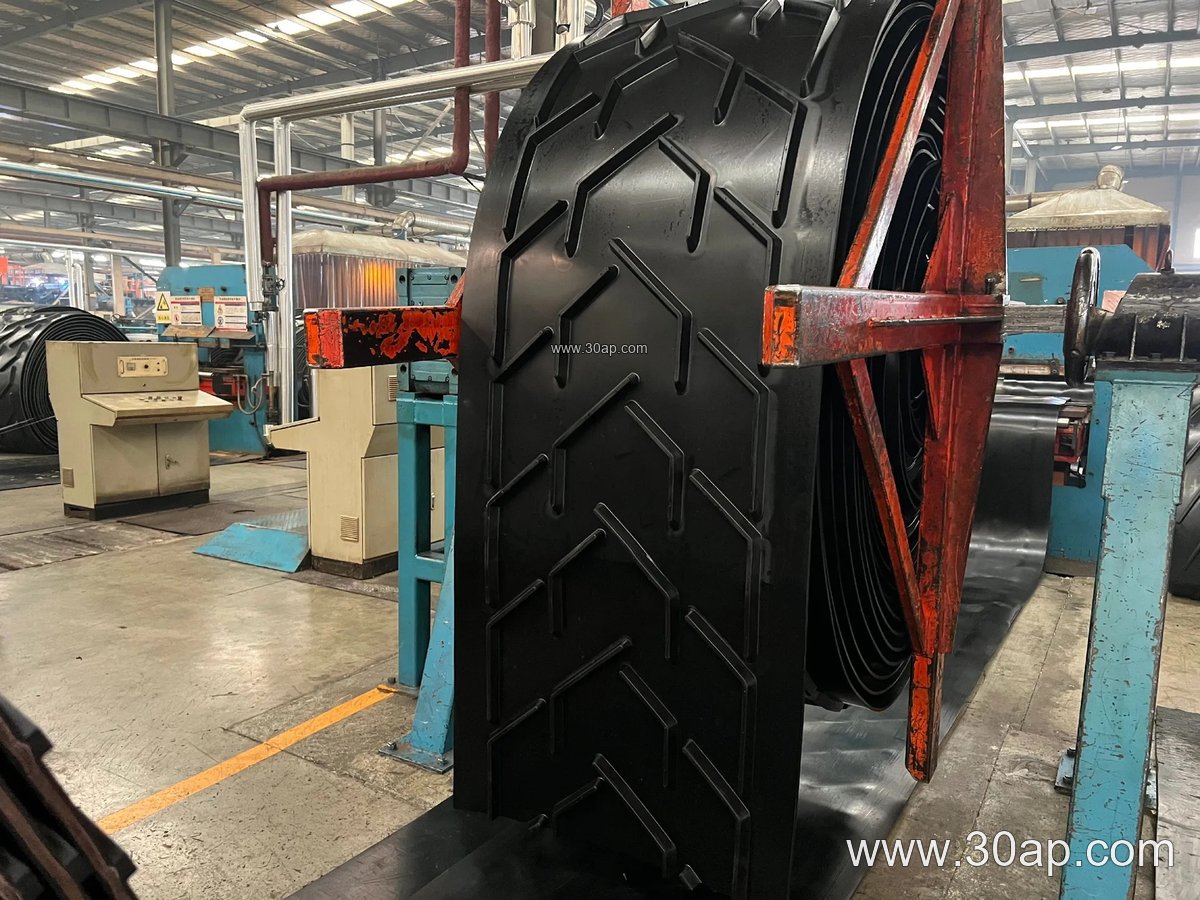
Construction and Common Constructions
Most coal haulage belts use a fabric core or a steel cord core. Fabric constructions include EP conveyor belt (polyester-cotton), NN conveyor belt (nylon-nylon), and multi-ply fabric core conveyor belt built from two to six plies. A steel cord conveyor belt uses brass-plated wires for long center distances and high tension. A PVG conveyor belt, with a polyvinyl chloride cover, is frequently chosen for underground coal mining conveyor belt duties, while a rubber conveyor belt remains the general choice for surface yards and preparation plants.
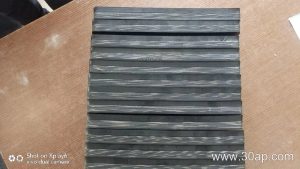
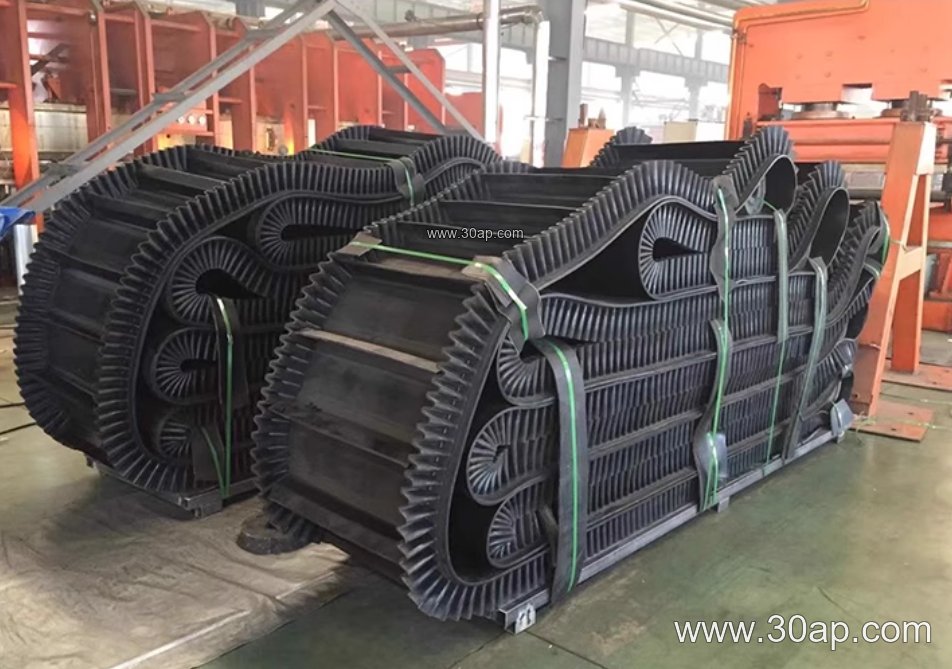
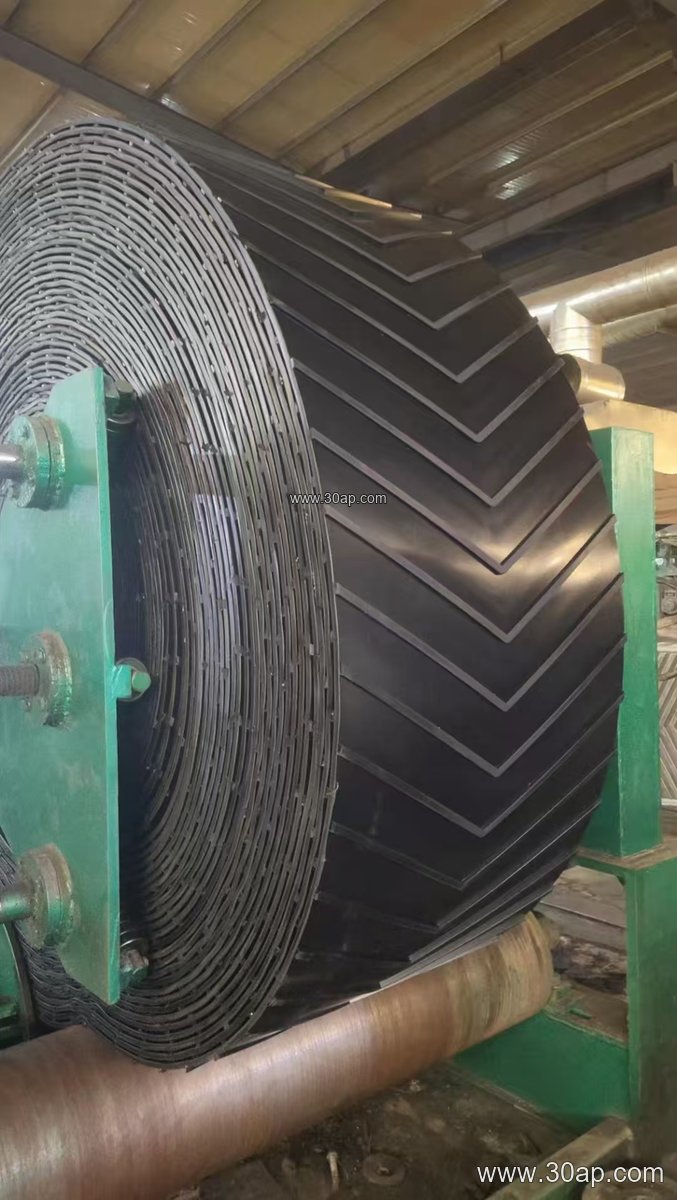
Cover compound and thickness follow the duty. Common cover gauges include 3+1.5 mm, 4+2 mm, 5+2 mm, 6+2 mm, and 8+3 mm. An abrasion resistant conveyor belt handles sharp coal and rock, a heat resistant conveyor belt suits hot product or nearby heat sources, and an oil resistant conveyor belt is used where lubricants or oily coal are present. Anti-static conveyor belt and cold resistant conveyor belt grades are also available for specific conditions. Edge profiles such as chevron conveyor belt, skirted conveyor belt, and corrugated sidewall conveyor belt help retain material on inclines.
Reference Dimensions and Strength Grades
The tables below list common reference values. They are starting points for discussion, not fixed rules, and final dimensions are confirmed by the conveyor design. Belt width and pulley diameter are separate decisions; a given width does not lock the machine to one pulley size.
| Parameter | Common reference values |
|---|---|
| Belt width | B500, B650, B800, B1000, B1200, B1400, B1600, B1800, B2000 |
| EP strength grades | EP200, EP315, EP400, EP500, EP630, EP800, EP1000, EP1250, EP1600, EP2000 |
| Steel cord grades | ST1000, ST1250, ST1600, ST2000, ST2500, ST3150 |
| Cover thickness | 3+1.5 mm, 4+2 mm, 5+2 mm, 6+2 mm, 8+3 mm |
| Fabric plies | 2 to 6 plies, by design |
For example, an EP1000 1200mm conveyor belt may be quoted for a main trunk line, while an EP1250 1800mm conveyor belt suits a wider, higher-tonnage surface route. A PVG800S conveyor belt is a frequent reference in underground work. None of these is mandatory for every mine.
Where It Fits in the Plant
Coal is not the only user. The same family of belts appears in cement plants, power plants, steel plants, quarries, sand making plants, stone crushing lines, ports, ship loading systems, and recycling facilities. A quarry conveyor belt or aggregate conveyor belt moves crushed stone; a crusher conveyor belt links the primary crusher to the screen deck; an ore conveyor belt serves iron ore, copper ore, and gold mining conveyor belt circuits. Bulk material conveyor belt designs are chosen by lump size, moisture, slope, and throughput.
Selection and Maintenance Notes
- Match the belt grade to the actual duty, not to the widest available option. A heavy-duty mining conveyor belt is not automatically the right answer for a short transfer.
- Check that the conveyor pulley, idler roller set, and conveyor bracket are rated for the belt tension and load. Drive, tail, and bend pulleys each have a distinct role.
- Confirm cover grade for flame retardancy, heat, oil, or abrasion before ordering; underground coal work usually calls for flame retardant and anti-static properties together.
- Review splice type, troughability, and minimum pulley diameter with the belt maker, since these affect belt life more than a single strength number.
- Inspect tracking, edge wear, and cover condition on a regular schedule; small corrections at the idlers prevent costly belt damage.
Buyers should request a data sheet showing core type, ply count, cover thickness, strength grade, and width. Rely on the design engineer to confirm site conditions, and treat published sizes as reference data rather than a supply promise.