What the Industrial Conveyor Pulley Does on a Belt System
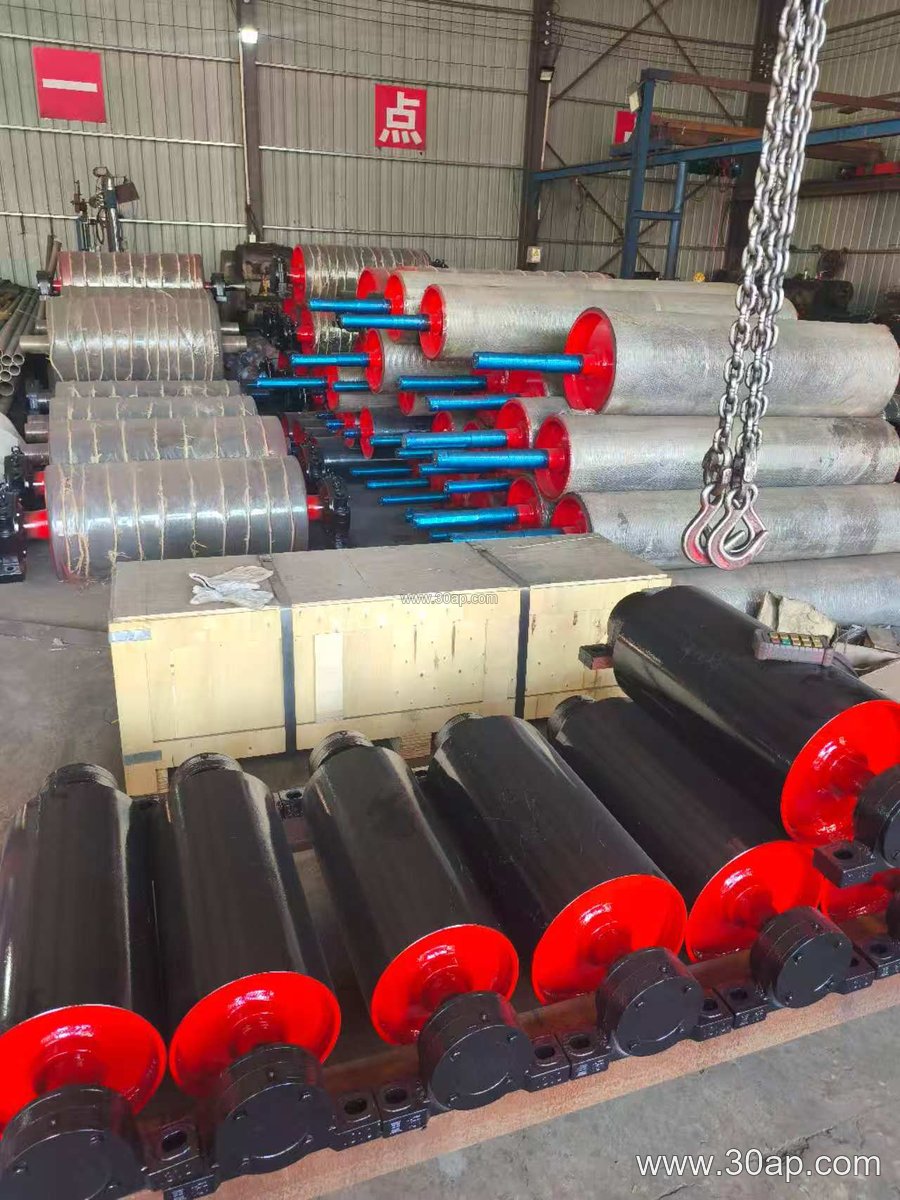
The industrial conveyor pulley is the rotating drum that transmits power, changes belt direction, or maintains tension on a bulk material handling line. In a quarry or cement plant, you will usually find several of them working together: a drive pulley at the head end, a tail pulley at the loading point, and one or more bend pulleys guiding the belt through the take-up zone. Each position has a different job, and treating them as interchangeable often leads to premature belt wear or slippage.
Although the names sound similar, a drive pulley and a tail pulley are not the same product. The drive pulley, sometimes called the head or discharge pulley, receives torque from the gearbox and moves the loaded belt forward. The tail pulley is often a plain drum that supports the belt at the feed end. A bend pulley changes direction without driving, and a take-up pulley works with the tensioning device. Understanding these roles is the first step in specifying the right component.
Construction Details That Affect Performance
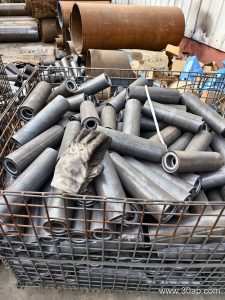
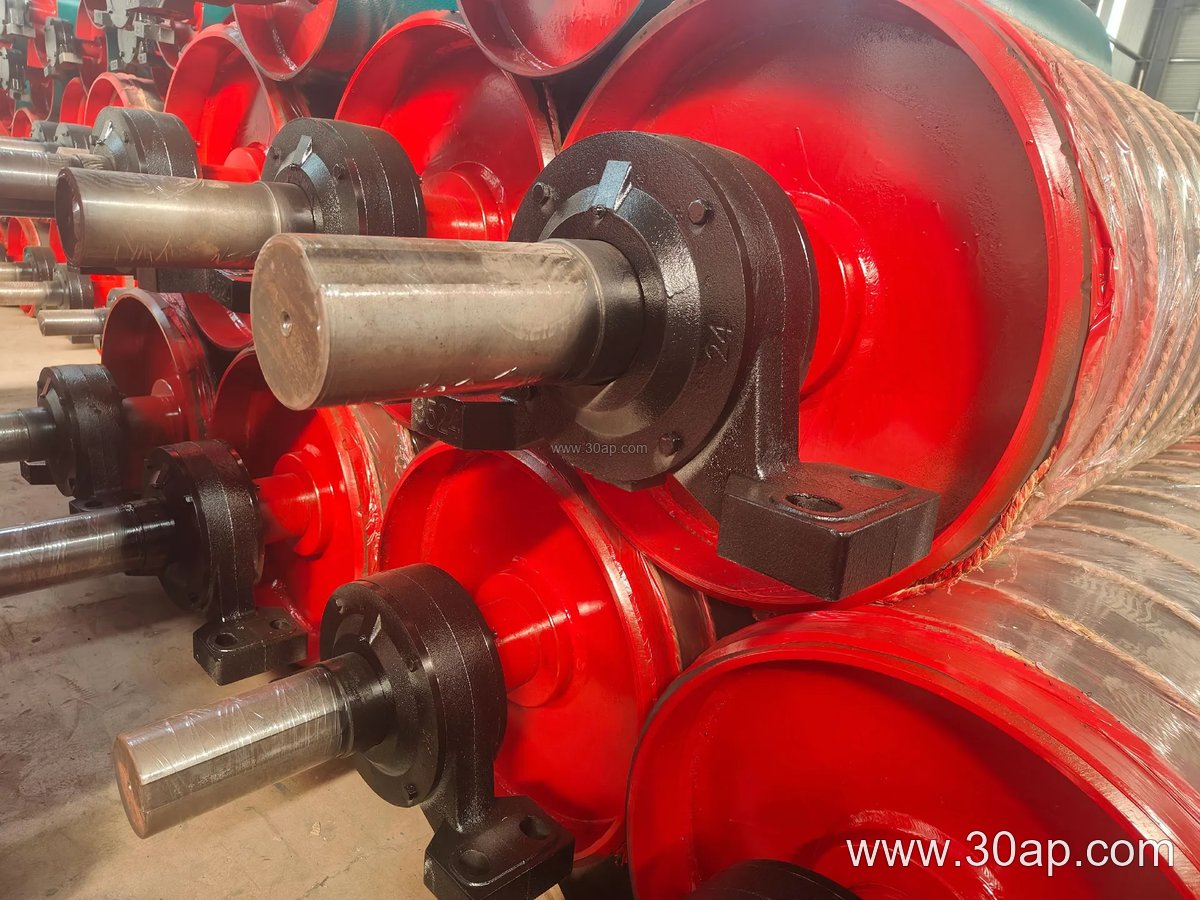
A typical industrial conveyor pulley consists of a cylindrical shell, two end discs, a shaft, and a hub locking assembly. The shell can be seamless steel tube or rolled plate, machined to reduce runout. Shafts are sized by torque and bending load, not by belt width alone. For example, a shaft of Ø120 mm or Ø160 mm may be chosen for a heavy-duty drive position, while a smaller bend pulley might use Ø80 mm or Ø100 mm. The surface may be plain, rubber lagged, or ceramic lagged depending on grip requirements.
Common diameters range from Ø200 mm up to Ø1800 mm, and face widths are usually slightly wider than the belt. A B800 belt typically runs on a pulley face around 950 mm, while a B1400 belt may use a face width near 1600 mm. These are reference values, not fixed rules. The table below shows typical combinations for orientation.
| Belt Width | Typical Pulley Diameter | Typical Face Width | Common Shaft Range |
|---|---|---|---|
| B500 | Ø250–Ø400 | 600 mm | Ø50–Ø80 |
| B800 | Ø400–Ø630 | 950 mm | Ø80–Ø120 |
| B1200 | Ø630–Ø1000 | 1400 mm | Ø100–Ø160 |
| B1600 | Ø800–Ø1250 | 1800 mm | Ø140–Ø200 |
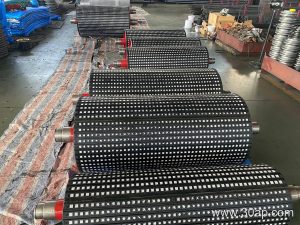
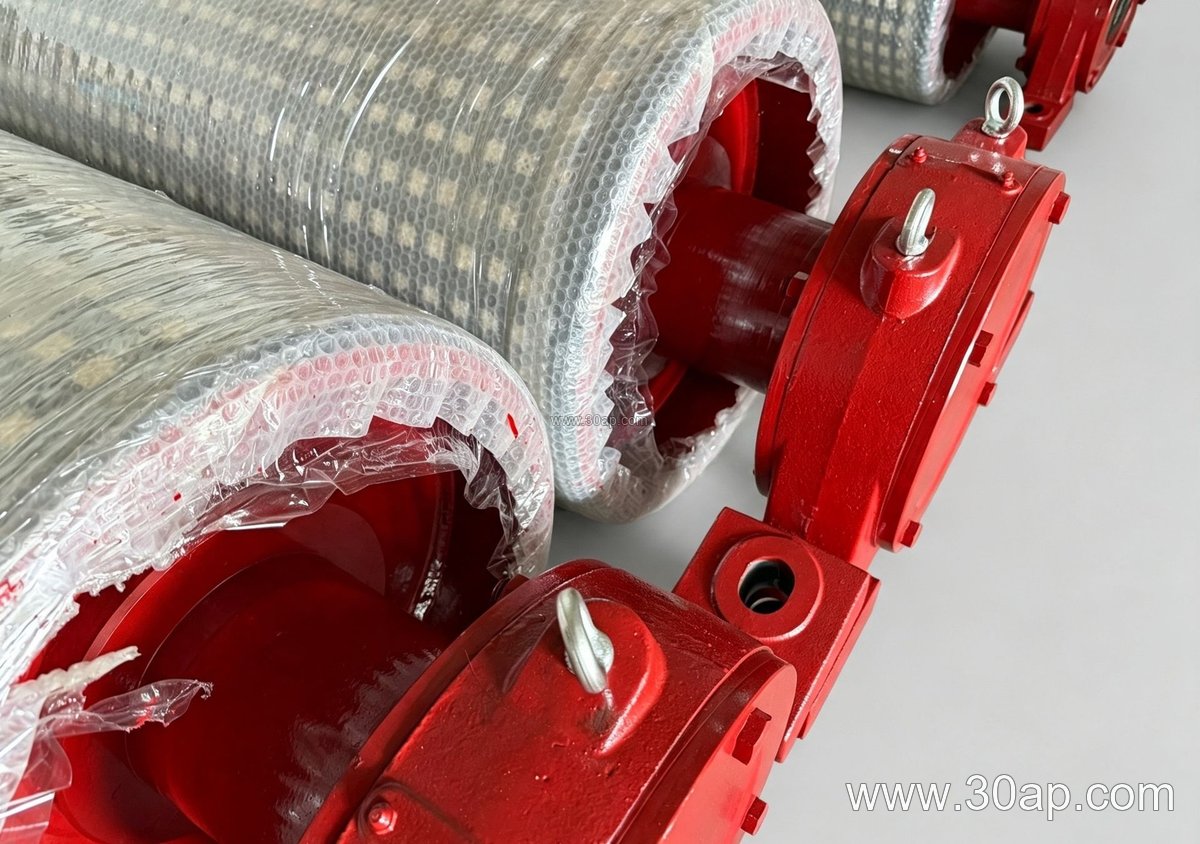
Lagging options include plain, cold-bonded rubber, hot-vulcanized rubber, diamond groove, herringbone, and ceramic. Thickness commonly runs 8 mm, 10 mm, 12 mm, 15 mm, or 20 mm. A ceramic lagging may suit a wet, abrasive limestone or iron ore application, while a diamond pattern can help with tracking on a coal conveyor. The choice depends on load, speed, and environment, not on a single universal rule.
Where These Pulleys Are Used
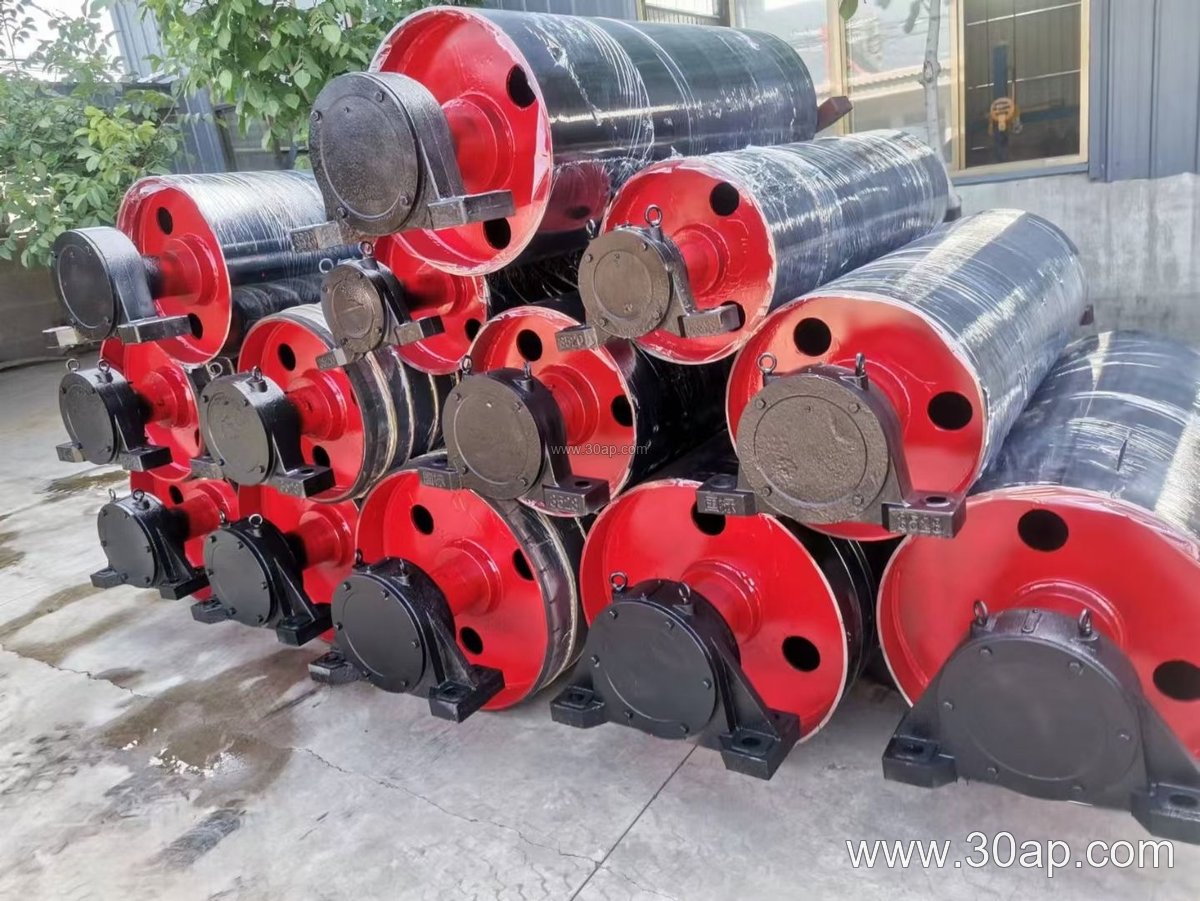
In a sand and gravel plant, the discharge pulley at the head of a screen feed belt often carries high tension and needs a robust lagged surface. In a coal-fired power plant, the tail pulley on a coal handling line may face dust and fines, so a self-cleaning or slightly crowned face can help. Cement plants use bend pulleys around bucket elevators and clinker transport, while port bulk terminals rely on large head pulleys for ship loaders. The same product family appears in tunneling muck removal, fertilizer granulation lines, and grain silo discharge.
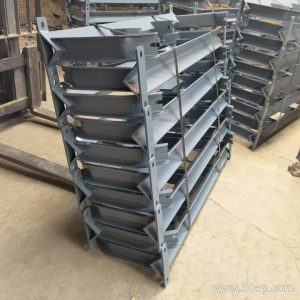
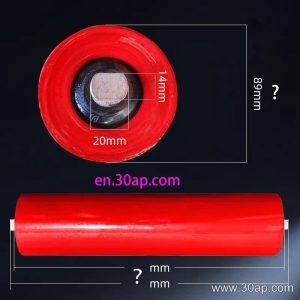
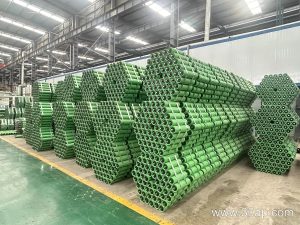
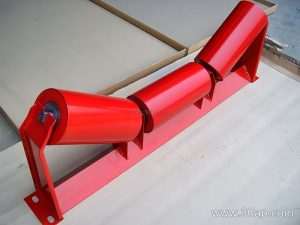
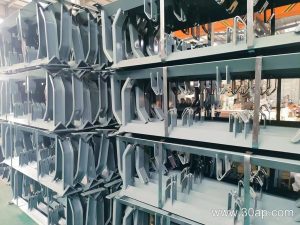
An idler roller supports the belt along the carrying side, but it does not drive or redirect the belt. A conveyor bracket holds those idlers or the pulley itself in alignment. These parts work together, yet the pulley remains the main torque or direction component.
Buyer Checklist for Industrial Conveyor Pulley Orders
- Confirm the function: drive, tail, bend, take-up, or snub. Do not substitute one for another.
- Provide belt width, belt speed, and maximum tension so the shaft and shell can be verified.
- State the required lagging type and thickness if slip or wear is a concern.
- Check the mounting centers and bearing type against the existing conveyor frame.
- Ask for a dimensional drawing showing diameter, face width, shaft extension, and keyway.
Maintenance is straightforward when the pulley is correctly sized. Inspect lagging for glazing or chunking, check for shaft wear at the bearing seats, and verify that the belt tracks centrally. A worn drive pulley can often be re-lagged, while a bent shaft usually means replacement. Keeping spare bend or tail pulleys on site reduces downtime in remote quarry or mine operations. For any project, the final selection should come from the conveyor designer using actual load calculations, not from a generic size chart.