Understanding the Four-Roll Idler Bracket
A four-roll idler bracket is a specialized support structure used in belt conveyor systems to hold four idler rollers in a specific arrangement. Unlike standard three-roll troughing sets, this bracket typically carries two pairs of rolls, often configured to create a deeper trough or to support the belt across a wider span. It is commonly found in applications where material containment and belt stability are critical, such as in mining conveyor belt systems or aggregate handling lines.
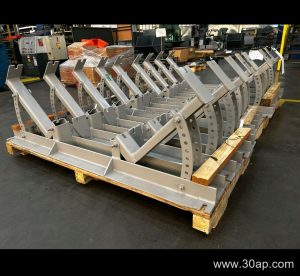
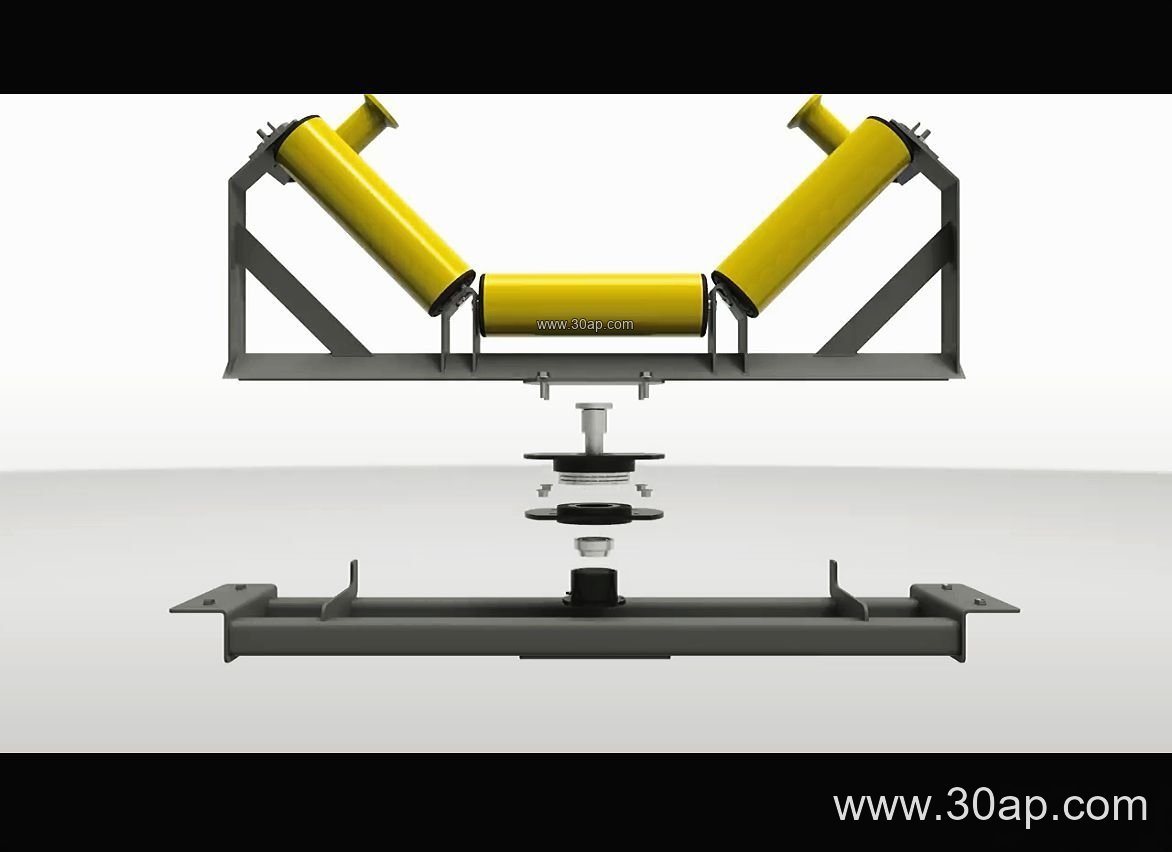
The bracket itself is usually fabricated from formed steel—angle iron, channel, or folded plate—and is designed to maintain precise roll spacing and angles. It works in concert with the idler roller and the conveyor belt to ensure smooth travel and minimal spillage.
Construction and Design Features
A four-roll idler bracket is built to withstand heavy loads and harsh conditions. The frame is typically welded or bolted, with mounting holes that match the conveyor’s stringer spacing. The bracket may be fixed or adjustable, allowing operators to fine-tune the trough angle. Common trough angles for such brackets include 20, 30, 35, and 45 degrees. In some designs, the two outer rolls are set at a steeper angle than the inner rolls, creating a “deep trough” profile that helps center the load.
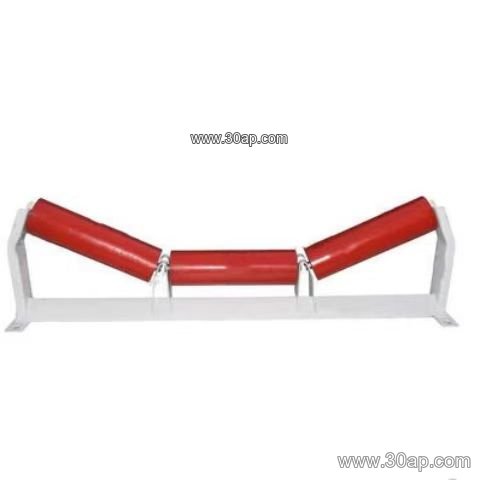
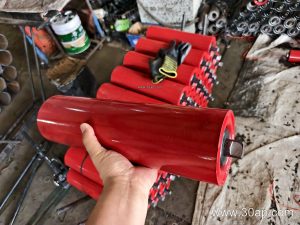
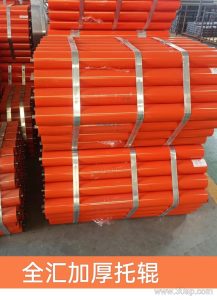
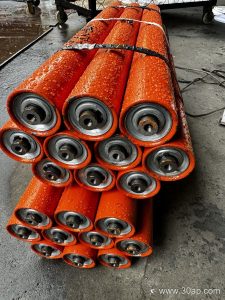
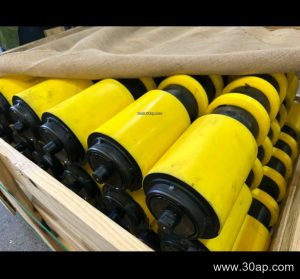
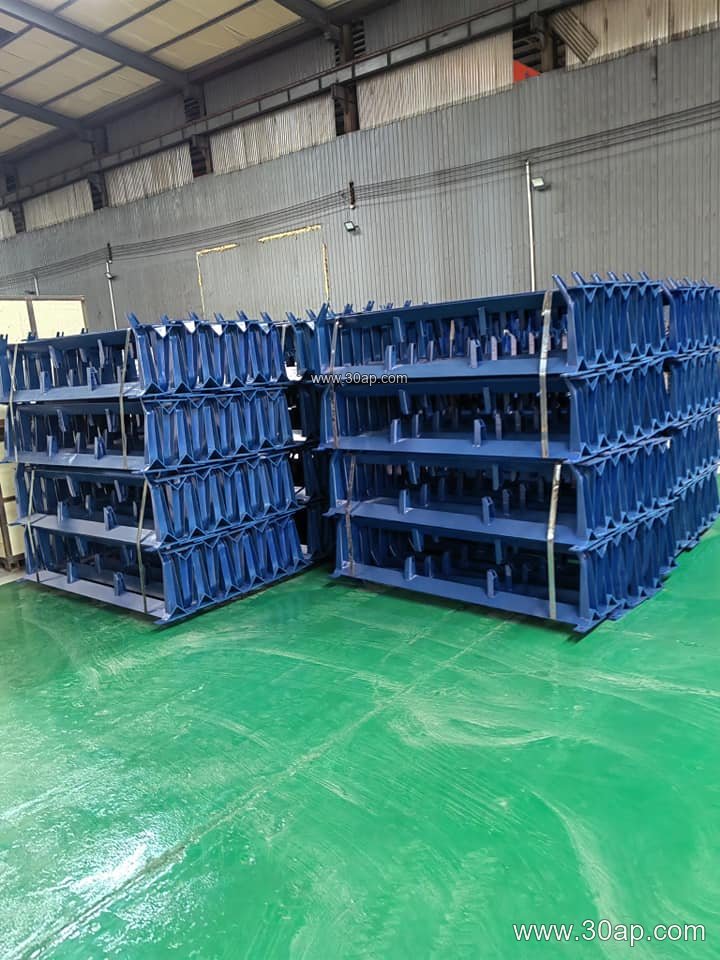
Materials are selected for durability: angle steel or channel steel is common, and surfaces may be painted or galvanized for corrosion resistance. The bracket must align with the idler rolls—typically available in diameters such as Ø89, Ø108, Ø133, Ø159, and Ø194—and accommodate belt widths from B500 up to B2200, depending on the conveyor design.
Where It Is Used
Four-roll idler brackets are often specified in bulk material handling where belt training and spillage control are priorities. You might find them in:
- Coal mining operations, particularly on underground coal mining conveyor belt systems where space is constrained and belt guidance is crucial.
- Quarries and aggregate plants, handling abrasive materials like crushed stone and sand.
- Power plant coal feeding lines, where reliable belt support reduces downtime.
- Cement plants, for transporting clinker and raw meal.
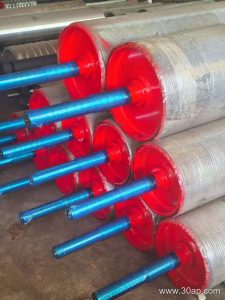
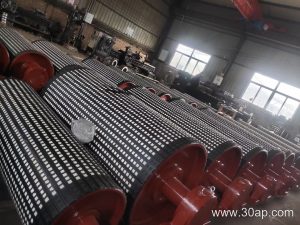
In these environments, the bracket works alongside conveyor pulleys—drive, tail, and bend pulleys—each performing a distinct function. It is important not to confuse these pulley types; a bend pulley, for example, changes belt direction, while a drive pulley transmits power. The four-roll bracket, by contrast, focuses on load support and belt shaping.
Key Selection Considerations
When choosing a four-roll idler bracket, buyers should consider several factors to ensure compatibility and performance:
- Belt width and roll diameter: The bracket must match the belt width and the chosen idler diameter. For instance, a B800 belt might use Ø108 rolls, while a B1200 belt could use Ø133 rolls. However, these are not fixed pairings; the actual combination depends on load and speed.
- Trough angle: The bracket’s angle affects material containment. Adjustable brackets allow changing between 20°, 30°, 35°, and 45° to suit different materials.
- Mounting dimensions: Hole spacing and beam length vary with belt width and trough angle, so always verify against the conveyor’s stringer dimensions.
- Material and coating: For corrosive environments, consider galvanized or painted finishes. In coal mines, flame-retardant properties may be required for components, though the bracket itself is steel.
It is also wise to consider the overall conveyor system: the bracket should integrate seamlessly with the conveyor bracket assemblies and the belt’s tension and training requirements.
Maintenance and Longevity
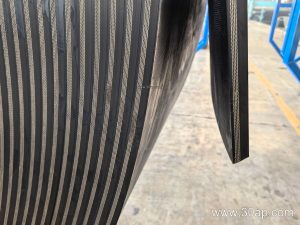
Regular inspection of the four-roll idler bracket is essential to prevent premature wear. Check for loose bolts, bent frames, or corrosion. Since the bracket supports the idler rollers, any misalignment can lead to belt tracking issues and accelerated wear on the rubber conveyor belt. Lubricate moving parts if applicable, and replace damaged brackets promptly.
In dusty or wet conditions, such as in wash plants or ports, brackets may accumulate material; cleaning helps maintain proper roll rotation. Using quality brackets designed for the specific belt width and load will extend service life and reduce maintenance costs.
Conclusion
The four-roll idler bracket is a robust solution for conveyor systems requiring enhanced belt support and material containment. By understanding its construction, applications, and selection criteria, buyers can make informed decisions that improve conveyor reliability and efficiency. Always consult with the conveyor designer to ensure the bracket matches the belt width, roll diameter, and trough angle for your specific application.