What a Carbon Steel Idler Is
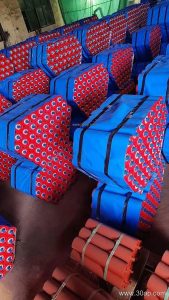
A carbon steel idler is the rotating roller that supports and guides a conveyor belt along its carrying and return runs. The tube is usually made from carbon steel, which gives the roller its stiffness and load capacity while keeping the unit reasonably economical to produce. In many plants the carbon steel idler roller works quietly behind the scenes, carrying the weight of bulk material on a conveyor belt day after day.
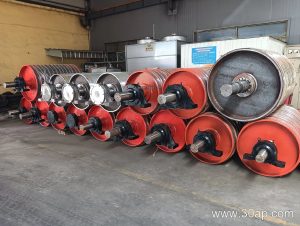
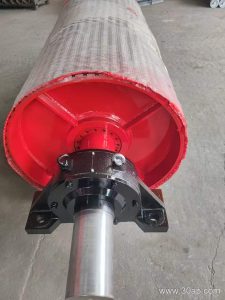
It is distinct from the pulleys at the ends of the machine. Drive, tail and bend pulleys transmit power and change belt direction, and they are not interchangeable with idlers. A carbon steel idler simply rolls under the belt and lets it travel with low friction.
How the Roller Is Built
A typical carbon steel idler consists of a steel tube, a shaft, pressed bearing housings at both ends, and a sealing arrangement to keep dust and water away from the bearings. The tube surface is often machined or coated depending on the duty. Common bearing sizes include 6204, 6205, 6305, 6306, 6308 and 6310, but the bearing choice should follow the load and speed of the application rather than a single fixed rule.
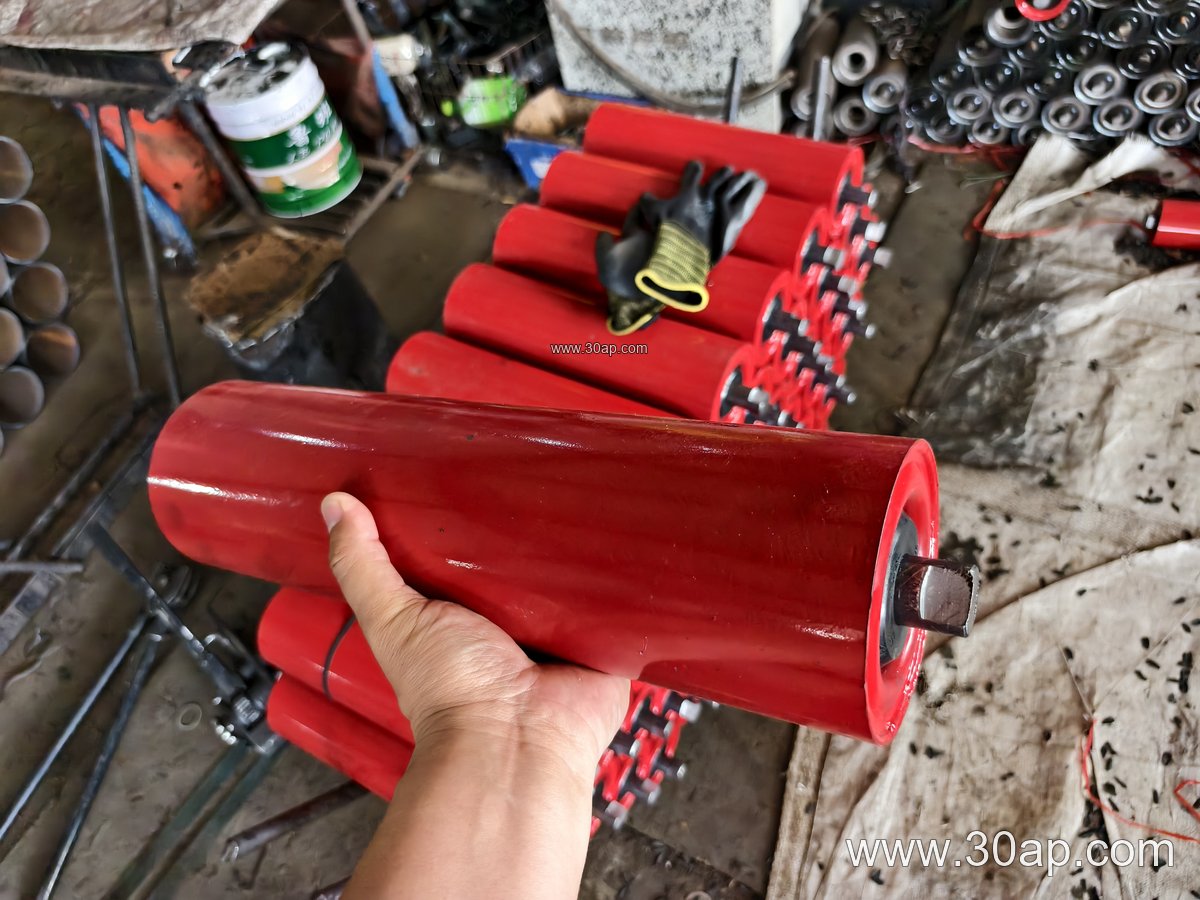
Sealing quality matters as much as tube thickness. In dusty conditions such as a quarry or a coal handling plant, a well-sealed carbon steel idler lasts longer because grit cannot reach the bearing race. Some designs add a rubber cover, nylon sleeve or ceramic surface when the belt is abrasive or the roller tends to build up material.
Common Forms and Where They Sit
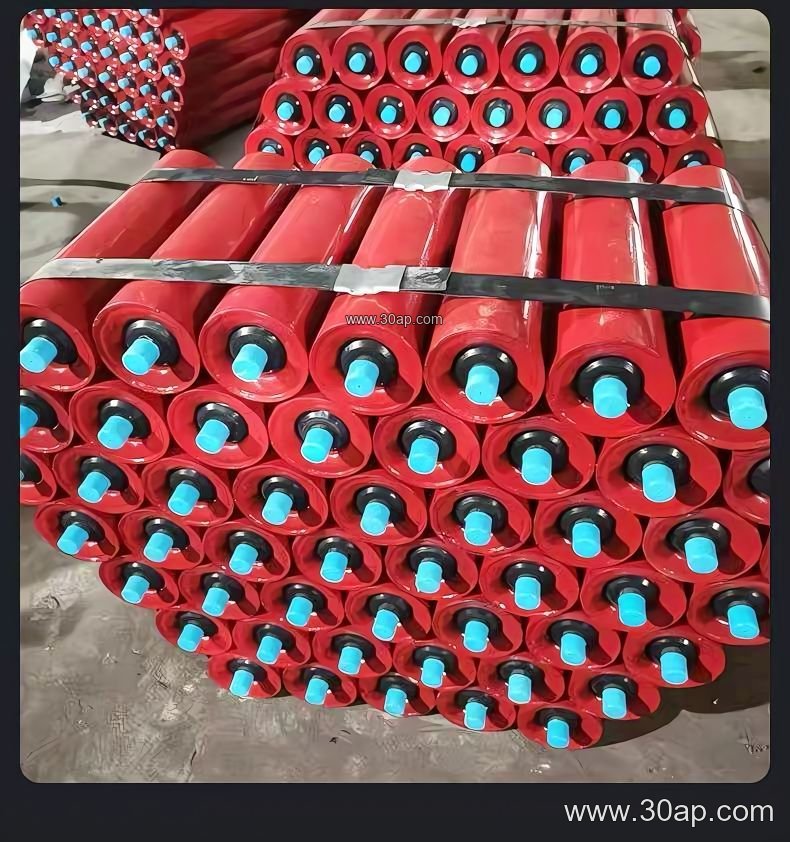
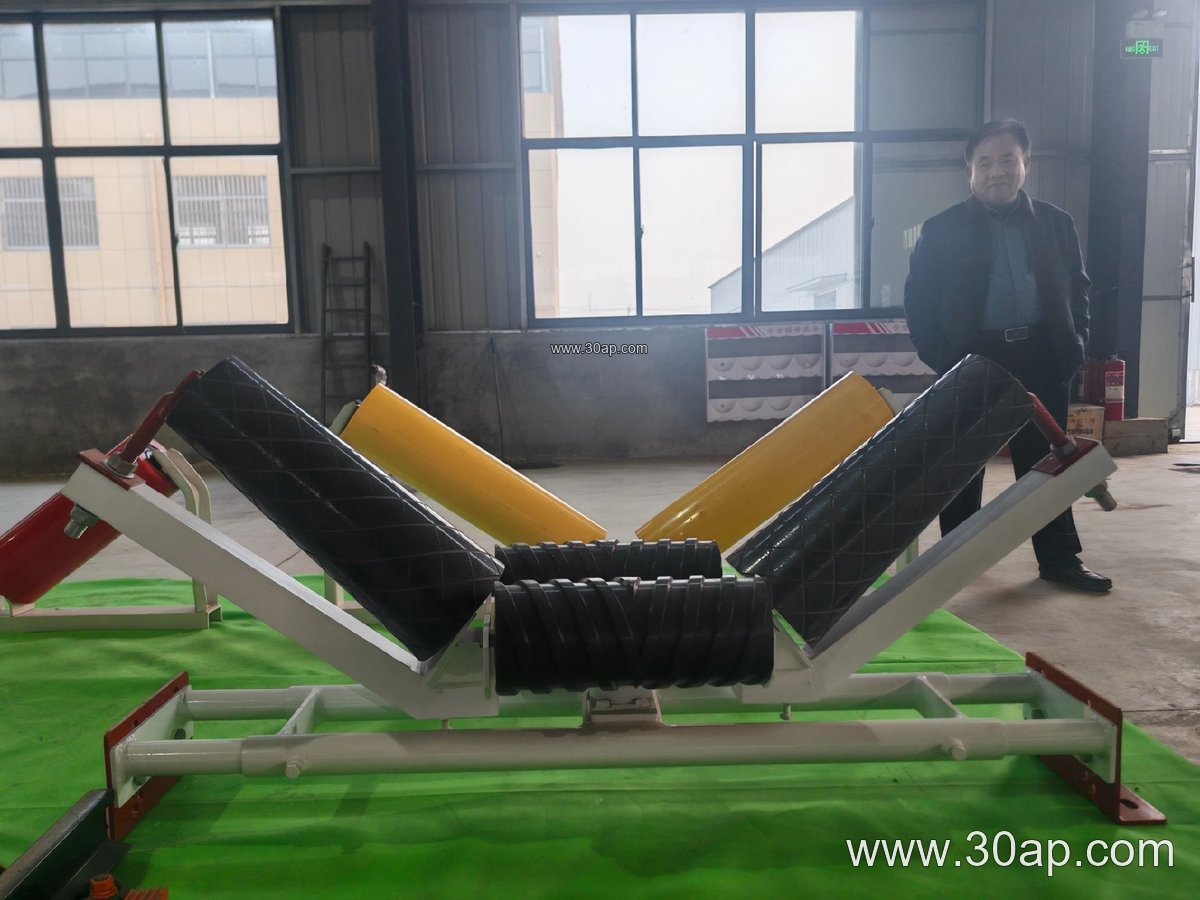
The same carbon steel idler can appear in several arrangements along one conveyor:
- Troughing idlers, often in two- or three-roll sets, shape the belt into a trough so bulk material stays centered.
- Impact idlers or rubber-ring impact idlers sit under the loading point to absorb the shock of falling rock or ore.
- Return idlers, including flat and V-type return rolls, support the empty belt on its way back.
- Self-aligning idlers help correct belt tracking on long runs.
- Spiral or comb idlers are used where sticky material tends to cling to the roller.
Trough angles are commonly 20, 30, 35 or 45 degrees. A slight forward tilt of about 1.5 to 2 degrees is sometimes used on training idlers to encourage the belt to stay on track.
Typical Working Environments
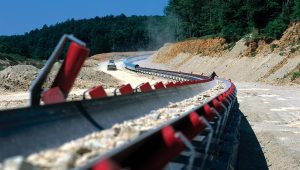
Carbon steel idlers are found in stone crushing and screening lines, sand and aggregate plants, cement works, power station coal handling, and iron ore or copper ore transport. In a limestone quarry, a troughing set keeps heavy rock centered on a mining conveyor belt. In a cement plant, return rolls quietly carry the empty belt back to the head. The idler itself is simple, but its reliability affects the whole conveying line.
Dimensions to Confirm Before Ordering
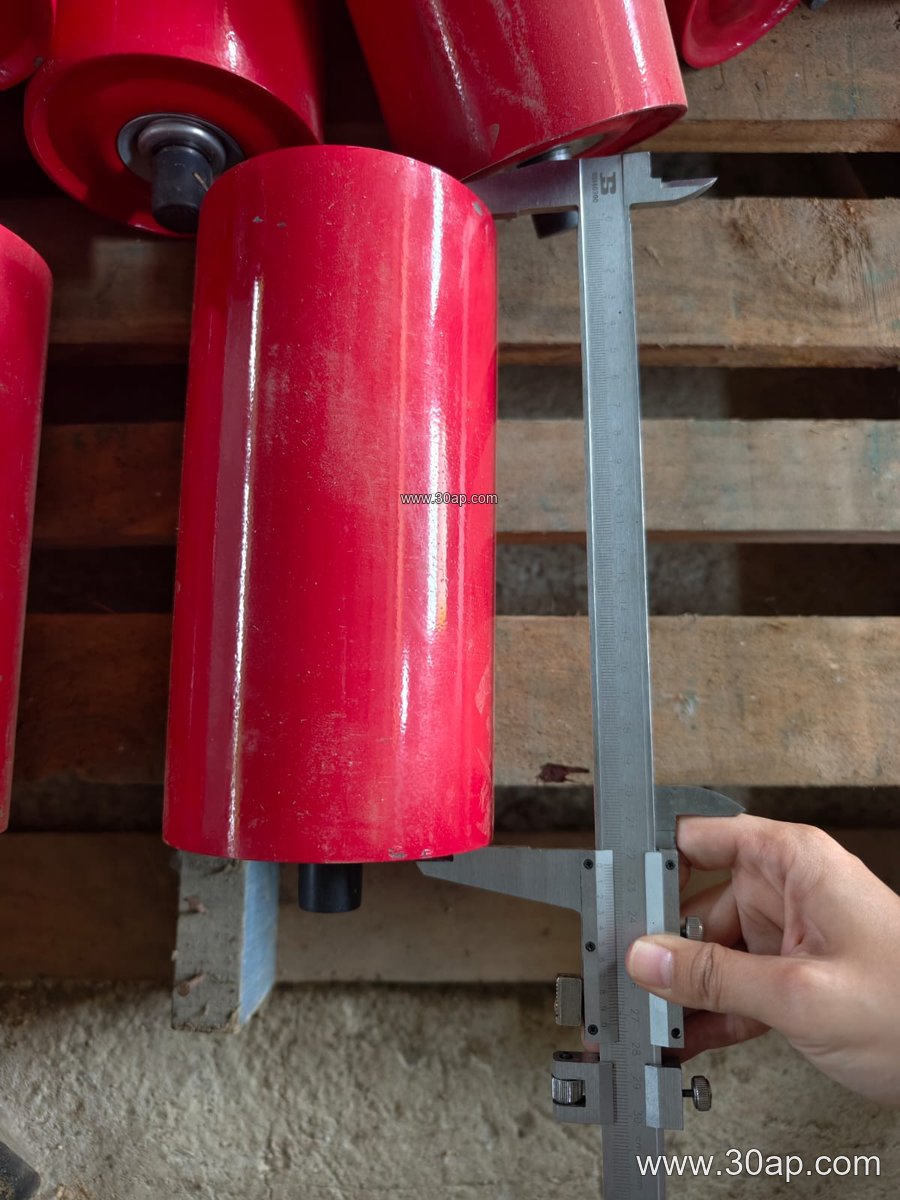
The table below lists common reference values. They are examples, not fixed combinations, and final sizes should be confirmed against the conveyor design.
Roller Diameter
Common diameters include Ø63, Ø76, Ø89, Ø102, Ø108, Ø127, Ø133, Ø159, Ø178, Ø194 and Ø219 mm.
Belt Width and Typical Roll Length
The roller length depends on belt width, trough angle and the idler set form. For a three-roll troughing set, common examples are:
- B500 with about 200 mm roll length
- B650 with about 250 mm
- B800 with about 315 mm
- B1000 with about 380 mm
- B1200 with about 465 mm
- B1400 with about 530 mm
- B1600 with about 600 mm
- B1800 with about 670 mm
- B2000 with about 750 mm
Side rolls and center rolls can differ, and one belt width does not dictate one pulley diameter. A belt such as a 1200mm wide conveyor belt may run with different roller diameters depending on load and speed.
What Buyers Should Check
Before choosing a carbon steel idler, confirm the belt width, the required trough angle, the load per roller, the shaft diameter and the mounting style of the conveyor bracket. Ask how the bearing is sealed and whether the roller is balanced for the planned belt speed. For abrasive duties, consider whether a rubber or ceramic surface is worth the extra cost.
Also look at the conveyor as a whole. A carbon steel idler roller works best when it matches the belt, the frame and the operating environment. Matching a heavy-duty abrasion resistant conveyor belt with lightly built rollers, for example, usually shortens roller life. Taking time to check dimensions and duty at the ordering stage pays back in fewer stoppages and smoother running on site.