Ensuring Precision and Reliability During Idler Roller Installation on a General Manufacturing Line
Properly installing an idler roller on a general manufacturing line is essential for maintaining smooth belt travel, minimizing friction, and preventing premature mechanical wear. When setting up a conveyor system, balancing the initial capital expense of high-grade components with long-term reliability often involves deciding whether to use standard fixed mounts or adjustable training brackets. While adjustable frames offer easier post-installation tweaks, fixed installations demand rigorous precision right from the start. Neglecting the foundational preparation, mounting, and alignment phases can cause severe edge rubbing, accelerated bearing degradation, and costly unscheduled downtime across the entire production facility.
Site Preparation and Component Inspection Checks
Before any mechanical installation work begins, maintenance crews must perform thorough preparatory checks on both the structural framing and the replacement hardware. A successful setup relies on a clean, stable environment free from accumulated debris, weld spatter, or residual anti-corrosion coatings that could interfere with proper seating.
- Verify that the conveyor stringers and mounting channels are level, square, and structurally rigid to prevent frame twisting under load.
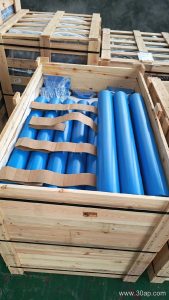
- Inspect the idler roller assembly for any transit damage, ensuring the outer shell is free from dents and the internal bearings rotate freely without binding or excessive radial play.
- Confirm that the shaft ends, mounting slots, and securing hardware match the exact dimensional specifications required by the equipment layout.
- Check the multi-labyrinth seal configurations to ensure protective grease barriers are intact and shielded from environmental contaminants.
Mechanical Mounting and Fastening Procedures
Once the workspace and components are cleared for assembly, the physical placement of the idler roller requires strict adherence to torque specifications and structural tolerances. Misplaced or unevenly tightened fasteners introduce localized stress concentrations that distort the stationary shaft, directly pinching internal bearing raceways and causing localized overheating during initial commissioning.
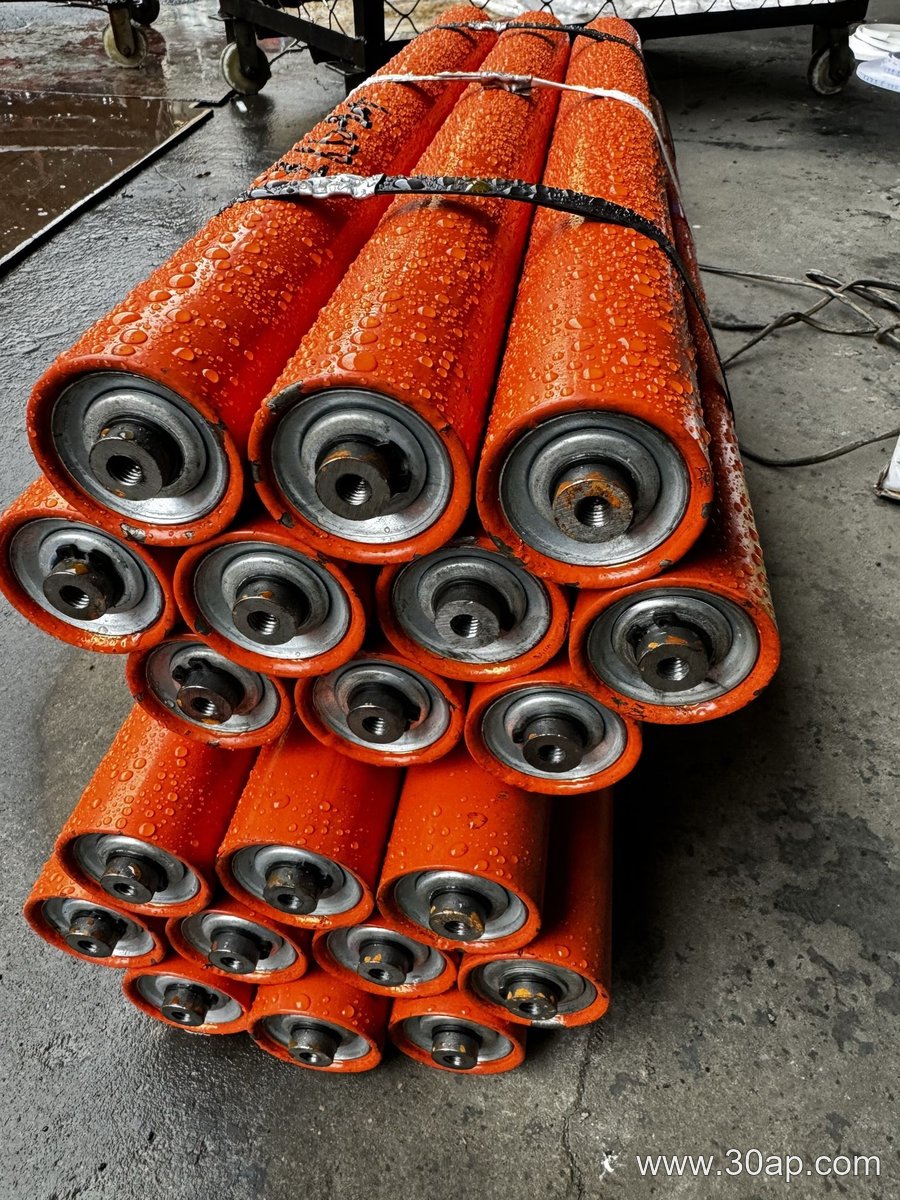
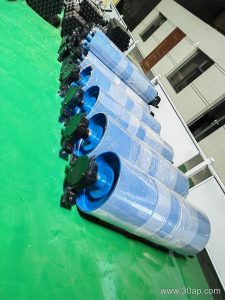
Installers should position the cylindrical assembly gently onto the mounting brackets, taking care to avoid striking the thin shell or delicate seal housings with heavy hand tools. Hand-thread all mounting bolts or clamping wedges before applying a calibrated torque wrench. Tightening must proceed in a staggered, cross-pattern sequence to distribute clamping forces evenly across both footplates. If the design utilizes slotted mounting holes for minor position adjustments, ensure the unit is centered squarely within the allowable tolerance band before locking the final hardware into place.
Precision Alignment Methods for Tracking Control
Achieving correct geometric alignment prevents the conveyor belt from drifting laterally, which is a primary cause of excessive side-skirt wear and structural friction. Installers must check both parallel alignment relative to the frame and squareness relative to the longitudinal centerline of the conveyor.
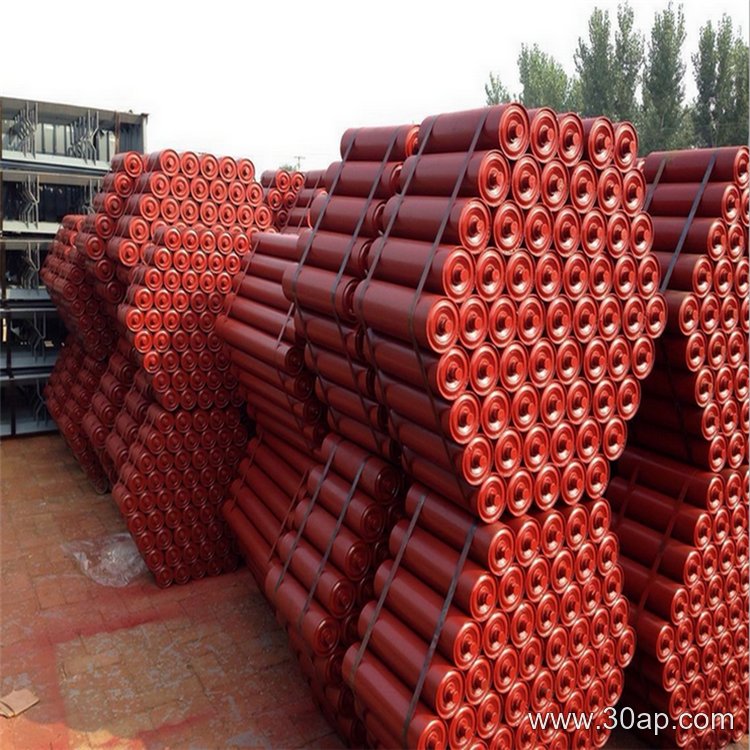
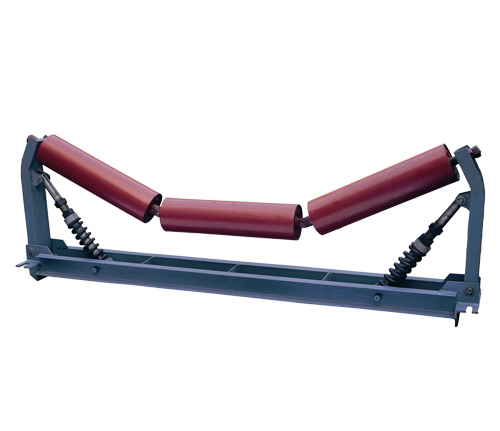
Using optical sighting tools, laser levels, or precision square gauges, technicians measure the perpendicularity of the idler roller axis against the running direction of the belt. Even a minor angular deviation of a fraction of a degree can generate continuous lateral steering forces. For multi-roller troughing sets, the center roll must remain strictly parallel to the adjacent idler rolls, while the wing rolls must maintain their specified upward tilt angle to support the belt edges uniformly without creating pinch points.
Commissioning Checks and Post-Installation Monitoring
The final phase of the installation sequence involves systematic commissioning checks to validate mechanical integrity before introducing heavy operational loads. Rushing this stage can mask hidden installation flaws that only manifest after material starts flowing through the system.
- Conduct a slow-speed dry run of the empty conveyor belt to observe initial tracking behavior and detect any side-to-side wandering across the idler roller face.
- Listen carefully for abnormal acoustic signatures, such as grinding, scraping, or high-pitched squealing that indicates internal bearing misalignment or rubbing seals.
- Use a non-contact infrared thermometer to check bearing housing temperatures after a brief operational cycle, ensuring friction levels remain within normal baseline limits.
- Gradually feed rated material onto the line while continuously monitoring belt tracking, vibration levels, and structural deflection until full production capacity is safely achieved.