What the 6205 Bearing Idler Is
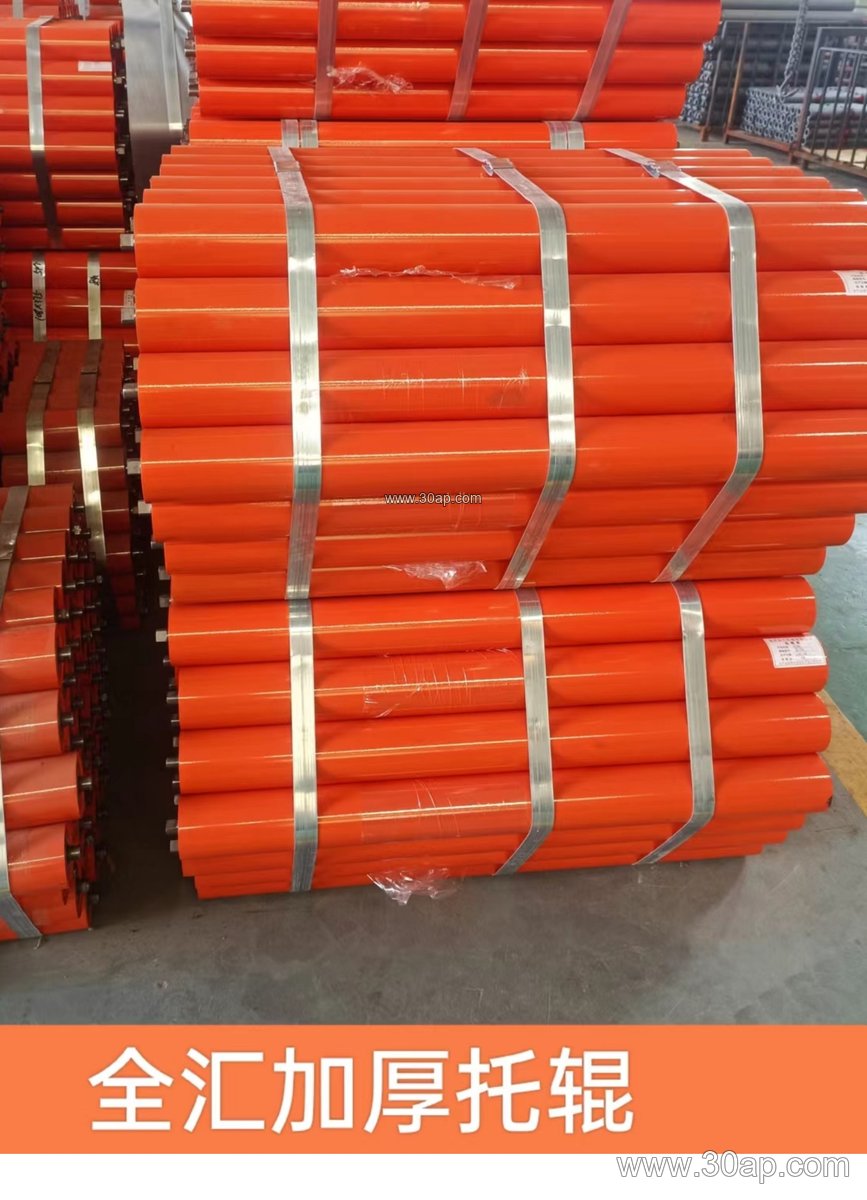
A 6205 bearing idler is a conveyor idler roller built around the 6205 deep groove ball bearing. This bearing size is common in light to medium-duty idlers, especially where the roller diameter falls in the range of Ø89 to Ø108 mm. In a quarry, a cement plant, or a coal handling system, you will find these idlers supporting the conveyor belt on the carrying side or guiding it on the return side. The 6205 bearing idler is not a single fixed product; it is a family of idlers that share the same bearing but differ in roller diameter, shell material, and mounting arrangement.
Construction and Bearing Fit
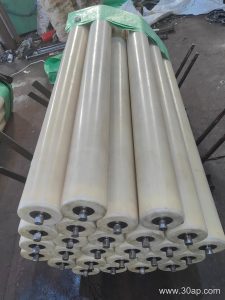
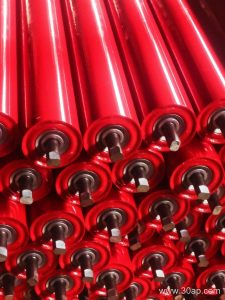
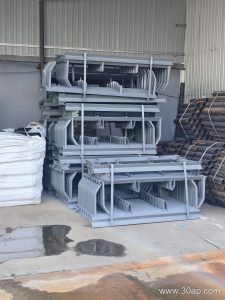
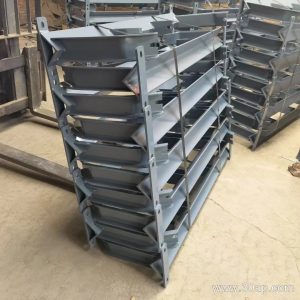
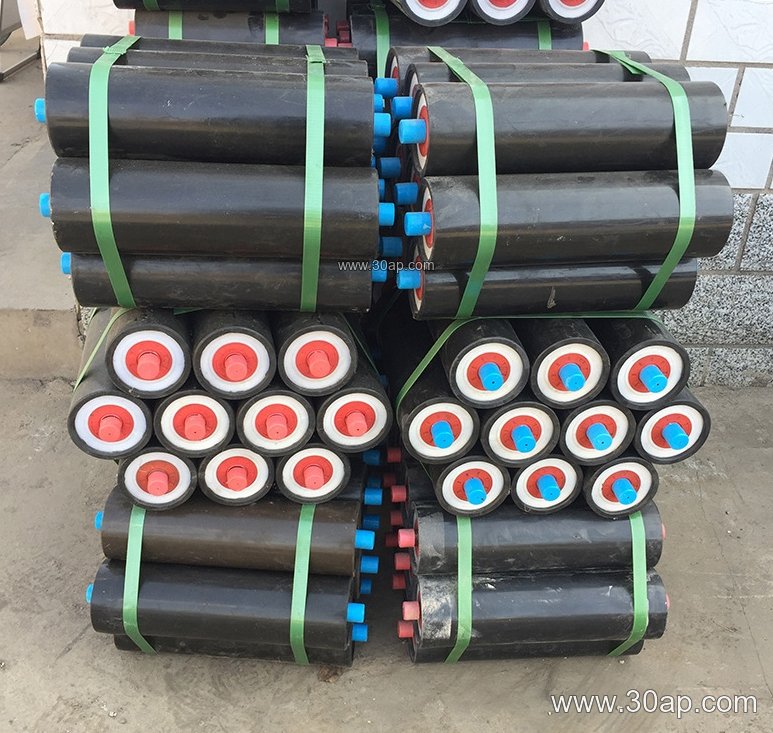
The idler consists of a steel tube shell, bearing housings at each end, a shaft, and a sealing system. The 6205 bearing has a bore of 25 mm and an outer diameter of 52 mm, which suits shafts around 25 mm. The bearing is typically pressed into a stamped or machined housing, and the seal arrangement keeps dust and moisture out. In aggregate lines and power plant coal conveyors, sealing quality often decides how long the idler lasts. The shell may be plain steel, nylon-coated, or fitted with rubber rings for impact absorption. The 6205 bearing idler is often used as a carrying idler in three-roll trough sets, but it can also appear as a return idler or a transition idler depending on the frame design.
Where It Fits in the Conveyor
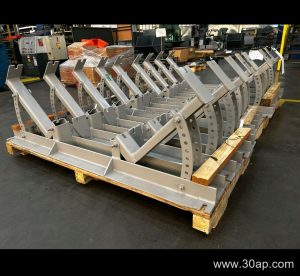
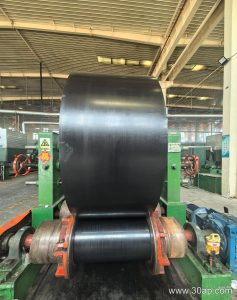
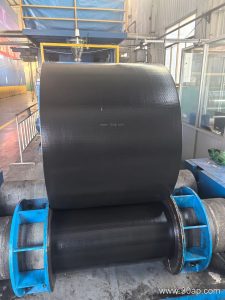
You will see the 6205 bearing idler in several positions. On the carrying side, three-roll trough sets with 20°, 30°, or 35° trough angles are common. The same bearing may be used in a flat return idler or a V-return idler. In a sand and gravel plant, a 6205 bearing idler might run under a B800 or B1000 conveyor belt. In a cement plant, it may appear on a clinker conveyor or a raw material transfer line. The idler roller itself is a wearing part, and the 6205 bearing is the rotating core that determines friction and service life. When specifying, keep in mind that belt width and pulley diameter are not locked to one another; a 6205 bearing idler can be built for different belt widths as long as the roller length and frame are designed accordingly.
Common Sizes and Configurations
The table below shows typical reference values for idlers that may use a 6205 bearing. These are examples, not fixed rules. Roller length varies with belt width, trough angle, and idler set form.
| Parameter | Common Reference |
|---|---|
| Bearing | 6205 |
| Roller diameter | Ø89, Ø102, Ø108 mm |
| Belt width examples | B500, B650, B800, B1000, B1200 |
| Trough angle | 20°, 30°, 35° |
| Roller length (three-roll trough, approx.) | 200 mm for B500, 250 mm for B650, 315 mm for B800, 380 mm for B1000, 465 mm for B1200 |
| Shell surface | Steel, nylon, rubber ring |
| Idler set | Single roll, two-roll, three-roll trough |
Side rollers and center rollers can have different lengths. The values above are for general orientation only.
Selection and Maintenance Notes
When choosing a 6205 bearing idler, match the bearing to the load and speed. The 6205 is not the only option; larger idlers may use 6305 or 6306 bearings. Check the shaft diameter and housing fit before ordering. In a limestone mine or a tunnel muck conveyor, impact and dust are heavy, so a rubber-ring impact idler or a well-sealed 6205 bearing idler is worth considering. For return strands, a V-return idler with the same bearing can help with belt tracking. Regular inspection of the idler roller for play, noise, or seal damage prevents belt misalignment and reduces downtime. Lubrication is usually sealed for life, but in wet or dusty conditions, re-lubrication or replacement intervals should follow the conveyor designer’s advice.
Buyer Checklist
- Confirm the roller diameter and bearing number (6205) with the conveyor frame dimensions.
- Check the belt width and trough angle to determine roller length and idler set form.
- Choose the shell surface according to the material: rubber rings for impact, nylon for low friction, steel for general use.
- Verify the shaft diameter and mounting bracket type, as conveyor brackets differ between manufacturers.
- Ask for the sealing arrangement and bearing clearance if the conveyor runs in a dusty or wet environment.
The 6205 bearing idler is a practical component for many medium-duty conveyors. Use the reference data as a starting point, and always confirm dimensions against the actual conveyor design.