What a Cement Plant Conveyor Belt Has to Handle
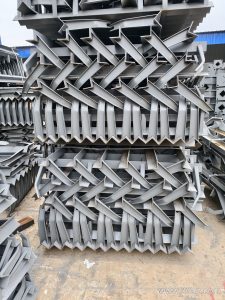
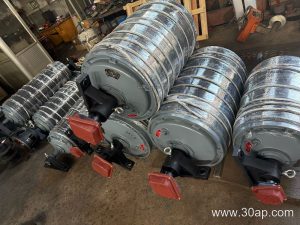
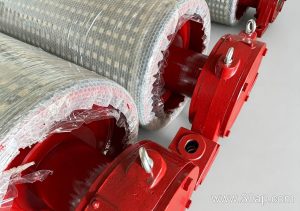
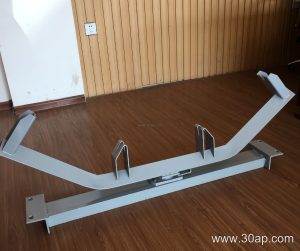
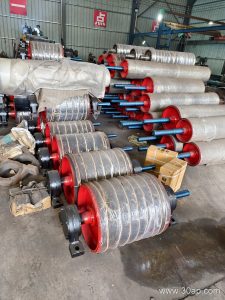
A cement plant conveyor belt moves more than just stone. It carries limestone from the quarry stockpile, crushed clinker from the cooler, gypsum and pozzolan from additive silos, and fine cement dust that finds its way onto every surface. Each of these materials behaves differently, so the belting that works on a raw mill feed line may not be the right choice for a finish mill or a packing plant circuit. The belt is part of a system that includes idler rollers, conveyor pulleys and conveyor brackets, and each component has its own job. A drive pulley pulls, a tail pulley returns, and a bend pulley changes direction; those roles are fixed and should not be confused when specifying a line.
Construction of Belting for Cement Duty
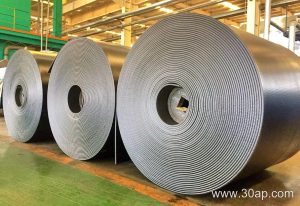
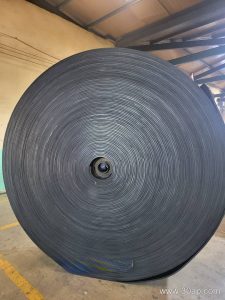
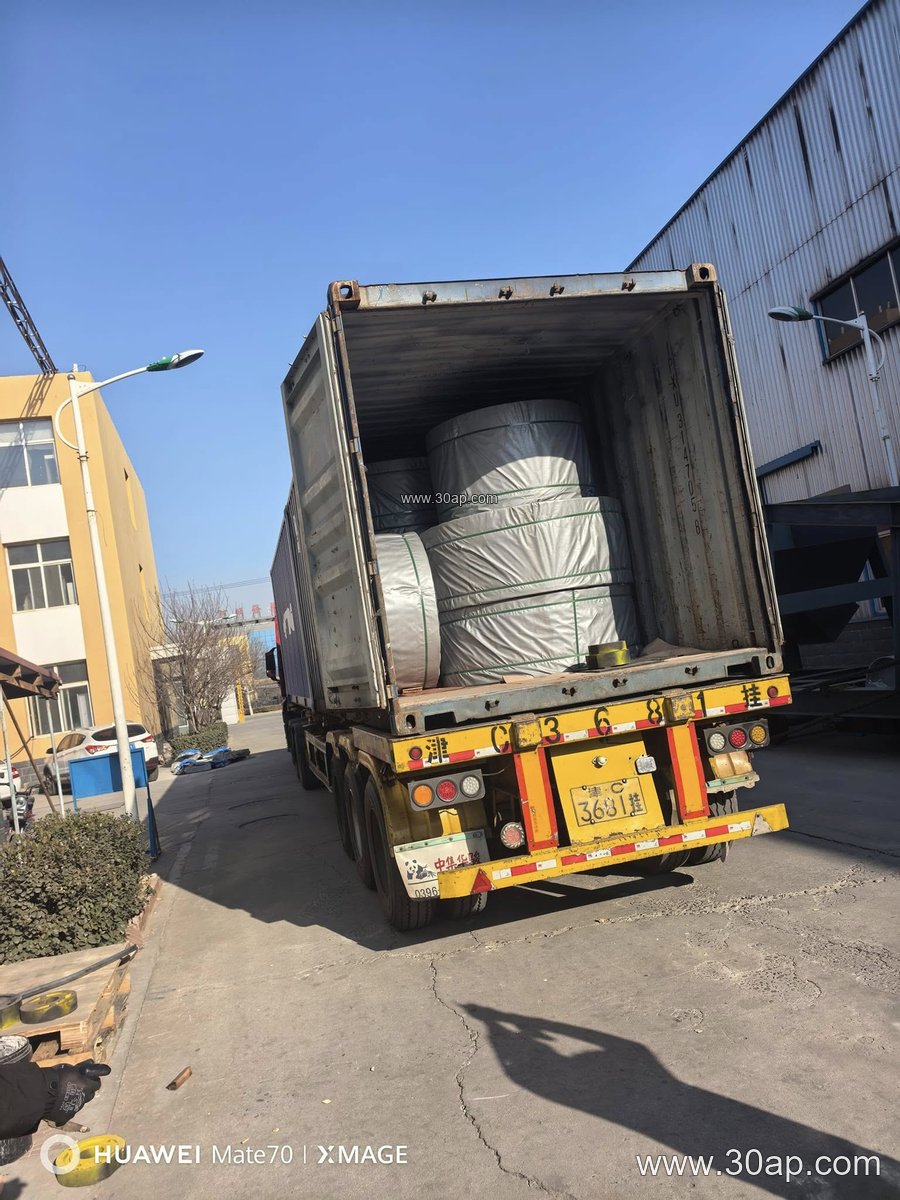
Most cement plant belts use a fabric carcass or a steel cord carcass. EP belting (polyester warp, polyamide weft) is common for general material handling, while NN nylon belting offers high flexibility on shorter, tighter runs. Steel cord belting is usually chosen for long overland lines and high tonnage. The cover compound matters as much as the carcass: abrasive limestone calls for a wear-resistant cover, clinker that leaves the cooler hot may need a heat-resistant grade, and coal or fuel storage areas may require flame-retardant and anti-static properties. Common cover constructions include 3+1.5, 4+2, 5+2, 6+2 and 8+3 mm, and carcass layers typically range from 2 to 6 plies depending on the load. These figures are reference values; final selection should follow the conveyor design.
Typical Belt Widths and Strength Grades
Width and strength are matched to the tonnage and the lump size, not chosen in isolation. A narrow belt on a high-capacity clinker line will spill, while an oversized belt wastes capital. The table below lists common reference values used in cement, mining and aggregate plants.
| Parameter | Common reference values |
|---|---|
| Belt width | B500, B650, B800, B1000, B1200, B1400, B1600, B1800, B2000 |
| EP strength grade | EP200, EP315, EP400, EP500, EP630, EP800, EP1000, EP1250, EP1600, EP2000 |
| Cover thickness | 3+1.5, 4+2, 5+2, 6+2, 8+3 mm |
| Carcass plies | 2 to 6 layers, by design |
There is no rule that a given belt width must pair with one pulley diameter, and shaft size is always set by the conveyor designer, not by belt width alone. Buyers should supply the duty, tonnage, lump size and ambient conditions so the belt, conveyor pulley and idler roller set can be sized together.
Where the Belt Fits in the Plant
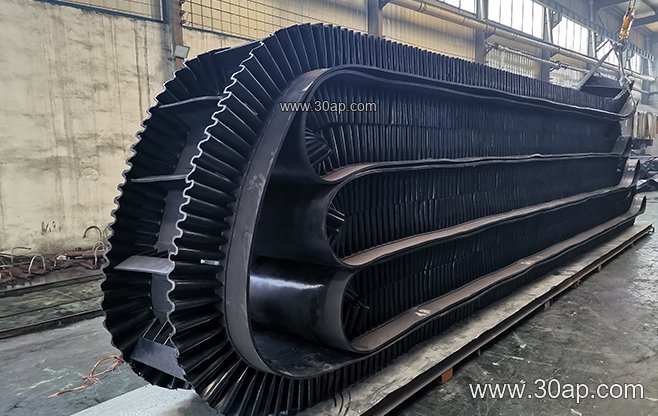
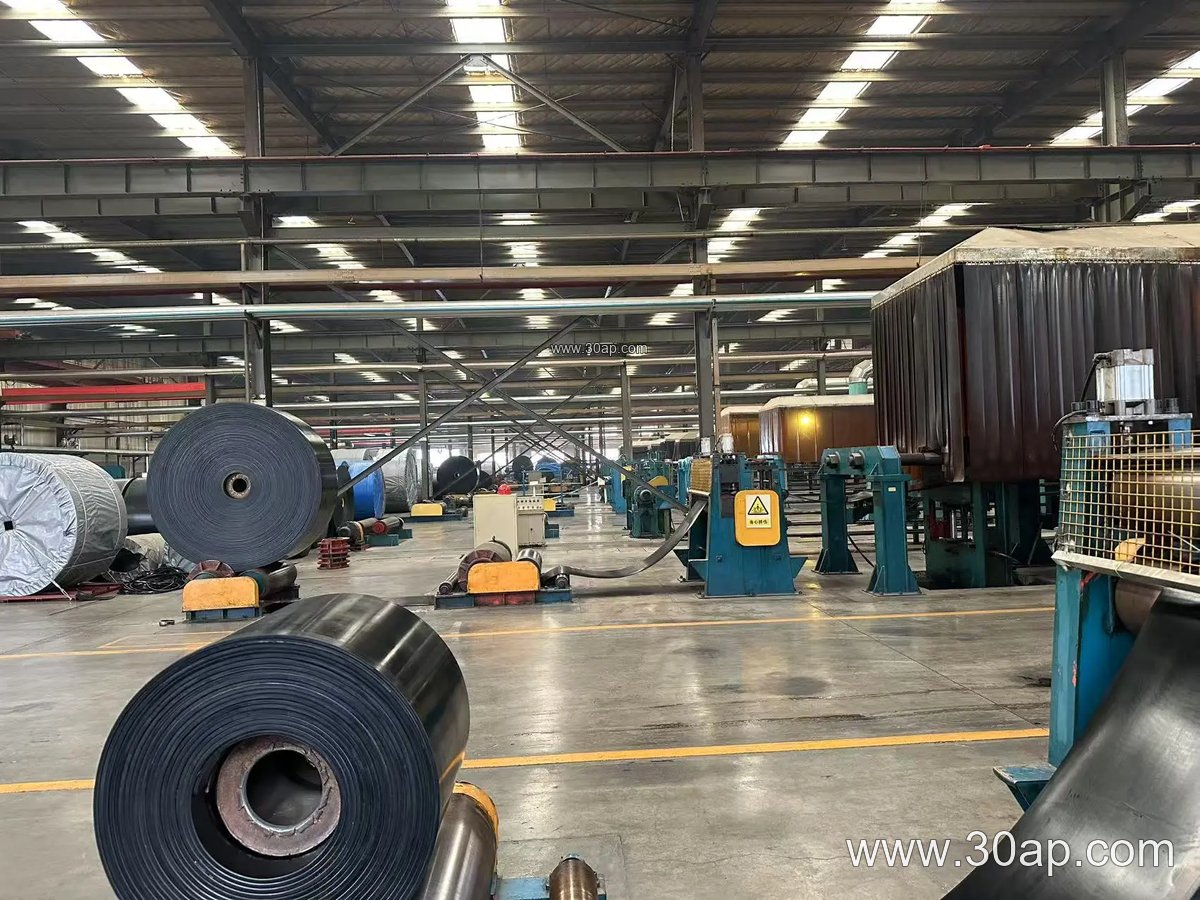
Cement plant belts appear on quarry-to-crusher lines, raw mill feed, kiln feed, clinker transport, additive dosing and cement dispatch. In mines and coal yards feeding a cement works, flame-retardant and anti-static belting is often requested for safety. In power plants and sand and gravel yards that share similar material handling, abrasion resistance tends to dominate. The same belt may run outdoors in winter, so a cold-resistant compound can be relevant in northern sites. For inclined sections, patterned surfaces such as herringbone or chevron profiles help hold material, and corrugated sidewall belting is used where space is tight.
Buyer Checklist Before Ordering
- Confirm material type, lump size, temperature and moisture.
- State the required capacity and incline angle.
- Check pulley diameters and the idler roller spacing on the existing frame.
- Verify that conveyor brackets and pulley mountings suit the new belt tension.
- Ask for cover grade and carcass data rather than width alone.
- Plan splicing method and spare length at the same time.
For more guidance on matching belting with rollers, pulleys and frames, see conveyor belt and idler roller references, or review conveyor pulley options and conveyor bracket details before finalizing the line.
Maintenance Notes That Extend Belt Life
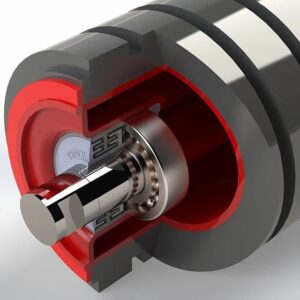
Most premature failures start at the loading point. Impact beds and properly aligned idler rollers reduce gouging, and skirt rubber should not press hard against the cover. Keep the tail pulley clean so material does not build up and skew the belt. Check belt tracking after any frame repair, and inspect splices for edge separation. In cement plants, dust ingress around bearings is a constant issue, so lubrication schedules deserve attention. A belt that is correctly specified for abrasion and heat, paired with well-maintained pulleys and rollers, will usually deliver a long service interval without unusual intervention.