What a V-Type Idler Bracket Does
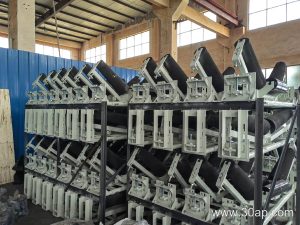
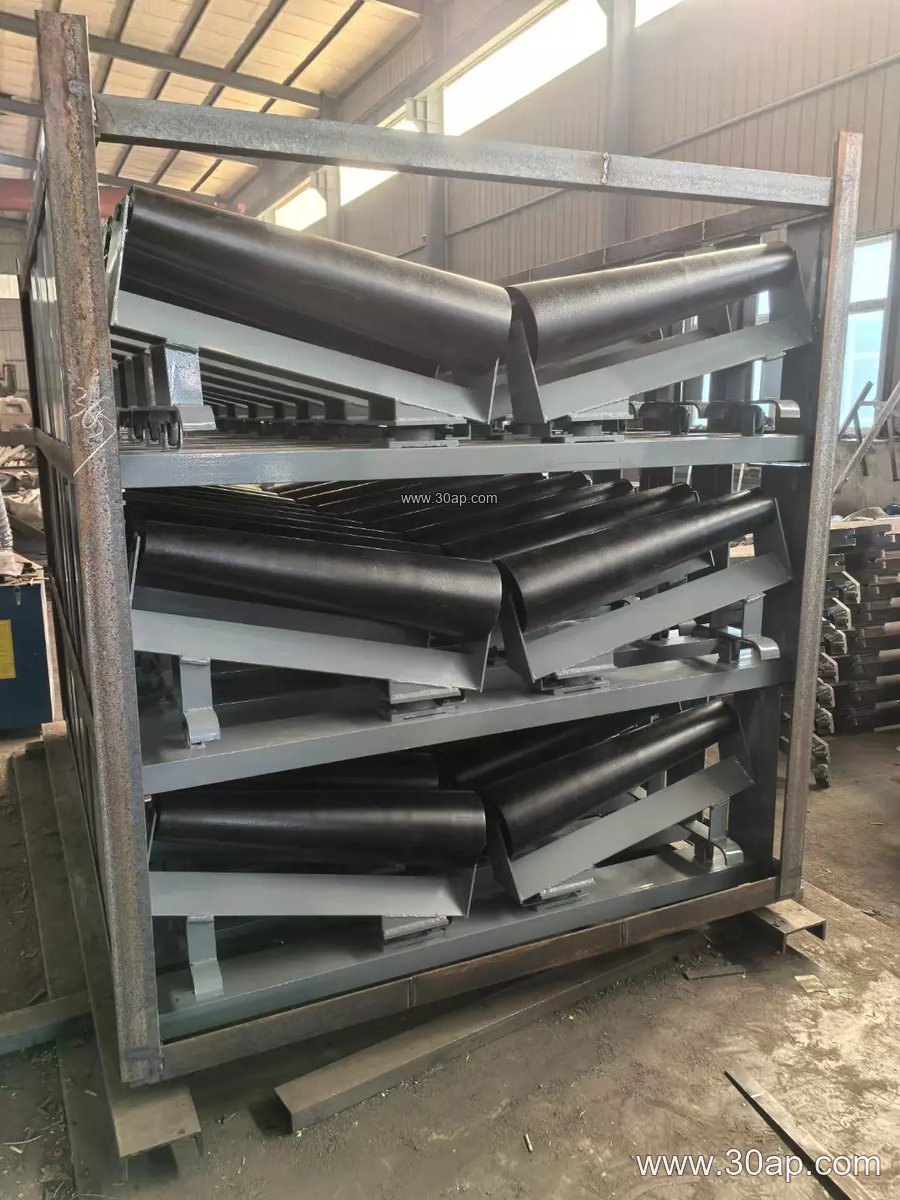
A V-Type Idler Bracket is the support frame that holds two return-side idler rollers in a V shape beneath the belt. On a conventional conveyor, the carrying side gets most of the attention, but the return strand also needs steady support. The V-Type Idler Bracket solves this by mounting a pair of rollers at an angle so they form a shallow trough that centers the belt and sheds loose material. In a quarry, a cement plant, or a power plant coal yard, this small steel frame quietly keeps the return belt tracking straight and reduces spillage along the whole line.
The same product is also called a V-return idler bracket or V-shaped idler frame. It belongs to the return bracket family, and it is not a substitute for a trough bracket on the carrying side or for a transition bracket near the pulleys. Each bracket type has its own job, and mixing them up leads to poor belt training.
Construction and Mounting
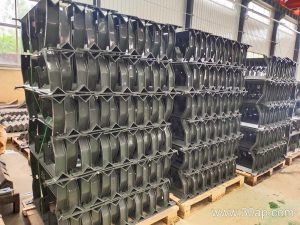
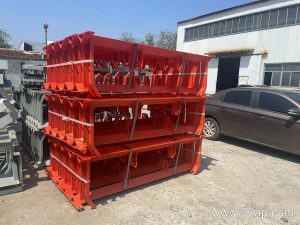
Most V-Type Idler Bracket frames are fabricated from angle steel, channel steel, or folded steel plate. The two inclined arms are welded to a base that bolts onto the conveyor stringer. Because the arms sit at an angle, the pair of idler rollers rests in a natural V, and gravity helps the belt settle into the center. Common roller diameters used with these brackets include Ø89, Ø108, Ø133, Ø159, and Ø194 mm, matched to the belt width and load.
Installation is usually a simple bolted connection. The bracket is aligned square to the belt centerline, and the mounting hole spacing and crossbeam length vary with belt width and the chosen V angle. A typical arrangement might be B800 with Ø108 rollers, or B1200 with Ø133 rollers, but these are examples rather than fixed rules. Belt width does not dictate a single roller diameter, and the final match should follow the conveyor design.
Where It Fits on the Line
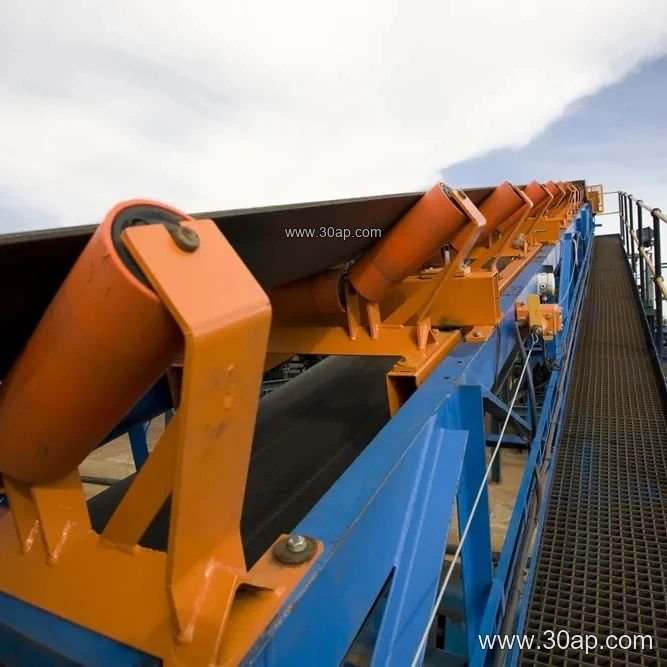
You will see V-Type Idler Brackets in sand and gravel plants, limestone mines, iron ore operations, and coal washing plants. They are common on the return run of a belt that carries abrasive bulk material, where a flat return roller would let fines build up. Because the V shape pushes the belt toward the middle, the bracket also helps when a conveyor has a slight misalignment that a training idler alone cannot correct.
On a long overland conveyor moving EP Conveyor Belt or a heavy-duty mining belt, a series of V-return brackets supports the belt between the drive pulley and the tail pulley. Near the bend pulley, the belt may need a transition bracket instead, since the V form is not meant to replace the specific support used at that point.
Choosing the Right Bracket
Buyers should start with the belt width and the return roller diameter already used on the conveyor. Then confirm the V angle, the mounting dimensions, and the material finish. A bracket made from channel steel will behave differently from one made from folded plate, and the difference matters in corrosive or wet conditions.
- Check that the frame fits the existing stringer bolt pattern.
- Confirm the roller diameter and the distance between the two arms.
- Ask whether the bracket is fixed or adjustable, since some designs allow the V angle to be changed.
- Match the surface treatment to the site, such as a coal yard or a coastal port.
For conveyors handling Steel Cord Conveyor Belt or a wide NN Conveyor Belt, the return bracket must be strong enough for the belt weight and any material carried back on the surface. A bracket that is too light will flex and let the belt wander.
Maintenance Notes
Inspect the V-Type Idler Bracket whenever return rollers are checked. Look for bent arms, loose bolts, and wear at the mounting points. A bracket that has shifted can cause the belt to rub against the frame, which damages both the belt edge and the roller. Keeping the frame square and the rollers turning freely extends the life of the whole return run, whether the conveyor moves Abrasion Resistant Conveyor Belt in a crusher circuit or a fabric core belt in a fertilizer plant.
Replacement brackets should be ordered by belt width, roller diameter, and mounting pattern rather than by a single size label. That approach keeps the V-Type Idler Bracket matched to the conveyor it serves.