Understanding the Role of a Conveyor Bracket
A conveyor bracket is more than a metal angle—it is the structural anchor that keeps your belt, roller, or chain conveyor aligned under dynamic loads. Without a properly rated bracket, even the best belt or motor will suffer from vibration, misalignment, and premature wear. Brackets secure idlers, return rollers, and drive frames to the support structure, directly influencing system uptime and safety.
Key Selection Criteria for Industrial Buyers
- Material and coating: Choose galvanized steel for corrosive environments, stainless for food or chemical lines, and powder-coated carbon steel for general dry duty.
- Load rating: Verify static and dynamic weight capacity. A bracket rated for the total roller load plus a 25% safety margin is a wise baseline.
- Slot geometry: Adjustable slot patterns allow fine-tuning of roller height and belt tracking. Fixed-hole brackets suit high-volume, non-adjustable systems.
- Compatibility: Match the bracket base width, hole spacing, and roller shaft diameter to your existing conveyor frame (C-channel, I-beam, or extruded aluminum).
Installation and Maintenance Advice
Always torque bolts to the manufacturer’s specification—over-tightening cracks welds, while under-tightening allows creep. Inspect brackets quarterly for corrosion, weld fatigue, or deformation near the roller contact point. For high-speed lines, use brackets with rubber cushions to dampen vibration. When replacing, buy from a single source to ensure dimensional consistency across your plant.
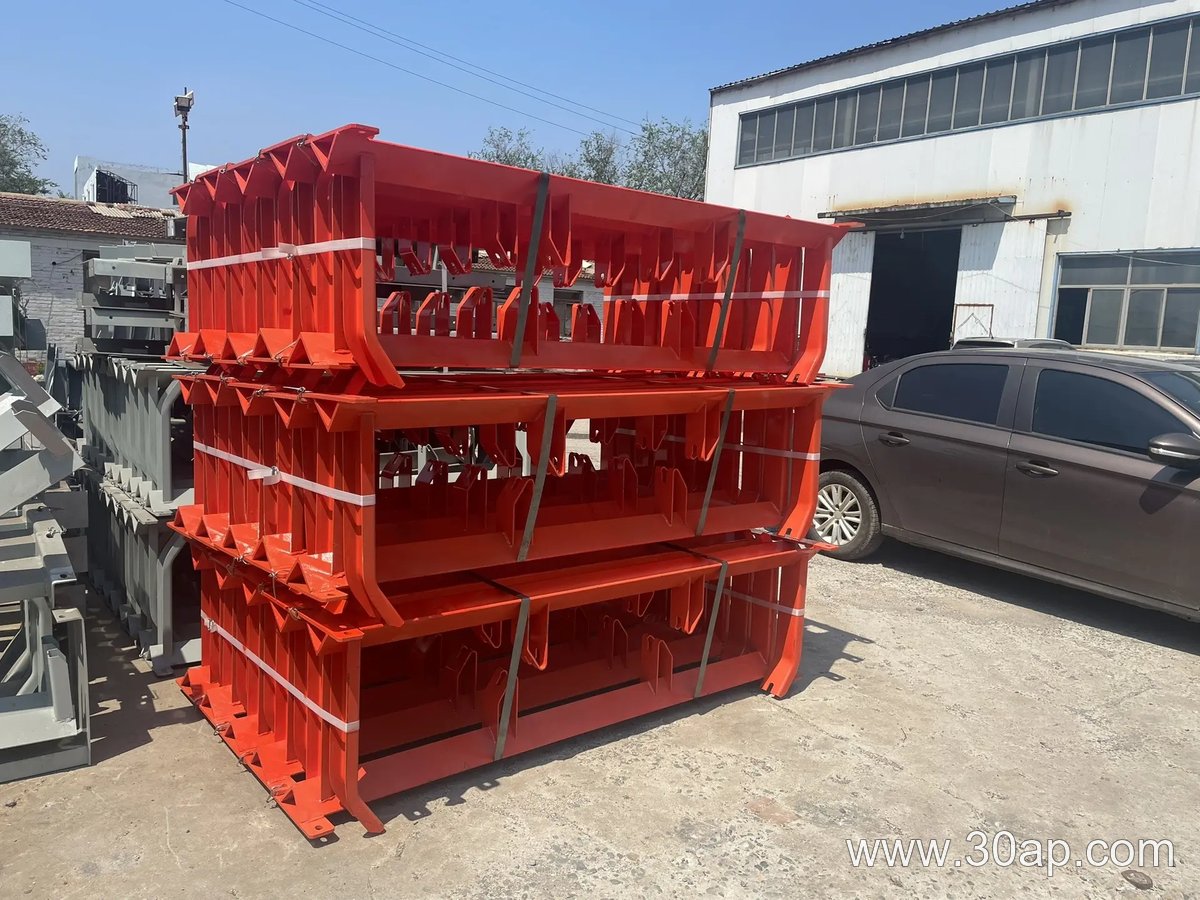
For easy quoting, supply your frame cross-section, roller center distance, and shaft diameter. A reputable supplier will offer CAD drawings and load charts, not just a price list.
Why the Right Conveyor Belt Determines Your Line Efficiency
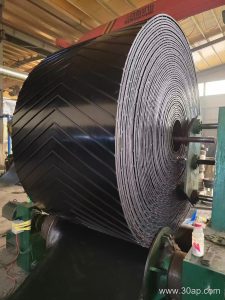
The conveyor belt is the silent workhorse of any material handling system. Choosing the wrong one can cause frequent downtime, product damage, and costly maintenance. This guide focuses on the conveyor belt itself—its materials, construction, and performance specs—so you can make an informed purchase.
Key Considerations Before You Spec
- Load type and weight: Heavy, abrasive materials (ores, aggregates) require reinforced rubber or steel-cord belts. Lightweight, food-grade loads need smooth, FDA-approved covers.
- Operating environment: Heat, oil, chemicals, or outdoor UV exposure demand specialized compounds (e.g., nitrile for oil, EPDM for heat).
- Belt speed and tension: Higher speeds and long center distances increase tension; choose a belt with adequate tensile strength and low elongation.
- Tracking and profile: V-guided or cleated belts reduce misalignment on inclined or curved conveyors.
How to Compare Belt Construction
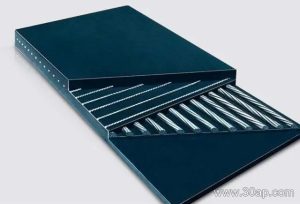
Ask suppliers for the full specification sheet: carcass type (fabric, steel, or aramid), number of plies, cover thickness (top and bottom), and splice method. A 2-ply polyester/nylon belt is standard for general use, while a 4-ply with 4mm top cover suits rugged duty. Confirm the belt’s working tension (kN/m) and minimum pulley diameter to avoid premature flex fatigue.
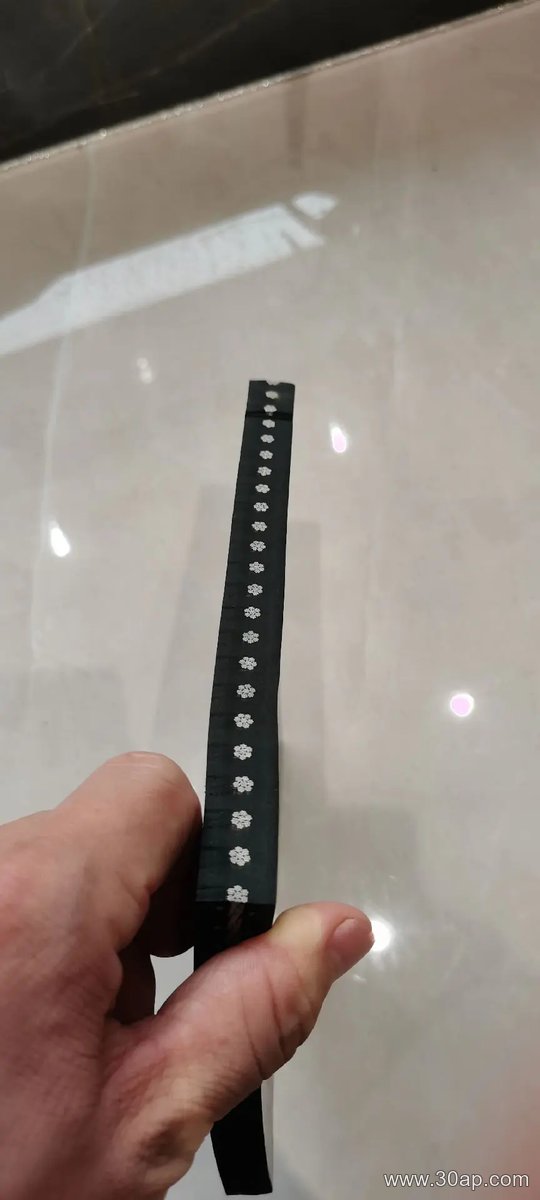
Purchasing Advice for Long-Term Value
- Always request a trial length before bulk ordering—performance varies with real loads.
- Consider a belt with a vulcanized endless splice if downtime for fasteners is unacceptable.
- Check the manufacturer’s warranty for cover wear and adhesion; a 5-year warranty is common for quality belts.
- Buy spare joints and repair kits at the same time to speed emergency fixes.
Remember: the conveyor belt’s lifespan depends as much on correct selection as on maintenance. Prioritize verified specifications over low price.
Why the Idler Roller Matters More Than You Think
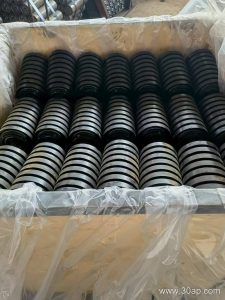
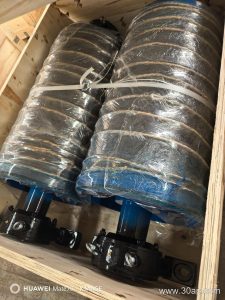
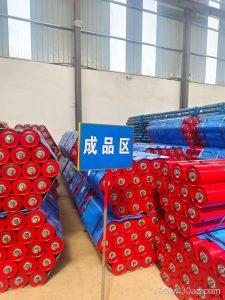
The idler roller is not just a passive cylinder under your conveyor belt—it is the critical component that determines belt tracking, load support, and system longevity. Without properly selected idlers, even the strongest belt will sag, misalign, and wear prematurely.
Key Selection Criteria for Idler Rollers
- Belt width and speed: Match roller length and diameter to your belt’s specifications to avoid edge damage.
- Load capacity: Calculate the maximum force per roller, including impact zones, to prevent bearing failure.
- Environment: For dusty, wet, or corrosive conditions, choose sealed bearings and corrosion-resistant shells (e.g., rubber-coated or stainless steel).
- Trough angle: Standard 20°, 35°, or 45° configurations affect material containment and belt flexibility.
Purchasing Advice: Quality Over Price
Always request the shell thickness and bearing clearance data. A cheap idler roller may save upfront cost but will increase downtime and replacement frequency. Verify that the roller’s runout (concentricity) is under 0.5 mm for high-speed lines. Also, ask for a sample to test under real load before bulk ordering.
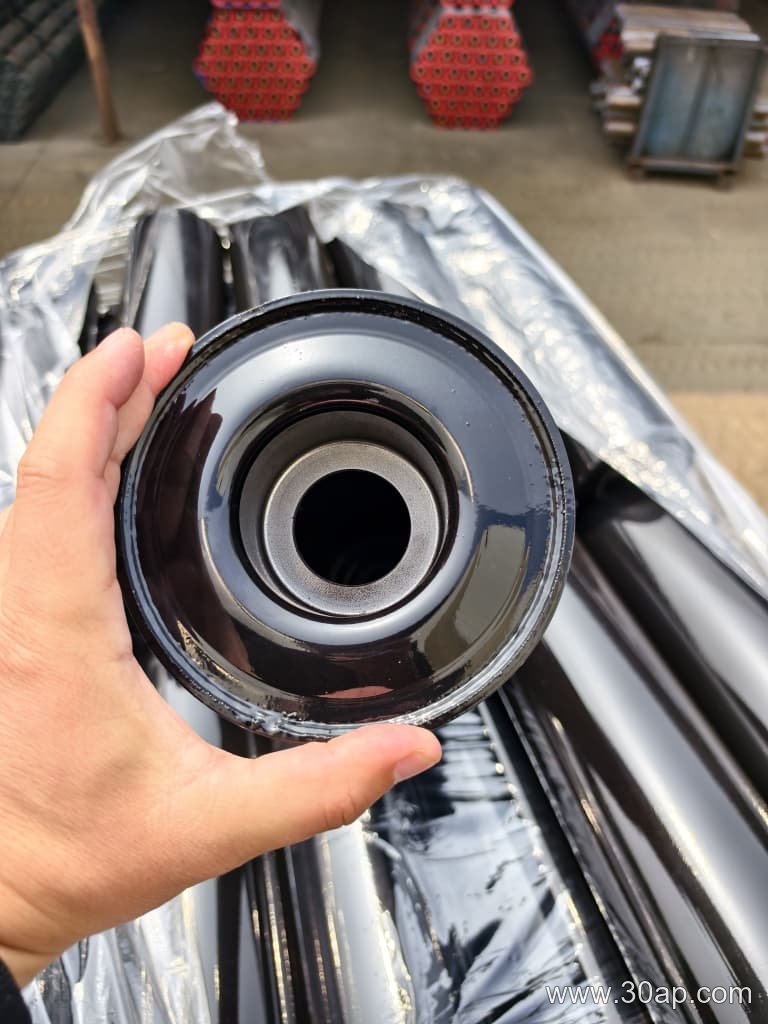
Finally, schedule regular lubrication and rotation checks—an idler roller that seizes can rip your belt and halt production. Invest in a reliable supplier that offers both standard and custom engineered rollers.
Why the Conveyor Pulley Demands Your Attention
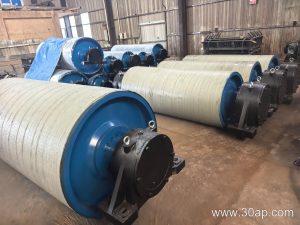
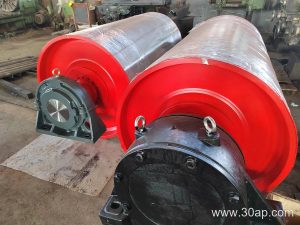
The conveyor pulley is not a passive roller; it is the mechanical heart that drives belt tension, traction, and tracking. A poorly selected pulley leads to belt slippage, premature wear, and costly downtime. For any bulk handling operation, choosing the correct conveyor pulley is a direct investment in system uptime and safety.
Key Selection Criteria for Conveyor Pulleys
- Load and duty class: Match the pulley’s diameter and shaft size to the belt’s working tension and peak starting torque. Heavier duty classes (CEMA D or E) suit high-tonnage mines and ports.
- Surface lagging: Rubber or ceramic lagging increases friction, reduces slippage, and protects the shell from abrasive materials. Specify grooved lagging for wet or muddy conditions.
- Shell and disc design: Welded steel shells with internal discs must resist deflection under load. Ask for finite element analysis (FEA) data for extreme spans.
- Bearing and hub assemblies: Choose self-aligning spherical roller bearings with proper seals for dusty environments. Locking elements, like bushings or keyless hubs, simplify maintenance.
- Crown profile: A crowned face (or tapered end discs) aids belt centering. For reversible belts, use a flat face with separate tracking idlers instead.
Purchasing and Inspection Advice
Always verify balance and concentricity tolerances before acceptance. Snug fit of the shaft in the hub is critical; avoid reusing worn pulleys in new systems. Request a dynamic balancing certificate and confirm the pulley’s face width matches your belt width plus a standard allowance (typically 25–50 mm per side). For corrosive or high-temperature applications, specify stainless steel or specialized coatings. Finally, source from manufacturers who offer comprehensive stress calculations and a warranty covering weld integrity and concentric runout.
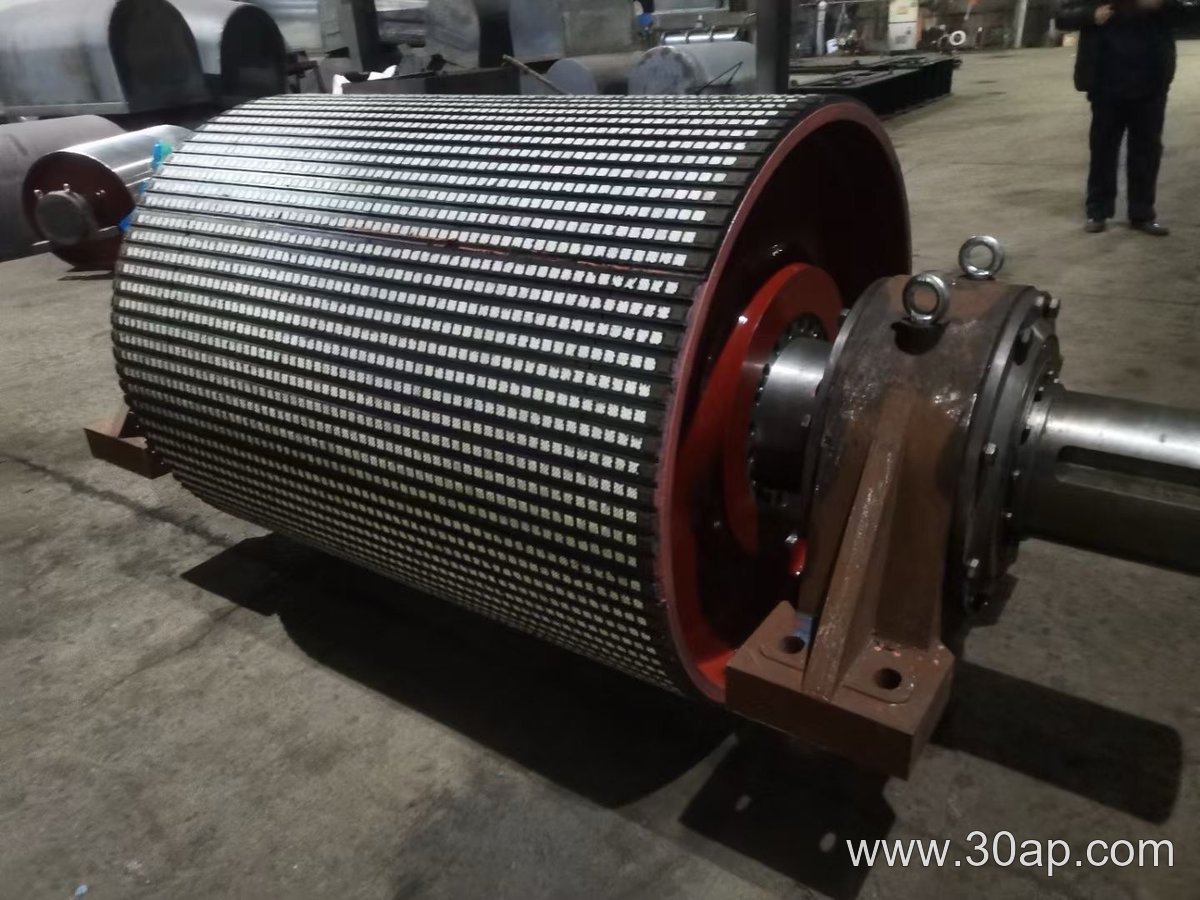
Investing in a correctly engineered conveyor pulley reduces belt replacement frequency, cuts energy consumption, and ensures predictable conveying. Prioritize technical specifications over price, and schedule annual ultrasonic thickness checks on the shell to detect hidden erosion.