What a Coal Mine Belt Conveyor Pulley Does
In a coal mine, the belt conveyor pulley is the rotating drum that drives or redirects the conveyor belt. It transfers torque from the drive unit to the belt and keeps the belt tracking correctly. This component is critical for continuous coal haulage from the face to the surface or preparation plant. A well-matched pulley ensures reliable operation and reduces belt wear.
Common positions include the head pulley (drive), tail pulley (tension), and bend pulley (direction change). Each position has distinct design requirements. For example, the drive pulley needs high friction between the pulley surface and the belt, often achieved with rubber lagging. The tail pulley may be smaller and sometimes equipped with a self-cleaning surface. Bend pulleys are used to increase belt wrap angle around the drive pulley.
Construction and Key Components
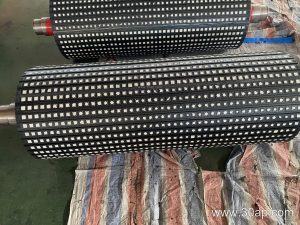
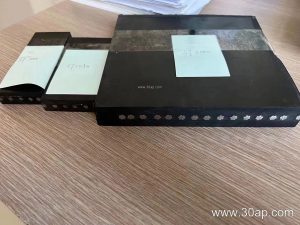
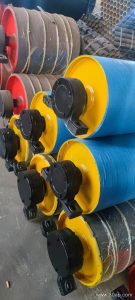
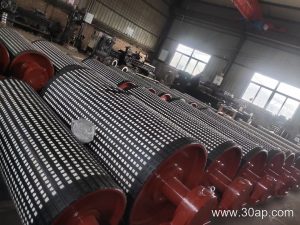
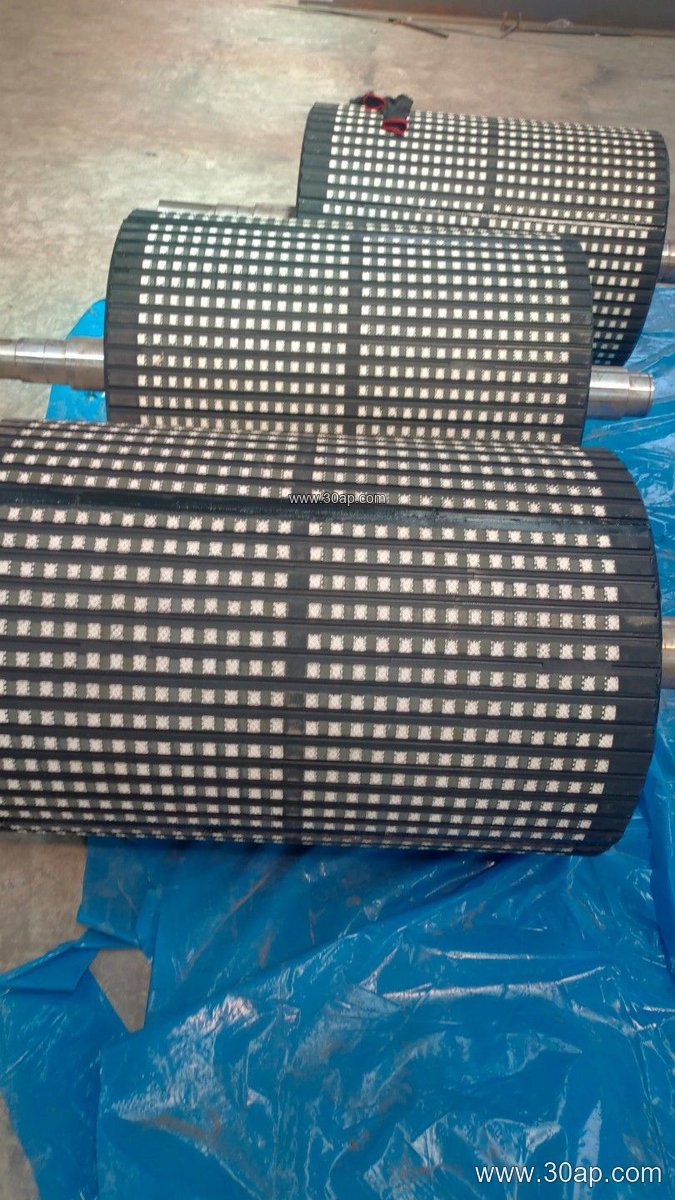
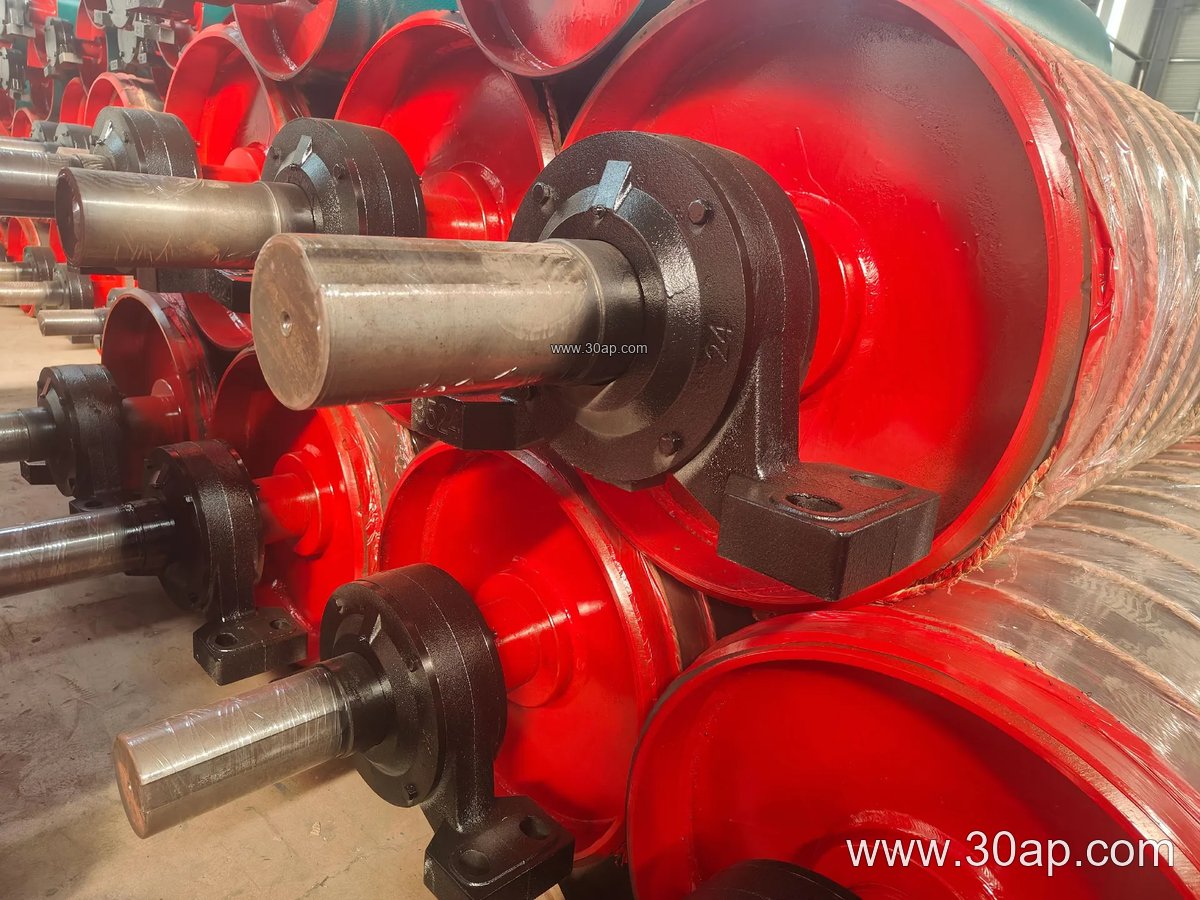
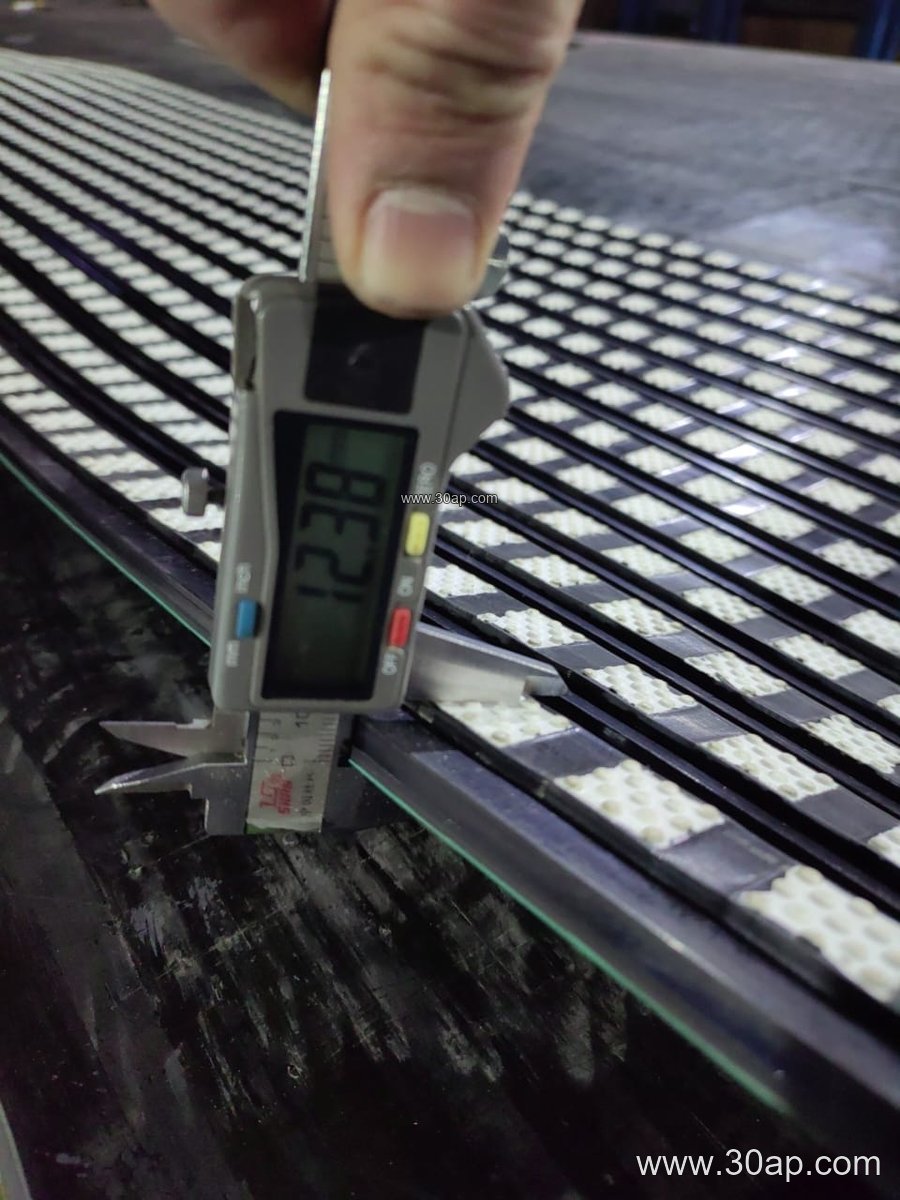
A typical coal mine belt conveyor pulley consists of a cylindrical shell, shaft, hubs, and bearing housings. The shell is usually made from rolled steel plate and welded to the hubs. The shaft is sized to transmit the required torque and is supported by bearings, often spherical roller bearings for misalignment tolerance. Surface lagging is applied to improve traction and protect the shell from wear. Common lagging types include plain rubber, diamond grooved rubber, and ceramic tiles. Lagging thickness often ranges from 8 mm to 20 mm depending on duty.
Pulley Types and Their Roles
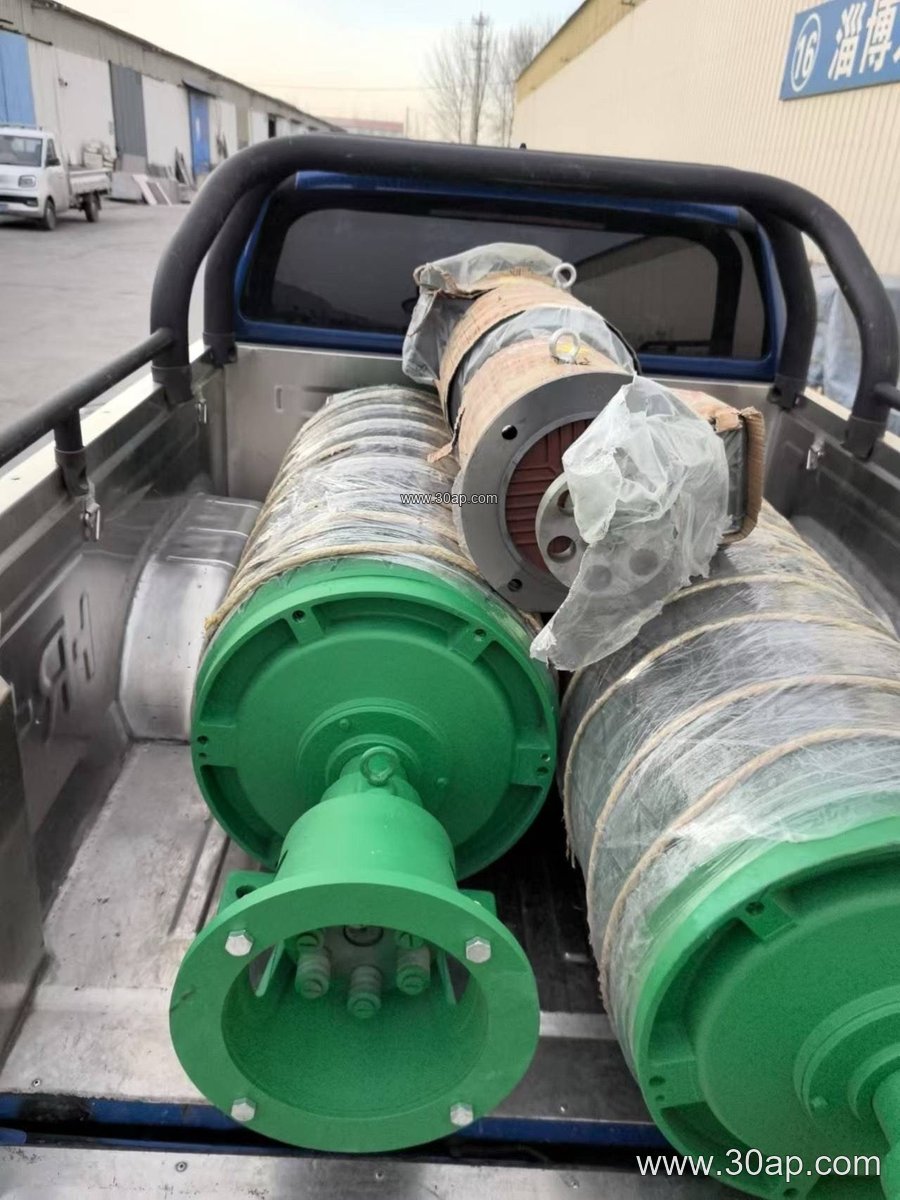
- Drive pulley – transmits power to the belt; often the largest pulley in the system.
- Tail pulley – provides belt tension and return; may be smaller in diameter.
- Bend pulley – changes belt direction, commonly used in multi-pulley drives.
- Take-up pulley – maintains belt tension in conjunction with a take-up system.
Other types such as snub pulleys and wing pulleys serve specific functions like increasing wrap angle or shedding material. Wing pulleys are sometimes used in tail positions where sticky material causes build-up.
Matching Pulley Dimensions to the Conveyor
Pulley diameter and face width are selected based on belt width, belt tension, and drive requirements. The face width is usually slightly wider than the belt to accommodate misalignment. For example, a B800 belt may use a pulley face width around 950 mm. Diameters for coal mine pulleys commonly range from Ø200 mm for small tail pulleys up to Ø1600 mm for large drive pulleys. However, these are reference values and should be confirmed by the conveyor designer.
Belt width and pulley diameter are not in a fixed one-to-one relationship. A B1200 belt could be paired with a Ø1000 drive pulley or a smaller tail pulley depending on tension and space. Shaft diameter is determined by torque and bending loads, not by belt width alone. Typical shaft diameters may range from Ø50 mm to Ø200 mm.
When specifying a conveyor pulley, consider the belt speed, starting and stopping torque, and environmental conditions. Underground coal mining conveyors often require flame retardant and anti-static properties for the belt, and the pulley should be designed to minimize the risk of frictional heating.
Application Notes for Coal Handling
Coal mines present harsh conditions: abrasive dust, moisture, and variable loads. The pulley must resist wear and maintain grip. Lagging selection is important: diamond grooved rubber offers good traction in wet conditions, while ceramic lagging provides high wear resistance for high-tension drives. In coal preparation plants, corrosion-resistant lagging may be needed.
Pulleys are also used in other bulk material industries such as cement plants, power plant coal yards, and quarry operations. The same principles apply, but coal mining conveyors often have additional safety requirements.
Buyer Checklist
- Verify belt width and pulley face width compatibility.
- Confirm the required diameter for drive, tail, and bend positions.
- Specify lagging type and thickness based on material and environment.
- Provide shaft torque and load data to the manufacturer.
- Consider bearing type and sealing for dusty conditions.
- Ensure the pulley design allows for easy maintenance and replacement.
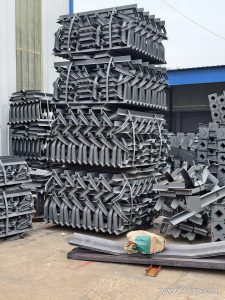
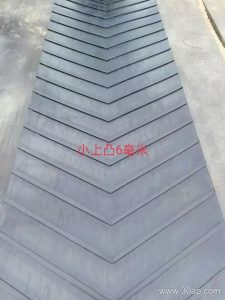
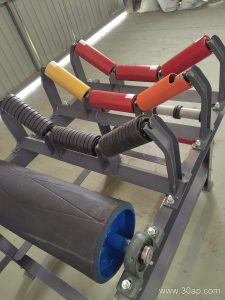
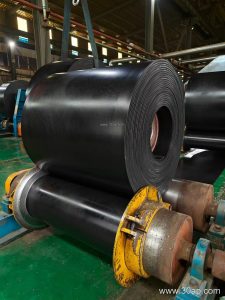
Working with an experienced supplier helps ensure the pulley integrates smoothly with the conveyor belt, idler roller, and conveyor bracket systems. Proper selection and maintenance extend the service life of the entire conveyor system.