What Is an Impact Idler Roller?
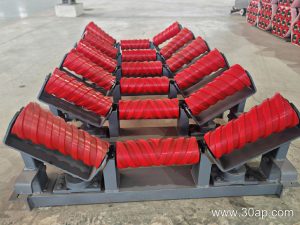
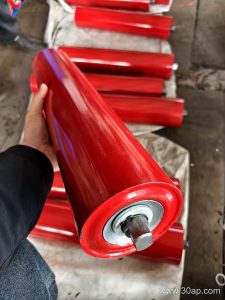
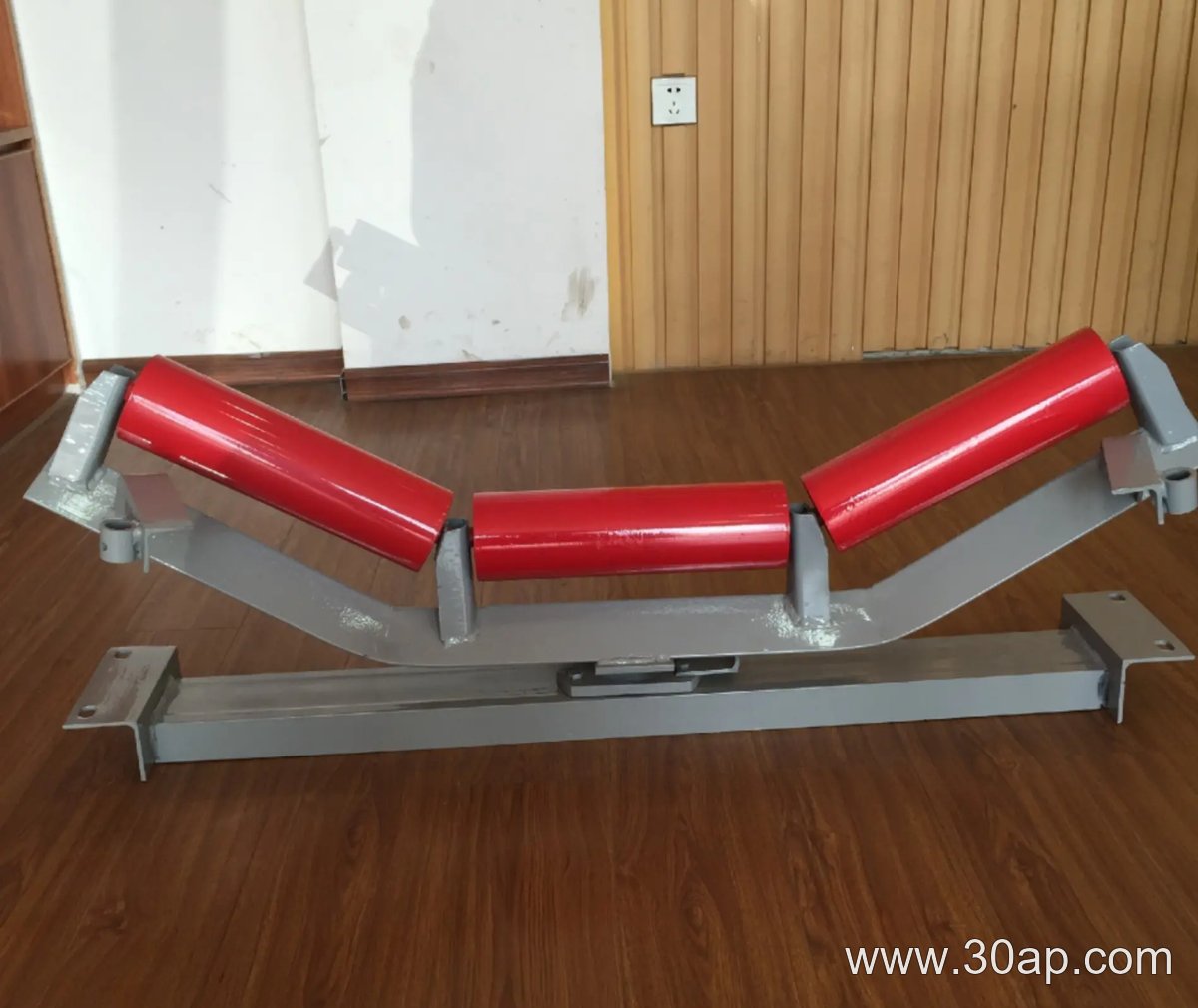
An impact idler roller is a conveyor roller built to take the hit at the loading point. Instead of a rigid steel shell, it uses rubber discs or a thick elastomer coating over a heavy-duty bearing housing. In a dusty quarry, falling rock can hammer a standard roller until the shell dents or the bearing races crack. The impact roller spreads that force across a resilient surface and keeps turning.
Construction and Features
- Rubber or polyurethane discs mounted on a steel shaft
- Sealed, regreasable bearing housings for dust exclusion
- Heavier shaft and end caps than a standard troughing idler roller
Where It Fits
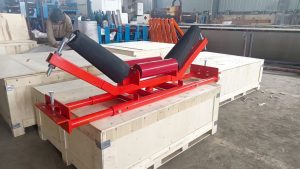
Use impact idler rollers directly under the chute or crusher discharge. Downstream, standard rollers handle the settled load. This division keeps the impact roller from becoming an expensive wear part along the whole belt.
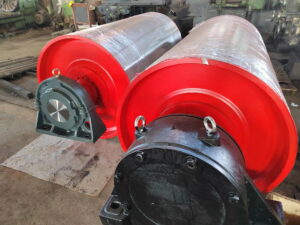
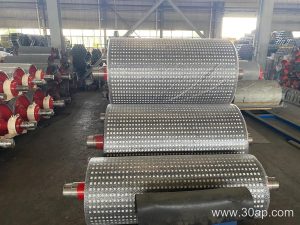
A plain lagged pulley is a conveyor pulley whose shell is covered with smooth rubber or similar elastomer, without grooves or ceramic tiles. Its construction includes a steel shell, end discs, hub, shaft, and a lagging layer bonded or bolted to the shell. The smooth lagging increases friction between the pulley and belt, reducing slip under moderate loads.
Where a Plain Lagged Pulley Fits on a General Manufacturing Line
On a general manufacturing line handling packaged goods or non-abrasive materials, a plain lagged pulley is often used as a drive or tail pulley. Its smooth surface sheds dust and prevents material buildup better than grooved lagging. It is not ideal for wet or oily conditions where water can be trapped, but for dry, clean environments it offers reliable torque transmission and long belt life.
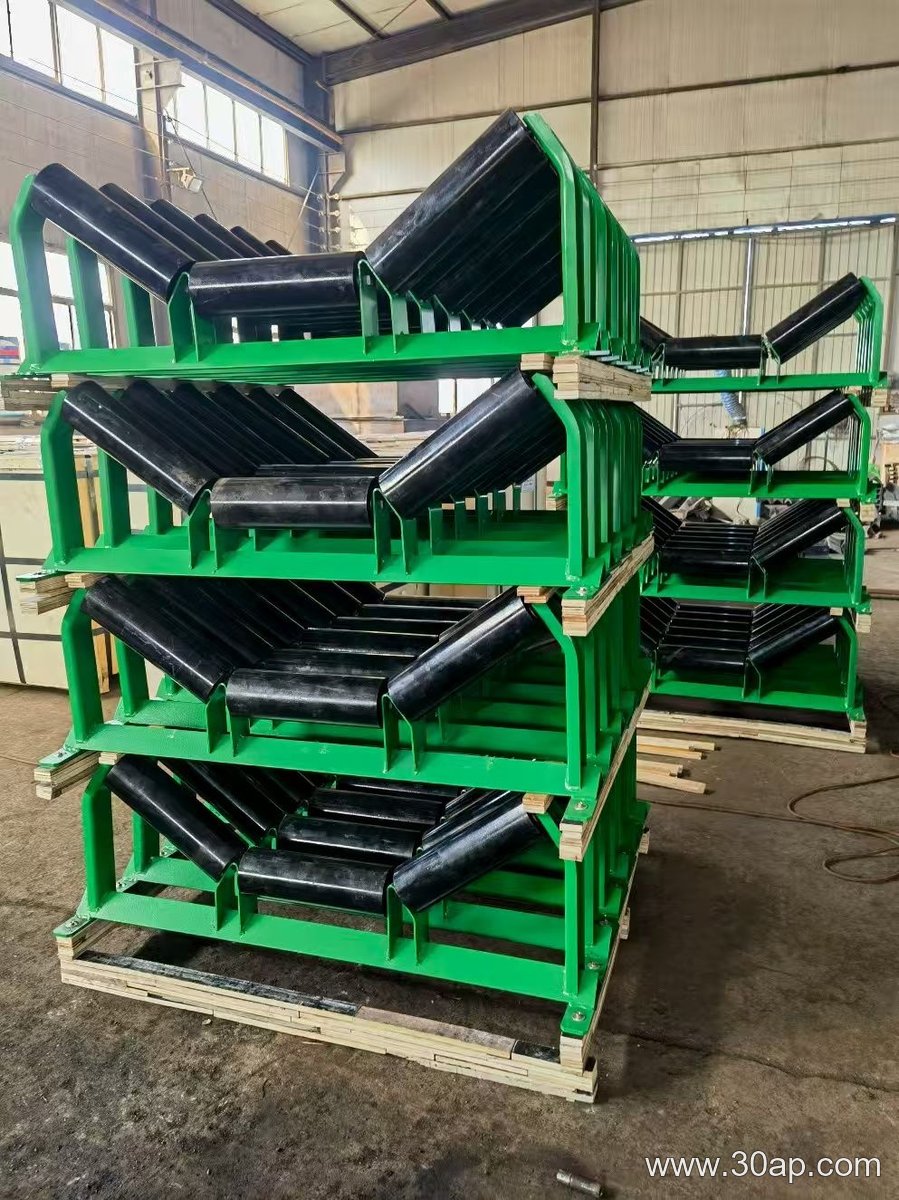
- Features: uniform friction, easy cleaning, low noise, and simple installation.
- Uses: assembly lines, sorting conveyors, and light-duty transport.
When specifying a plain lagged pulley, match the lagging thickness and hardness to the belt tension and speed. A hypothetical example: a 400 mm diameter pulley with 6 mm rubber lagging on an 800 mm wide belt in a dry packaging area. Always confirm that the lagging is bonded correctly to avoid separation.
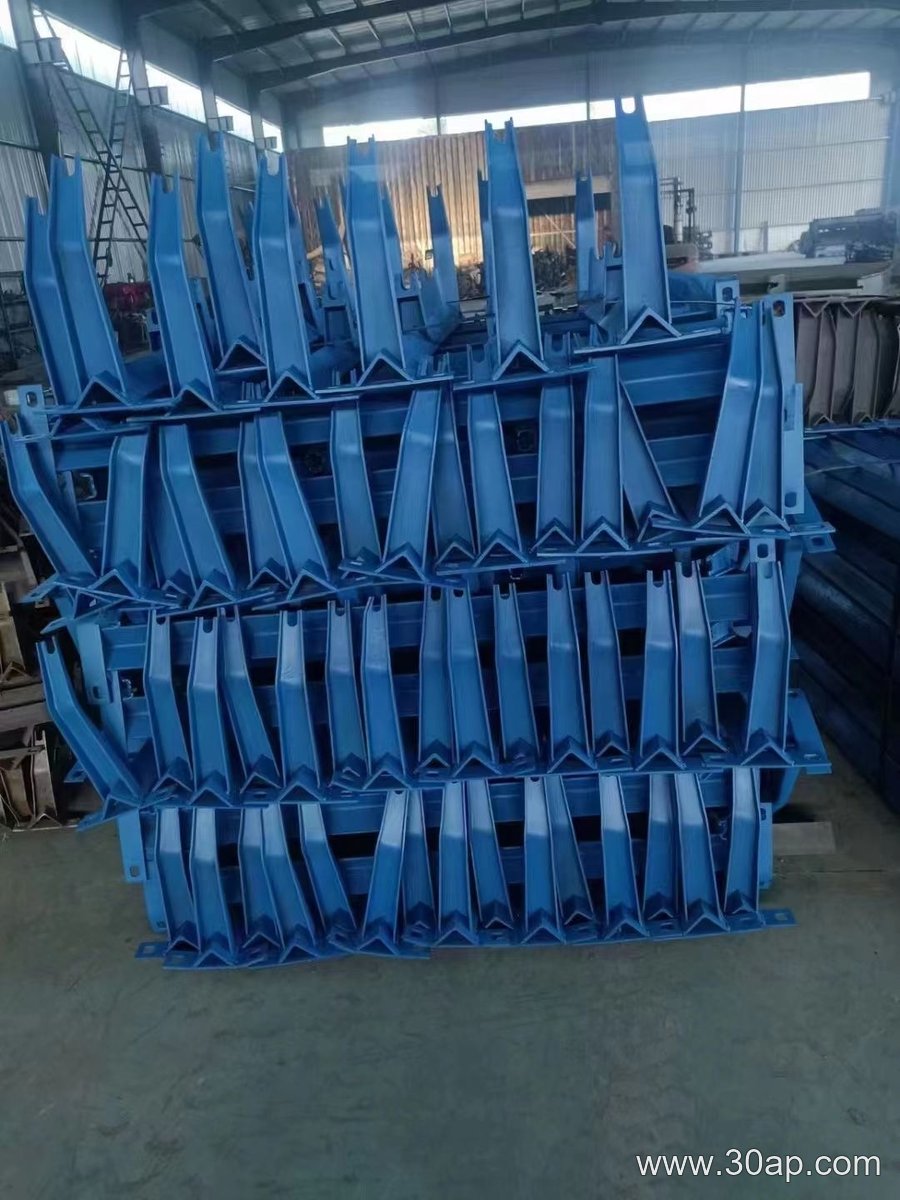
When budgeting a conveyor bracket for a general manufacturing line, the purchase price is only the beginning. The true cost depends on material, dimensions, manufacturing route, and freight.
Four Cost Factors for a Conveyor Bracket
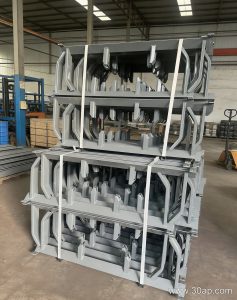
- Material grade and finish — carbon steel costs less than stainless, but may need coating.
- Dimensions and weight — larger brackets use more steel and raise shipping weight.
- Manufacturing method — laser cutting, bending, and welding add labor; simple designs cost less.
- Freight distance and mode — heavier, bulkier brackets cost more to ship, especially overseas.
For a hypothetical line, a lighter bracket may reduce freight enough to offset a higher unit price. Always compare landed cost, not just quote price.
Cost Factors for a Conveyor Belt
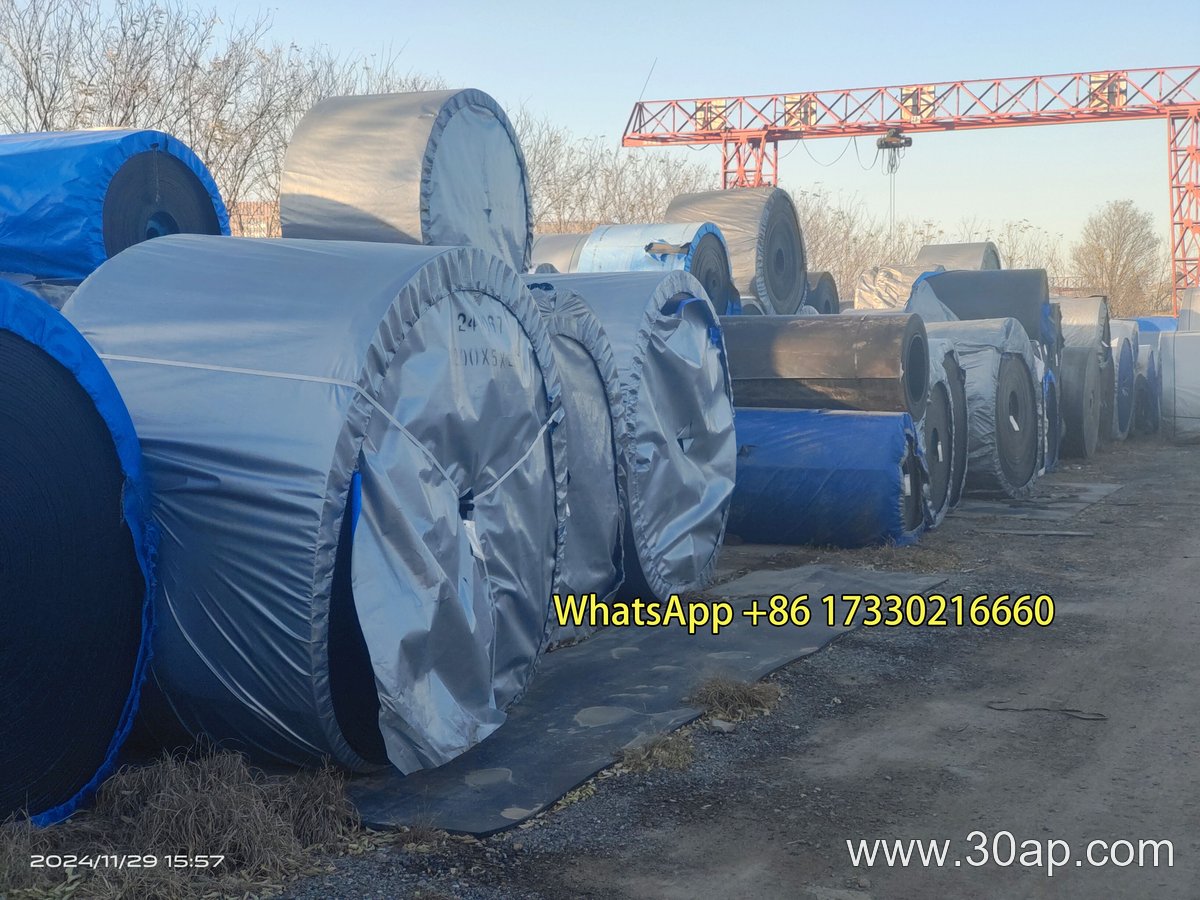
In a mineral processing plant, the cost of a conveyor belt depends on material, dimensions, manufacturing, and freight. Each factor interacts with the others.
Material
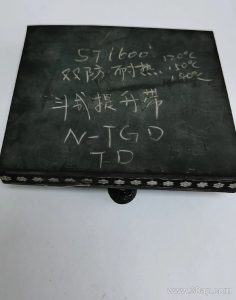
The cover compound and carcass determine wear resistance, heat tolerance, and strength. Higher-grade rubber or steel cord increases cost.
Dimensions
Width, length, and thickness drive the amount of material used. A wider or longer conveyor belt requires more raw material and may need special handling.
Manufacturing
Production method, cure time, and quality control affect labor and energy costs. Custom splices or edge profiles add steps.
Freight
Weight and volume influence shipping. A heavy conveyor belt costs more to transport, especially over long distances.
Balancing these factors helps specify a conveyor belt that meets duty without overspending.