What a Conveyor Idler Bracket Does
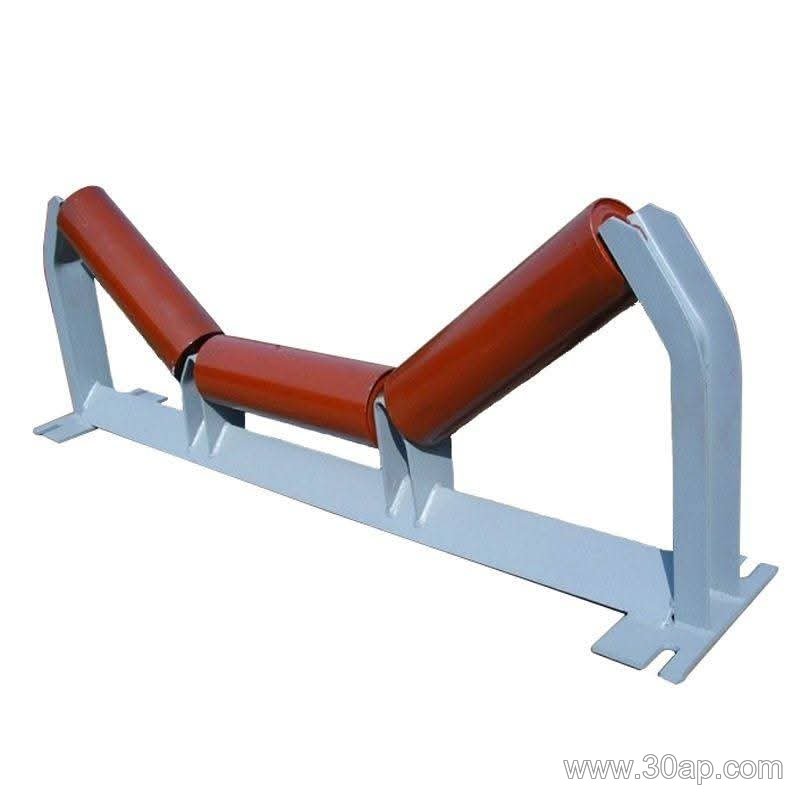
A conveyor idler bracket is the structural support that holds idler rollers in position along a belt conveyor. It connects the idler roller shaft to the conveyor frame, keeping each roller at the correct height, angle and alignment. Without a stable bracket, the belt would sag, drift or wear unevenly. In many conveyors, the bracket also sets the trough angle that shapes the conveyor belt into a curved profile, helping material stay centered on the carrying side.
This component is sometimes called a conveyor bracket or idler frame, but those names refer to the same supporting element in a belt conveyor system. It should not be confused with a drive pulley, tail pulley or bend pulley, which are rotating drums at the ends and turns of the conveyor. Those are different assemblies with different functions.
How the Bracket Is Built
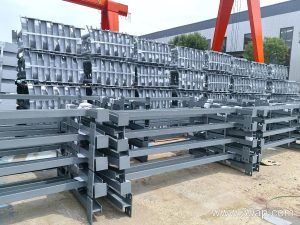
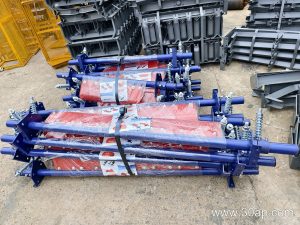
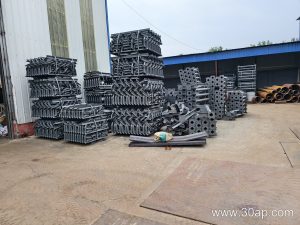
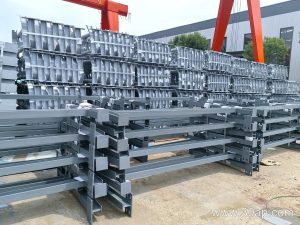
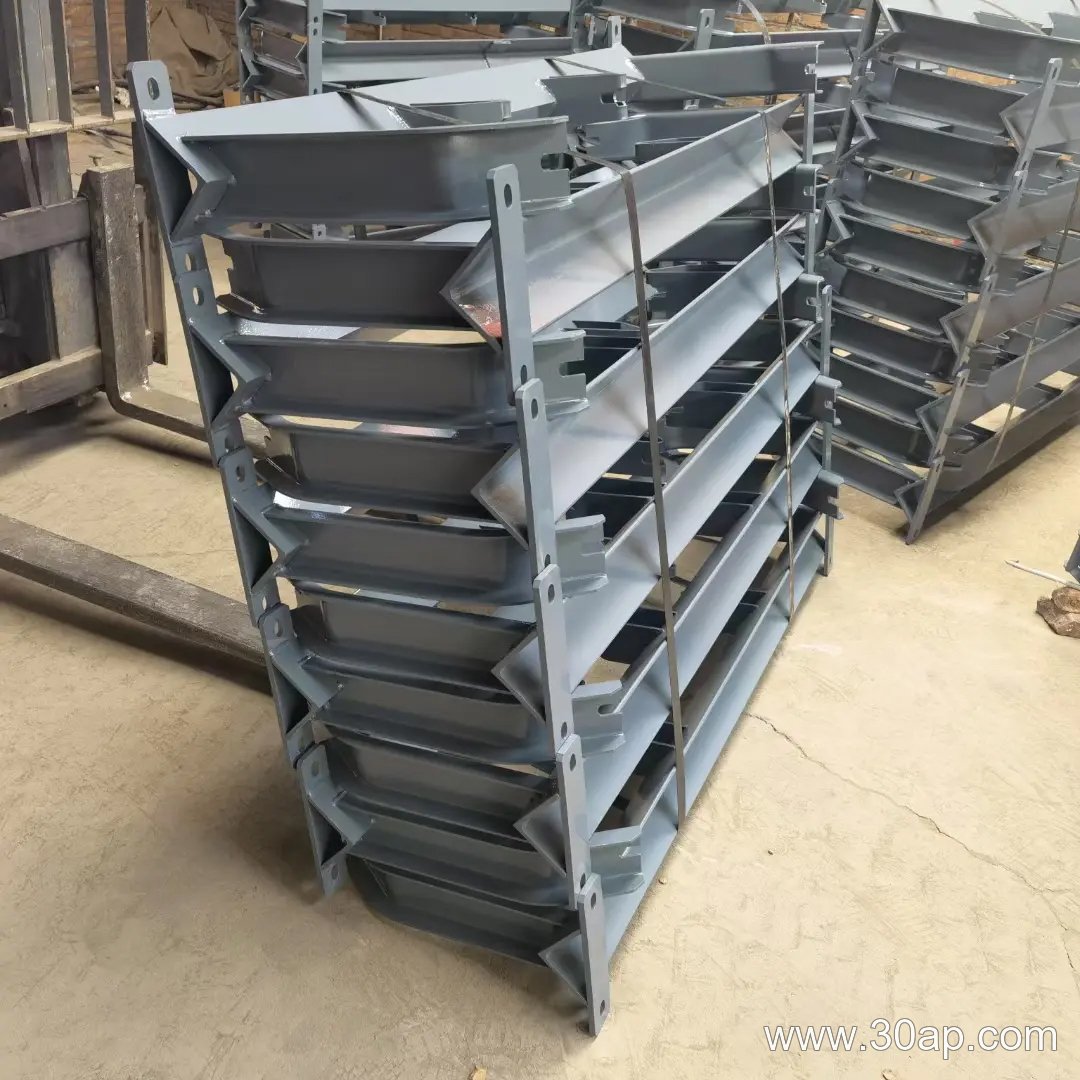
Most brackets are fabricated from angle steel, channel steel or folded steel plate. The choice of material depends on load, belt width and environmental conditions. A typical troughing bracket has mounting holes for three idler rollers: one flat or slightly angled center roller and two side rollers set at the trough angle. Return brackets are usually simpler, holding a single flat roller or a V-shaped return roller set under the belt.
Some designs are fixed, while adjustable brackets allow the trough angle to be changed between common values such as 20 degrees, 30 degrees, 35 degrees and 45 degrees. Adjustment slots or multiple bolt positions make this possible. For training the belt, a forward-tilted bracket may set the side rollers at about 1.5 to 2 degrees ahead of the belt direction. Impact brackets use cushioning rollers under the loading point to absorb falling material.
Where It Fits in a Conveyor
The bracket mounts on the conveyor stringer or frame at regular intervals. On the carrying side, troughing brackets support the loaded belt. On the return side, flat or V-return brackets support the empty belt. Transition brackets are placed near the head or tail to guide the belt from a flat pulley profile into a troughed profile gradually.
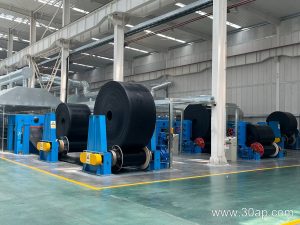
Typical applications include a quarry feeding a crusher, a coal handling system in a power plant, a cement plant clinker line or a sand and gravel operation. The same bracket concept appears in grain silos, fertilizer plants and port conveyor systems, though the materials and surface treatments may differ.
Matching Brackets to Belt and Roller
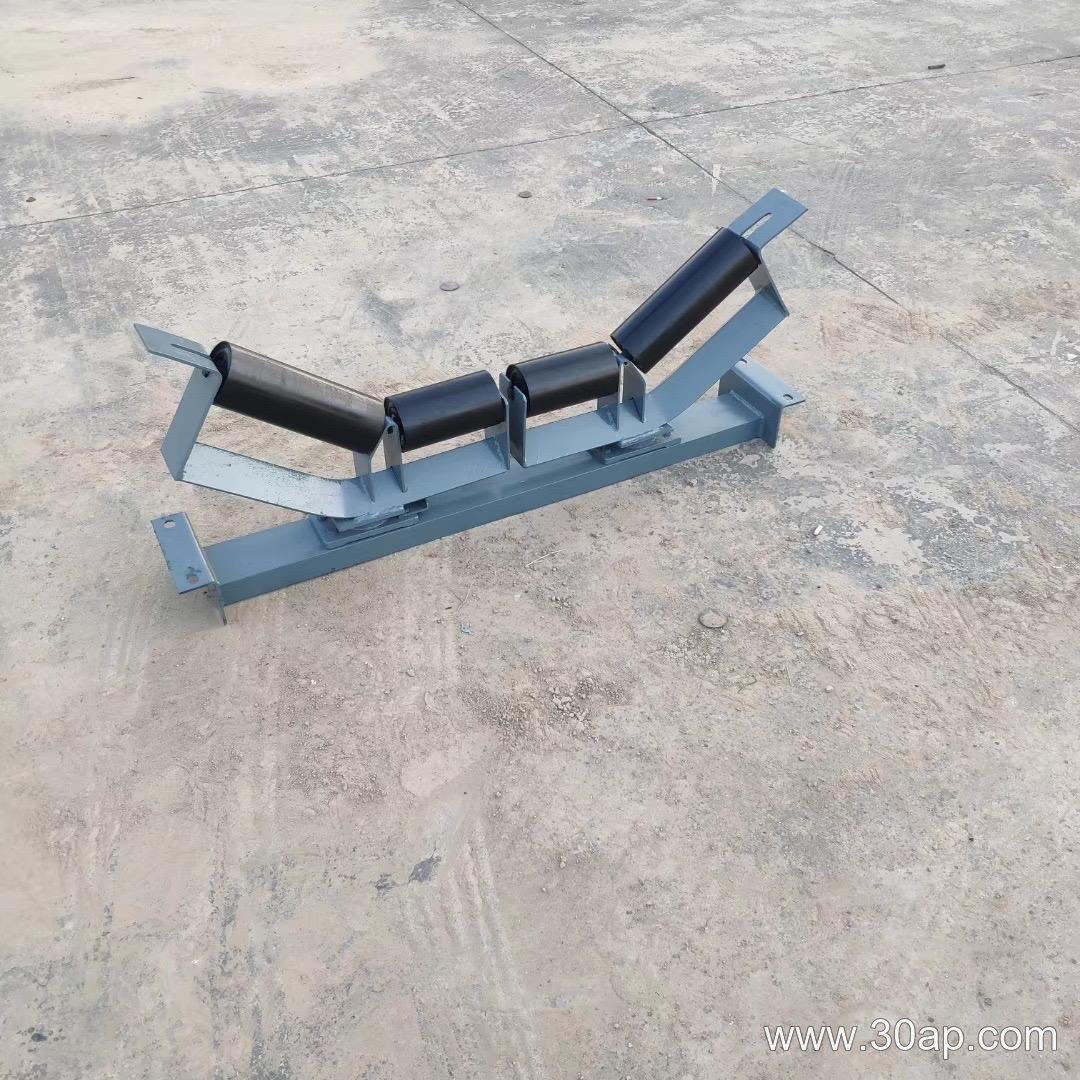
Belt width and roller diameter are related but not locked together. A bracket for B800 belt may accept rollers with a shaft diameter of Ø89 or Ø108, depending on the design load and roller series. A wider B1200 conveyor with a 45 degree trough angle might use Ø133 rollers, while a heavy-duty B1600 line could use Ø159 or Ø194. These are common examples, not fixed rules. The mounting hole spacing, crossbeam length and overall bracket width are determined by the belt width, trough angle and frame design.
When selecting a bracket, confirm the belt width, trough angle, roller diameter, shaft end type and mounting hole pattern. Also consider the material being conveyed, the load per roller and the ambient conditions. A bracket that fits the frame but does not match the roller shaft will not assemble correctly, and a bracket with the wrong trough angle can cause material spillage or belt mistracking.
What Buyers Should Check
- Bracket type: troughing, return, transition, impact, training or adjustable.
- Belt width and frame mounting dimensions.
- Trough angle if applicable, such as 20, 30, 35 or 45 degrees.
- Roller shaft diameter and end shape.
- Material thickness and finish for the working environment.
- Compatibility with the existing idler roller and conveyor bracket layout.
A conveyor idler bracket is a small but critical part of a belt conveyor. It affects belt alignment, roller life and material containment. Choosing the right bracket for the belt width, trough angle and roller size keeps the conveyor running smoothly and reduces maintenance downtime.