What an 1800mm Conveyor Belt Is
A 1800mm conveyor belt is a wide-format belt with a nominal width of 1800 millimeters, often written as B1800 in specification sheets. It is a heavy-duty product built for high-tonnage conveying, where a narrower belt would need unworkable speed or would simply not carry the required lump size and volume. This is not a general-purpose belt chosen by habit; it is a size class that follows from the duty, the material and the conveyor geometry.
The same product also appears in some documents as an 1800 mm wide conveyor belt or a belt of 1800 mm width. All three descriptions refer to the same item. Width is one dimension, not a full specification, so an 1800mm belt must still be defined by its carcass, cover grade and tension rating.
How the Belt Is Built
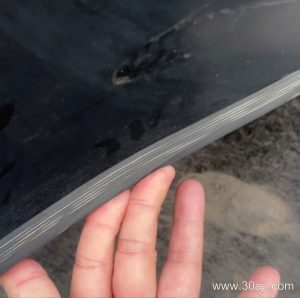
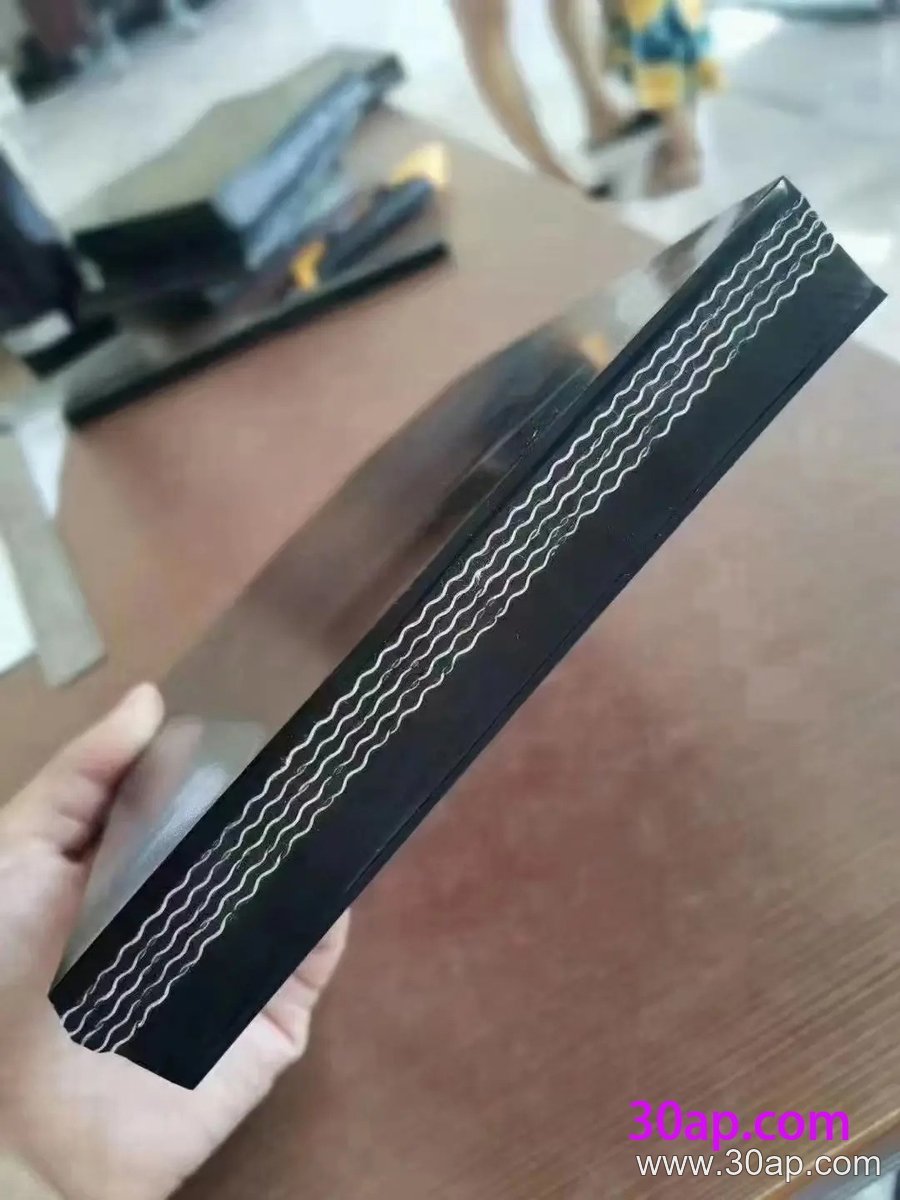
The carcass carries the load and resists stretching. Common constructions include EP (polyester-polyamide) fabric, NN nylon fabric, and steel cord. Fabric belts typically use two to six plies, while steel cord belts use a single layer of cords for very long runs and high tension.
Strength grades such as EP200, EP630, EP1000 or EP1600 describe the breaking strength of the carcass. The correct grade depends on the calculated belt tension, which in turn depends on the load, the incline, the length and the friction losses. A 1800mm belt in a short, lightly loaded application may use a modest grade, while the same width on a long incline may need a much stronger carcass.
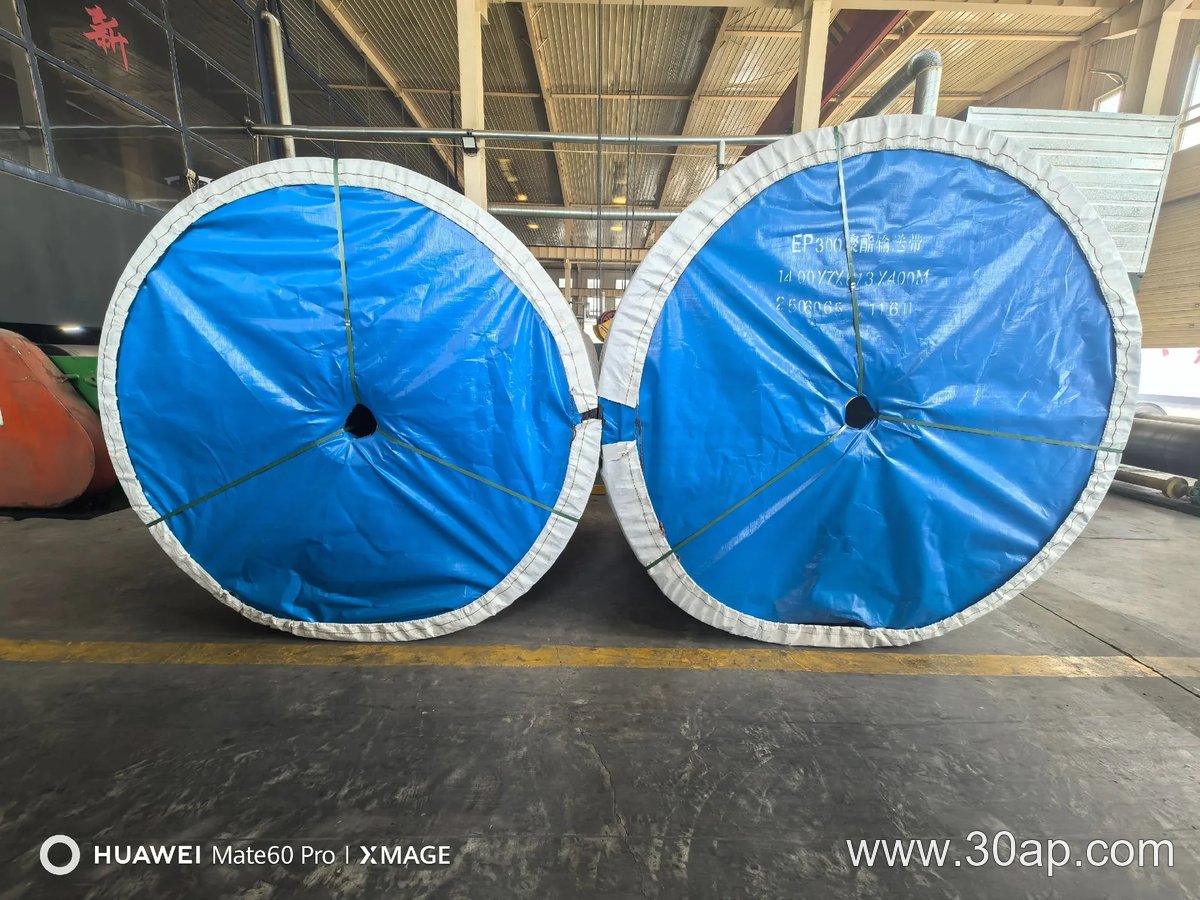
Rubber covers protect the carcass from abrasion, impact and the material itself. Typical cover combinations are stated as top thickness plus bottom thickness, for example 4+2, 5+2, 6+2 or 8+3 mm. A thick top cover suits sharp, abrasive rock; a thinner cover is reasonable for sand, grain or packaged goods. Special cover grades are available for heat, oil, flame resistance, antistatic service, cold climates and acidic or alkaline environments.
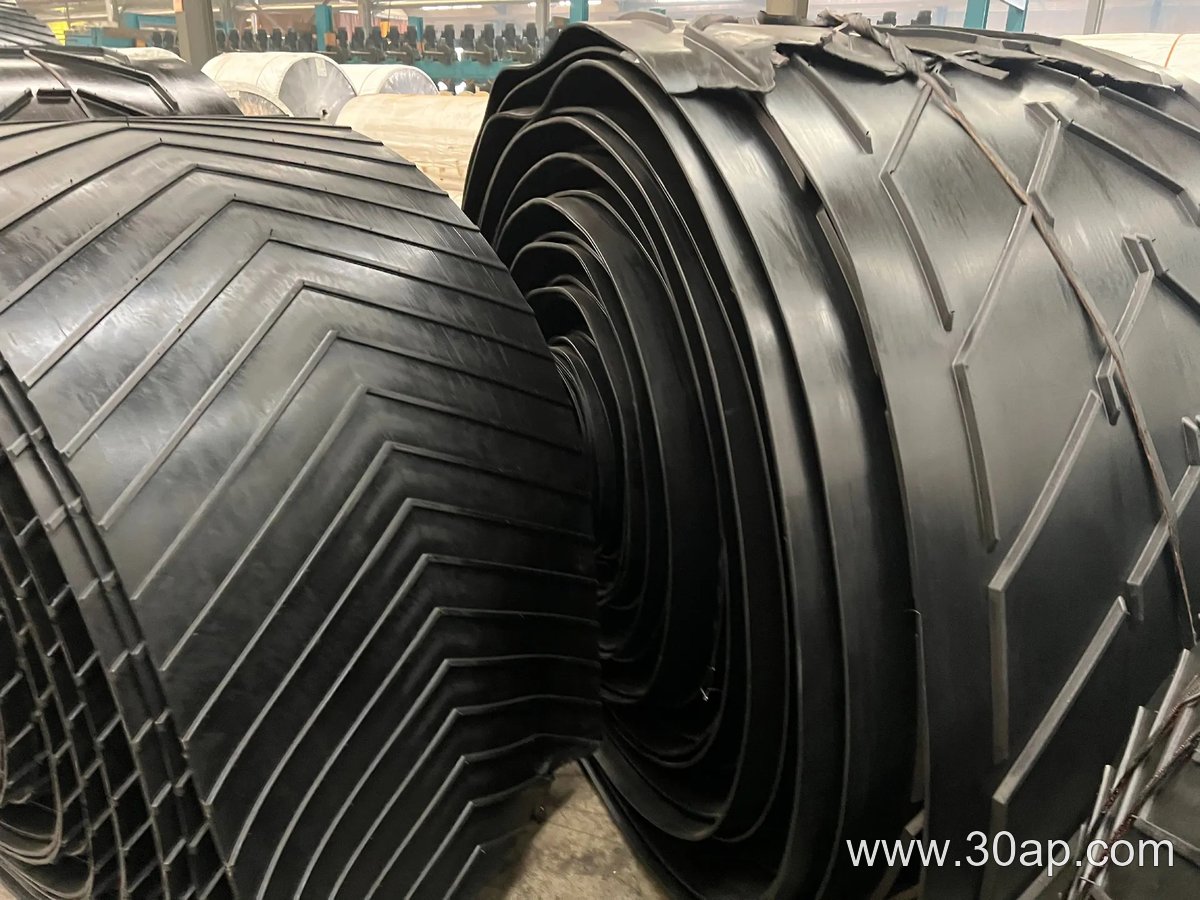
Surface form is another variable. A smooth belt is standard for most bulk handling. Patterned surfaces such as chevron or herringbone improve grip on inclines, and corrugated sidewall belts contain material on steep or vertical sections.
Where Wide Belts Are Used
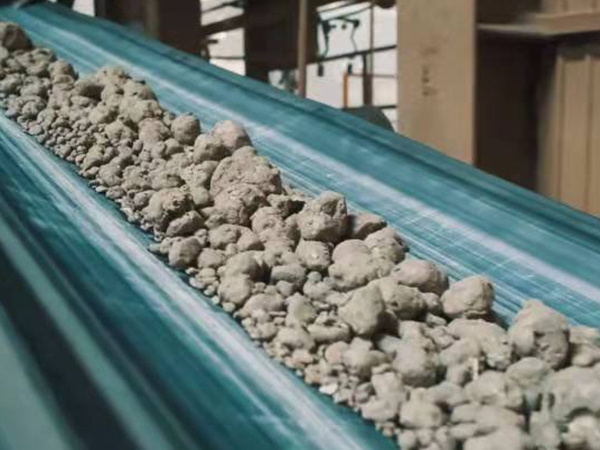
An 1800mm belt usually appears in primary crushing stations, large stockyards, port bulk terminals, mine-to-plant conveyors and heavy bulk handling lines. It suits materials such as iron ore, coal, crushed stone, copper ore, bauxite and large-size lump feed. The width allows high capacity at a moderate belt speed and reduces the risk of spillage from oversized lumps.
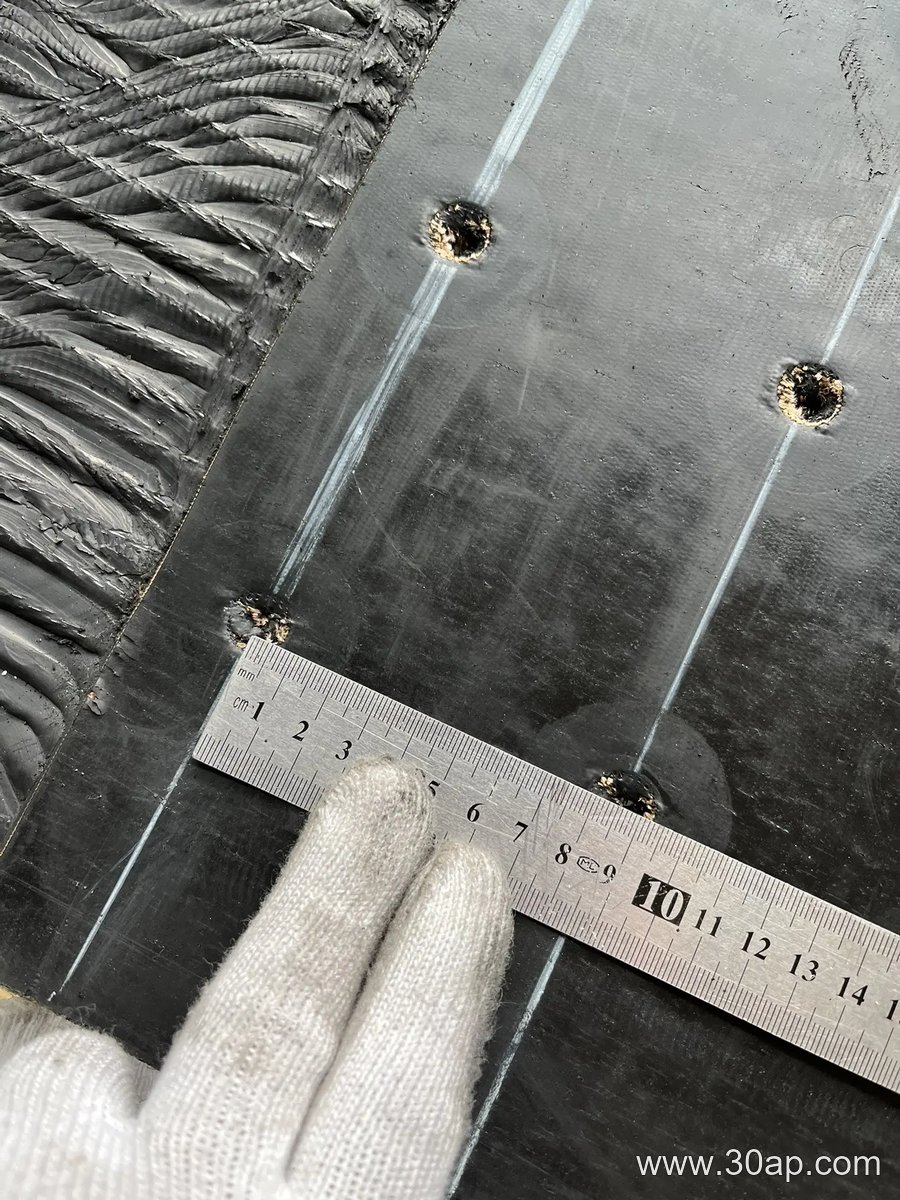
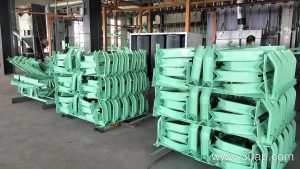
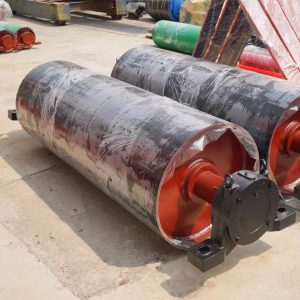
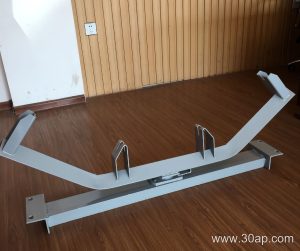
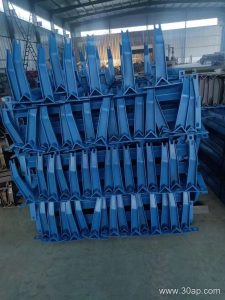
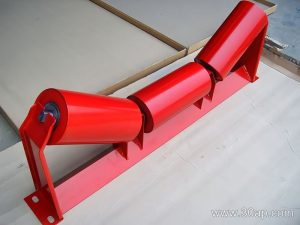
Wide belts place heavy demands on the rest of the conveyor. The belt must be supported by idler rollers sized for the load, trained by carefully aligned idlers, and wrapped around a conveyor pulley whose face width matches the belt. A conveyor pulley at the head or tail must be wide enough and strong enough for the tension involved. Brackets and frame sections must carry the additional weight without deflection. None of these components can be chosen from belt width alone.
Selection Points for Buyers
Buyers should prepare a short data sheet before requesting a quote: material type, lump size, bulk density, capacity in tonnes per hour, conveyor length, incline angle, loading method, ambient conditions and whether the belt will run outdoors. From these, the supplier can propose a carcass, strength grade and cover.
Several practical questions matter. Is the material abrasive, hot, oily or chemically active? Will the belt start loaded? Is there a risk of static discharge or fire? Does the installation include a tripper, a shuttle, or a steep section that calls for a different surface form? The answers decide the cover grade and surface type.
Installation and Maintenance Notes
A belt of this width is heavy and stiff, so handling and splicing need proper equipment. Vulcanized splices are common for high-tension fabric and steel cord belts; mechanical fasteners may be used for shorter or temporary runs. Splice quality strongly affects belt life.
Alignment is critical. A wide belt will migrate if the pulleys are not square, if idlers are misaligned, or if loading is off-center. Regular inspection should cover edge wear, cover gouges, splice condition, pulley lagging, idler rotation and material build-up on return rolls. Keeping the belt clean and the structure aligned prevents most premature failures.
An 1800mm conveyor belt is therefore best understood as part of a system rather than a standalone part. The width sets the scale, but the carcass, cover and conveyor hardware determine whether the installation performs reliably.