What the Conveyor Belt Support Frame Does
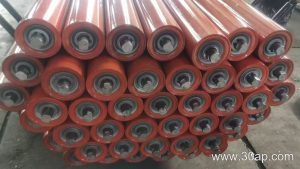
A conveyor belt support frame is the structural element that holds idlers in position along a conveyor line. It carries the weight of the belt and the material on it, transfers that load into the conveyor structure, and sets the trough profile that keeps bulk material centered. In a quarry, a cement plant, or a power plant coal yard, the frame is the part that quietly decides whether the belt runs true or wanders. It is sometimes called a conveyor idler frame or idler support bracket, and it works together with conveyor idler rollers, pulleys, and the belt itself.
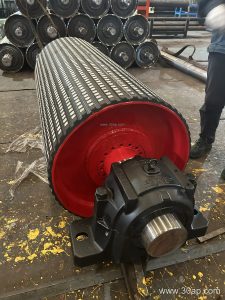
The frame is not a pulley. Drive pulleys, tail pulleys, and bend pulleys transmit motion and change belt direction; the support frame simply holds the carrying and return idlers at the correct height, angle, and spacing. Mixing these roles up in a purchase order is a common and costly mistake.
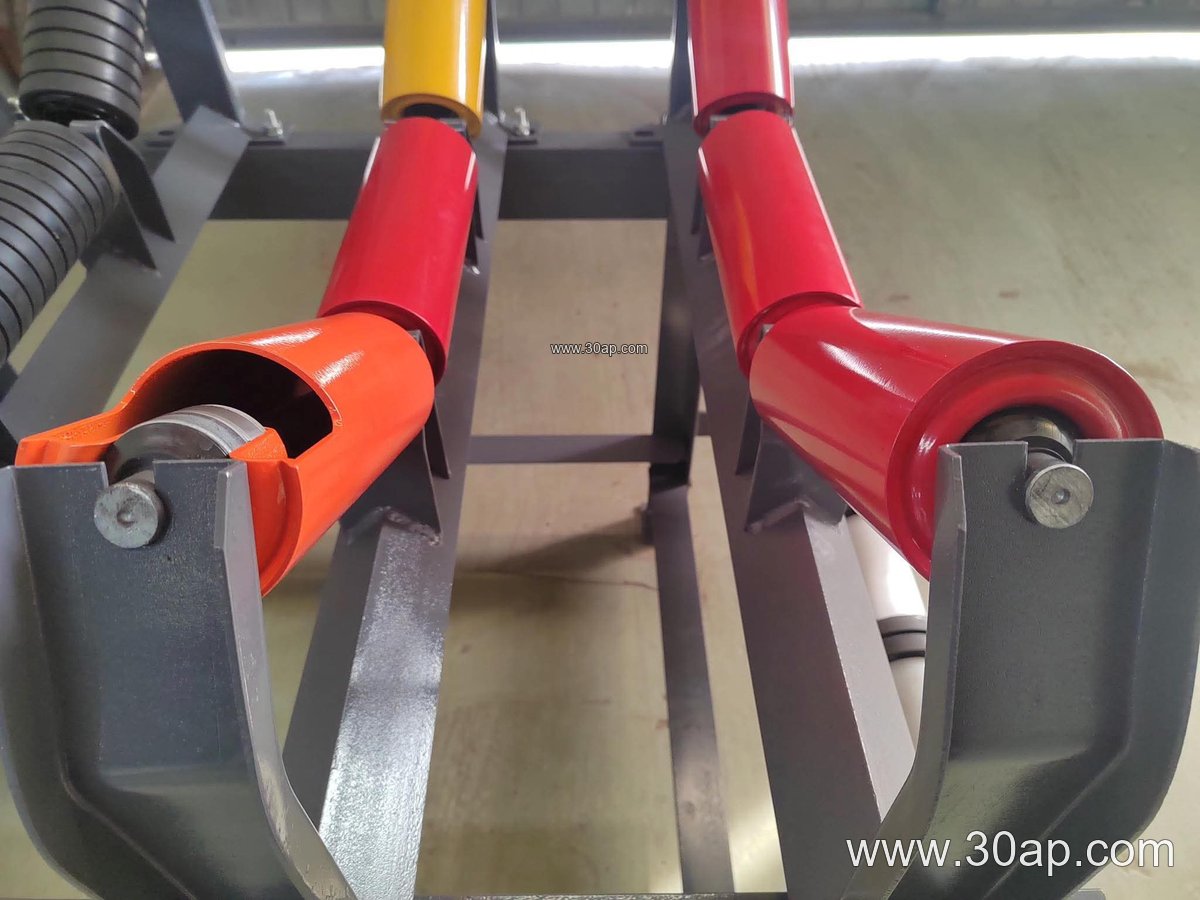
How the Frame Is Built
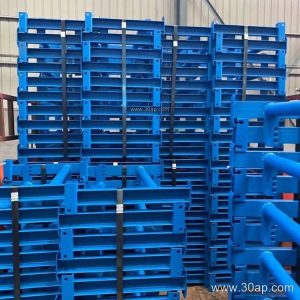
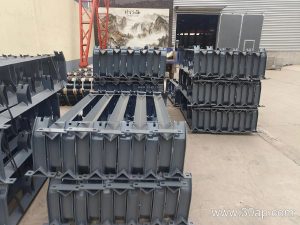
Most frames are fabricated from angle steel, channel steel, or folded steel plate, then drilled or punched for idler mounting. A typical carrying frame has two inclined side arms and a horizontal center section; the angle between the side arms and the horizontal defines the trough angle. Return frames are usually flatter, and a V-return frame uses two rollers set in a shallow V to help center the belt on the return run.
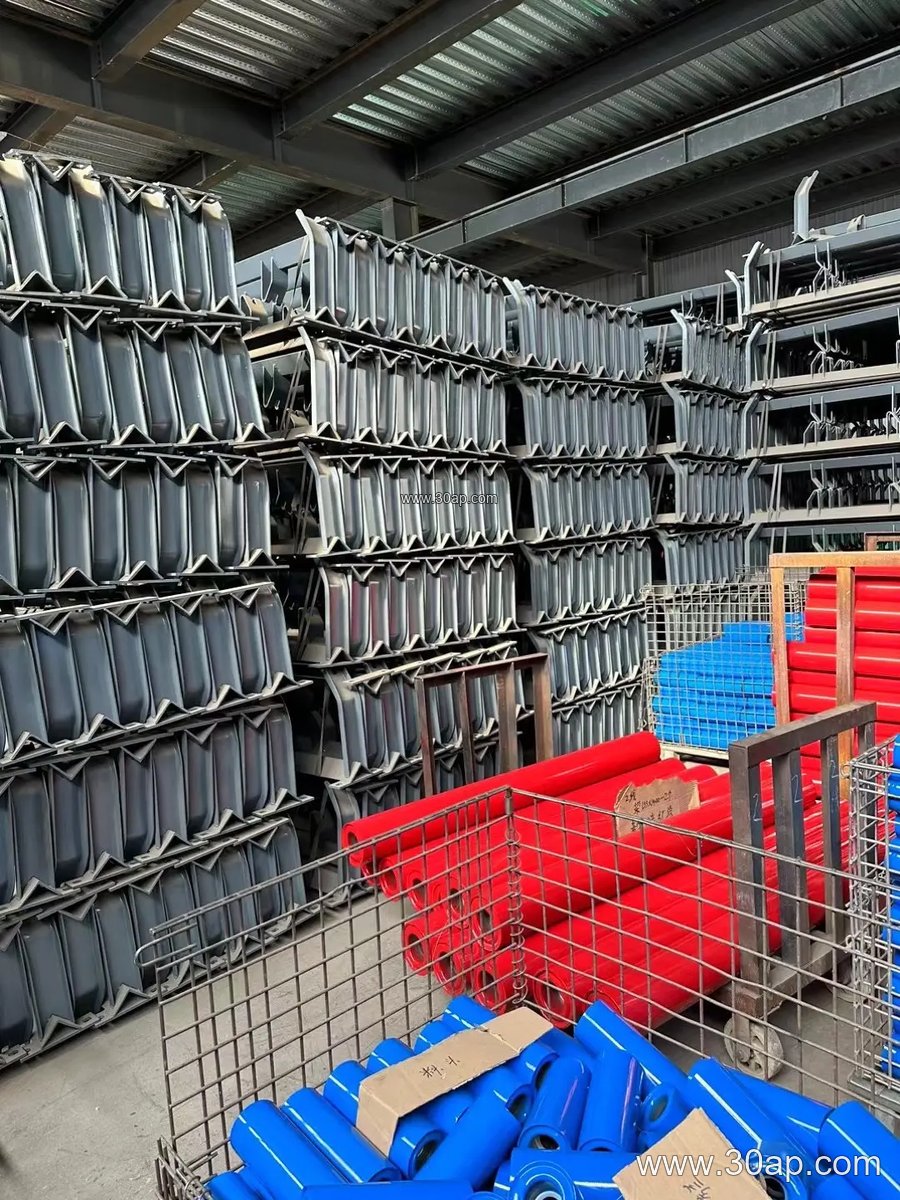
Welded construction is common, with bolted frames used where site assembly or later adjustment is expected. Surface treatment is usually painting or galvanizing, chosen according to the environment. In a wash plant or a coastal port, corrosion protection matters as much as steel thickness.
Common Types and Where They Fit
- Troughing frames carry the loaded belt and are the most common type on the upper run.
- Transition frames sit near pulleys, easing the belt from flat to troughed.
- Impact frames with cushion idlers are placed under loading points in crusher and screen discharge areas.
- Return and V-return frames support the empty belt, with the V form aiding tracking.
- Self-aligning frames correct minor belt drift on long runs.
- Adjustable frames allow the trough angle to be changed within a range.
- Hanging frames are suspended from the structure where floor space is limited.
Fixed and adjustable frames differ mainly in flexibility. A fixed frame is simple and rigid, while an adjustable one lets maintenance staff tune the trough angle as belt loading or material changes over time.
Matching Frames to Belt Width and Idler Diameter
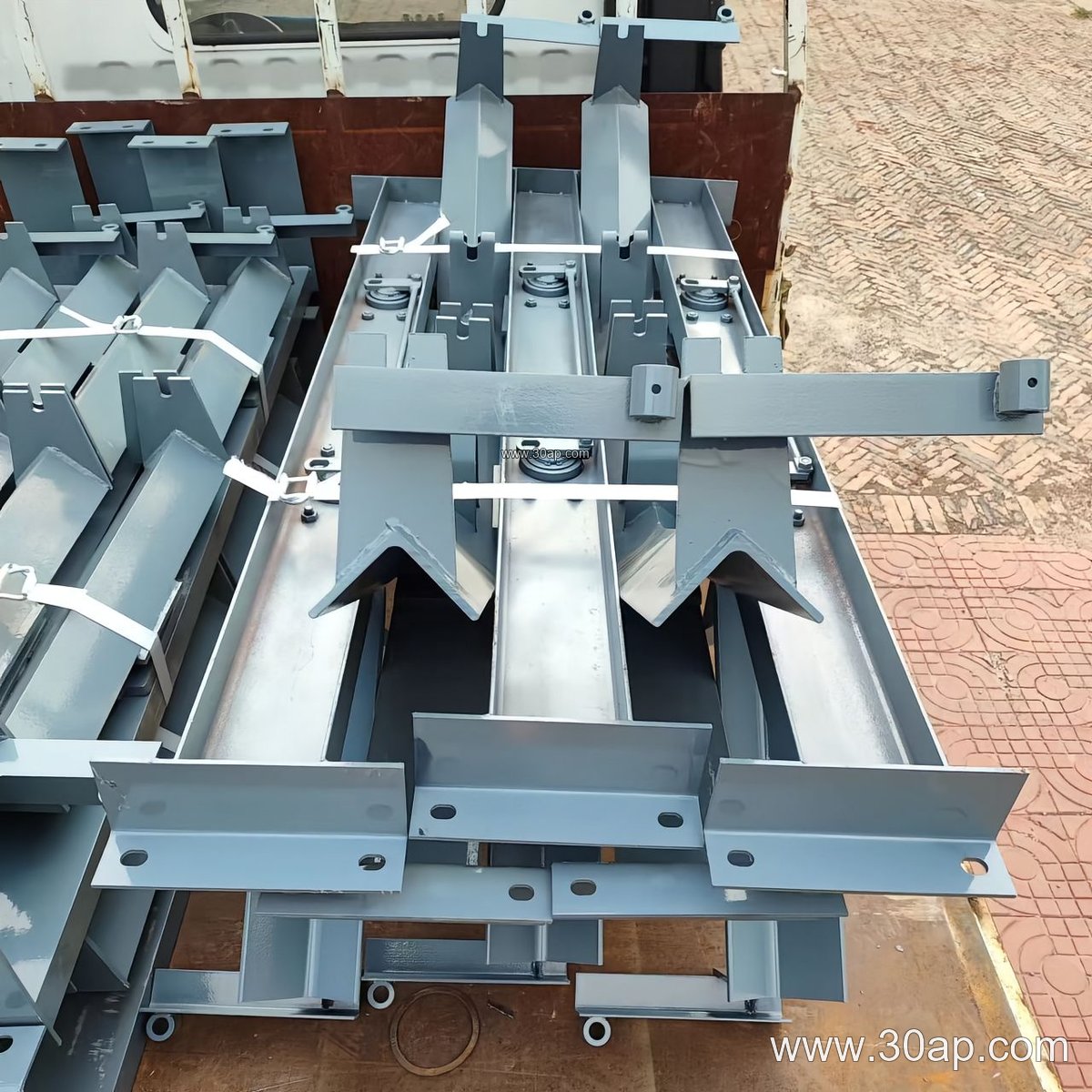
Frame length, mounting hole spacing, and crossbeam dimensions follow the belt width and the chosen trough angle; they are not universal. Common belt widths run from B500 through B2000 and beyond, and common idler diameters include Ø89, Ø108, Ø133, Ø159, and Ø194. These are reference ranges, not fixed pairings. A B800 frame at 35 degrees with Ø108 idlers is a typical combination, and a B1200 frame at 45 degrees with Ø133 idlers is also common, but the final match is set by the conveyor design, belt tension, and material load.
| Frame Type | Typical Belt Width | Trough Angle | Idler Diameter |
|---|---|---|---|
| Troughing frame | B500 to B1400 | 20 to 45 degrees | Ø89 to Ø159 |
| Transition frame | B650 to B1600 | 20 to 35 degrees | Ø108 to Ø159 |
| Impact frame | B800 to B1800 | 30 to 45 degrees | Ø133 to Ø194 |
| V-return frame | B500 to B1600 | V form | Ø89 to Ø159 |
| Adjustable frame | B650 to B2000 | 20 to 45 degrees | Ø108 to Ø194 |
Values in the table are indicative only. Hole spacing and beam length should always be confirmed against the conveyor drawing.
Applications in Bulk Handling
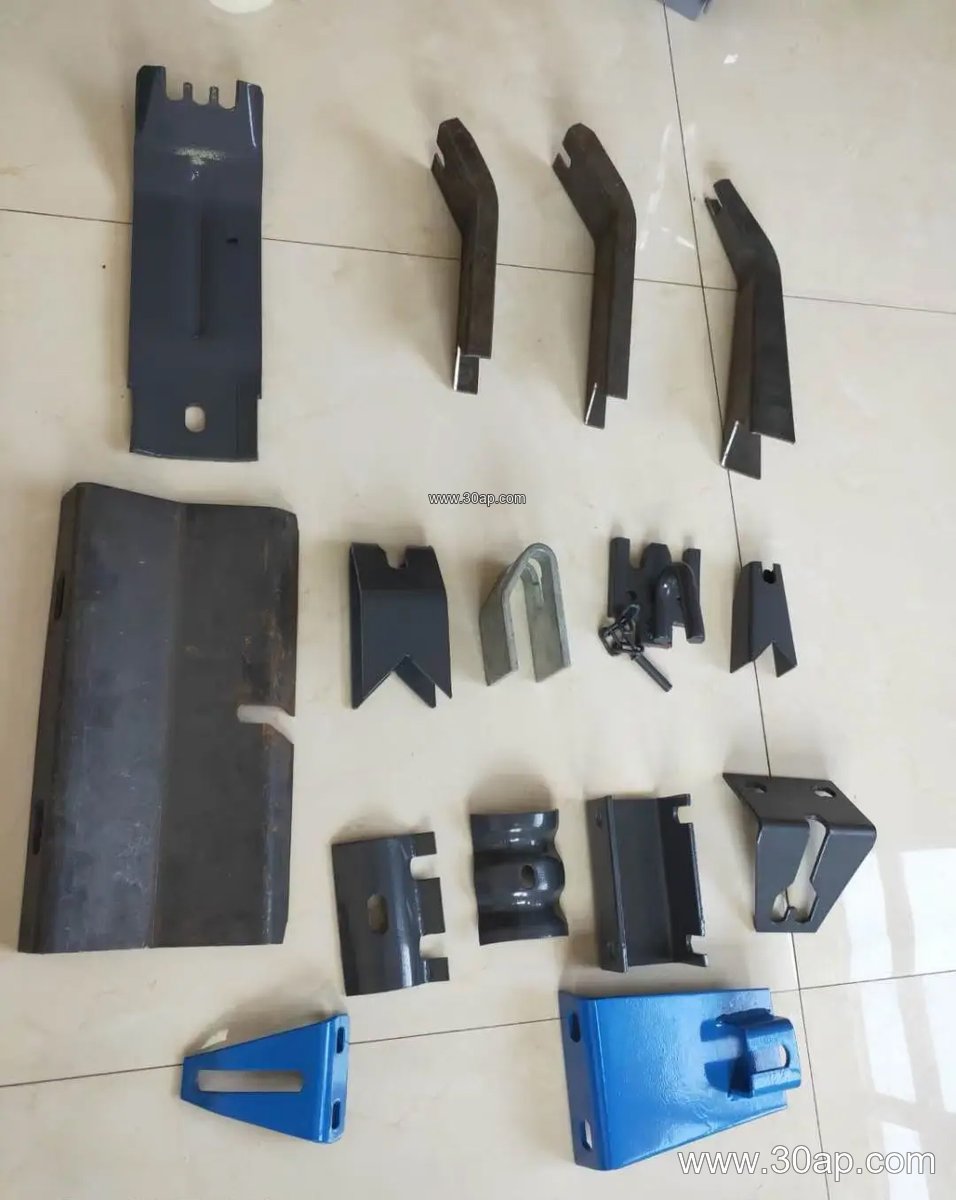
Support frames appear wherever a belt carries material. In a limestone quarry or aggregate line, troughing and impact frames sit under crusher discharge and transfer points. In a cement plant, frames hold idlers beneath clinker and raw meal belts. In a power plant coal yard, flame retardant belts run on frames designed for dusty, sometimes wet conditions. Port ship loaders and steel plant sinter lines use similar frames on long inclined runs.
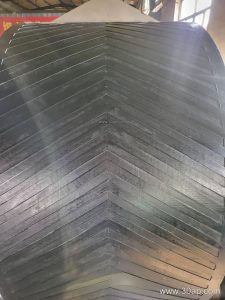
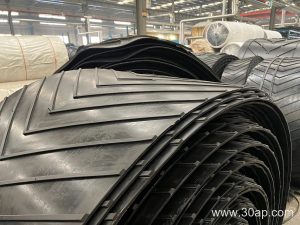
The frame must suit the belt it carries. A heavy-duty mining conveyor belt with a steel cord carcass needs a stiffer frame and larger idlers than a light fabric belt on a short transfer. An EP conveyor belt or NN conveyor belt on a medium-duty line may use a lighter frame, while a chevron or corrugated sidewall belt needs clearance checked at the frame edges.
What Buyers Should Check
- Belt width and trough angle, confirmed against the conveyor layout.
- Idler diameter and the matching mounting slot or hole pattern.
- Frame material and finish for the site environment.
- Whether fixed or adjustable frames are preferred for maintenance.
- Compatibility with the pulley arrangement and take-up travel.
A well-chosen support frame is not the most visible part of a conveyor, but it keeps the belt, idlers, and material moving in line. Buyers who confirm dimensions, angle, and finish before ordering avoid most tracking and wear problems later.