What a Return Idler Bracket Does on a Conveyor
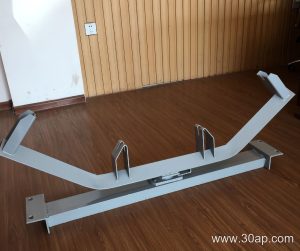
A return idler bracket is the structural support that holds the lower, returning run of a conveyor belt. While the carrying side gets most of the attention, the return side quietly does its own job: it keeps the belt aligned, prevents sag, and protects the belt edges from rubbing against the frame. In a quarry, a cement plant, or a coal handling system, a well-matched return idler bracket can mean fewer tracking problems and longer belt life. The bracket itself is a simple component, but it must fit the belt width, the idler roller diameter, and the overall frame design.
How It Is Built and Where It Sits
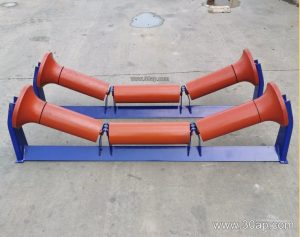
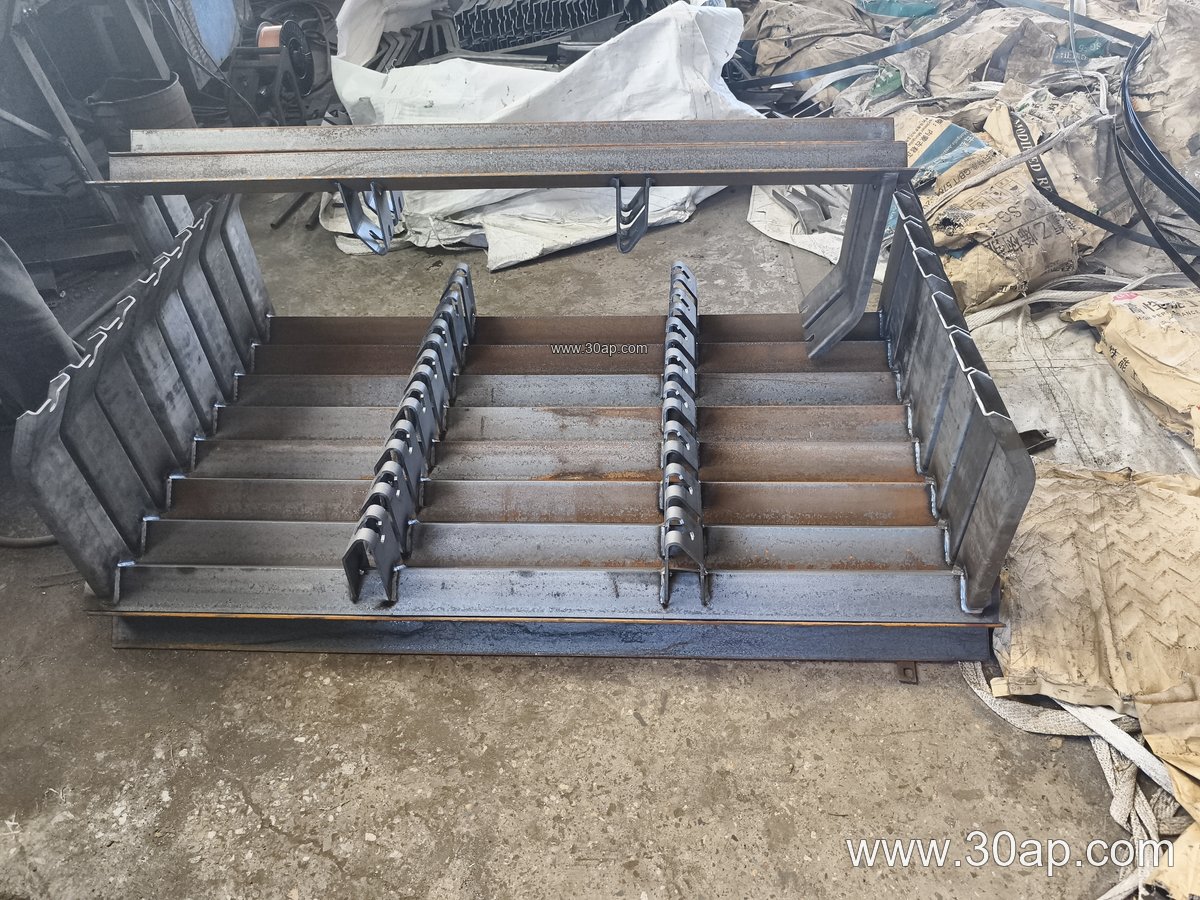
Most return idler brackets are formed from angle steel, channel steel, or bent steel plate. They are usually bolted or welded to the conveyor stringer and positioned under the return strand. The bracket may hold a single flat idler or a pair of rollers set in a V shape. Installation height and hole spacing are not universal—they follow the belt width, the chosen idler diameter, and the engineering layout of the conveyor. A bracket that is too low lets the belt sag; one that is too high can lift the belt off the rollers and cause misalignment.
Common Variations and Fit
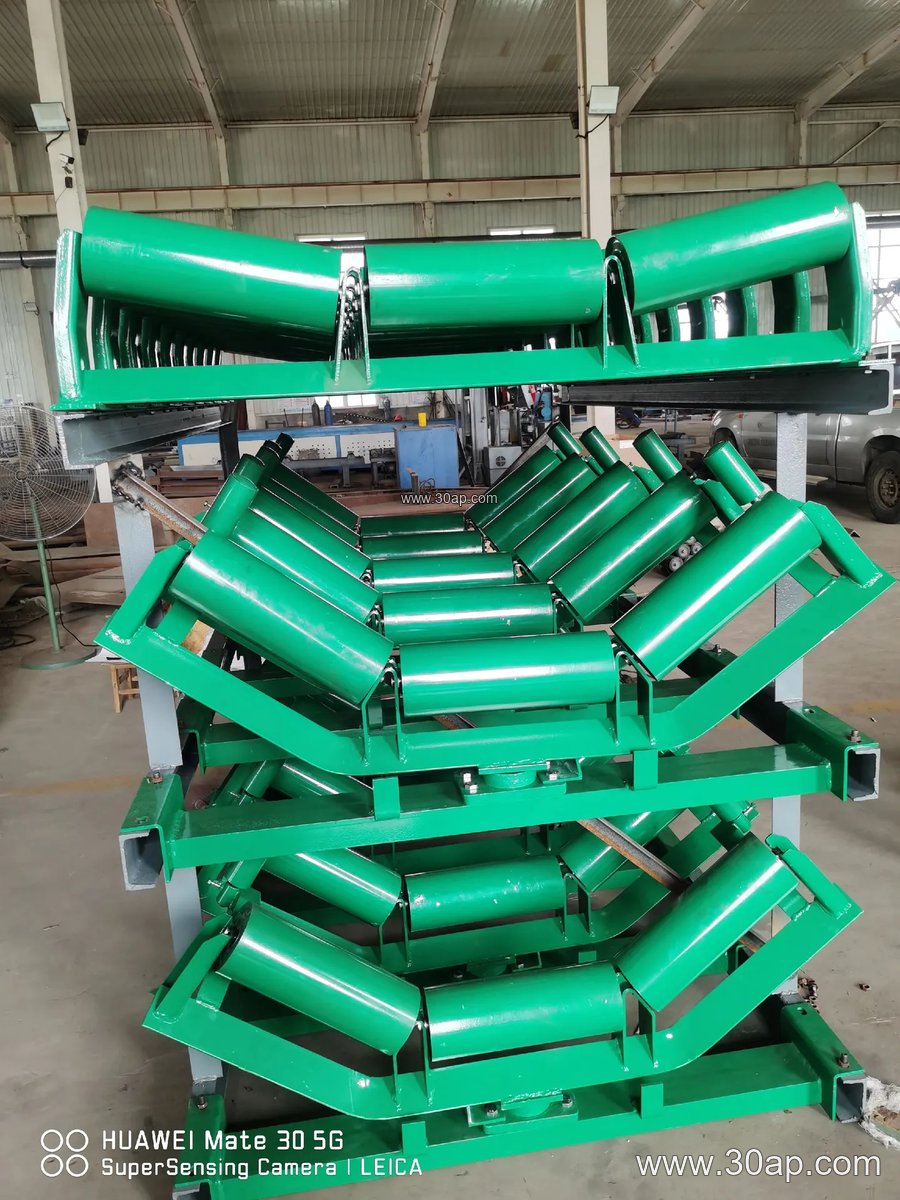
Return brackets come in fixed and adjustable designs. Adjustable types allow small changes in height or angle to fine-tune belt contact. V-return brackets are often used where belt training matters, especially on long conveyors or in dusty conditions. The bracket must match the idler roller it carries—common roller diameters include Ø89, Ø108, Ø133, Ø159, and Ø194—but no single diameter is tied to one belt width. For example, a B800 conveyor might use Ø108 or Ø133 rollers depending on load and design, while a B1200 system could use Ø133 or Ø159. The bracket’s mounting dimensions should always be confirmed against the actual conveyor frame.
Where It Fits in Bulk Material Handling
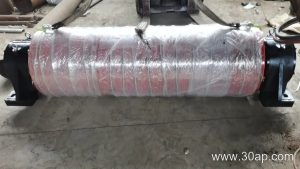
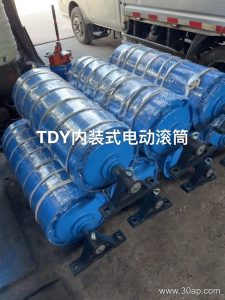
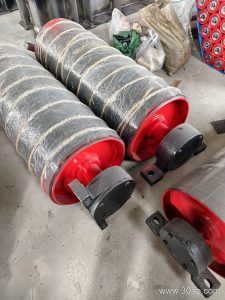
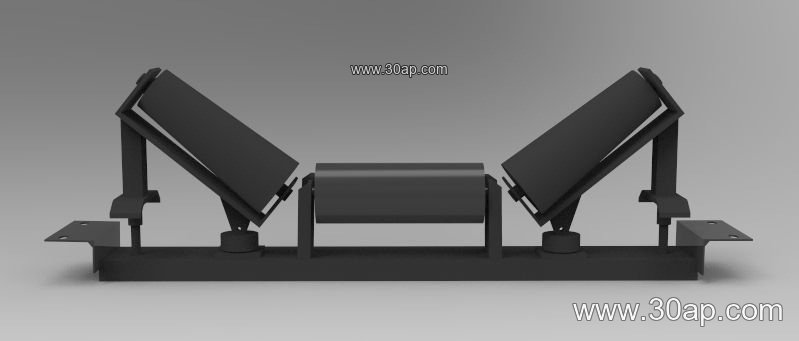
In a limestone mine, return idler brackets support the belt after the discharge point, helping the belt run true before it reaches the tail pulley. In a coal-fired power plant, they keep the return strand stable through transfer houses and long galleries. Sand and gravel lines also rely on them to reduce spillage and belt edge wear. The bracket works together with the conveyor belt, the idler roller, and the conveyor pulley—each part has its own role, and none is a substitute for another. A return bracket is not a substitute for a bend pulley or a tail pulley; it is a dedicated support for the lower belt run.
What Buyers Should Check
- Belt width and idler diameter: Confirm the bracket matches the actual return roller size and the belt width, such as B650, B1000, or B1400.
- Mounting dimensions: Hole spacing and beam length vary with belt width and bracket type; ask for a dimensional drawing.
- Material and finish: Angle steel and channel steel are common; consider the environment—dust, moisture, or corrosive atmosphere—when choosing a finish.
- Adjustability: If belt tracking is sensitive, an adjustable or V-return bracket may be worth considering.
- Compatibility: The bracket should suit the conveyor frame and the idler roller, not just the belt. A bracket that fits one frame may not fit another.
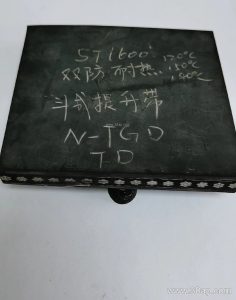
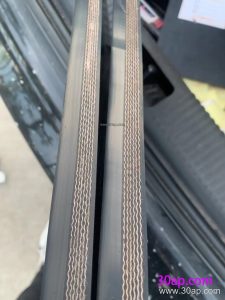
For anyone specifying a return idler bracket, the key is to treat it as part of the whole conveyor assembly. A bracket that matches the belt width, roller diameter, and frame geometry will help the return strand run smoothly, whether the conveyor is moving EP conveyor belt in a cement plant or a steel cord conveyor belt in an iron ore terminal.