What a Return Idler Set Does
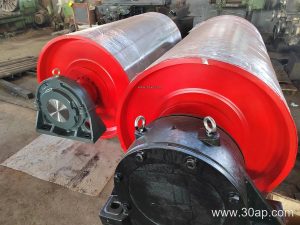
A return idler set, often called a return roller set or lower idler set, supports the empty side of a conveyor belt on its way back to the tail pulley. It carries the belt weight and keeps the belt tracking smoothly. In a quarry, cement plant, or coal handling line, this set works together with the conveyor pulley and conveyor bracket to maintain belt tension and alignment.
Construction and Common Forms
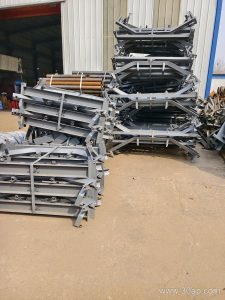
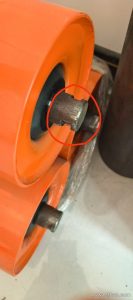
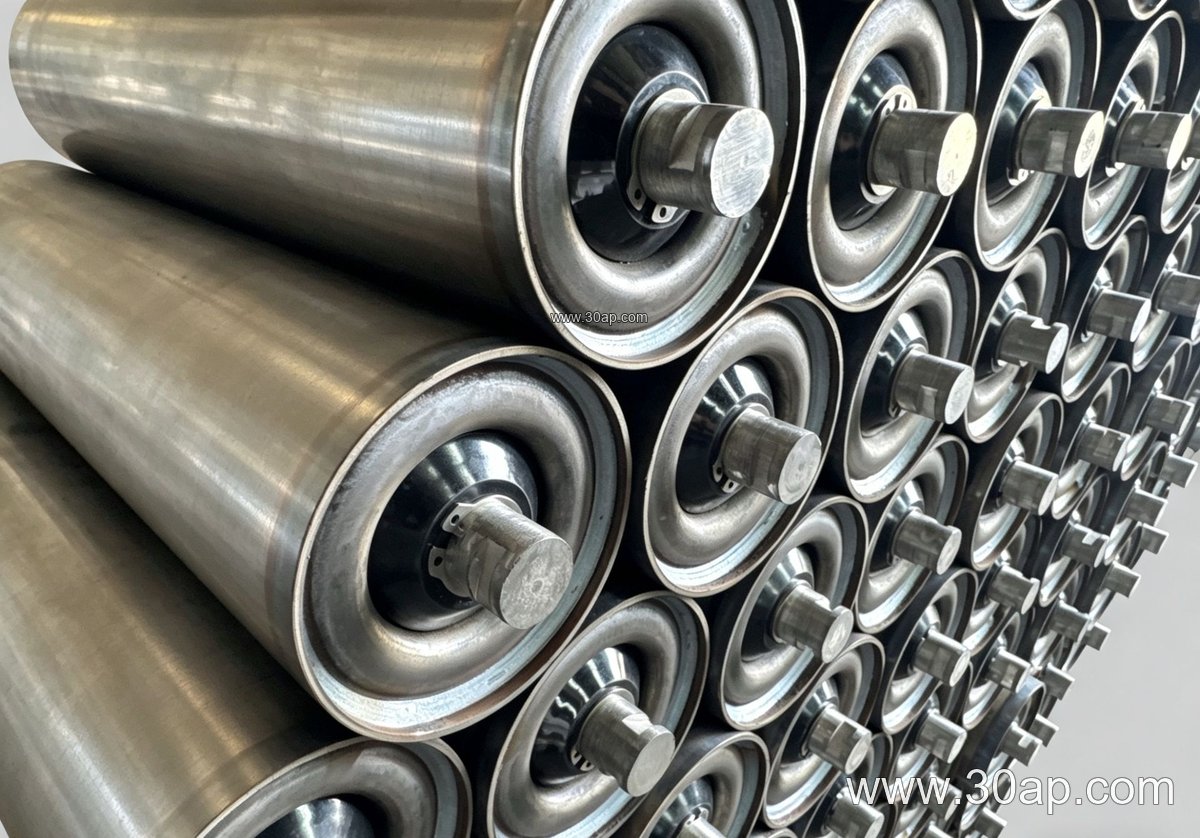
Each set is built from idler rollers mounted in a frame. The rollers usually have a steel tube shell, bearing housings, and a shaft. Common bearing sizes include 6204, 6205, 6305, 6306, 6308, and 6310. Roller diameters often range from Ø63 to Ø219 mm. The return side may use a single flat roller or a V-shaped arrangement to help center the belt.
- Flat return idler set: one roller across the belt width
- V-type return idler set: two rollers set at an angle
- Rubber disc return set: rubber rings for sticky material
- Spiral return roller: self-cleaning for wet or dusty conditions
Roller length depends on belt width and frame design. For example, a return set for B800 belt may use rollers around 315 mm long, while a B1200 set may use about 465 mm. These are typical examples, not fixed rules, and side rollers can differ from center rollers.
Where It Fits in the Conveyor
The return idler set sits under the carrying belt, after the material has been discharged. In a limestone mine or sand and gravel line, it is exposed to dust and fine particles. In a power plant coal yard, it may see coal dust and occasional spillage. The set works alongside the idler roller on the carrying side and the conveyor pulley at the drive and tail ends.
Choosing the Right Set
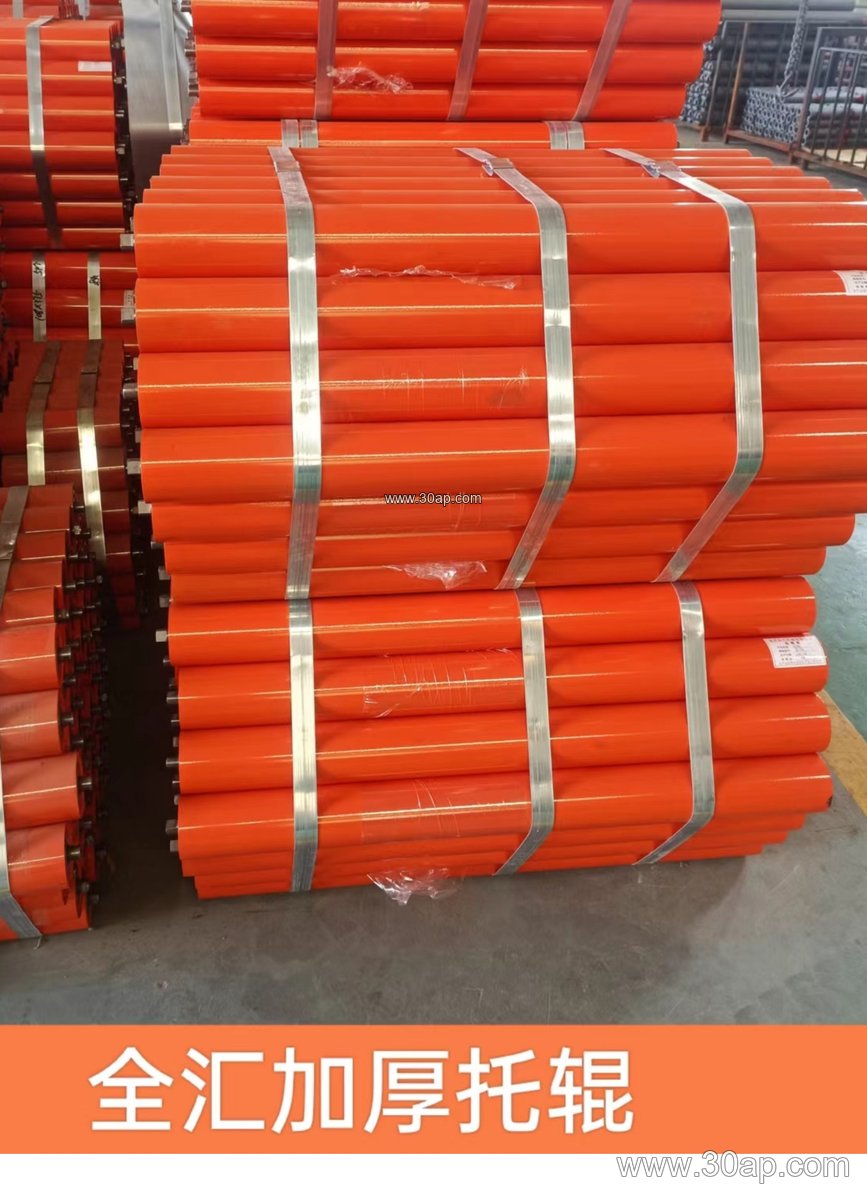
Buyers should match the return idler set to the belt width, the load, and the environment. Key points include:
- Belt width: B500, B650, B800, B1000, B1200, B1400, B1600, B1800, B2000, and wider belts are common.
- Roller diameter: Ø89, Ø102, Ø108, Ø127, Ø133, Ø159, and Ø178 mm are often used.
- Bearing size: 6204, 6205, 6305, 6306, 6308, and 6310 are typical.
- Surface: steel tube, nylon, ceramic, or rubber disc, depending on material stickiness and abrasion.
For dusty or wet conditions, a spiral or rubber disc return roller can reduce buildup. For heavy-duty mining or iron ore service, a larger diameter and heavier bearing may be preferred. The return set should not be confused with a drive pulley or tail pulley, which serve different functions.
Maintenance and Compatibility
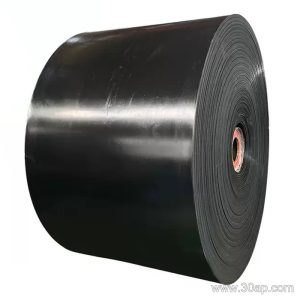
Regular inspection of the return idler set helps prevent belt damage. Check for seized bearings, worn shells, and misalignment. Replace rollers as a set when possible to keep the belt running evenly. The set should be compatible with the conveyor frame and the conveyor bracket. In a cement plant or aggregate line, keeping the return side clean extends roller life. When used with an EP conveyor belt or a steel cord conveyor belt, the return idler set helps maintain stable belt tracking and reduces edge wear.