What a High Strength Conveyor Belt Is
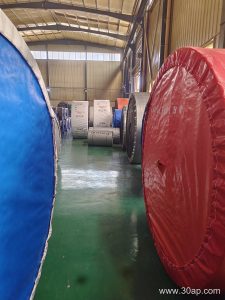
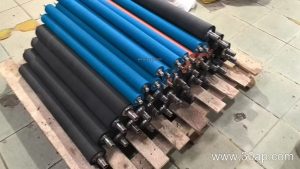
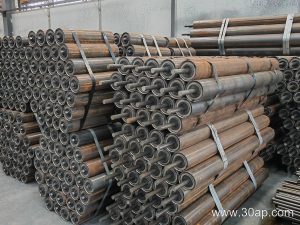
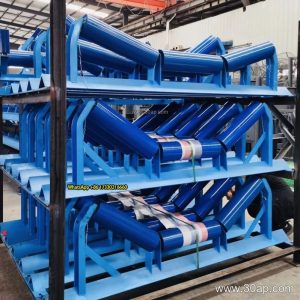
A high strength conveyor belt is a heavy-duty belt built to carry large tonnages over long distances without excessive stretch or fatigue. In practice, the term usually points to a belt with a strong fabric carcass, such as an EP or nylon belt, or to a steel cord belt where tensile demands are very high. The belt is the load-bearing element of a conveyor system, running over a drive pulley, tail pulley and bend pulleys, supported by idler rollers and held in line by conveyor brackets and frames. Each of those components has its own role; the drive pulley transmits motion, the tail pulley returns the belt, and a bend pulley changes its path, so they are not interchangeable.
How the Belt Is Built
The strength comes mainly from the carcass. EP belts use polyester warp and nylon weft fabrics, while NN belts use nylon in both directions. Multiple plies, commonly two to six, are bonded under heat and pressure. A steel cord construction replaces the fabric with tensioned steel cables for the highest demands. Rubber covers protect the carcass from abrasion, impact and moisture; cover thickness is usually quoted as top plus bottom, for example 4+2 mm or 6+2 mm, with 8+3 mm used in severe conditions. Buyers should confirm the actual construction with the supplier because values vary between manufacturers.
Common Strength Grades and Dimensions
Fabric belt grades are often named by tensile strength per unit width. Typical EP grades include EP200, EP315, EP400, EP500, EP630, EP800, EP1000, EP1250, EP1600 and EP2000. The table below groups reference values that help in early planning; final selection depends on the conveyor design.
| Parameter | Typical reference values |
|---|---|
| Strength grade | EP200, EP315, EP400, EP500, EP630, EP800, EP1000, EP1250, EP1600, EP2000 |
| Belt width | B500, B650, B800, B1000, B1200, B1400, B1600, B1800, B2000 |
| Cover thickness | 3+1.5, 4+2, 5+2, 6+2, 8+3 mm |
| Carcass plies | Usually 2 to 6 layers for fabric belts |
Width and pulley diameter are matched through the conveyor design, not by a fixed rule. A wider belt does not automatically dictate one shaft size, and the drive pulley, tail pulley and bend pulleys are sized from load, wrap angle and belt stiffness.
Where High Strength Belts Are Used
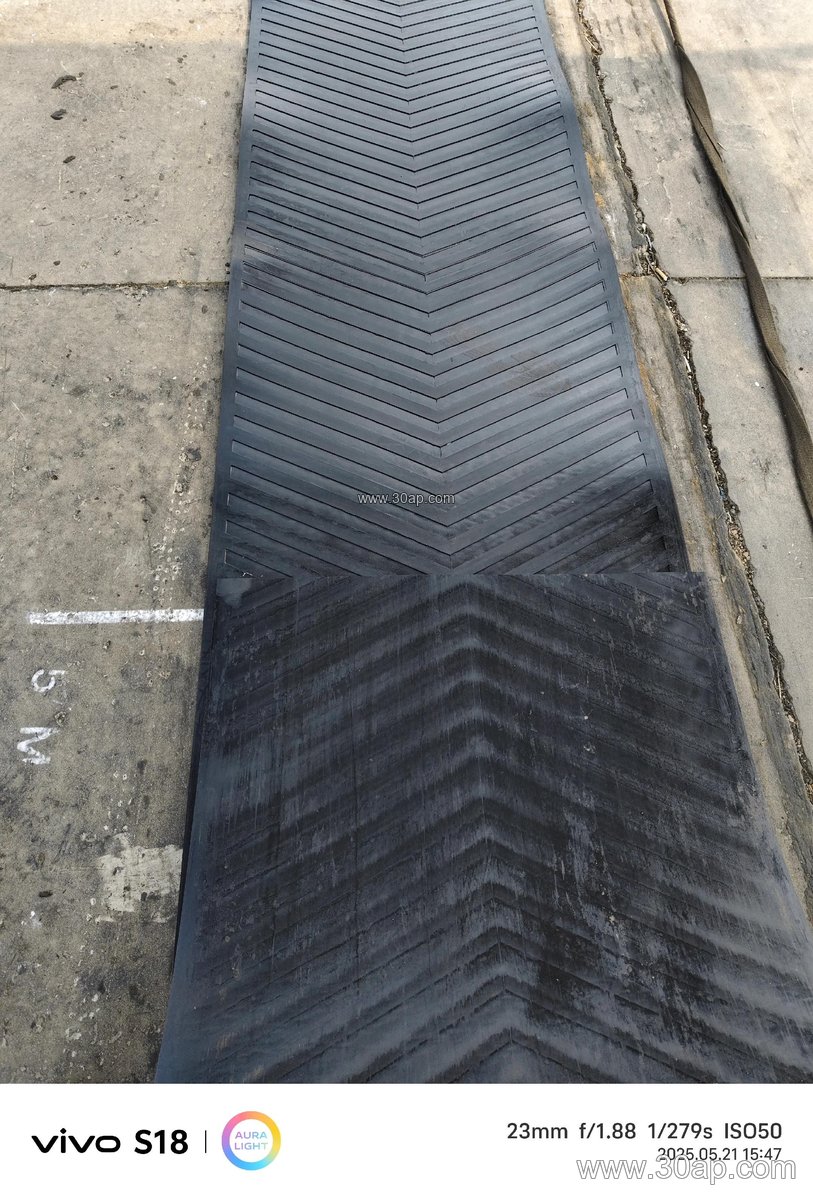
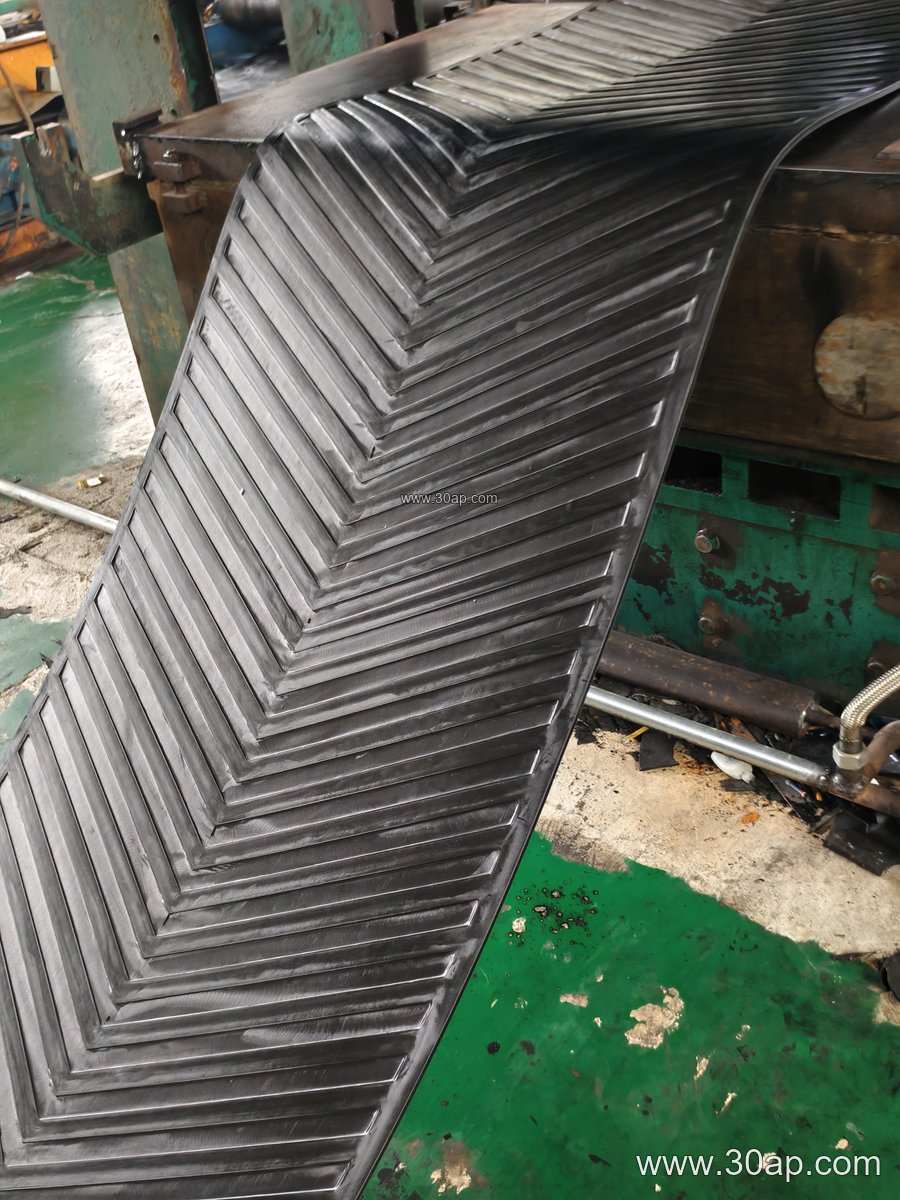
These belts suit continuous duty in mines, coal preparation plants, cement works, power stations, sand and gravel yards, ports and bulk terminals. A high strength conveyor belt carries crushed ore, clinker, coal, limestone, aggregate and similar abrasive loads. In long overland systems, the low stretch of a strong carcass keeps take-up travel manageable. In coal and dusty environments, flame-retardant and antistatic grades are often specified, while heat-resistant, oil-resistant, cold-resistant and acid-alkali-resistant covers address specific service conditions. Patterned surfaces such as herringbone or chevron profiles can help on inclines, and corrugated sidewall belts contain material on steep runs.
Selection and Maintenance Notes
- Check the actual load, lump size and impact energy at the transfer point; impact is often more damaging than steady tension.
- Match the cover grade to the material: abrasive, hot, oily, wet or chemically active.
- Keep idler rollers turning freely and inspect the tail pulley for material build-up, since a seized roller or a misaligned pulley quickly damages the belt edge.
- Verify pulley lagging and alignment so the belt tracks centrally through the drive pulley and bend pulleys.
- Store belts away from sunlight and ozone, and follow the supplier’s splice procedure for the chosen carcass.
A high strength conveyor belt is only as good as the system around it. Correct grade, cover and width, combined with sound pulleys, idler rollers and brackets, give the longest service life in mining, cement, power and aggregate operations.