What a Steel Cord Conveyor Belt Is
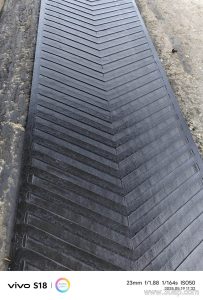
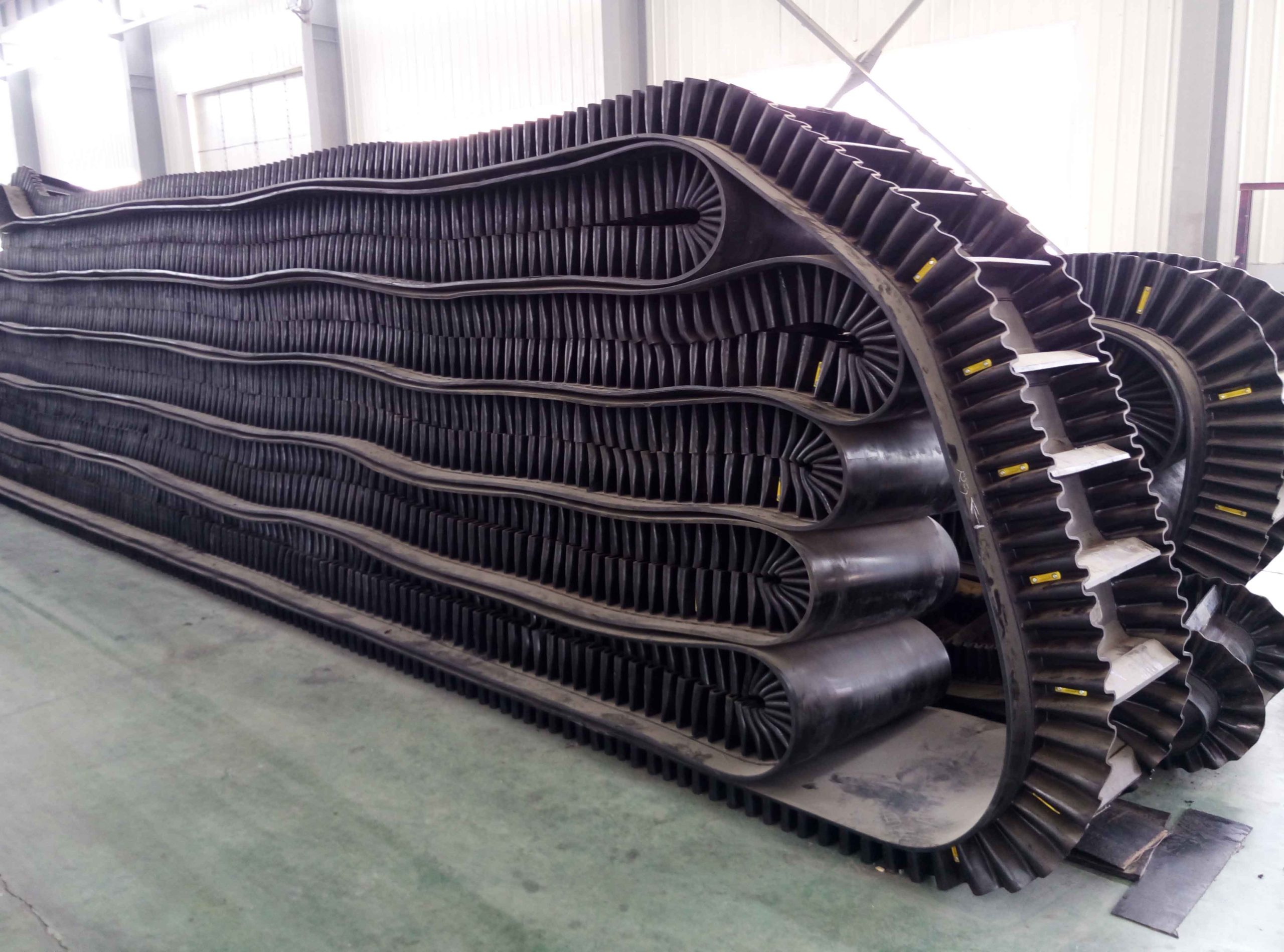
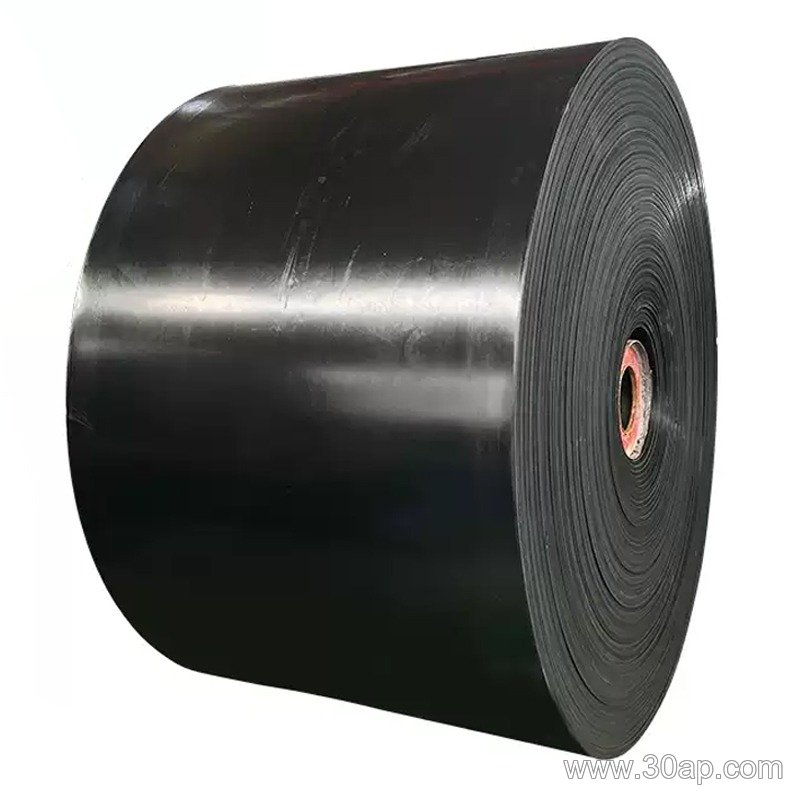
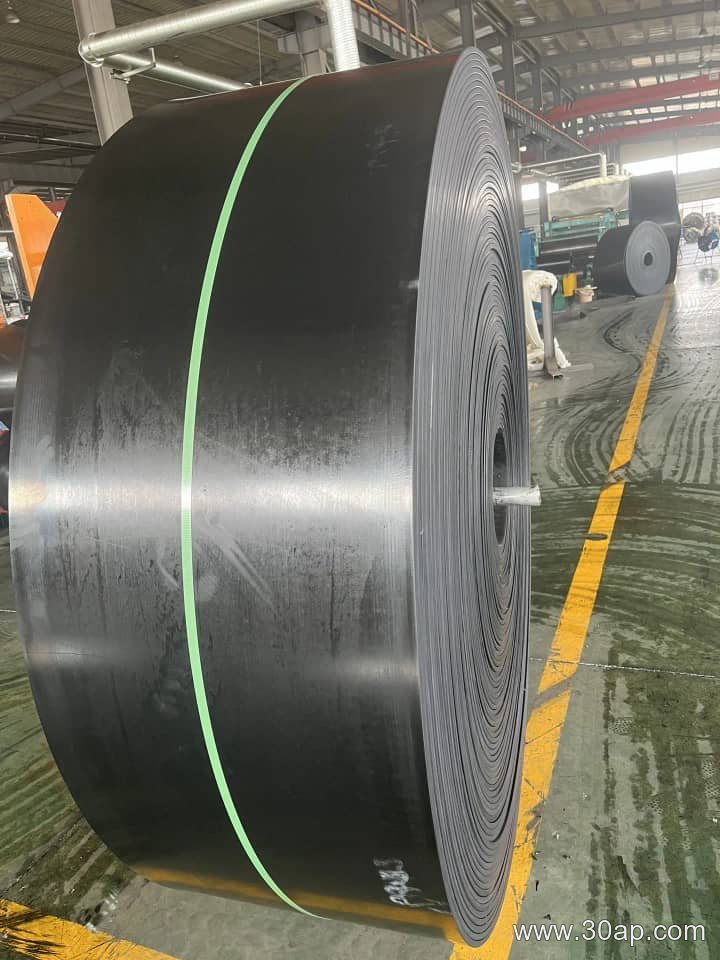
A steel cord conveyor belt is a heavy duty rubber belt in which the load bearing skeleton consists of parallel steel wires or strands running lengthwise. These cables are embedded in a rubber matrix and protected by top and bottom cover layers. The product is also known as a steel wire rope conveyor belt, and both names describe the same construction. It is chosen when a single flight must carry material over a long distance, up a steep incline, or under very high tensile load where fabric reinforced belts would need too many plies or multiple transfer points.
How the Belt Is Built
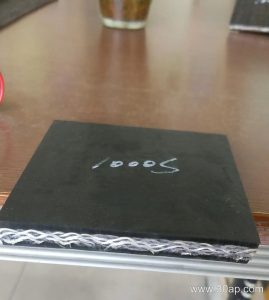
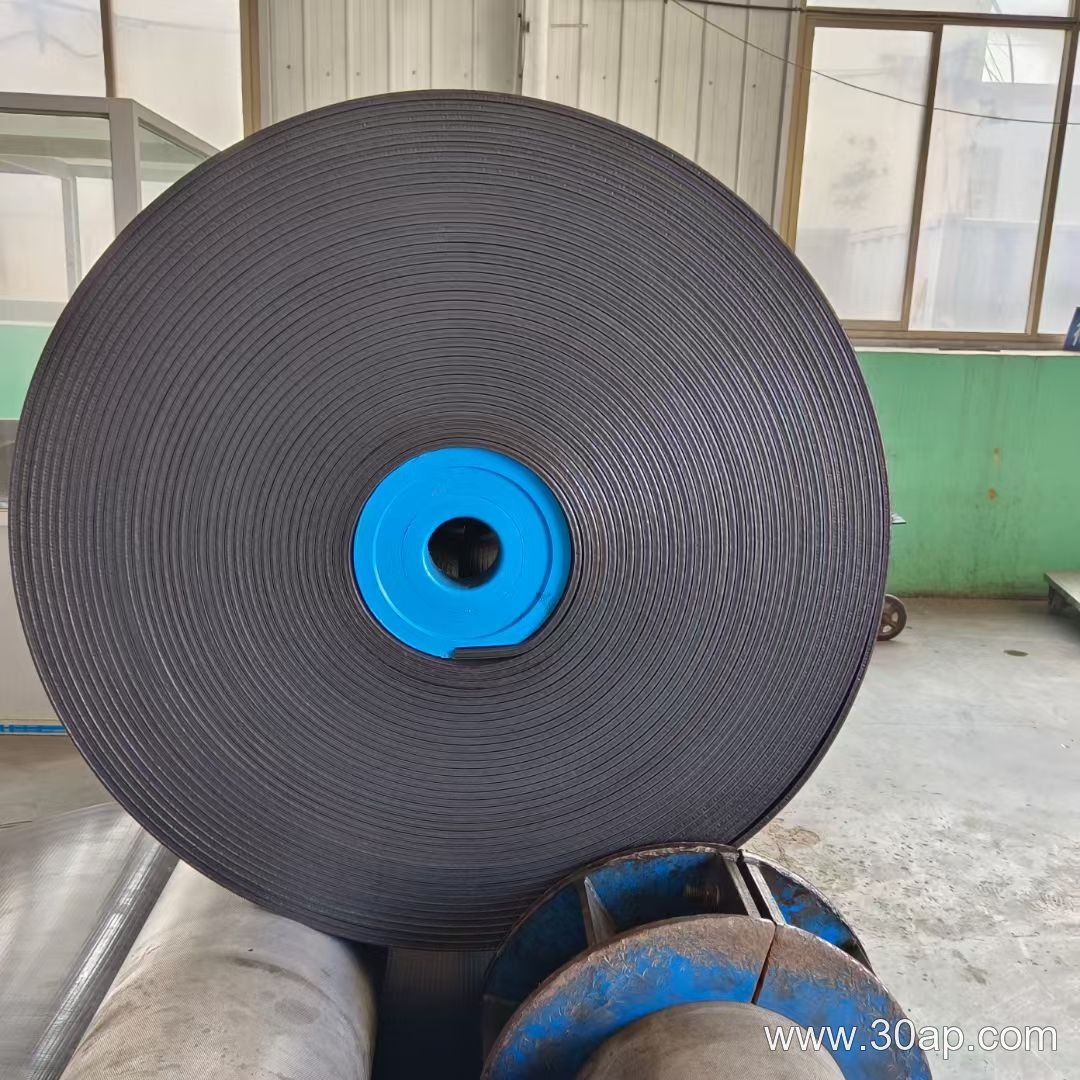
The core is made of high carbon steel cords arranged at a defined pitch across the width. Each cord is usually brass coated so the rubber can bond to it during vulcanization. The cords carry the pulling force, while the rubber compound holds them in position and shields them from abrasion, moisture and impact. A typical build has three functional zones: the top cover that receives the material, the cord layer in the middle, and the bottom cover that runs against the idler roller and conveyor pulley surfaces. Cover thickness is often expressed as a pair, for example 6+2 mm or 8+3 mm, meaning the top and bottom gauge. Common belt widths include B800, B1000, B1200, B1400, B1600 and B1800, though the final width follows the conveyor design and the lump size of the material.
Where It Fits in the Conveyor
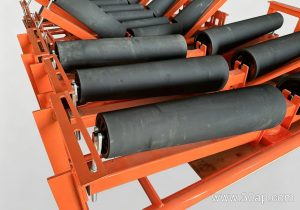
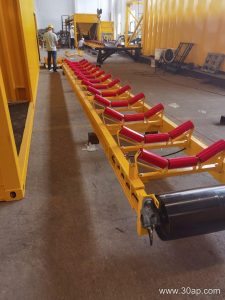
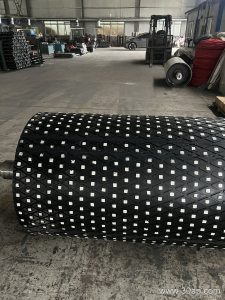
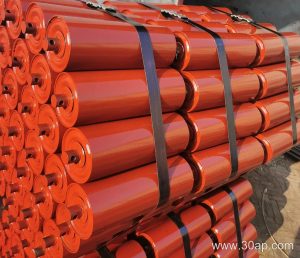
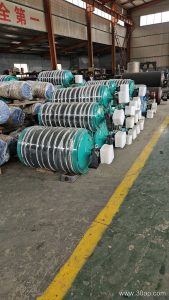
This belt is the load carrying element of a belt conveyor. It wraps around the drive pulley, which transmits motion, the tail pulley at the loading end, and any bend pulley that changes the belt path. Between those points, the belt is supported by troughing idlers and return idlers, and the pulleys themselves are held by conveyor brackets or a steel frame. The belt, the pulleys, the idler roller sets and the structure all work as one system. A steel cord belt does not run correctly on a conveyor that was dimensioned for a light fabric belt, and the reverse is also true.
Typical Service Conditions
Steel cord belts are common in mines, ports, power stations, cement plants and large bulk handling terminals. They handle coal, ore, crushed stone, sand, grain and similar loose materials. Because the steel cords take the tension, very long center distances can be covered with fewer splices and fewer drives. The rubber cover can be selected for abrasion resistance, heat, oil, flame retardancy, antistatic behaviour or cold climate. A flame resistant and antistatic grade is often specified underground or in dusty enclosed galleries, while a heat resistant grade suits hot clinker or sinter. These cover options change the compound, not the cord skeleton.
Selection Points for Buyers
The starting data are the required tensile strength, the belt width, the material, the lump size, the troughing angle and the ambient conditions. Tensile strength is normally quoted in newtons per millimetre of belt width, for example a 1250 N/mm belt or a 2000 N/mm belt. The drive power, the number of pulleys and the take up arrangement follow from the calculated belt tension. A buyer should ask for the cord pitch, the cover grade and thickness, the splice method and the recommended minimum pulley diameter from the belt maker, since the cord construction sets a limit on how tightly the belt can bend. A belt width does not by itself fix a single pulley diameter, and shaft size is a conveyor design decision rather than a value taken from belt width alone.
Splicing and Maintenance Notes
Steel cord belts are usually joined by vulcanized splices in which the cords are arranged in a stepped or finger pattern and bonded under heat and pressure. The splice is the weakest point in the system, so it deserves close attention during installation and inspection. In service, watch for cover wear, edge damage, cord exposure and misalignment. A skewed belt often points to off centre loading, a worn idler roller or a misaligned bend pulley. Keeping the pulleys clean and the idlers turning freely extends belt life. When compared with a fabric belt such as an EP or NN type, the steel cord version offers higher tensile capacity per unit width and lower elongation, but it needs more careful handling during transport and splicing.
- Confirm the required tensile grade and belt width with the conveyor designer.
- Match the cover compound to the material and the environment.
- Respect the belt maker’s minimum pulley diameter and splice instructions.
- Inspect idlers, pulleys and brackets as part of routine belt care.