What an Anti-Static Conveyor Belt Is
An anti-static conveyor belt is a rubber or PVC conveyor belt designed to limit the buildup of static electricity on the belt surface and along the conveyor frame. Static charge accumulates when the belt runs over pulleys, idler rollers, and other contact points, especially in dry or dusty conditions. If that charge is not controlled, it can discharge as a spark, disturb sensitive instruments, or create a shock hazard for workers. The anti-static belt provides a controlled path for that charge to dissipate, usually through conductive or dissipative compounds built into the belt construction.
The product is also known as a static-dissipative conveyor belt or conductive conveyor belt, depending on how the compound is formulated and how the belt is grounded. These names describe the same basic function, but they are not identical in every specification, so buyers should confirm the surface resistance range required by their application.
How the Belt Is Built
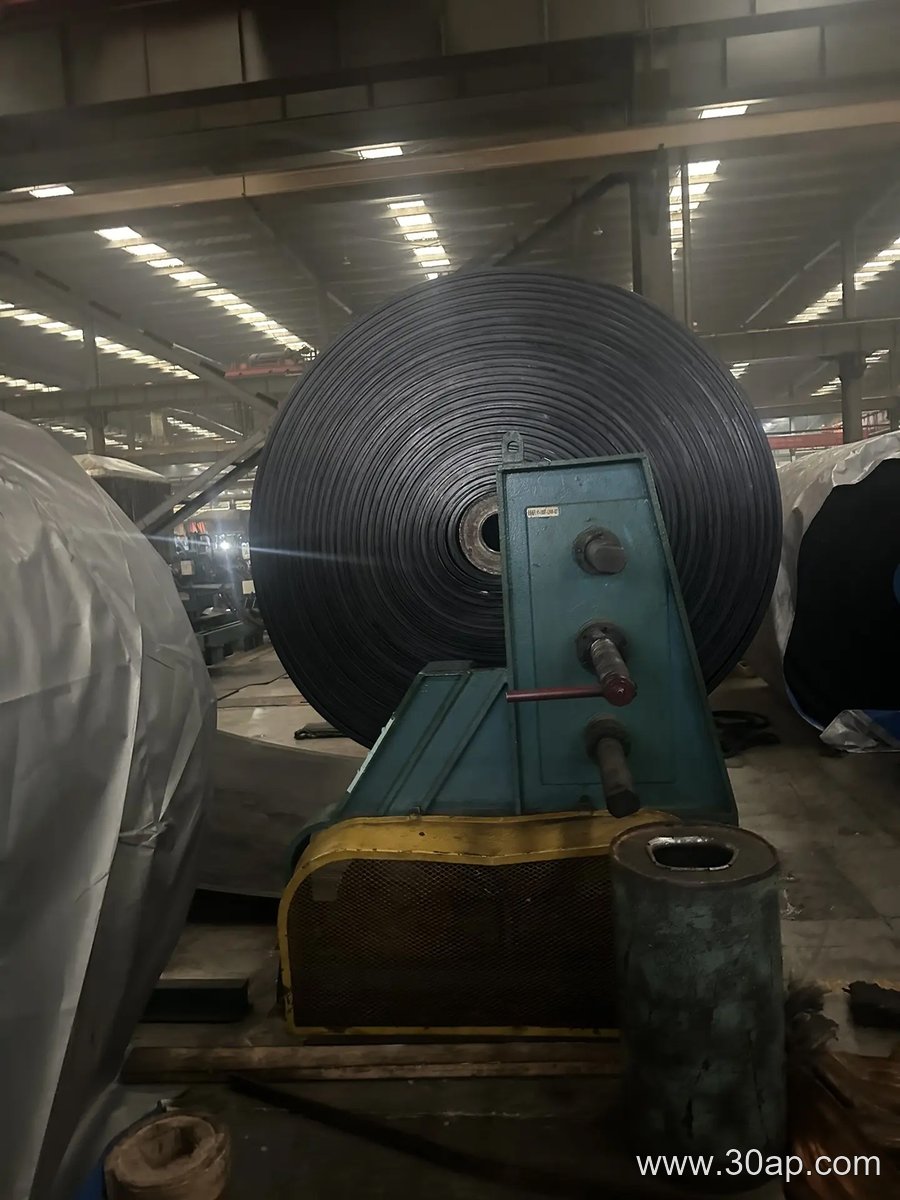
A typical anti-static belt uses a fabric carcass, such as EP or NN nylon, with rubber covers on both sides. The anti-static property comes from conductive additives, often carbon black, dispersed in the cover compound. In some designs, a conductive layer or conductive threads run through the carcass to help move charge across the belt width.
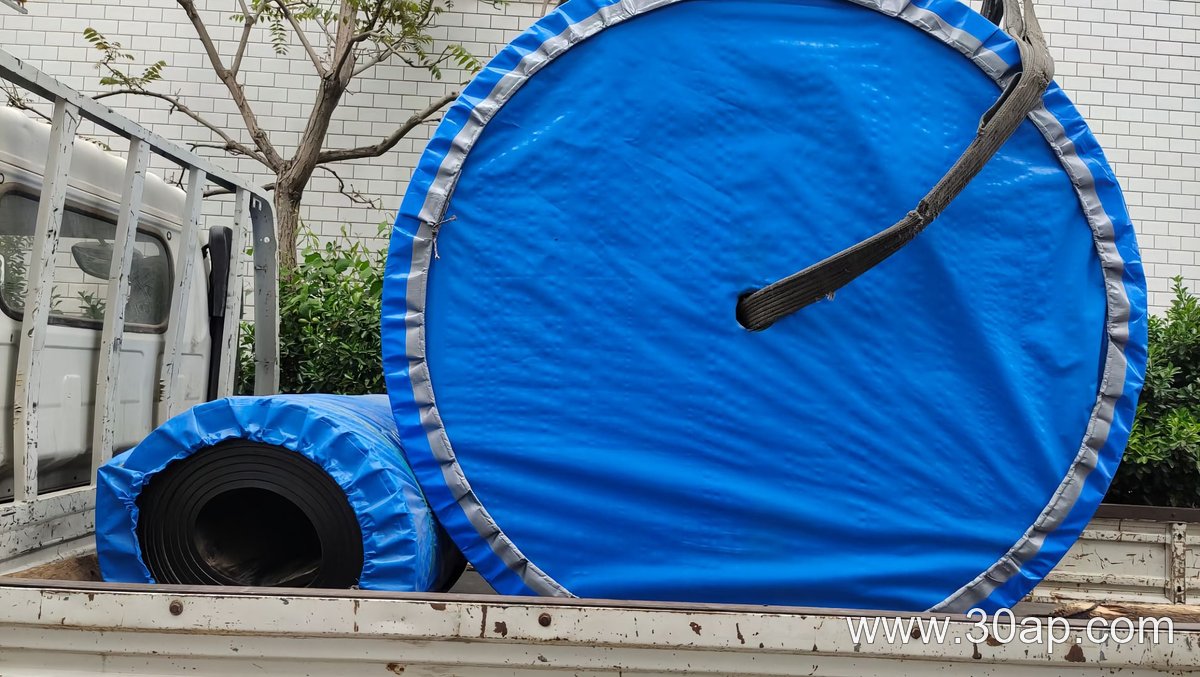
Common cover thicknesses follow standard belt practice, such as 3+1.5 mm, 4+2 mm, or 5+2 mm, with 2 to 6 fabric plies. Strength grades like EP200 or EP400 may be selected according to the load and conveyor length. PVC and PVG versions are also available for applications where oil resistance, flame resistance, or lighter weight is important.
Where It Is Used
Anti-static belts are common in industries where dust, powders, or flammable solvents are present. Examples include grain handling, flour mills, coal preparation, chemical plants, and paint production lines. They are also used in electronics manufacturing, where a static discharge can damage components, and in recycling plants where mixed materials generate charge quickly.
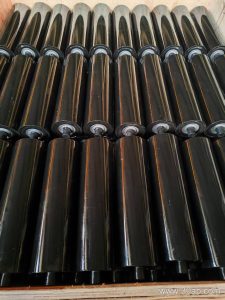
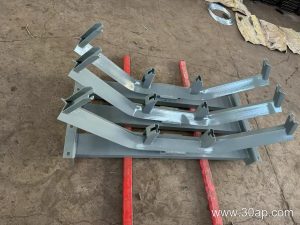
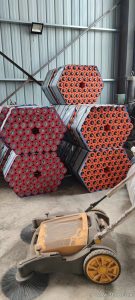
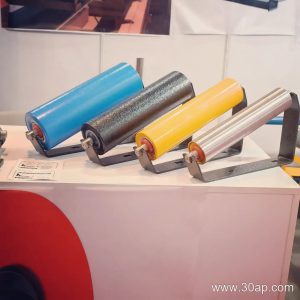
In these settings, the belt often runs alongside an idler roller, a conveyor pulley, and a conveyor bracket system that must be properly grounded. The belt itself is only one part of the static control plan. The conveyor frame, pulleys, and rollers also need a reliable ground path. If the belt is anti-static but the frame is insulated, charge can still accumulate.
What Buyers Should Know
When selecting an anti-static conveyor belt, the first question is the required surface resistance. Different applications specify different ranges, and a belt that works well in one plant may not meet the requirements of another. The buyer should also confirm whether the belt needs to be flame resistant, oil resistant, or food grade, because these properties affect the compound choice.
- Belt width and strength grade should match the conveyor design, not a fixed rule.
- Cover thickness and carcass plies depend on impact, abrasion, and load.
- Grounding of pulleys, idler rollers, and brackets is essential for the belt to work as intended.
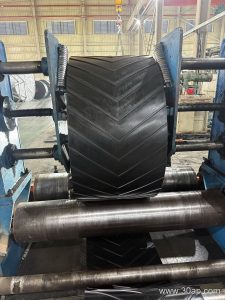
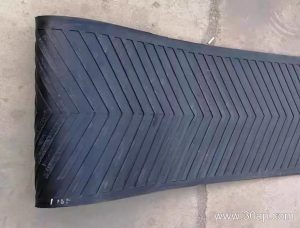
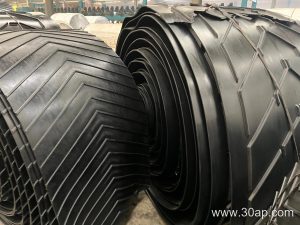
- Surface patterns such as smooth, matte, or patterned covers may be available, but they are not the main anti-static feature.
Another point to check is the difference between an anti-static belt and a conductive belt. An anti-static belt usually has a higher resistance and dissipates charge more slowly, while a conductive belt has a lower resistance and moves charge faster. Neither is universally better; the correct choice depends on the risk level and the grounding system.
Maintenance and Installation Notes
Proper installation helps the belt last longer and keeps static control effective. The belt should be aligned so it does not rub against the frame or misaligned idler rollers. A conveyor pulley with a worn lagging or a bent shaft can cause uneven tracking and extra friction, which increases charge generation. The tail pulley and bend pulley should also be checked for smooth rotation.
During maintenance, inspect the belt surface for cuts, embedded metal, or worn patches. Conductive properties can be affected by heavy wear or contamination, so a belt that has lost its cover layer may no longer dissipate charge as designed. Cleaning with a compatible method and avoiding excessive oil or chemical contact will help preserve the compound.
Finally, remember that anti-static performance is a system property. The belt, the idler roller, the conveyor pulley, the bracket, and the grounding connections all work together. A buyer who considers the whole conveyor, not just the belt, will get more reliable results.