How to Specify and Source a Conveyor Belt from China for a Wet Outdoor Stockpile Project
What should a purchasing team prepare before requesting quotes for a conveyor belt from China, and how can they judge whether a supplier is reliable? Start with a written specification and a supplier evaluation checklist. The specification sets the technical baseline; the checklist reveals whether the supplier can actually meet it. For a wet outdoor stockpile, moisture, temperature swings, and abrasive bulk material make these steps especially important.
Build the Conveyor Belt Specification Before Contacting Suppliers
A vague request invites vague offers. Define the conveyor belt by its operating conditions first, then by construction details.
- Application and environment: material type, lump size, throughput, and whether the conveyor belt runs outdoors in rain, snow, or direct sun.
- Belt dimensions: width, overall length, and pulley center distance. If these are not fixed, state the assumptions used for length calculation.
- Cover grade: for a wet outdoor stockpile, consider a cover that resists abrasion and water absorption. A chemical resistant conveyor belt may be relevant if the material carries oils or acidic residue.
- Carcass: fabric type and strength class. For example, an EP100 conveyor belt may suit moderate tension, but the required tension rating must come from the actual conveyor design.
- Special construction: an extra-wide conveyor belt may be needed if the loading zone demands a wider profile than standard stock.
- Edge and splice requirements: molded edges versus cut edges, and whether vulcanized or mechanical splicing is preferred.
Mark any project values as hypothetical until confirmed by engineering.
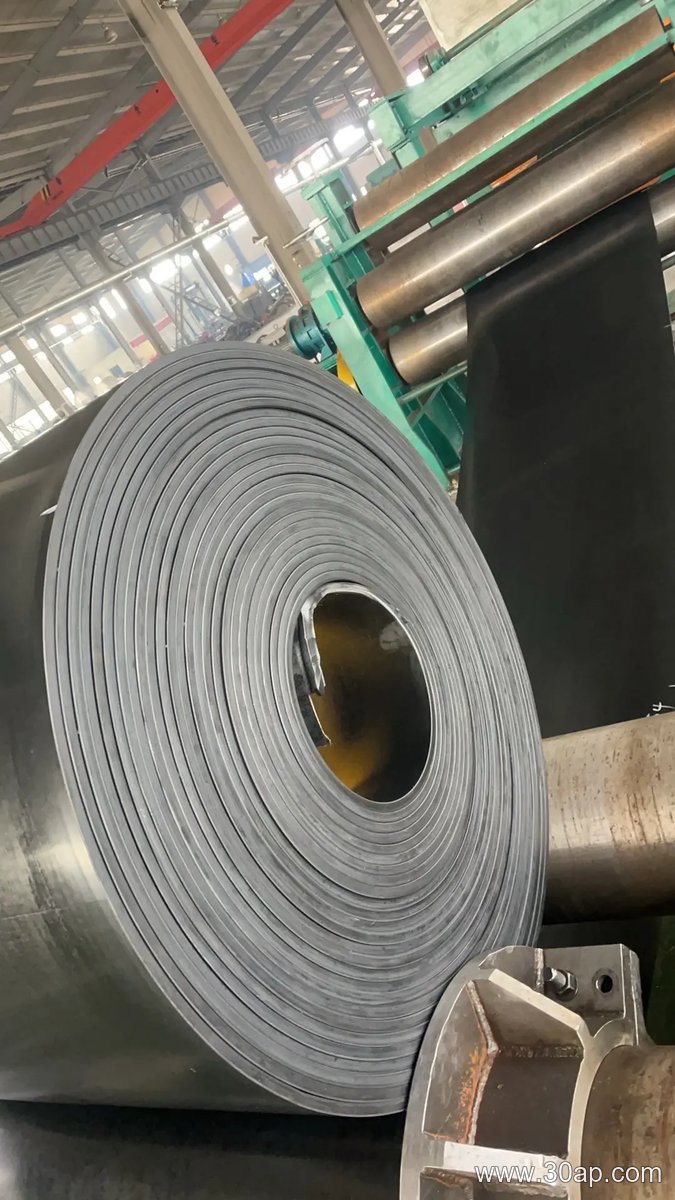
Evaluate a Chinese Conveyor Belt Supplier Beyond the Quotation
Price alone does not indicate capability. Ask for evidence that the supplier can produce and test the specified conveyor belt.
- Technical response: Does the supplier ask about your wet outdoor conditions, or simply quote a generic belt?
- Material traceability: Can they identify the rubber compound and fabric source?
- Testing: Which in-house tests are performed, such as tensile strength, adhesion, and abrasion resistance? Request sample test reports without assuming a particular certification.
- Manufacturing control: How is cover thickness and width tolerance checked?
- Packaging and shipping: For an extra-wide conveyor belt, confirm roll diameter, core size, and moisture protection for sea transport.
Request a pre-production sample if the order value justifies it, and inspect the first article before full production.
Practical Checks Before Placing the Order
Compare at least two suppliers against the same specification. Clarify warranty terms, spare belt availability, and lead time. For a wet outdoor stockpile, ask how the conveyor belt edges and splice will handle repeated wetting and drying. A supplier that answers these questions with specific process details is usually a safer choice than one that only competes on price.
What Does the Load Rating on an Idler Roller Actually Mean?
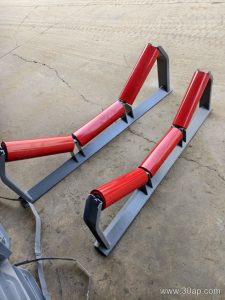
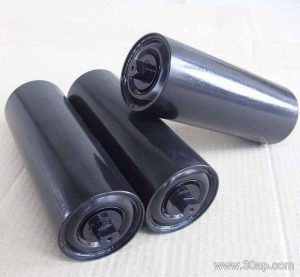
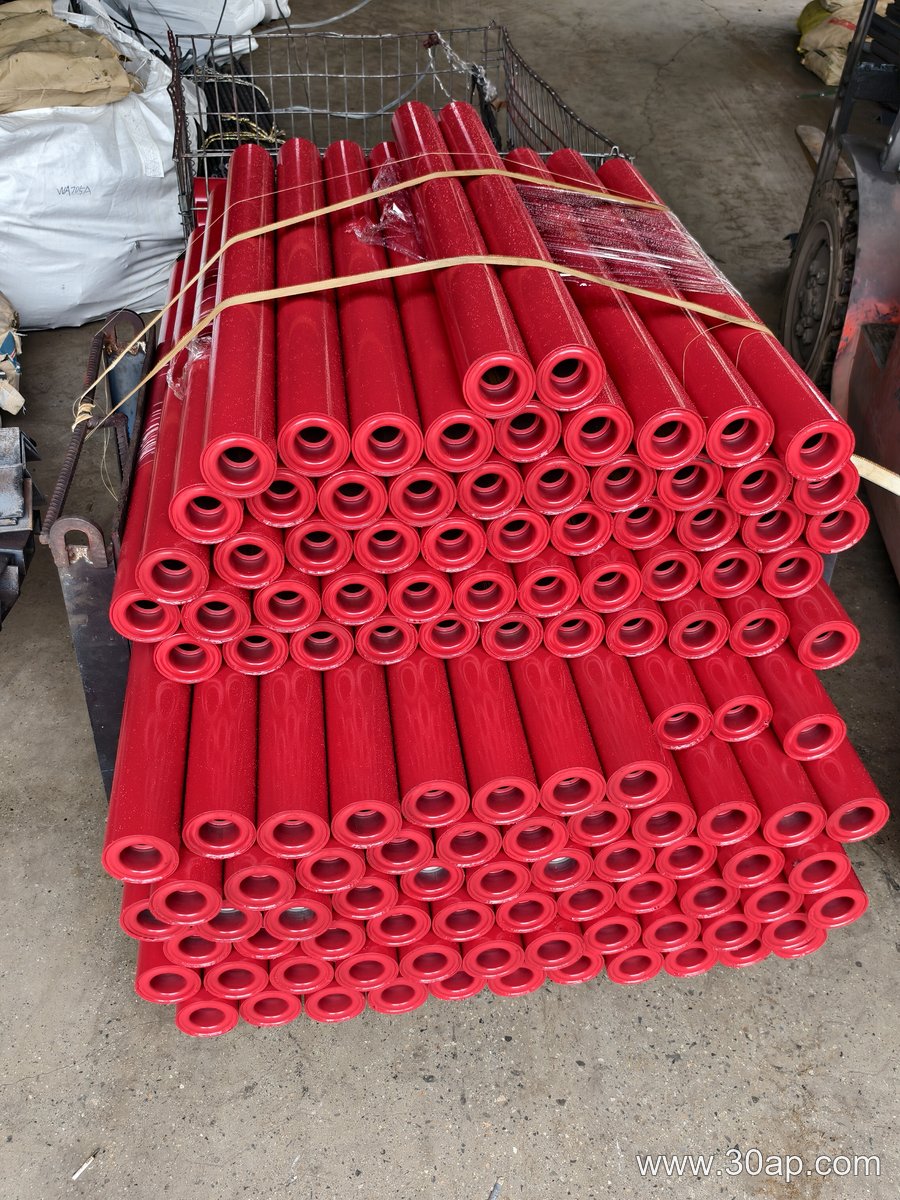
In a mineral-processing plant, an idler roller is often specified by a load designation rather than by a single working-load number. That designation, commonly expressed as a CEMA load rating class such as B, C, D, or E, describes the minimum bearing and frame capacity the roller must provide for a given belt width and material weight. The question an engineer should ask is not “what is the heaviest load this idler roller can survive?” but “which load class matches the actual calculated load per idler station?” That distinction drives bearing selection, shaft diameter, and the service interval the plant can realistically expect.
How Load Class Affects the Engineering Decision
The load class is not a performance guarantee; it is a design threshold. It assumes a defined idler spacing, a stated belt speed, and a known material bulk density. In a mineral-processing plant, those inputs change with ore type, moisture, and throughput. A roller rated for a light class may physically fit the frame, but its bearing life will shorten if the actual load per station exceeds the class assumption. The engineering decision is therefore a comparison: calculated load per idler roller versus the rated load for the chosen class, with an appropriate margin for surge loads and belt tension.
Inputs That Change the Calculation
- Material bulk density and belt loading pattern
- Idler spacing along the carrying and return runs
- Belt speed and the resulting dynamic load factor
- Bearing type, seal design, and shaft diameter
Hypothetical Example: Checking a Class Against Real Load
Consider a hypothetical 900 mm belt carrying 300 t/h of crushed ore at 2.5 m/s, with carrying idlers spaced at 1.2 m. The calculated load per idler roller might fall near the upper limit of a C-class rating. In that situation, an engineer could either reduce spacing, select a heavier class, or accept a shorter bearing service life. Marking these values as hypothetical avoids treating them as universal specifications; the actual calculation depends on site measurements and the applicable CEMA method.
Why the Designation Matters More Than the Price Tag
A higher load class usually means a larger shaft, a heavier bearing, and a more robust seal. Those features add cost, but they also change the maintenance profile. A mineral-processing plant that ignores the load class and buys on price alone may replace an idler roller more often, not less. The designation is a compact way to communicate the engineering assumptions behind the product, so it should be read alongside the belt width, speed, and material conditions rather than in isolation.
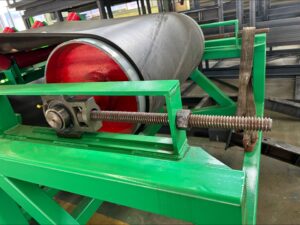
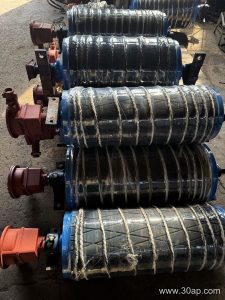
In a quarry, a conveyor pulley faces a constant barrage of abrasive dust. The design trade-off is between hardness for wear resistance and toughness for structural integrity. A harder shell resists abrasion but may crack under impact; a tougher shell absorbs shock but wears faster. The solution often lies in the lagging—the sacrificial layer that contacts the belt.
Lagging: The First Line of Defense
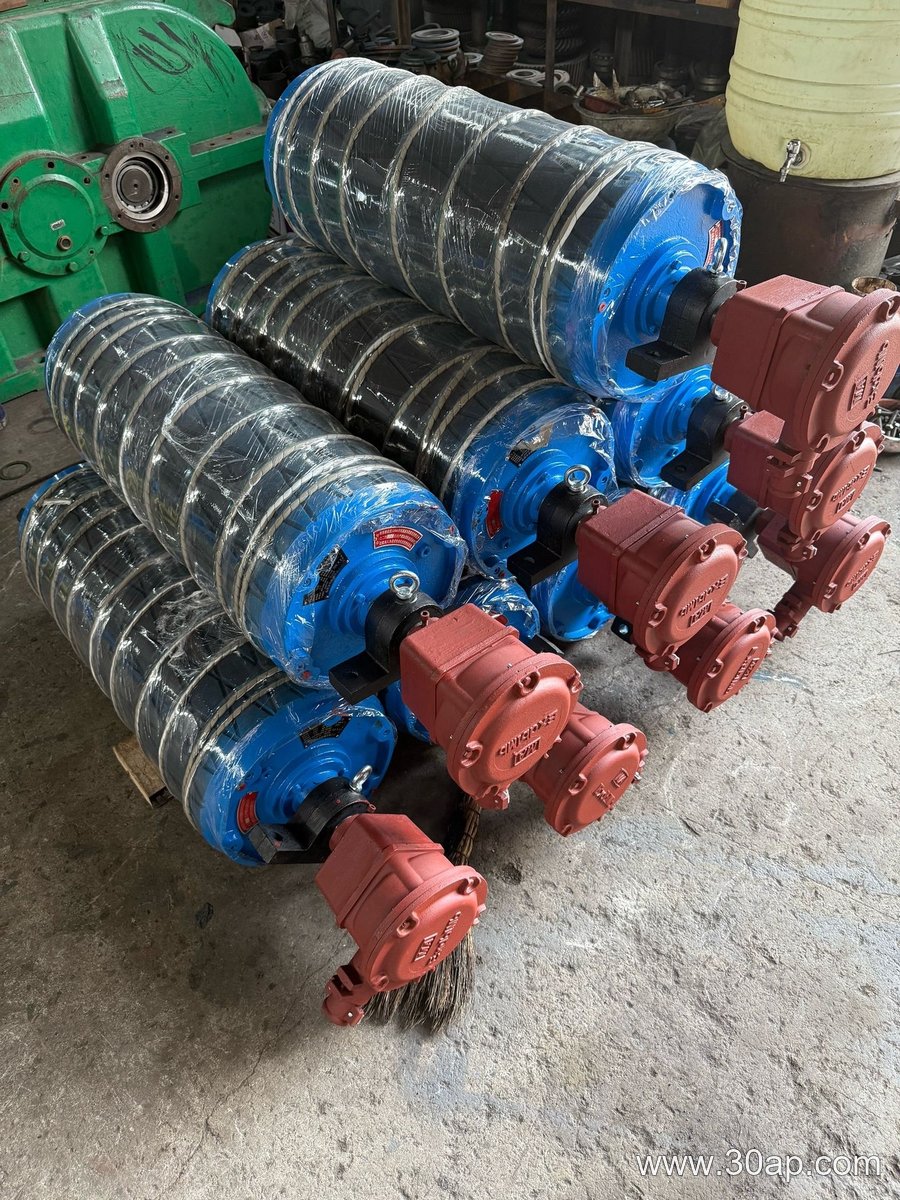
Lagging on a conveyor pulley protects the shell and improves traction. In dusty conditions, material build-up between the belt and pulley can cause slip and misalignment. Abrasion-resistant lagging sheds dust and maintains grip. Common options include rubber, ceramic, and polyurethane. Rubber offers good all-around performance; ceramic provides exceptional wear resistance for high-abrasion zones; polyurethane balances oil and abrasion resistance.
Ceramic-Lined Pulley: When Abrasion Is Extreme
A ceramic-lined pulley uses small ceramic tiles embedded in rubber. The tiles protrude slightly, creating a textured surface that bites into the belt while channels between tiles allow dust to escape. This design excels in dry, abrasive environments like a quarry’s primary crusher discharge. However, ceramic lagging can be brittle under heavy impact, so it suits locations where material is already sized and not lumpy.
Rubber Lagging: The Versatile Choice
Rubber lagging is more forgiving. It absorbs impact and conforms to belt irregularities. Its abrasion resistance can be enhanced with additives, but it may wear faster than ceramic in high-slip conditions. For a quarry conveyor pulley handling moderately abrasive rock, rubber lagging often provides the best balance of cost, grip, and durability.
Shell Material and Thickness
The pulley shell itself must resist wear if lagging is damaged or absent. In abrasive service, a thicker shell or one made from abrasion-resistant steel can extend life. However, added thickness increases weight and cost, and may affect shaft loading. Engineers must evaluate the duty cycle and expected wear rate.
Maintenance Considerations
- Inspect lagging regularly for wear, glazing, or missing tiles.
- Clean dust accumulation from the pulley face to prevent imbalance.
- Check belt tracking; uneven wear often indicates misalignment.
In a dusty quarry, the conveyor pulley’s ability to resist abrasion depends on a system: lagging choice, shell material, and maintenance. By selecting the right combination for the specific abrasion profile, operators can avoid premature failure and keep material moving.
Start with the Operating Environment
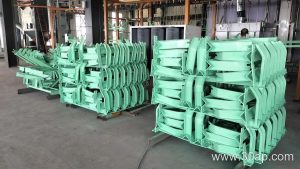
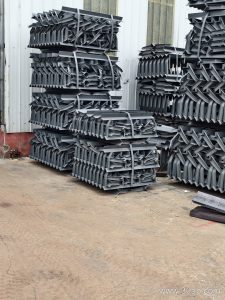
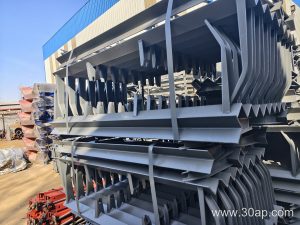
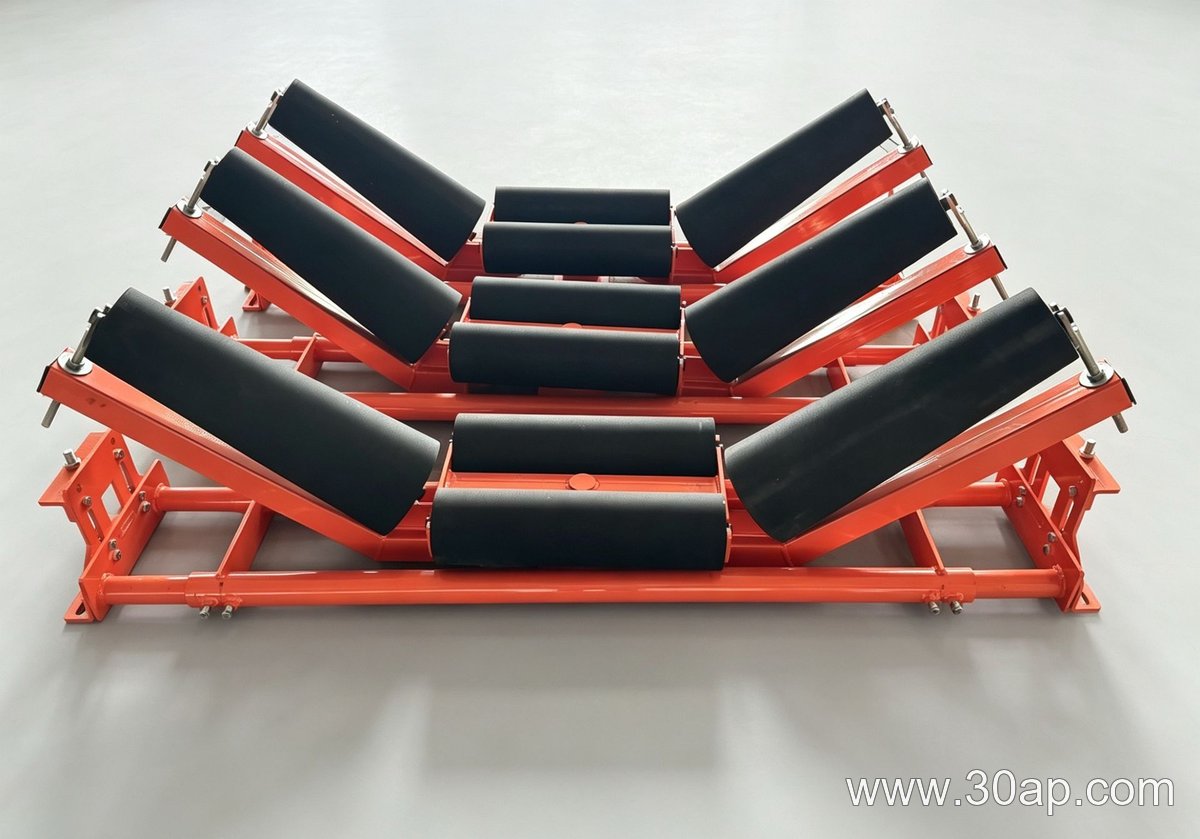
Selecting a conveyor bracket begins with a clear picture of where it will work. In a general manufacturing line, the bracket may support idler rolls, guide rails, or drive components. The environment dictates the starting point: a clean, climate-controlled plant allows broad material choices, while a foundry or wash-down area narrows the field quickly. Before comparing catalog numbers, list the actual conditions the bracket will face. This guide walks through a practical decision path based on material, speed, temperature, and operating conditions.
Material: Match the Load and the Atmosphere
Material choice is not about picking the strongest option. It is about matching strength, corrosion resistance, and cost to the real exposure.
- Carbon steel: Suitable for dry, indoor lines with moderate loads. It offers high stiffness at low cost but requires a protective finish if moisture is present.
- Stainless steel: Choose when wash-down, food contact, or mild corrosives are present. It resists rust but may cost more and can be less stiff than carbon steel in thin sections.
- Aluminum: Useful where weight matters, such as overhead or moving supports. It resists some corrosion but is not ideal for heavy impact or abrasive dust.
- Reinforced polymer or composite: Consider for light-duty, corrosive, or non-magnetic applications. Verify load ratings with the manufacturer, as these vary widely.
In a general manufacturing line, a common starting point is painted carbon steel for dry zones and stainless steel for wet or sanitary zones. If the bracket will sit near a heat source, check whether the material loses strength at the expected temperature.
Speed and Dynamic Loads
Belt speed affects the bracket mainly through vibration and fatigue. Higher speeds increase the frequency of small dynamic loads, which can loosen fasteners or initiate cracks at welds. For high-speed lines, choose a bracket with generous section thickness, continuous welds rather than intermittent ones, and a mounting pattern that spreads load into the conveyor frame. If the bracket supports an idler roll, confirm that the roll diameter and bearing type are compatible with the bracket’s load path. As a hypothetical example, a line running at 2.5 m/s with a 20 kg idler load may need a stiffer bracket than the same load at 0.5 m/s.
Temperature: Check the Real Range
Temperature affects both material strength and dimensional stability. Standard carbon steel is generally suitable from about -20°C to 200°C, but coatings and elastomer components may have narrower limits. Stainless steel performs well across a wider range, but not all grades are equal; some become brittle at low temperatures. If the bracket includes a polymer insert or bumper, verify its temperature rating separately. In a general manufacturing line, a bracket near an oven or dryer may see radiant heat even if the ambient air is cool. Measure or estimate the surface temperature at the bracket location, not just the room temperature.
Operating Conditions: Dust, Moisture, and Maintenance
Finally, consider how the bracket will live day to day. Abrasive dust can wear mounting faces and fastener threads. Moisture can cause galvanic corrosion where dissimilar metals touch. Frequent wash-down can degrade certain coatings. Vibration can loosen bolts. A practical selection path is to rank these risks and choose a bracket that addresses the highest one first.
- For dusty conditions, prefer smooth surfaces that shed particles and avoid pockets that trap material.
- For wet conditions, use stainless steel or a properly specified coating, and isolate dissimilar metals with washers or barriers.
- For high-vibration conditions, use locking fasteners, thread-locking compound, or welded construction where maintenance allows.
Document the chosen bracket’s material, finish, and mounting details on the line drawing so replacements match the original selection. Revisit the choice if the process changes, such as a new wash-down routine or a higher line speed.