What a Drive Lagged Pulley Does
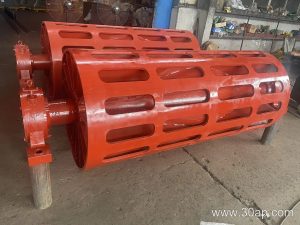
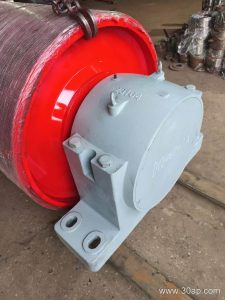
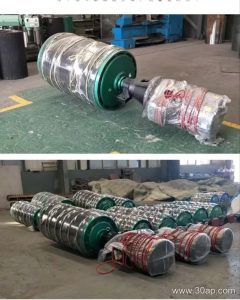
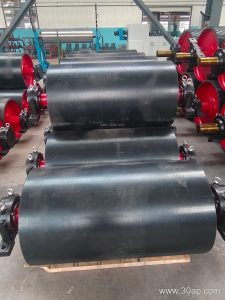
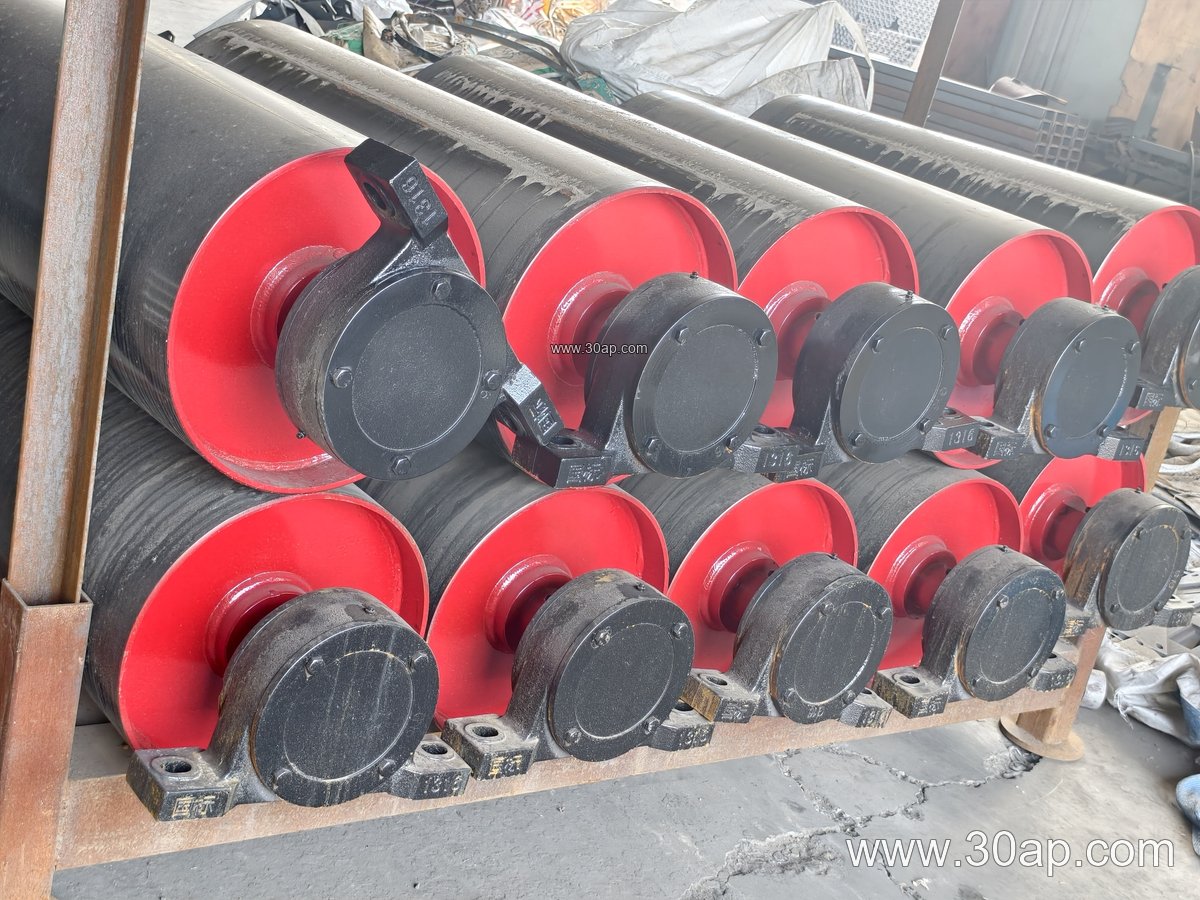
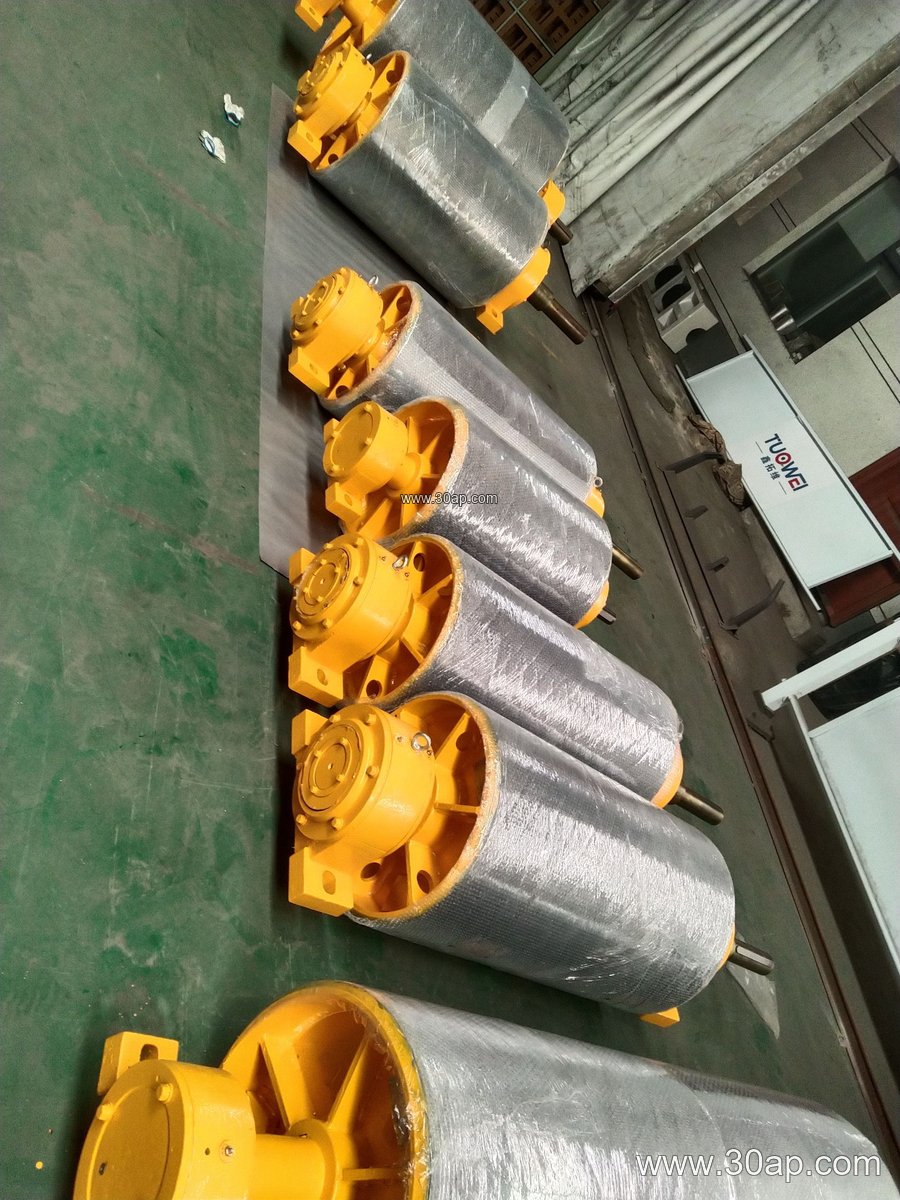
A drive lagged pulley is the head pulley that transmits power from the drive unit to the conveyor belt. Its lagging—a rubber or ceramic layer bonded to the drum surface—raises friction between pulley and belt, reducing slip under load. In a limestone quarry, a cement plant, or a coal handling system, this component directly affects starting reliability and belt life. The same product is also called a lagged head pulley or lagged drive drum; these terms describe the same assembly, not a tail or bend pulley.
Construction and Surface Options
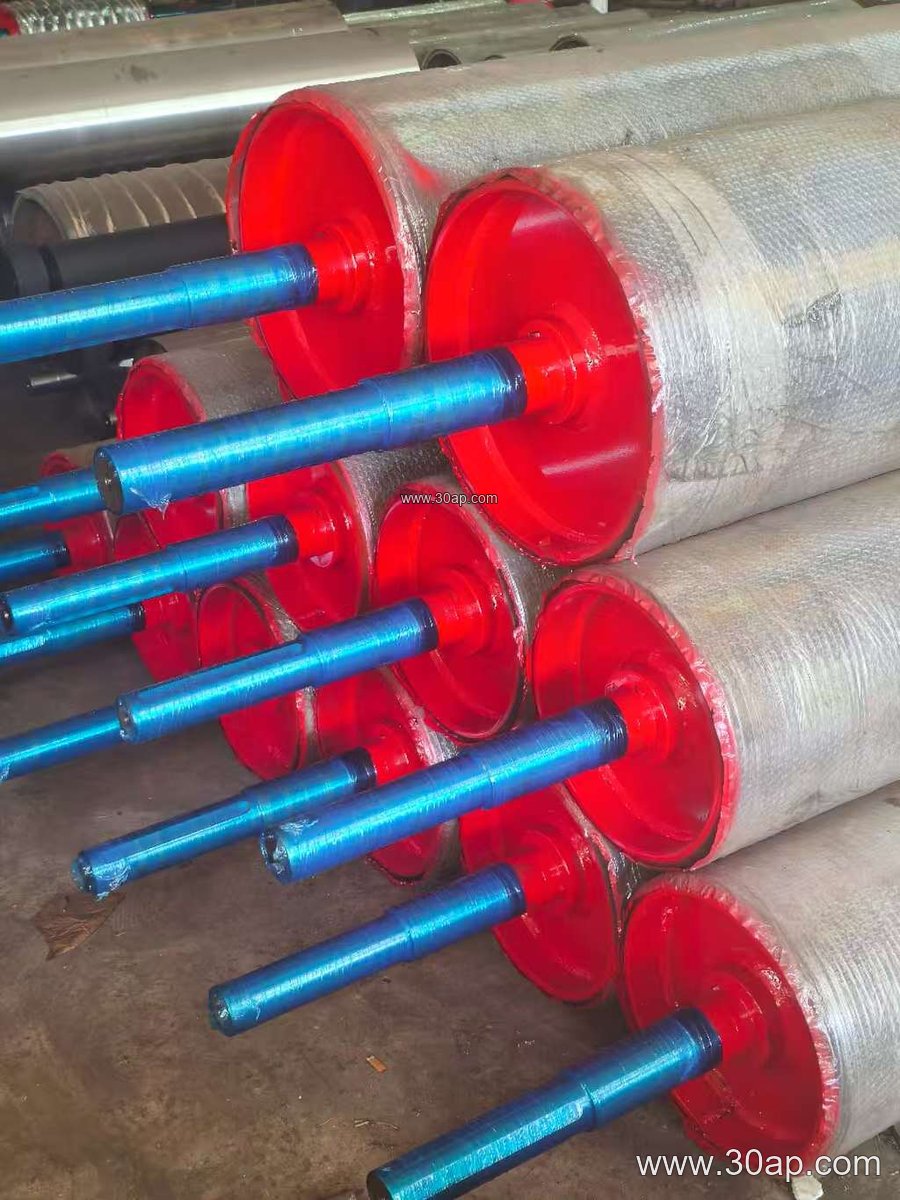
The pulley body is typically a welded steel drum with shaft, hub, and end discs. Lagging is applied in several forms: plain rubber, diamond groove, herringbone, or ceramic tile. Common lagging thicknesses are 8, 10, 12, 15, and 20 mm. Diamond and herringbone patterns help shed water and fines, while ceramic lagging suits high-torque drives in wet or muddy conditions. The pulley face width usually exceeds belt width to allow tracking tolerance—for example, a B800 belt often runs on a pulley with roughly 950 mm face width. Shaft diameter is determined by torque and load, not by belt width alone; typical shaft sizes range from Ø50 to Ø200 mm depending on design.
Where It Fits in the Conveyor
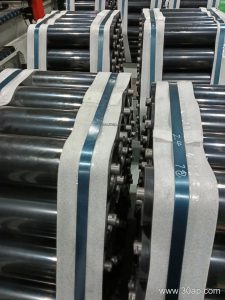
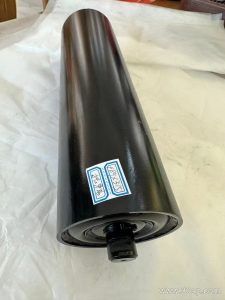
This pulley sits at the discharge end of a conveyor, where the belt wraps around it and returns. It works with the conveyor belt, carrying idlers, and return rollers to keep material moving. In a sand and gravel line, a lagged drive pulley on the primary belt helps maintain grip when the belt is dusty. In a power plant coal yard, the same component must resist abrasion and occasional moisture. A tail pulley or bend pulley may look similar, but they serve different roles—one tensions and trains the belt, the other changes direction without driving. The lagged drive drum is the only one that transfers motor torque to the belt.
Typical Sizes and Configurations
Drive lagged pulleys are sized by belt width and required torque. Common belt widths include B500, B650, B800, B1000, B1200, B1400, B1600, B1800, and B2000. Pulley diameters often range from Ø200 to Ø1800 mm. The table below shows representative combinations; these are common references, not fixed rules.
| Belt Width | Typical Pulley Diameter | Face Width (approx.) | Lagging Thickness |
|---|---|---|---|
| B500 | Ø400–Ø500 | 600 mm | 8–10 mm |
| B650 | Ø500–Ø630 | 750 mm | 10–12 mm |
| B800 | Ø500–Ø800 | 950 mm | 10–15 mm |
| B1000 | Ø630–Ø1000 | 1150 mm | 12–15 mm |
| B1200 | Ø800–Ø1250 | 1400 mm | 12–20 mm |
| B1400 | Ø800–Ø1400 | 1600 mm | 15–20 mm |
Larger drives may use Ø1600 or Ø1800 pulleys with shaft diameters up to Ø200 mm. The belt width does not dictate a single pulley diameter; the drive engineer selects diameter based on belt speed, tension, and lagging type. For high-abrasion service, a ceramic lagging may be preferred; for general bulk handling, diamond rubber lagging is common.
Selection and Maintenance Notes
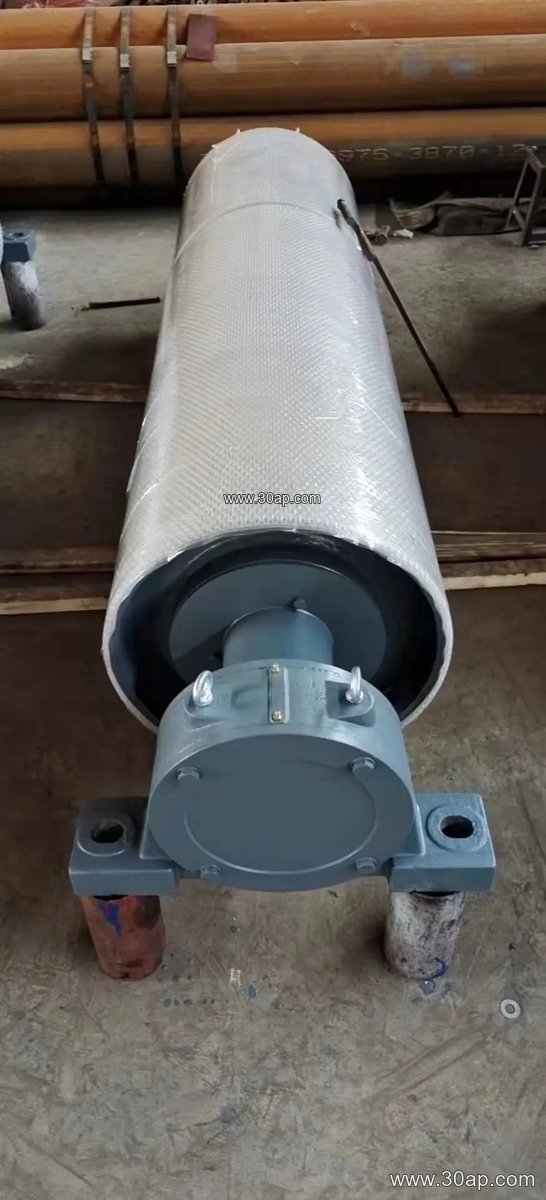
Buyers should confirm the belt width, required torque, shaft size, and lagging pattern with the conveyor designer. The pulley must match the conveyor pulley mounting brackets and bearing centers. A lagged drive pulley works best with a compatible rubber conveyor belt that has adequate cover thickness and splice strength. In a crusher circuit, a heavy-duty abrasion resistant conveyor belt helps reduce wear on both belt and lagging. Regular inspection of lagging wear, bolt tightness, and shaft alignment prevents slip and tracking issues. When lagging wears unevenly, re-lagging or replacement is needed—do not confuse this with a tail pulley or take-up pulley, which serve different functions.
Industry Applications
Drive lagged pulleys appear in aggregate plants, cement kiln feed lines, iron ore handling, and port bulk terminals. In each case, the pulley must handle the specific belt tension and environmental conditions—dust, moisture, or temperature. A properly selected lagged drive drum improves starting traction and reduces belt slippage, contributing to steady material flow.