What a Vertical Idler Bracket Does
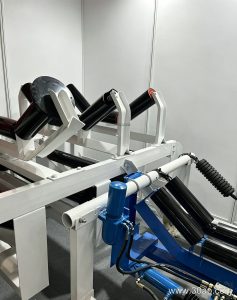
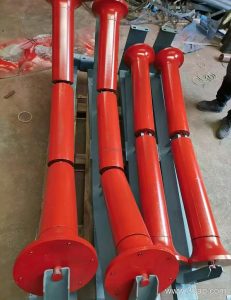
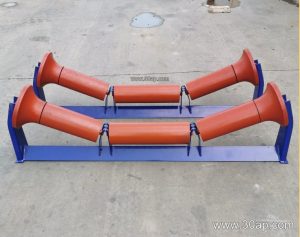
A Vertical Idler Bracket is the mounting component that holds a vertical idler roller in position on a belt conveyor. It is not the roller itself, and it is not a pulley. In a typical installation, the bracket fixes the idler shaft to the conveyor frame so that the roller face stays square to the belt path and at the correct height. In aggregate plants, cement lines, and power plant coal handling, this small part often decides whether the belt tracks cleanly or rubs against the structure.
The vertical arrangement is usually found where the belt needs side guidance, edge support, or a controlled transition rather than a full troughing profile. A well-aligned bracket keeps the roller axis horizontal and perpendicular to the belt centerline, which reduces edge wear and helps the belt stay centered between the frame rails.
Construction and Common Materials
Most brackets are fabricated from angle steel, channel steel, or folded steel plate. The vertical leg carries the mounting slots for the idler shaft, while the base or flange bolts to the conveyor stringer. Welded gussets are common where the bracket must resist vibration from a loaded belt.
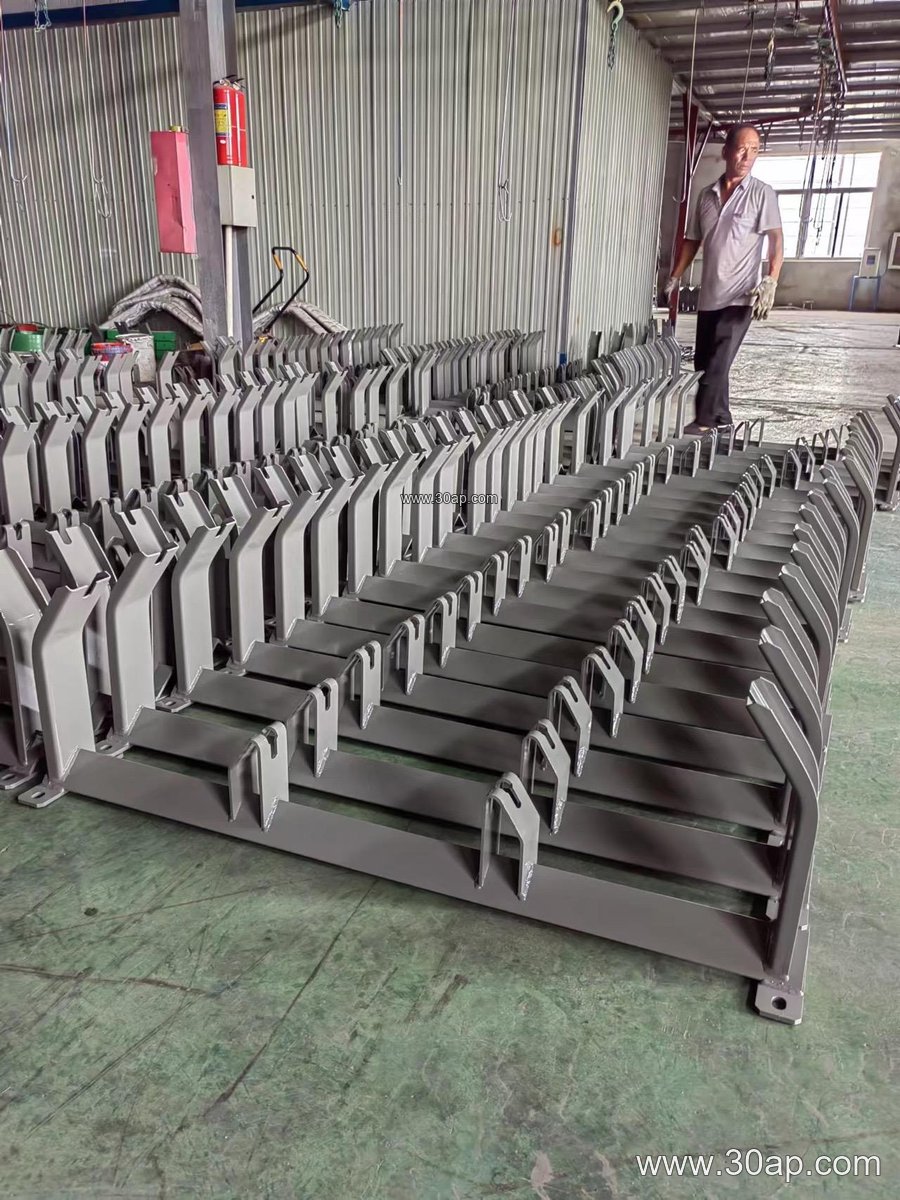
- Angle steel brackets — simple, stiff, and easy to bolt to a flat frame.
- Channel steel brackets — good bending resistance on wider conveyor frames.
- Folded plate brackets — lighter weight with formed stiffening ribs.
Surface treatment matters in dusty or wet service. Paint, galvanizing, or powder coating are typical choices, especially in quarry and wash plant environments where abrasive dust and moisture shorten the life of unprotected steel.
Where Vertical Brackets Fit in a Conveyor Line
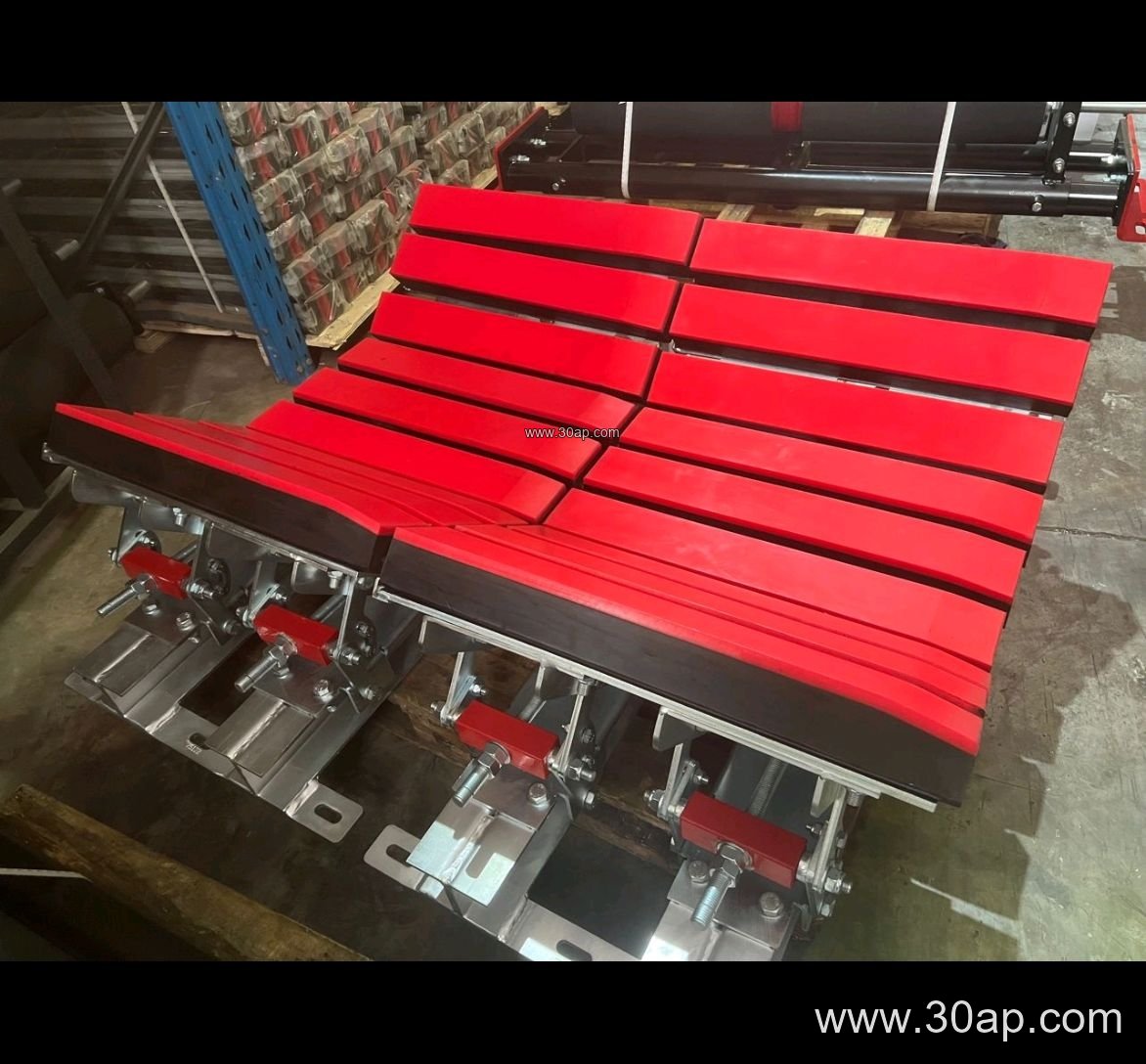
These brackets are commonly used at loading points, along the return run, and at transitions where the belt changes profile. In a limestone quarry or a crushing and screening circuit, they help keep the belt aligned as material drops onto the belt. In a coal preparation plant, they support idler rollers that guide the belt through transfer towers and around structures where space is tight.
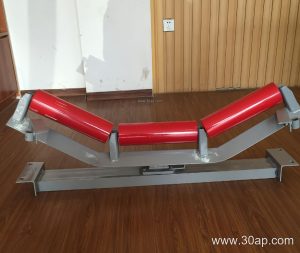
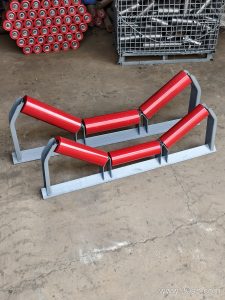
They are often used alongside troughing idler brackets, return brackets, and self-aligning brackets. Each has a different job. A troughing bracket sets the trough angle for carrying idlers, while the vertical bracket controls side position. For comparison, a bend pulley changes belt direction, and a drive pulley transmits power — neither is a substitute for a bracket. The bracket is the fixed reference point; the idler roller and conveyor belt do the moving.
Matching Bracket, Belt Width, and Idler Diameter
Selection starts with belt width and idler diameter. Common belt widths include B500, B650, B800, B1000, B1200, B1400, B1600, B1800, B2000, B2200. Idler diameters are usually Ø89, Ø108, Ø133, Ø159, or Ø194. A bracket designed for B800 with Ø108 rollers will not fit a B1400 frame with Ø159 rollers, so the mounting hole spacing and crossbeam length must be confirmed against the drawing.
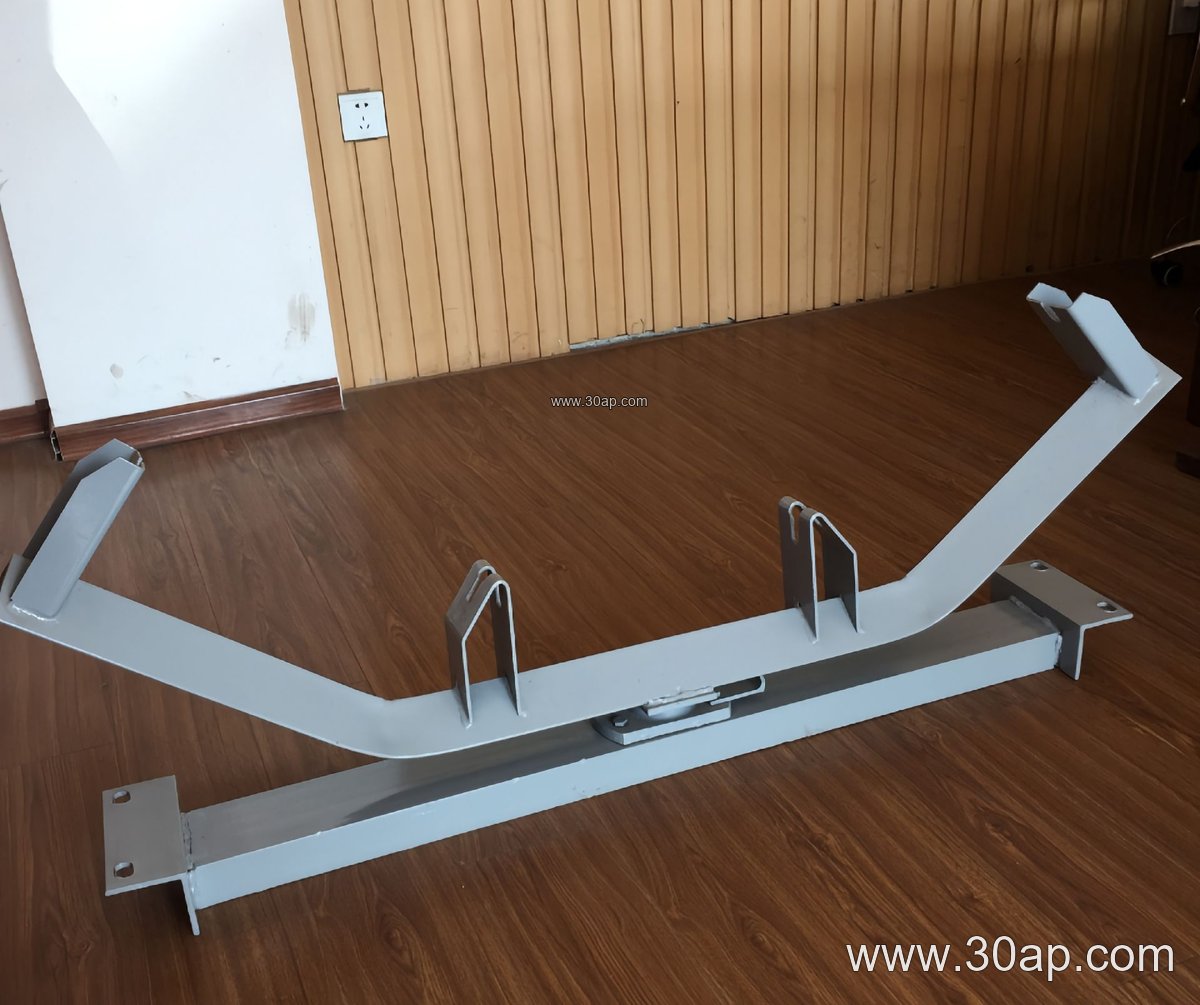
Trough angle is a separate decision. Adjustable brackets can be set between 20, 30, 35, and 45 degrees, while fixed brackets are built for one angle. Forward-leaning brackets typically use about 1.5 to 2 degrees of tilt for belt training. There is no single mandatory combination; B650 with 30 degrees and Ø89, or B1200 with 45 degrees and Ø133, are both normal design choices depending on the conveyor duty.
| Parameter | Common Options | Selection Note |
|---|---|---|
| Belt width | B500 to B2200 | Match bracket span to frame width |
| Idler diameter | Ø89, Ø108, Ø133, Ø159, Ø194 | Confirm shaft and slot size |
| Trough angle | 20°, 30°, 35°, 45° | Adjustable or fixed design |
| Material | Angle, channel, folded plate | Depends on load and environment |
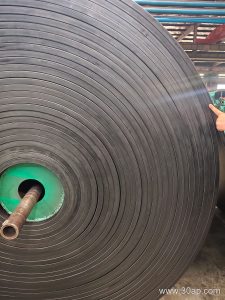
Belt construction also affects the support choice. A heavy-duty mining conveyor belt carrying iron ore or copper ore may need a stiffer bracket than a lighter fabric core conveyor belt on a short transfer. Flame retardant conveyor belt and abrasion resistant conveyor belt used underground or in a coal mining conveyor belt system are often paired with robust, well-anchored brackets to resist vibration and misalignment.
Buyer Checklist Before Ordering
- Confirm belt width and the actual idler roller diameter, not just the nominal size.
- Check whether the frame is flat, angled, or channel-mounted.
- Decide between fixed and adjustable trough angle.
- Ask for mounting hole spacing and overall bracket height in the drawing.
- Specify surface treatment for dusty, wet, or corrosive service.
- Confirm that the bracket works with the selected conveyor pulley layout and take-up arrangement.
During maintenance, check bolt torque and bracket squareness after belt tracking adjustments. A loose or bent vertical bracket can cause the idler roller to lean, which quickly leads to edge damage on the conveyor belt. Replacing a worn bracket early is usually cheaper than replacing the roller and the belt edge it damages.