What a Conveyor Bracket Is and Why Its Price Varies
A conveyor bracket is the steel support that holds the idler roller in place along a conveyor frame. It sounds like a small item, but the conveyor bracket price can swing widely between suppliers, and the difference usually comes down to material, geometry, and how the bracket fits the belt width. In a quarry, a cement plant, or a coal yard, a bracket that is undersized or poorly matched to the trough angle will wear faster and disturb the conveyor belt line. Buyers comparing quotes should look beyond the number on the page.
Structure and Common Build
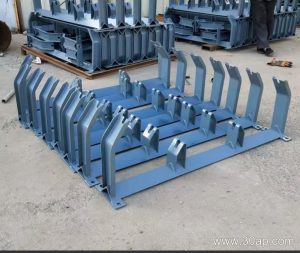
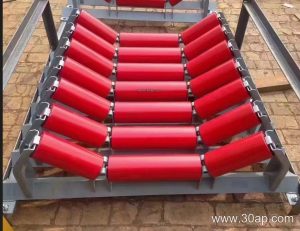
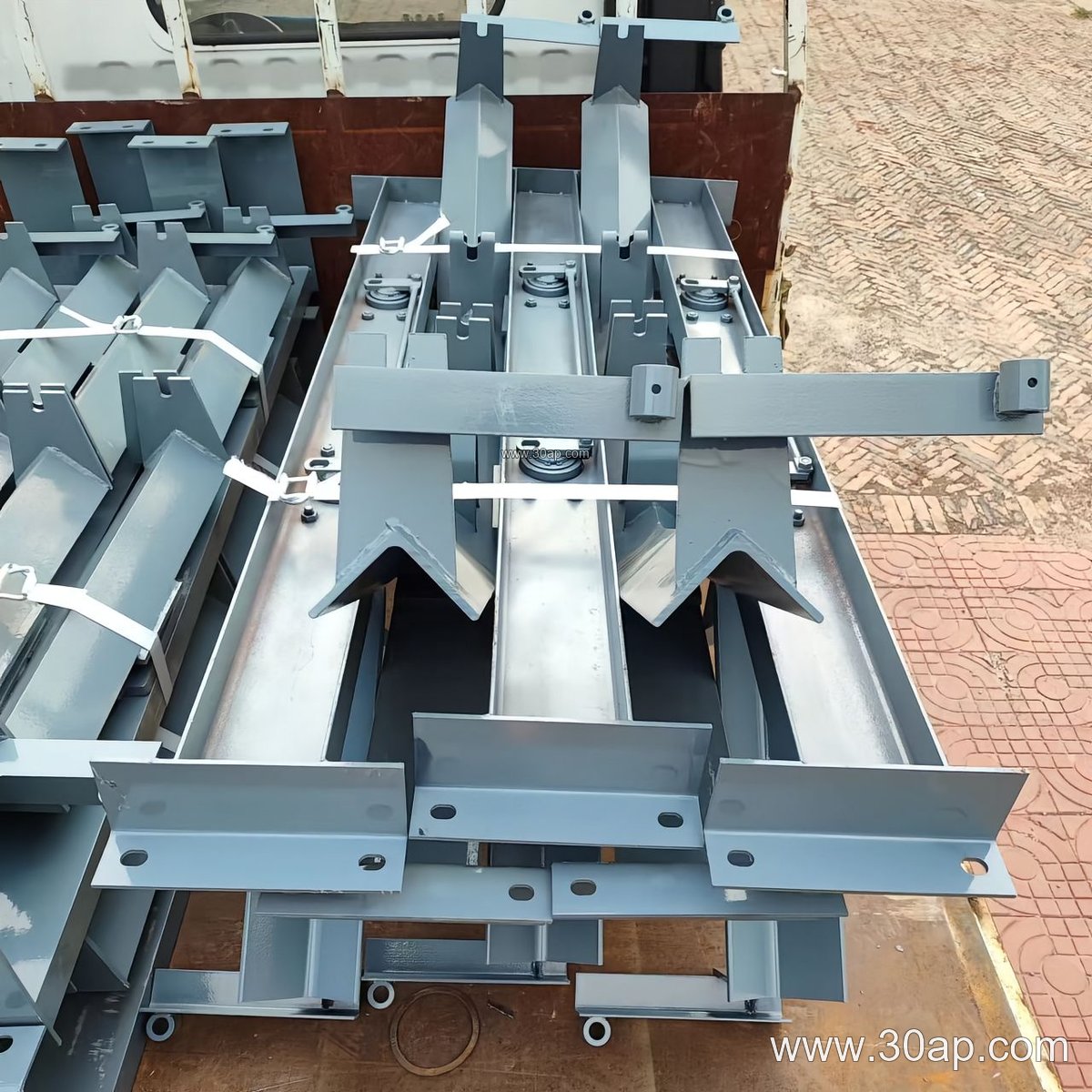
Most brackets are fabricated from angle steel, channel steel, or folded steel plate. The bracket carries the idler roller at a set trough angle, and its mounting holes and crossbeam length are determined by the belt width and the design of the frame. Typical forms include the trough bracket, upper trough bracket, transition bracket, return bracket, flat return bracket, V-return bracket, impact bracket, self-aligning bracket, forward-leaning bracket, spiral bracket, hanging bracket, and adjustable bracket. Each serves a different position on the conveyor, so they are not interchangeable.
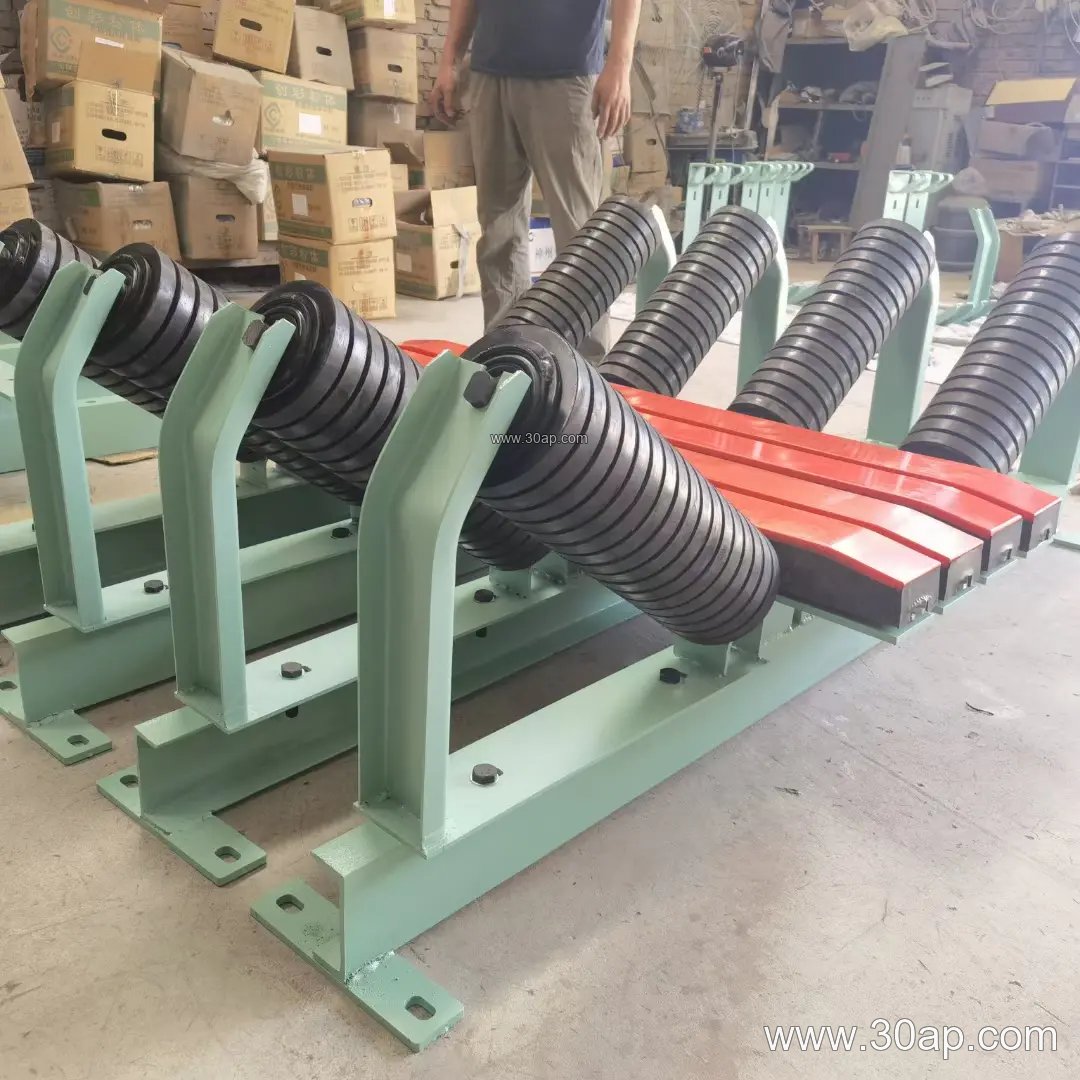
Where Brackets Fit in a Conveying Line
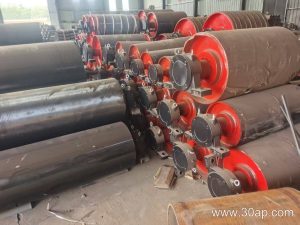
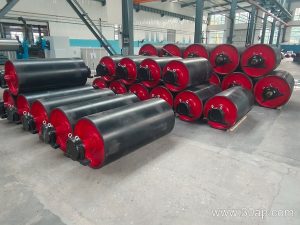
On a crushing and screening line, trough brackets support the loaded side of the conveyor belt, while return brackets carry the empty side. In a power plant coal handling system, self-aligning brackets help keep the belt centered; in a sand and gravel operation, impact brackets sit under the loading point to absorb shock. A transition bracket is used near the pulley end to guide the belt from a flat to a troughed profile. The conveyor pulley, whether a drive pulley or a bend pulley, does its own job and is not a substitute for the bracket structure.
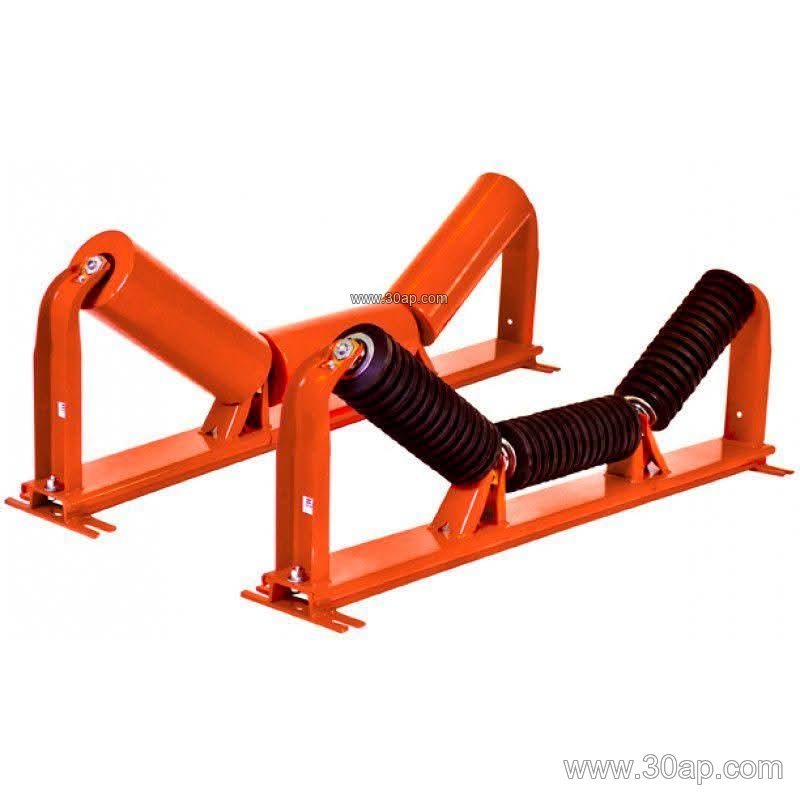
Parameters That Affect Conveyor Bracket Price
Several variables move the price. Belt width is one, because wider frames need longer crossbeams and heavier steel. Trough angle is another, since 20, 30, 35, and 45 degree forms need different bend geometry. Roller diameter also matters, because the bracket seat must match the shaft and bearing housing. Common belt widths run from B500 to B2200, roller diameters from Ø89 to Ø194, and trough angles from 20 to 45 degrees. The table below shows typical combinations used in selection work; these are reference examples, not fixed rules.
- B650, 30 degrees, Ø89 — light-duty sand and gravel line
- B800, 35 degrees, Ø108 — general aggregate conveying
- B1000, 35 degrees, Ø133 — cement plant raw material line
- B1200, 45 degrees, Ø133 — high-capacity coal handling
- B1400, 35 degrees, Ø159 — heavy-duty quarry duty
Mounting hole spacing and crossbeam length change with belt width and trough angle, so they should be confirmed against the drawing rather than assumed. Do not assume one belt width matches only one pulley diameter or one shaft size. The right bracket is defined by the frame design, the idler roller to be used, and the load.
Adjustable Versus Fixed Brackets
An adjustable bracket lets the operator change the trough angle within a range, which is useful when the belt material or loading condition changes. A fixed bracket is simpler and usually less expensive. Forward-leaning brackets, typically about 1.5 to 2 degrees, are chosen for belt training rather than for angle adjustment, so they are a different discussion.
Buying Advice
- Confirm belt width, trough angle, and roller diameter before requesting a quote.
- Ask for the material thickness and steel grade, since these drive both price and service life.
- Request a dimensional drawing, including hole spacing and crossbeam length.
- Check that the bracket matches the actual conveyor frame, not just the catalog number.
- Compare brackets as a set, because a low unit price on a thin bracket may cost more in replacement labor.
Conveyor bracket price is best judged together with the idler roller, conveyor belt, and pulley arrangement it serves. A bracket that fits well and is built from adequate steel will usually be the cheaper choice over the life of the line.