What a High-Strength Pulley Is
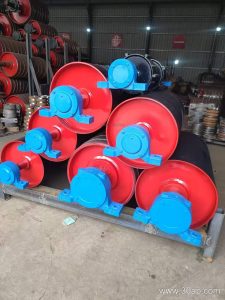
A high-strength pulley is the conveyor drum that carries the belt at the head, tail, or bend points of a heavy-duty conveyor and is built to take loads that a light standard drum cannot. In aggregate plants, coal preparation facilities, and cement clinker lines, the pulley is often the part that decides whether a conveyor keeps running through the shift. This article looks at how these drums are constructed, where they are used, and what to check before ordering.
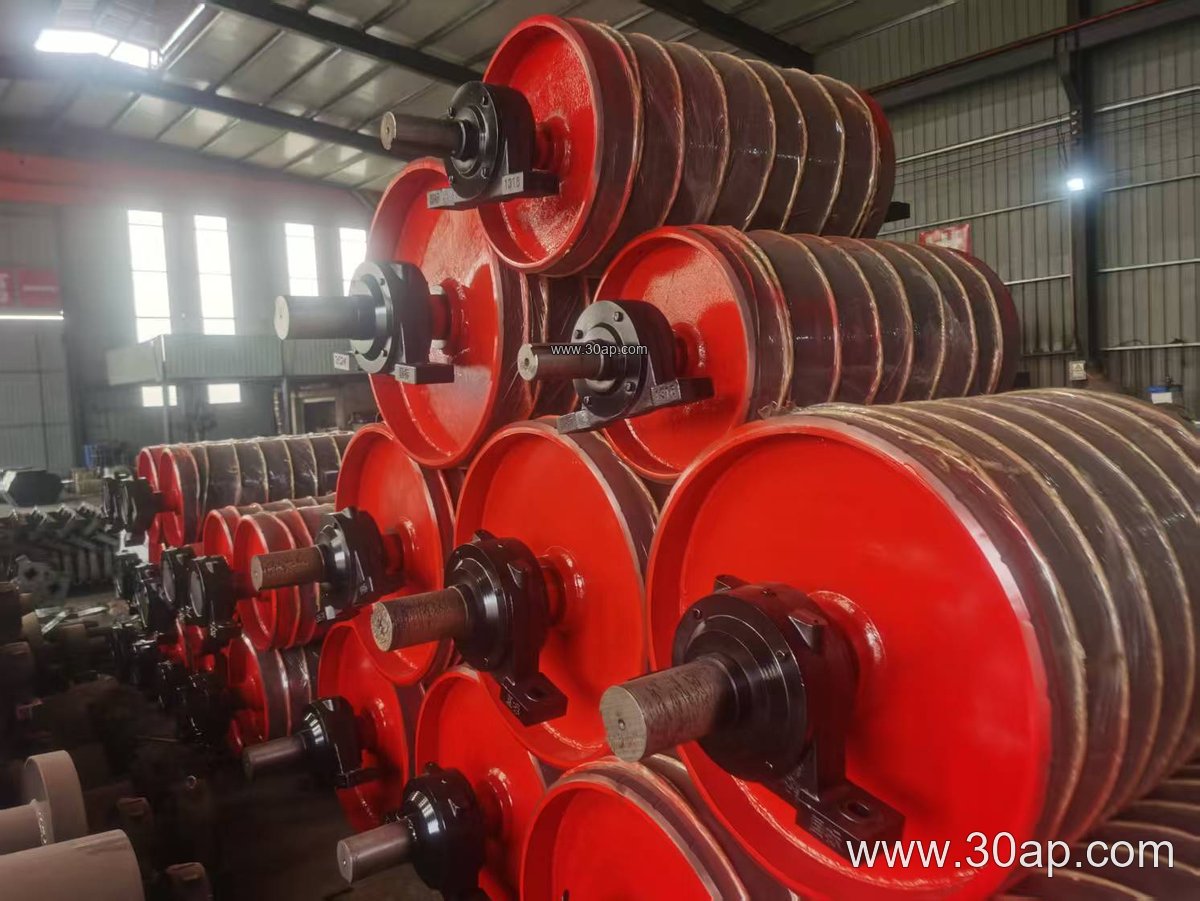
In practice, buyers meet this component under several accurate names: heavy-duty conveyor pulley, high-strength drum, or reinforced conveyor pulley. All refer to the same product category. Drive pulleys, tail pulleys, and bend pulleys are different positions in the conveyor and are not interchangeable; a high-strength pulley can serve in any of those positions, but the design requirements change with the duty.
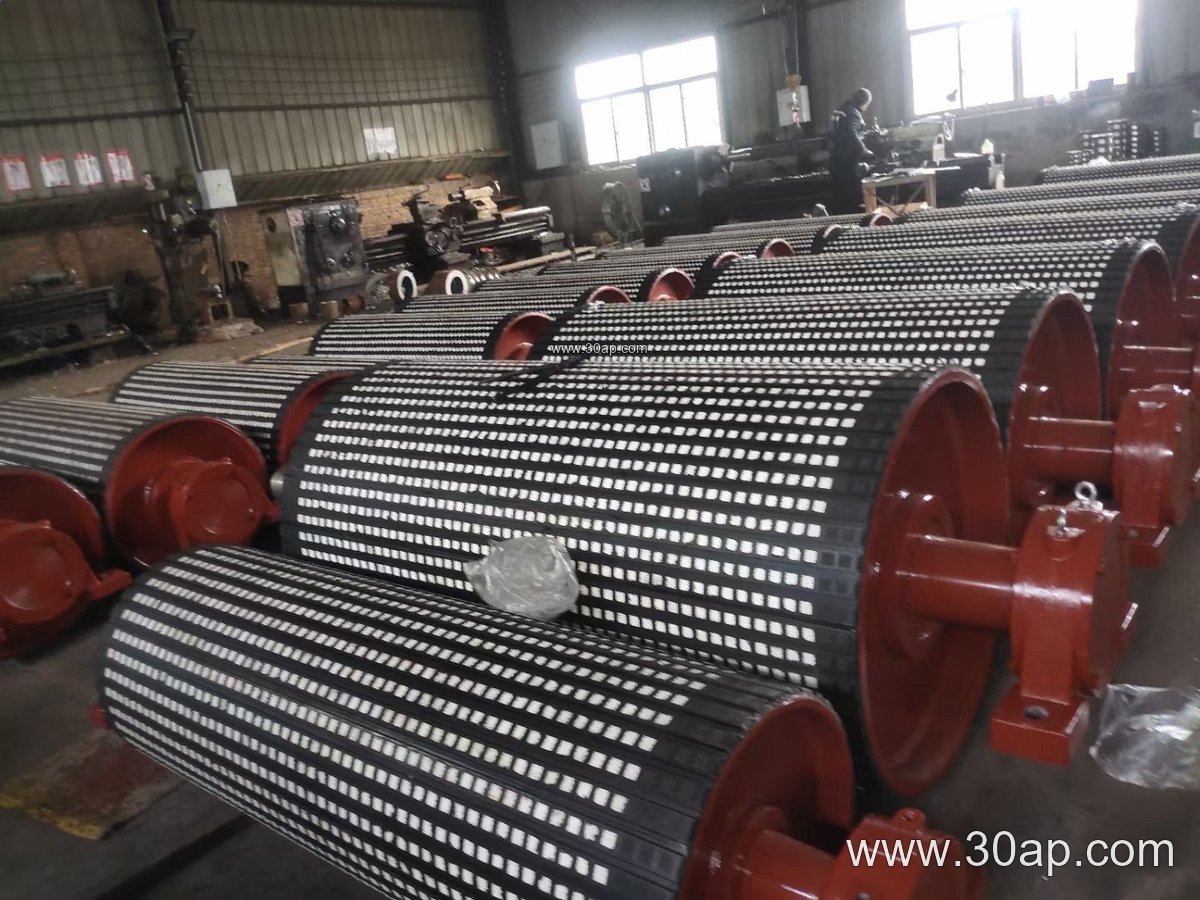
How the Drum Is Built
The strength comes from the shell, the end discs, and the shaft connection working together. A typical build includes:
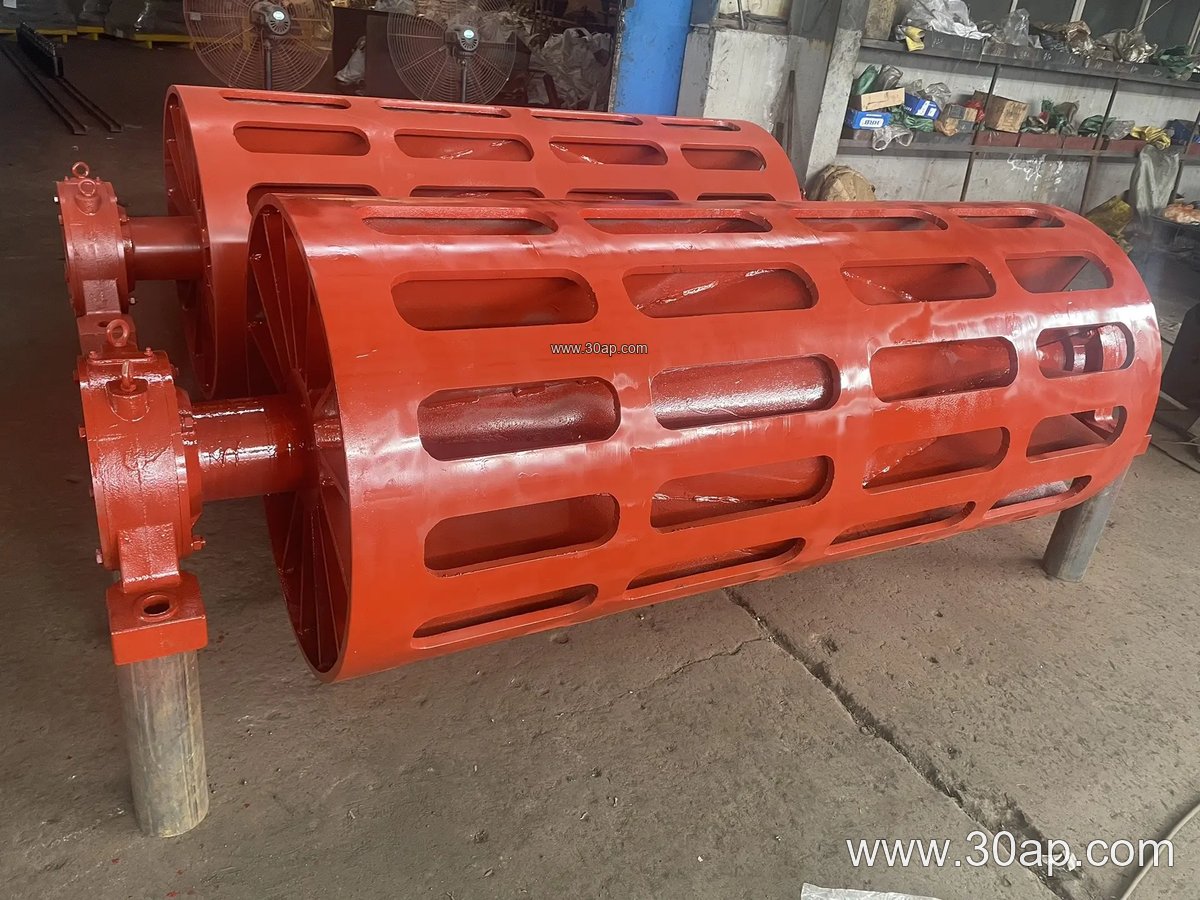
- A rolled steel shell, sometimes with a thicker wall at the center where belt tension is highest
- Welded end discs or hubs that transfer load from the shell into the shaft
- A shaft sized by torque and radial load, not by belt width alone
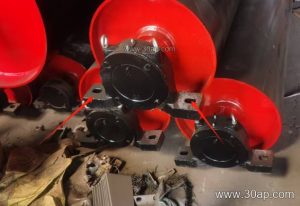
- Bearing housings and a locking arrangement suited to the pulley position
- Surface treatment such as plain finish, rubber lagging, or ceramic lagging for grip
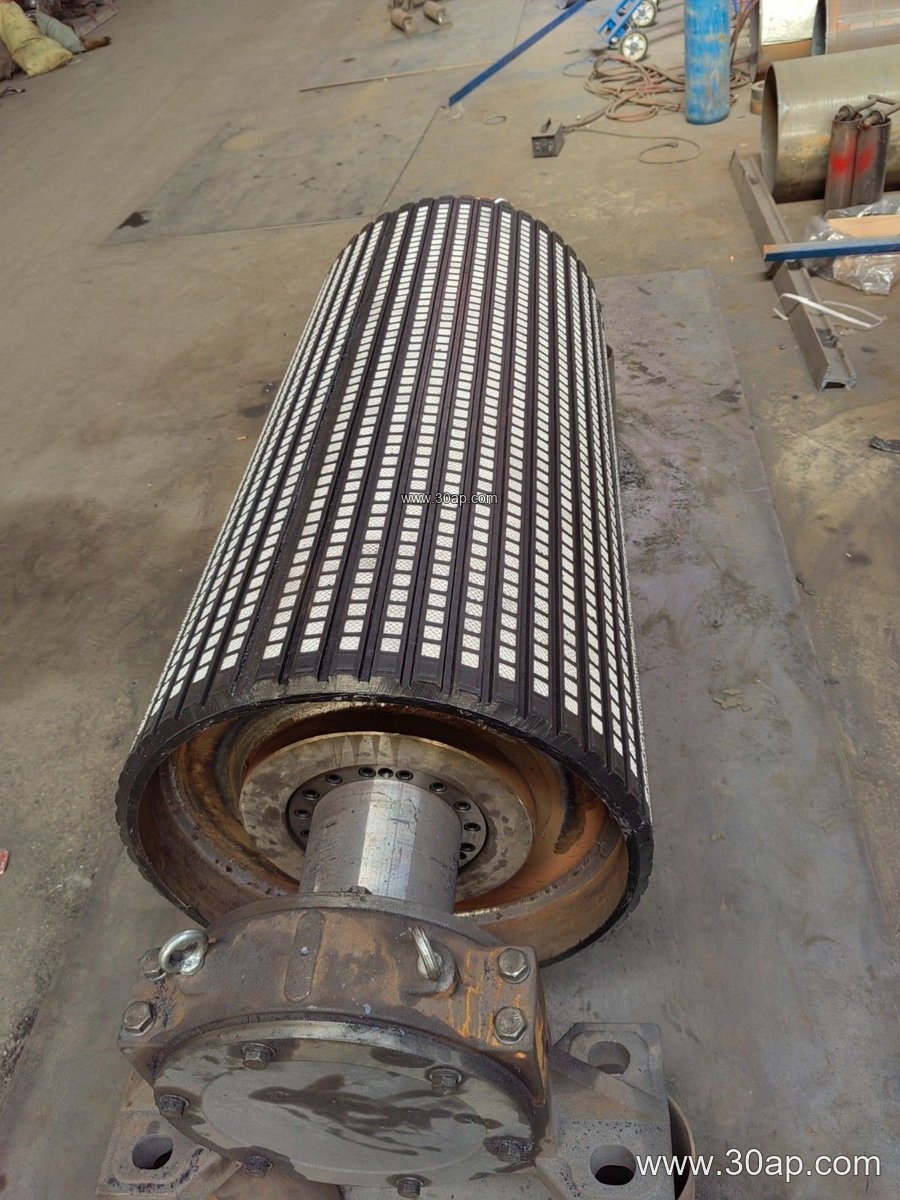
Lagging is where many specifications are decided. Common surface forms include plain, hot-vulcanized rubber, cold-bonded rubber, diamond groove, herringbone groove, and ceramic. Lagging thickness is often 8, 10, 12, 15, or 20 mm depending on the duty. A drive pulley usually needs more grip than a bend pulley, so the surface choice should follow the position rather than the other way around.
Where It Fits in the Plant
These pulleys appear wherever a conveyor moves abrasive or heavy bulk material. In a quarry or stone crushing line, a high-strength pulley at the head end handles the return of a wide, thick belt loaded with rock. In a coal preparation plant or underground coal mining conveyor, flame retardant and anti-static requirements shape both the belt and the drum surface. In a power plant coal yard or a cement plant, dust and continuous operation put a premium on bearing protection and shell stiffness.
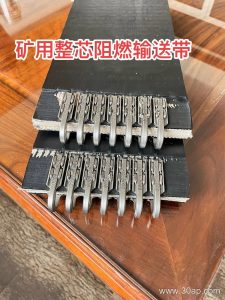
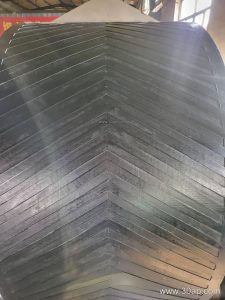
The belt itself matters too. A heavy-duty mining conveyor belt, an abrasion resistant conveyor belt, or a steel cord conveyor belt all impose different tension and tracking behavior on the drum. Matching the pulley to the belt, rather than treating them separately, avoids edge wear and belt mistracking.
Common Size Combinations
Dimensions are selected by the conveyor design. The table below shows reference combinations that appear in project specifications; they are examples, not fixed rules, and a given belt width can work with more than one drum diameter.
| Belt width | Example drum diameter | Example face width | Typical position |
|---|---|---|---|
| B500 | Ø320 | 600 mm | Tail or bend |
| B650 | Ø400 | 750 mm | Bend or snub |
| B800 | Ø500 | 950 mm | Drive or tail |
| B1000 | Ø630 | 1150 mm | Head drive |
| B1200 | Ø1000 | 1400 mm | Main drive |
| B1400 | Ø800 | 1600 mm | Drive or take-up |
| B1600 | Ø1250 | 1800 mm | Heavy head drive |
| B1800 | Ø1400 | 2000 mm | High-capacity drive |
Shaft diameters are commonly Ø80, Ø100, Ø120, Ø140, Ø160, or larger, and are confirmed by torque calculation. A B1200 belt does not automatically mean a Ø1000 drum or a Ø120 shaft; the conveyor layout, belt tension, and starting torque decide.
Buyer Checklist
Before requesting a quotation, gather the belt width and type, the pulley position, the calculated belt tension, the shaft load, and the required lagging. State whether the drum is a drive, tail, or bend pulley, since the surface and hub design differ. Ask how the shell and shaft are joined and how the bearing housings are sealed against dust. For coal or underground duty, confirm the flame retardant and anti-static requirements with the belt supplier. For hot material such as clinker, discuss heat-resistant lagging and belt selection together.
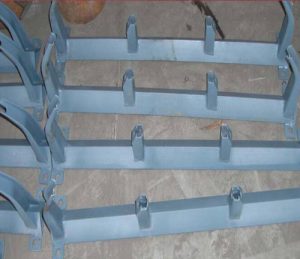
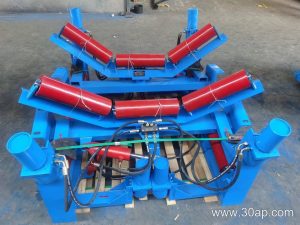
Finally, plan maintenance. Check lagging wear, bearing temperature, and shell runout at regular intervals, and keep a spare drum or lagging kit for critical conveyors. A well-specified high-strength pulley, paired with the right conveyor belt, idler roller, and conveyor bracket set, keeps a bulk handling line predictable through long shifts.