What a Copper Ore Conveyor Belt Has to Handle
Copper ore is heavy, sharp-edged, and often wet or dusty when it leaves the crusher. A Copper Ore Conveyor Belt is the rubber conveyor belt used on the main haulage and transfer lines of a copper mine, concentrator, or port loading terminal. It is not a general-purpose belt chosen only by width. The duty combines high bulk density, lump impact at the loading point, and continuous abrasion along the full carrying run.
Because of this, buyers usually specify an Abrasion Resistant Conveyor Belt construction with a cut-resistant cover, and they match the carcass to the duty. In copper concentrators the same line may also carry crushed rock, flotation tailings, or concentrate, so the belt specification should follow the actual material, not the mine name alone.
Construction and Carcass Options
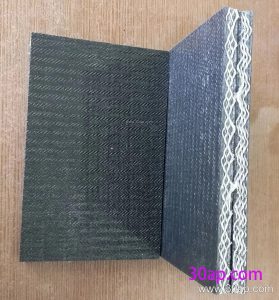
The belt body has three functional parts: the top cover, the carcass, and the bottom cover. For copper ore duties the top cover is commonly 6+2 mm, 8+3 mm, or heavier, while the pulley side is usually thinner. The carcass carries the tension and decides how the belt behaves on the conveyor pulley and idler roller.
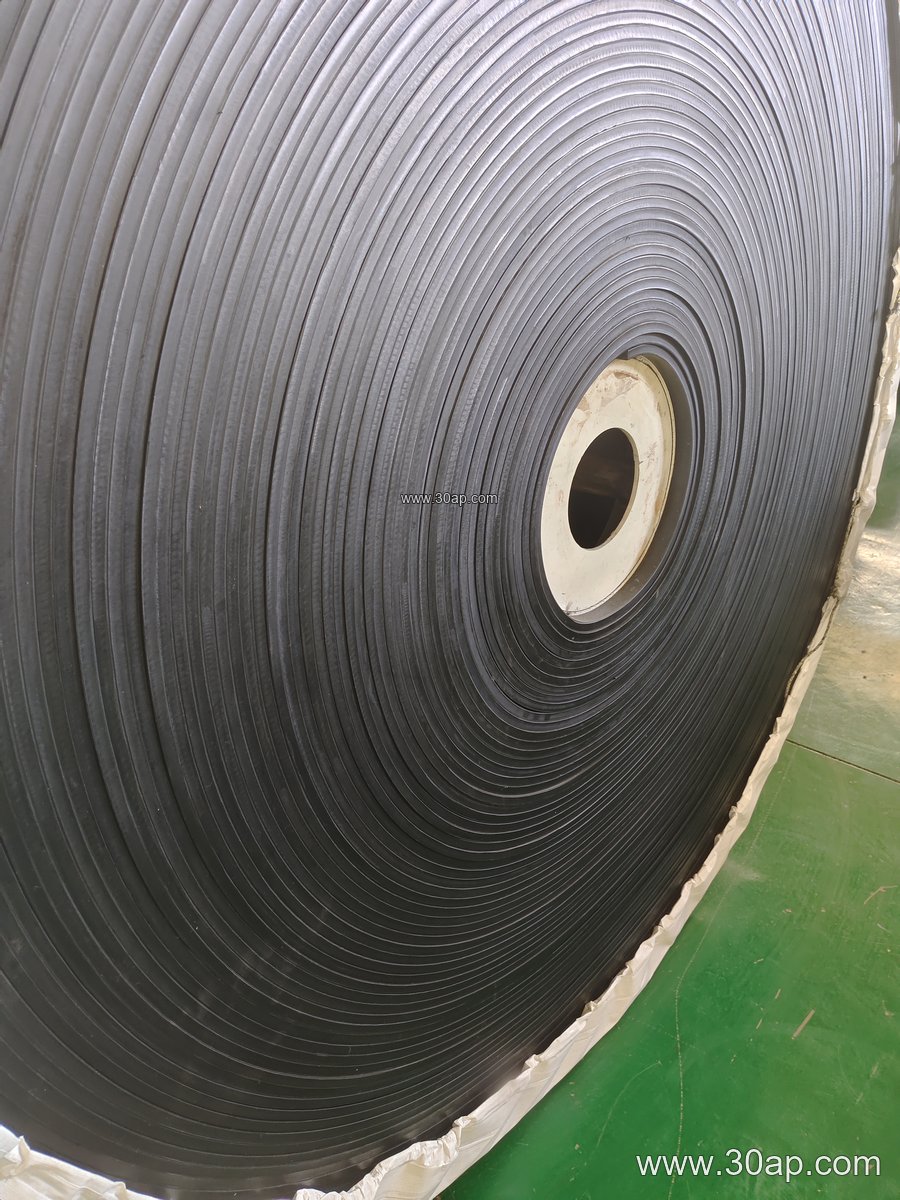
- EP fabric core – polyester and nylon plies, widely used on medium and long overland lines; EP200 to EP1000 ratings cover many copper ore transfer duties.
- NN fabric core – nylon plies with good fatigue resistance, often chosen where the belt flexes repeatedly on small pulleys.
- Steel cord – single-layer steel cables for very long, high-tension mainlines, usually ST1000 and above.
- Multi-ply fabric core – 2 to 6 plies, still common on short crusher discharge and stockpile belts.
Cover compound matters as much as the carcass. A high abrasion resistant grade slows cover wear, while a flame retardant conveyor belt grade is specified where the belt runs underground or near combustible materials. In cold regions a cold resistant conveyor belt compound keeps the cover from cracking during winter start-up.
Common Sizes and Ratings
Reference data below show typical ranges; final values are set by the conveyor design and confirmed with the belt maker.
| Parameter | Typical reference values |
|---|---|
| Belt width | B650, B800, B1000, B1200, B1400, B1600, B1800, B2000 |
| EP strength grades | EP200, EP315, EP400, EP500, EP630, EP800, EP1000, EP1250, EP1600 |
| Cover thickness | 4+2, 5+2, 6+2, 8+3 mm |
| Carcass plies | 2 to 6 layers for fabric core |
| Steel cord grades | ST1000, ST1250, ST1600, ST2000 and higher |
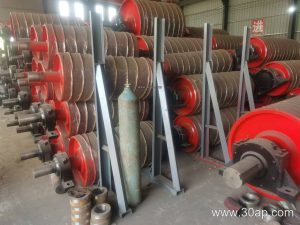
A 1200mm wide EP1000 belt and a 1800mm wide EP1250 belt are both realistic on copper projects, but the width must come from the required capacity and lump size, not from a catalogue preference. Belt width and conveyor pulley diameter are separate design decisions; a wider belt does not automatically mean a larger pulley shaft.
Where the Belt Runs in a Copper Flow Sheet
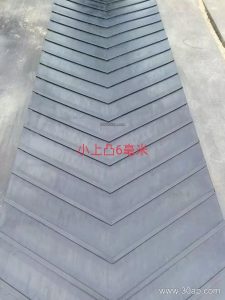
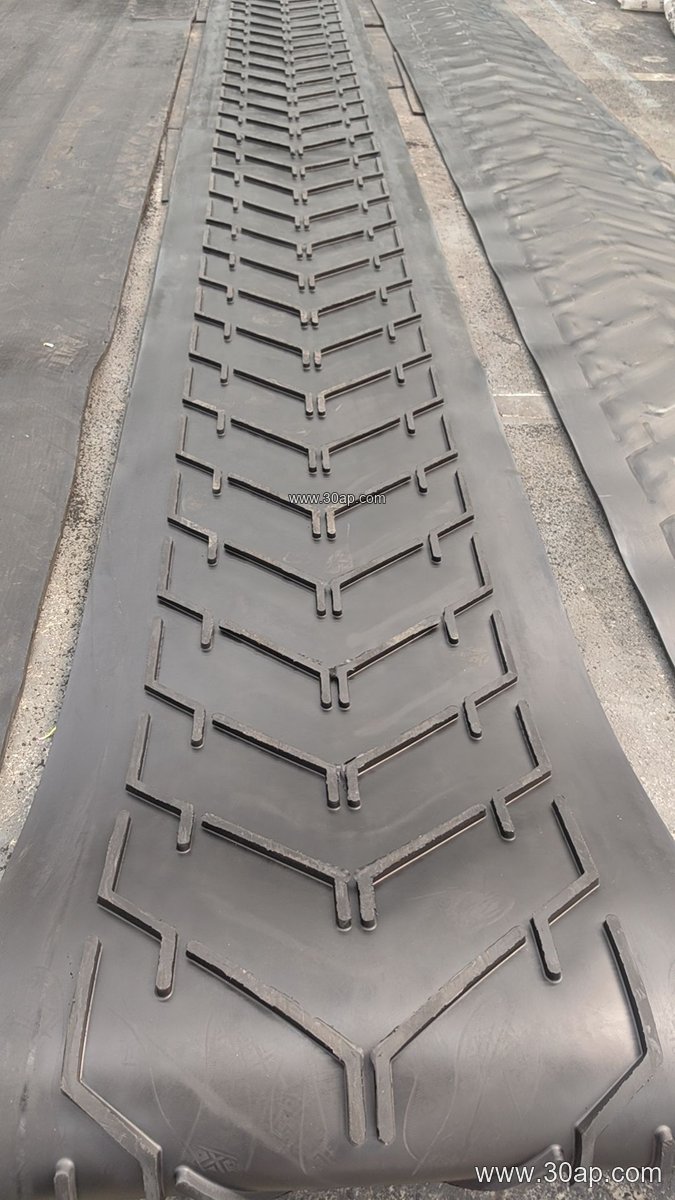
Typical positions include the primary crusher discharge, coarse ore stockpile feed, grinding circuit feed, and concentrate load-out. Similar heavy-duty belt designs appear in iron ore, gold mining, quarry, aggregate, and cement plant circuits, and in power plant coal handling. Where the route climbs steeply, a chevron conveyor belt or a corrugated sidewall conveyor belt may be compared with a standard smooth belt, but each is a different product and should be evaluated on its own incline duty.
Underground copper operations may require an underground mining conveyor belt with flame retardant and anti-static properties. Enclosed routes that must control spillage and dust sometimes use a pipe conveyor belt, which is again a separate construction.
Buyer Checklist
- State the material: copper ore lump size, bulk density, moisture, and temperature.
- Give the duty: capacity in t/h, incline angle, centre distance, and loading method.
- Confirm the carcass grade and cover thickness against the calculated tension.
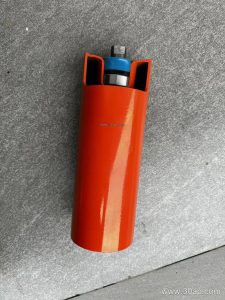
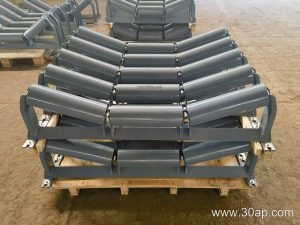
- Check pulley and idler roller compatibility, including transition distance and trough angle.
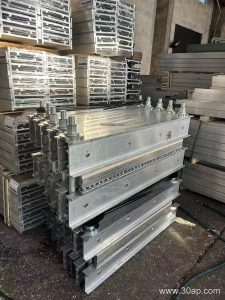
- Review splice type, since a vulcanized splice usually suits long mainlines better than mechanical fasteners.
- Ask for the belt data sheet rather than relying on a single strength number.
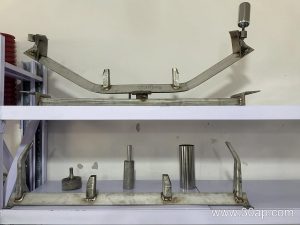
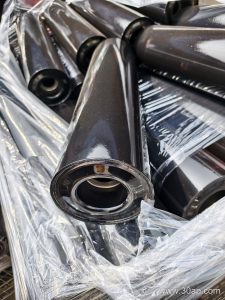
Maintenance also shapes service life. Keep the conveyor pulley lagging clean, align the idler roller frames, and check the conveyor bracket mounts for movement that can train the belt off-centre. A well-matched Copper Ore Conveyor Belt with the right cover grade and carcass will usually outlast a cheaper belt that was selected on width and price alone.