What a Stone Crushing Conveyor Belt Does
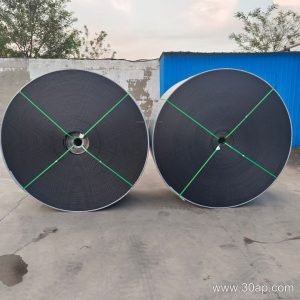
In a quarry, sand and gravel plant, or mine site, the stone crushing conveyor belt is the link between the crusher discharge and the screening or stockpile area. It carries coarse, sharp, and often heavy material at a steady rate, so the belt must resist cutting, impact, and abrasion while keeping tension stable over long runs. The same belt type is often called a crusher conveyor belt or an aggregate conveyor belt, and those names describe the same product in this duty.
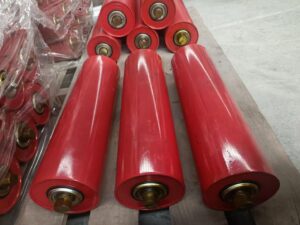
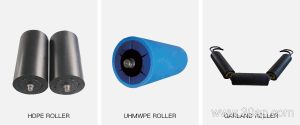
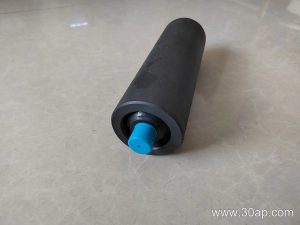
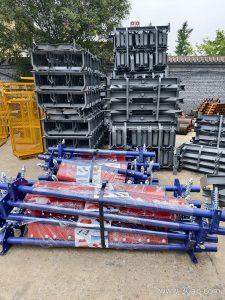
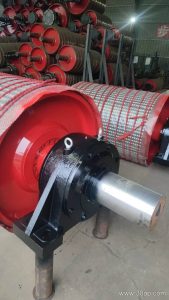
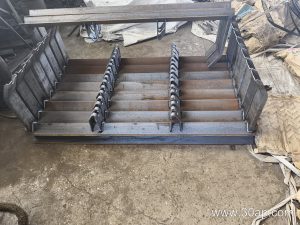
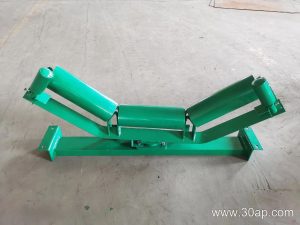
The belt does not work alone. It runs on a frame with idler rollers supporting the carrying side, a conveyor pulley at the head and tail, and a conveyor bracket holding the structure together. Each part affects belt life, so buyers should treat the belt as one component of a system rather than a standalone item.
Construction and Common Belt Types
Most stone crushing conveyor belts use a fabric carcass with rubber covers. The carcass provides tensile strength, while the top cover absorbs impact from lumpy rock and the bottom cover protects against wear on the return side. Common constructions include EP (polyester-cotton) and NN nylon fabric belts, and for very long or high-tension runs, steel cord belts may be considered.
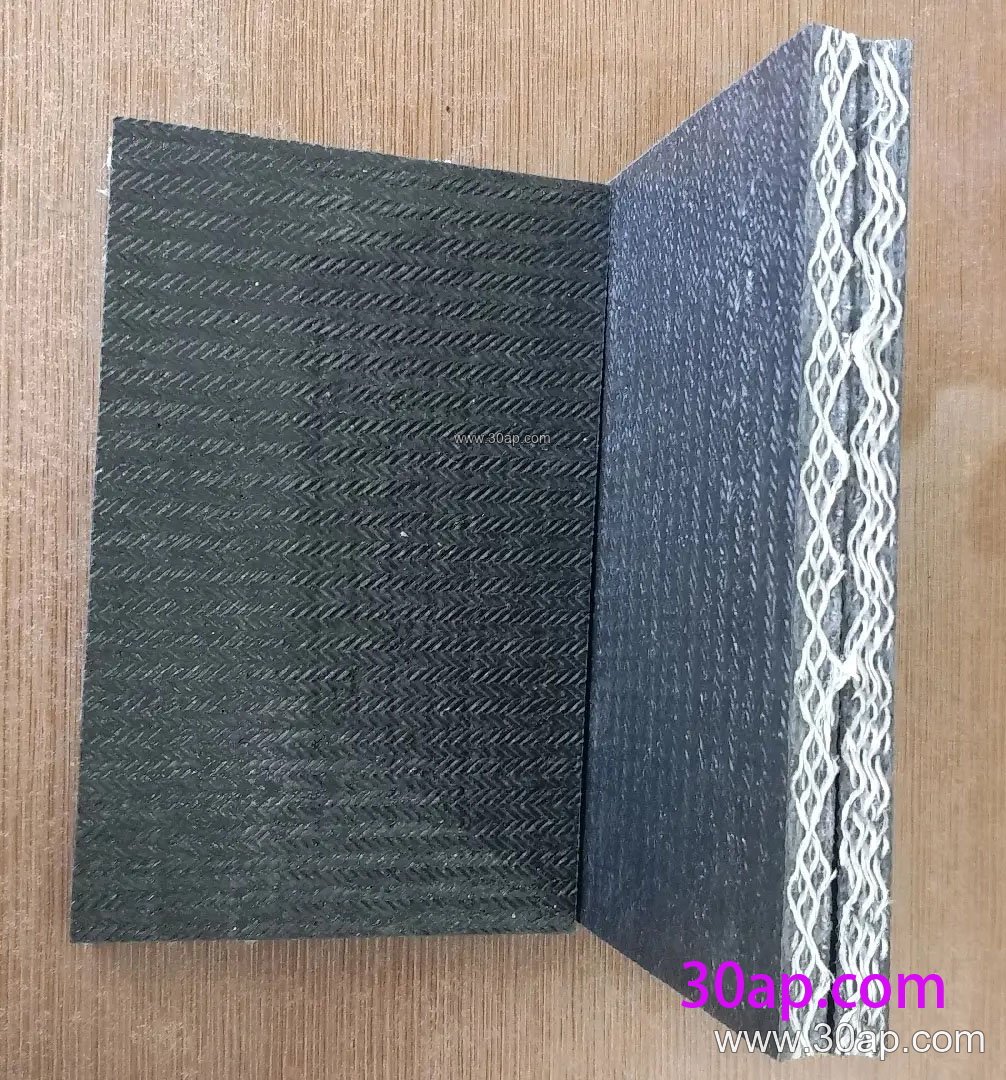
Cover thickness is usually described as top plus bottom, for example 4+2 mm or 6+2 mm. Heavier covers suit primary crushing discharge where lumps are large, while thinner covers are often enough after screening. Flame-resistant or antistatic grades are relevant in coal handling and enclosed plants, and heat-resistant or oil-resistant covers may be needed near specific equipment.
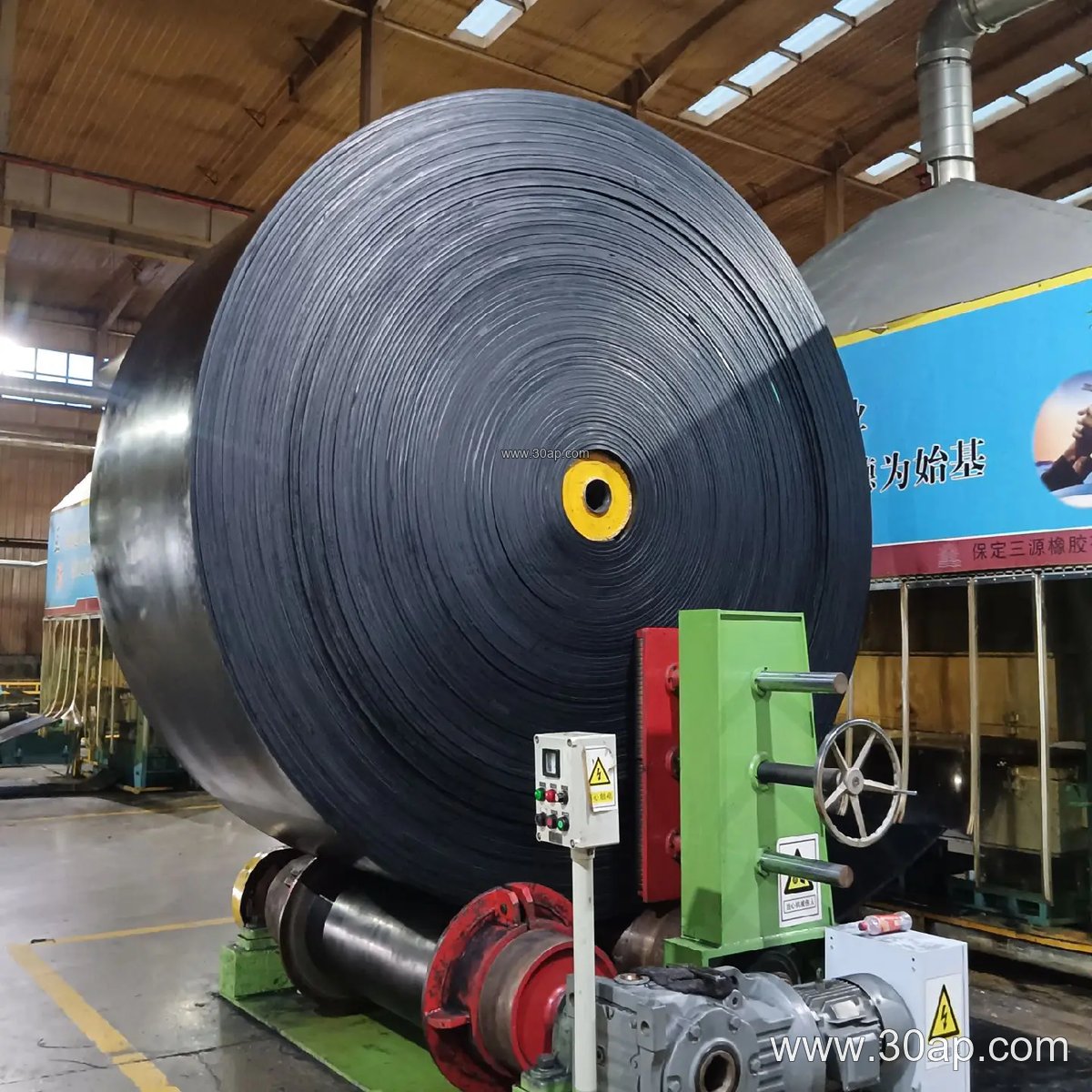
Reference Data for Belt Selection
The values below are common reference ranges, not fixed supply promises. Actual choice depends on the duty, lump size, drop height, and conveyor design.
| Parameter | Common Reference |
|---|---|
| Belt type | EP, NN nylon, steel cord, PVC/PVG for special duties |
| Strength grades | EP200, EP315, EP400, EP500, EP630, EP800, EP1000 |
| Belt width | B500, B650, B800, B1000, B1200, B1400 |
| Cover thickness | 3+1.5, 4+2, 5+2, 6+2 mm |
| Carcass layers | Usually 2 to 6 fabric layers |
Surface forms such as plain, patterned, chevron, or corrugated sidewall belts appear in some crushing plants, mainly where incline or material spillage is a concern. They are options, not requirements for every conveyor.
Where It Is Used
Stone crushing conveyor belts appear in mines, coal preparation plants, cement works, power station coal yards, and sand and gravel plants. In a primary crushing station, a heavy belt takes run-of-mine rock from the crusher outlet. In secondary and tertiary circuits, narrower belts move screened aggregate to stockpiles. The same product family also serves recycling and construction waste lines where sharp material is present.
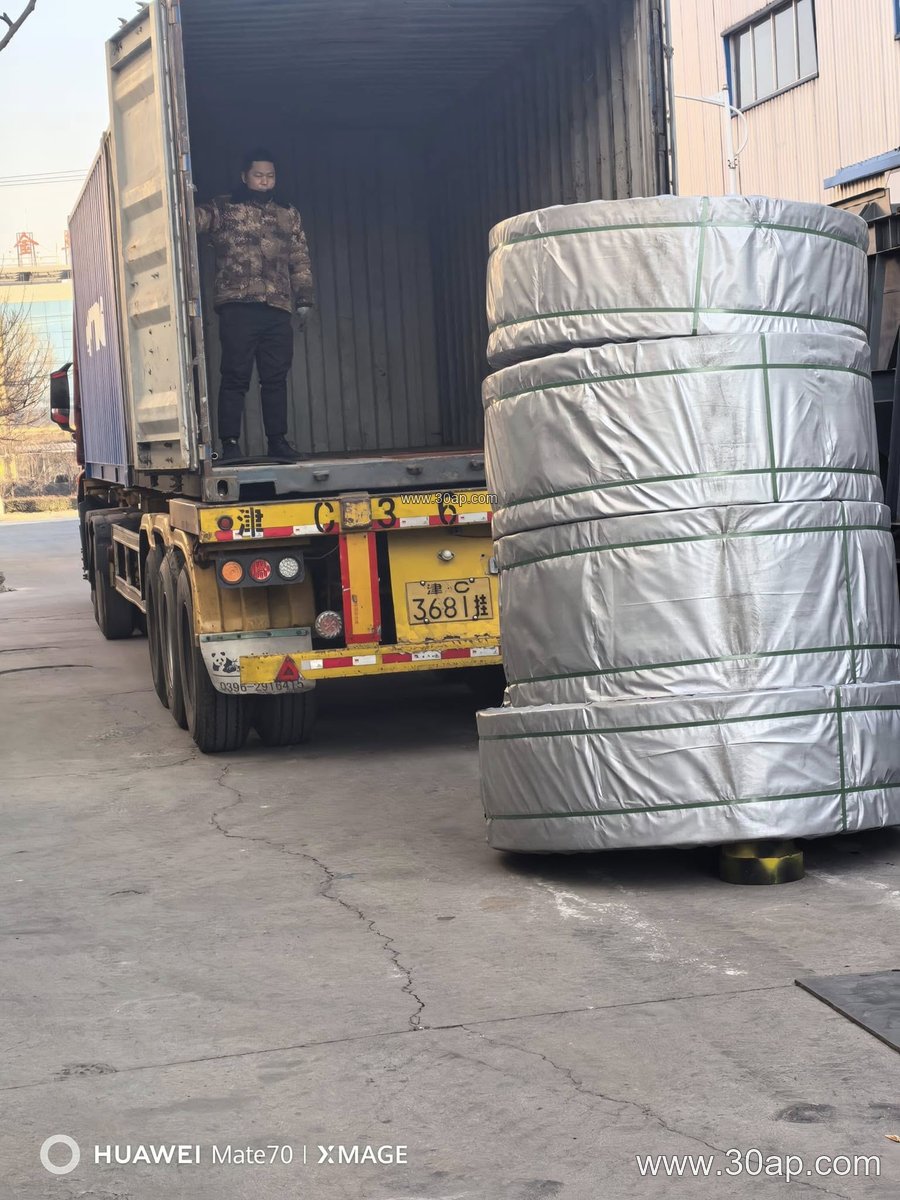
Because the working environment is dusty and often wet, belt tracking and pulley condition matter. A misaligned conveyor pulley or worn idler roller can cause edge damage and shorten belt life. Regular inspection of the conveyor bracket and frame helps keep the belt centered.
What Buyers Should Check
- Duty and material: Confirm lump size, moisture, temperature, and whether the material is abrasive or oily.
- Tension and strength: Match the belt grade to the conveyor length, incline, and expected load. Do not assume one width fits one pulley diameter.
- Cover thickness: Choose a cover that suits the impact zone and the return side wear.
- Width and structure: Belt width should follow the conveyor design, including idler roller spacing and pulley dimensions.
- Special properties: Flame resistance, antistatic behavior, or heat resistance should be stated clearly when the plant requires them.
A buyer should ask for the belt specification together with the conveyor layout, because the belt, idler roller, conveyor pulley, and conveyor bracket work as a set. A belt that is correct on paper but poorly matched to the pulley or frame can fail early in a stone crushing line.
Maintenance Notes
Keep the belt clean and check the splice regularly, especially after the first weeks of operation. Inspect idler rollers for seizure and confirm that the tail and bend pulleys turn freely. Avoid over-tensioning, which stresses the carcass, and avoid under-tensioning, which allows slip and spillage. In dusty cement or coal yards, cleaning around the tail pulley reduces build-up that can damage the belt edge. With correct matching and routine checks, a stone crushing conveyor belt can provide steady service in demanding aggregate and mining operations.