What a Large Drive Pulley Does on a Conveyor
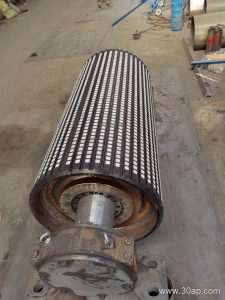
A large drive pulley is the head-end drum that transmits motor torque into the conveyor belt. In a heavy-duty line, this is the component that pulls the loaded belt uphill or across long distances, so its diameter, shaft, lagging, and bearing arrangement matter more than most other drums on the machine. Buyers often call it a head pulley or a main drive drum; both names refer to the same product. It is not a tail pulley, and it is not a bend pulley, because those drums guide or tension the belt rather than drive it.
In a quarry, a limestone mine, or a crushing and screening plant, the drive drum sits at the discharge end and works against constant abrasive load. In a coal washing plant or a power station coal yard, the same drum handles a wetter, stickier belt. The duty changes, but the working principle does not: friction between the lagged shell and the conveyor belt carries the driving force.
Construction and Key Dimensions
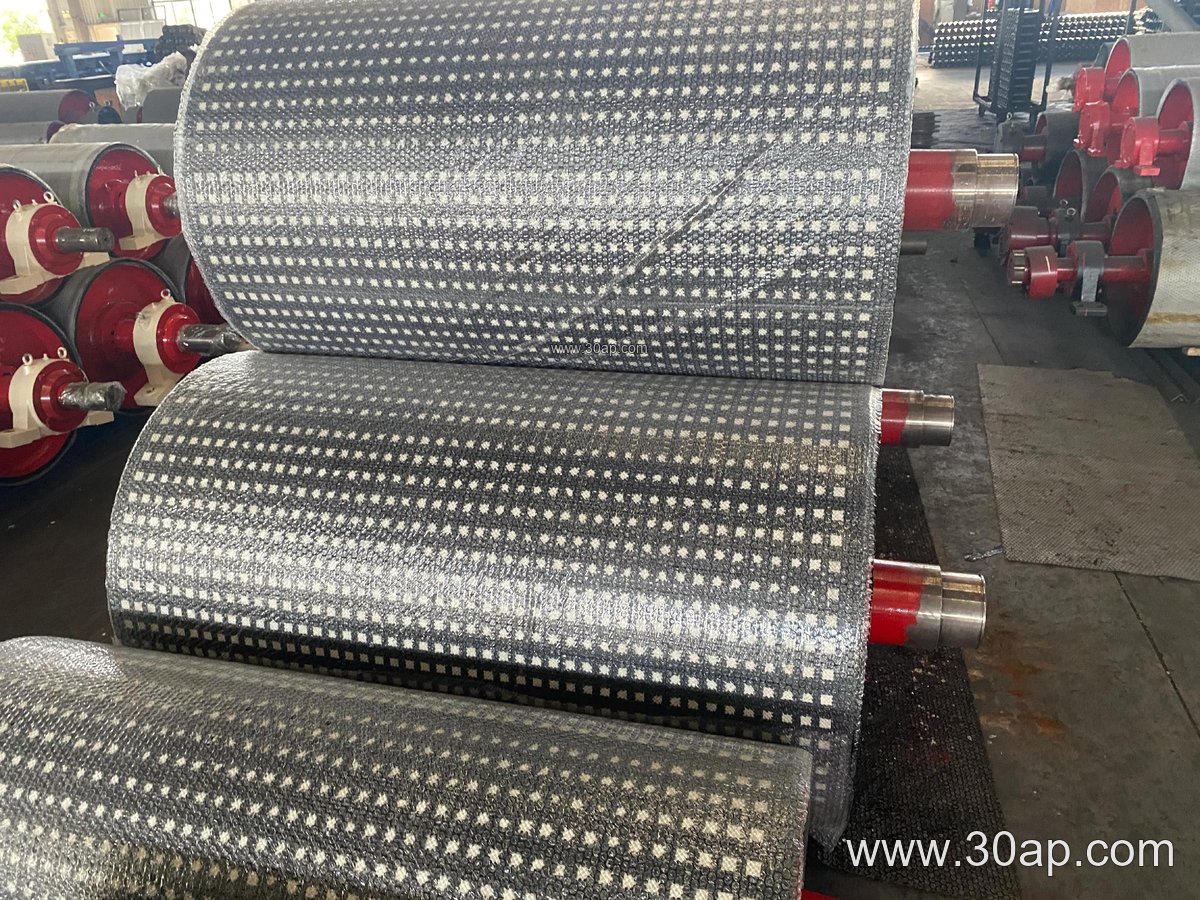
A typical large drive pulley is built from a rolled steel shell, welded end discs, a heavy shaft, and hub connections. The shell surface is usually machined true and then covered with lagging to raise friction and protect the belt. Common surface forms include plain, cast rubber, cold-bonded rubber, hot-vulcanized rubber, diamond groove lagging, herringbone lagging, ceramic lagging, and flat rubber sheet. Lagging thickness is often 8, 10, 12, 15, or 20 mm, chosen according to slip risk and belt load.
Face width normally runs wider than the belt so the belt can track without riding the edge. Reference combinations such as B1200 x Ø1000, B800 x Ø500, and B1400 x Ø800 show how belt width and drum diameter are paired in practice, but these are design examples, not fixed rules. A wider belt does not automatically require one specific diameter, and a given belt width can be served by different drum sizes depending on wrap angle, belt speed, and tension.
Common Reference Ranges
| Parameter | Reference values |
|---|---|
| Belt width | B400, B500, B650, B800, B1000, B1200, B1400, B1600, B1800, B2000, B2200, B2400 |
| Pulley diameter | Ø200, Ø250, Ø315, Ø320, Ø400, Ø500, Ø630, Ø800, Ø1000, Ø1250, Ø1400, Ø1600, Ø1800 |
| Shell face width, typical | B400 about 500 mm; B500 about 600 mm; B650 about 750 mm; B800 about 950 mm; B1000 about 1150 mm; B1200 about 1400 mm; B1400 about 1600 mm; B1600 about 1800 mm; B1800 about 2000 mm; B2000 about 2200 mm |
| Shaft diameter | Ø50, Ø60, Ø70, Ø80, Ø90, Ø100, Ø120, Ø140, Ø160, Ø180, Ø200 |
| Lagging thickness | 8, 10, 12, 15, 20 mm |
Shaft size is set by torque and bearing load, not by belt width alone. Two conveyors with the same belt can need different shafts if their drive power or wrap angle differs.
Where It Fits in the Plant
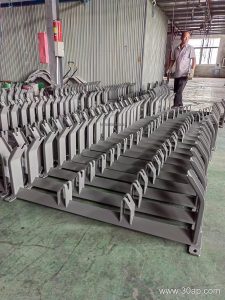
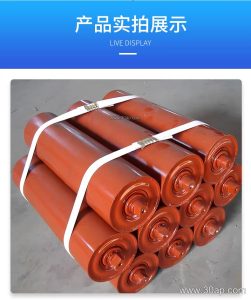
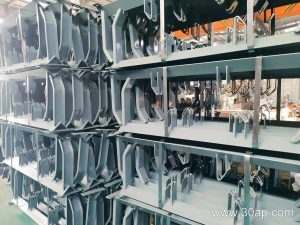
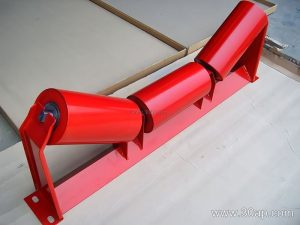
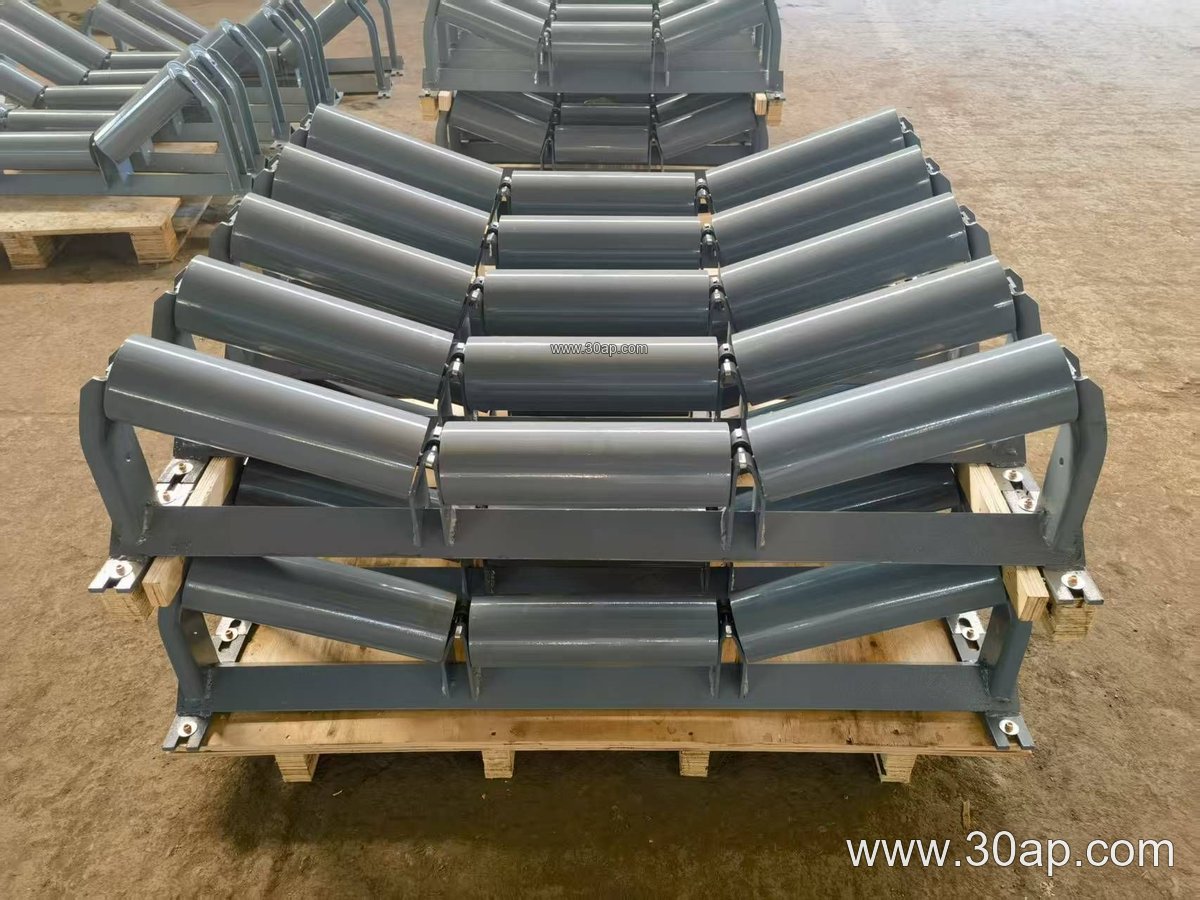
At a sand and gravel aggregate line, the large drive pulley usually sits at the head of the main haulage conveyor, just above the stockpile. In a cement plant clinker section or a steel plant sinter line, it may run in a hot, dusty atmosphere where lagging choice and bearing sealing deserve attention. Port bulk terminals and tunnel spoil removal conveyors also rely on this drum for the final lift out of the pit. In all these places, the drum works together with the conveyor belt, conveyor idler rollers, and conveyor brackets, so alignment across the whole frame affects belt life.
What a Buyer Should Confirm
- Belt width and belt speed, plus the required wrap angle at the head end.
- Drive power and starting torque, which together set shaft diameter and bearing selection.
- Lagging type and thickness, matched to wet, abrasive, or oily conditions.
- Face width and any crown or flat profile required for belt tracking.
- Mounting interface, including bearing housings and conveyor bracket dimensions.
- Whether the drum is supplied bare or assembled with bearings, lagging, and coupling details.
A drive drum and a tail drum are different parts with different loads, so they should not be ordered as substitutes for each other. The same applies to a bend pulley used at a take-up or snub position, which guides the belt rather than driving it. Getting the head-end drum right, with realistic diameter and lagging, keeps slip, belt wear, and downtime under control in mines, power plants, and aggregate yards alike.