What an Abrasion Resistant Conveyor Belt Is
An abrasion resistant conveyor belt is a heavy-duty rubber belt built to resist surface wear when it carries sharp, hard, or fast-moving bulk materials. In mines, coal preparation plants, cement works, power stations, and sand and gravel yards, the belt surface meets crushed rock, clinker, ore, and aggregate every day. The abrasion resistant conveyor belt is the wear layer between the material and the carcass, so its cover compound and thickness matter as much as its tensile strength.
This product is also called a wear resistant rubber conveyor belt, and both names describe the same belt. It should not be confused with heat resistant, oil resistant, or flame retardant belts, which solve different problems. An abrasion resistant conveyor belt can also carry those properties when the compound is designed for them, but its main job is to slow cover wear.
How the Belt Is Built
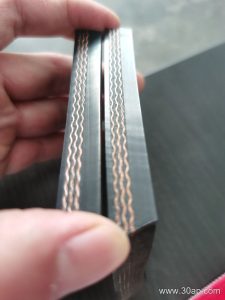
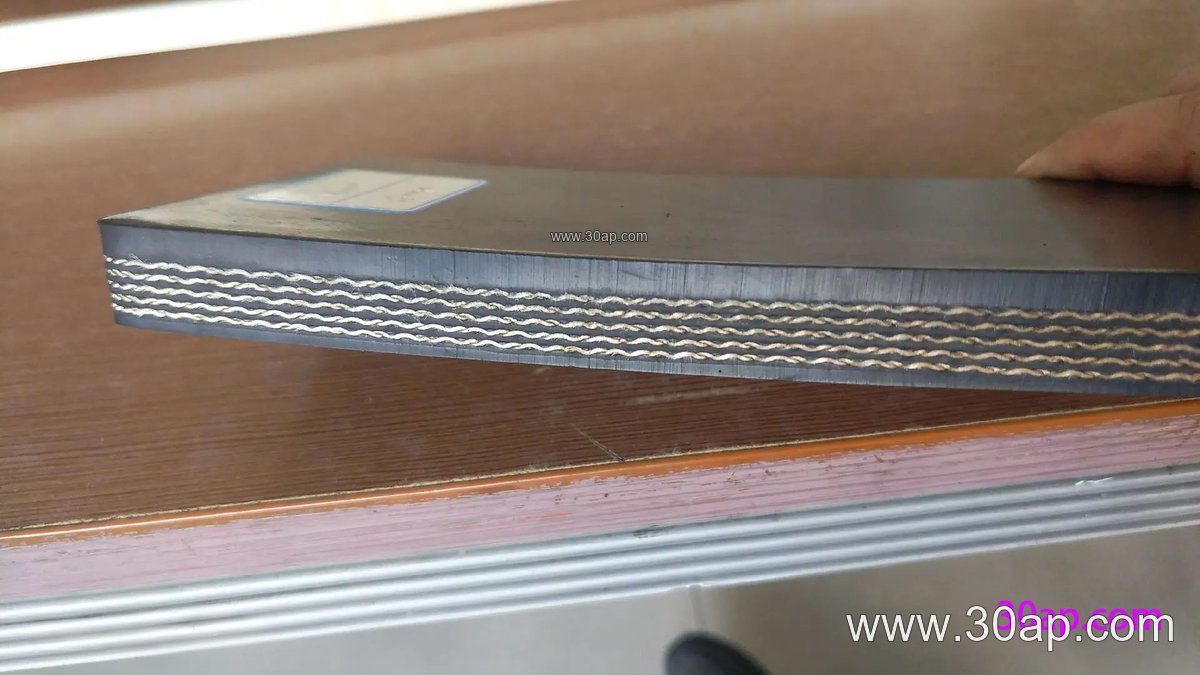
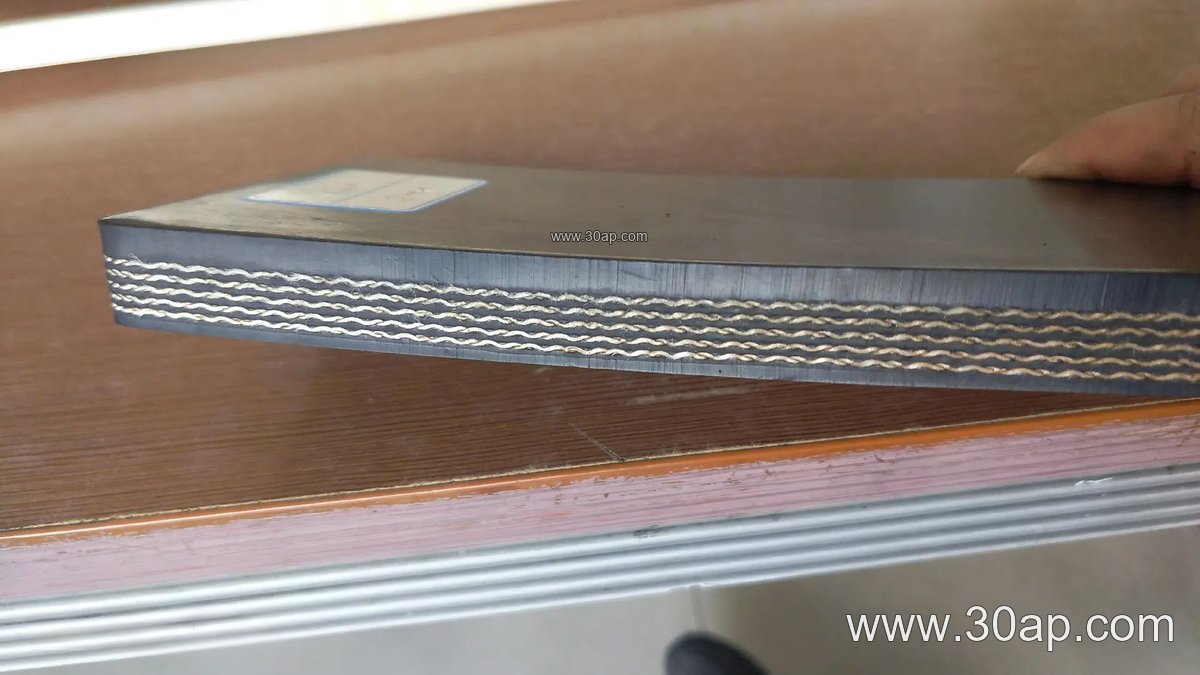
The belt usually combines a fabric carcass with rubber covers on both sides. The carcass provides tensile strength and troughability, while the top cover takes the abrasion. Common carcass options include EP conveyor belt fabric and NN nylon fabric, and steel cord construction is used where very high strength is needed. Cover rubber is commonly based on natural rubber or SBR blends, chosen for cut and wear resistance.
Cover thickness is often specified as a top and bottom pair. Typical combinations include 3+1.5 mm, 4+2 mm, 5+2 mm, 6+2 mm, and 8+3 mm, with the thicker top cover used at transfer points and impact zones. The fabric carcass usually has 2 to 6 plies, depending on the duty. These figures are common reference values, not fixed rules; final construction is set by the conveyor design.
Common Strength Grades
EP belts are frequently ordered in grades such as EP200, EP315, EP400, EP500, EP630, EP800, EP1000, EP1250, EP1600, and EP2000. The grade indicates the nominal tensile strength of the carcass, and the required grade depends on belt width, load, incline, and support spacing.
Widths and Surface Forms
Belt width is matched to the material size and required capacity. Common widths include B500, B650, B800, B1000, B1200, B1400, B1600, B1800, and B2000. A wider belt is not automatically better; it must suit the conveyor frame, the idler roller sets, and the conveyor pulley dimensions.
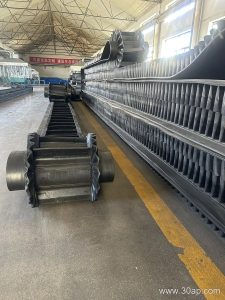
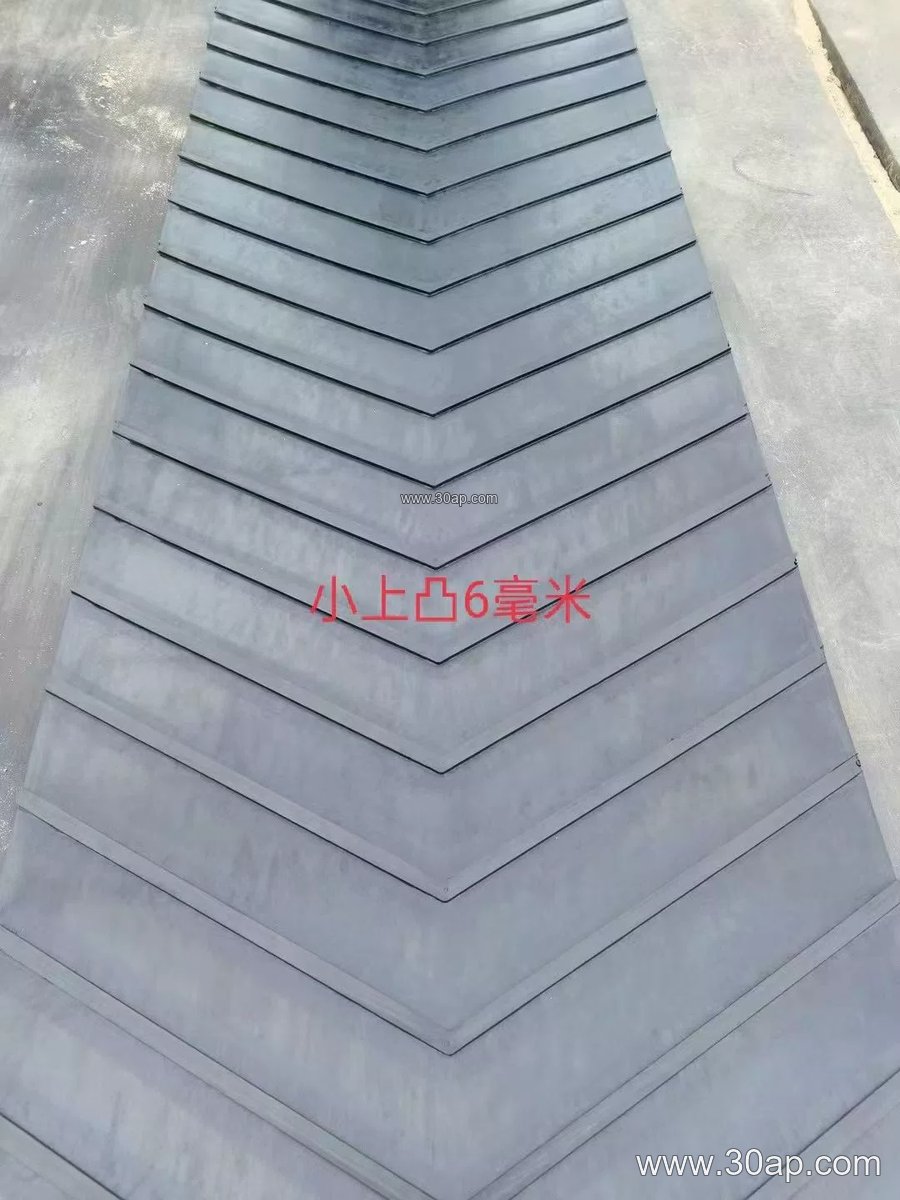
Surface forms are chosen for the job. A smooth cover suits ordinary troughed conveying. A patterned belt with a chevron or herringbone profile helps on inclines, and a corrugated sidewall belt contains material on steep or space-limited routes. These are variations of the same abrasion resistant conveyor belt family, selected for slope and material control rather than as replacements for the base product.
Where It Is Used
- Mines and coal handling systems moving run-of-mine material and washed coal.
- Cement plants transporting limestone, clinker, and raw meal.
- Power plants carrying coal and ash.
- Sand and gravel plants feeding crushers and screens.
- Ports and stockyards handling ore and aggregate.
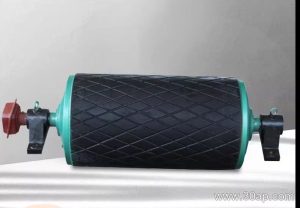
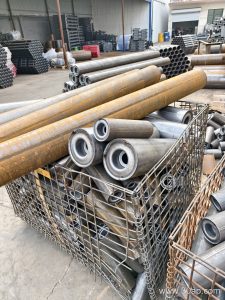
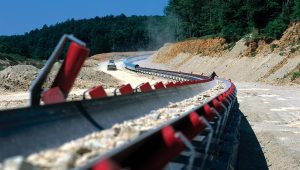
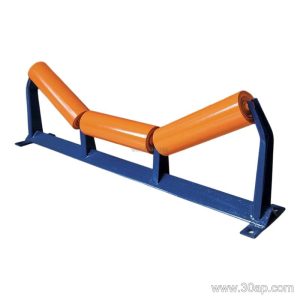
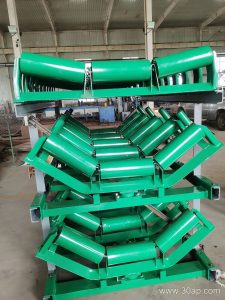
In these lines, the belt works with conveyor pulleys at the drive, tail, and bend positions, supported by idler rollers and mounted on conveyor brackets. Each component has its own role and should be specified separately.
What Buyers Should Check
Start with the material: size, shape, moisture, temperature, and drop height. Sharp lump size at a transfer point calls for a thicker top cover and possibly impact idlers. Then confirm the required tensile grade, belt width, and number of plies with the conveyor designer. Check pulley diameters against the belt construction, since a stiff carcass needs larger pulleys, but never assume a fixed pulley size from belt width alone.
Ask for the cover compound data and the actual cover thickness, not just the belt grade. Confirm whether flame retardant or antistatic properties are needed for coal or dusty environments. On installation, align the frame, keep the belt tracked, and avoid oversized lumps that cut the cover. Regular inspection of the abrasion resistant conveyor belt, idler roller condition, and pulley lagging helps extend service life and reduces unplanned stops.