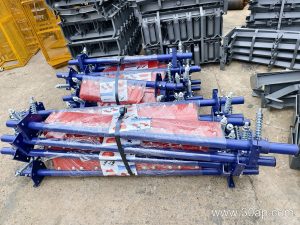
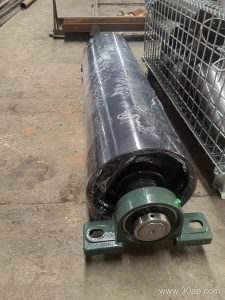
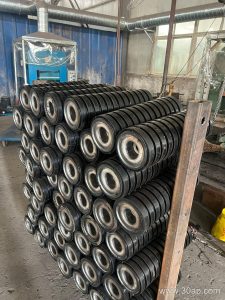
What a Mining Belt Conveyor Pulley Does
A mining belt conveyor pulley is the rotating drum that drives, tensions, or redirects the conveyor belt in a bulk material handling system. In hard rock quarries, coal preparation plants, and aggregate crushing circuits, this component transfers motion and load between the belt and the conveyor frame. Unlike an idler roller that mainly supports the belt along its carry and return runs, the pulley sits at key transition points and must handle higher tension and torque. This article focuses on the drive, tail, and bend pulley family, explaining how each position differs and what buyers should verify before ordering.
Main Positions and Their Roles
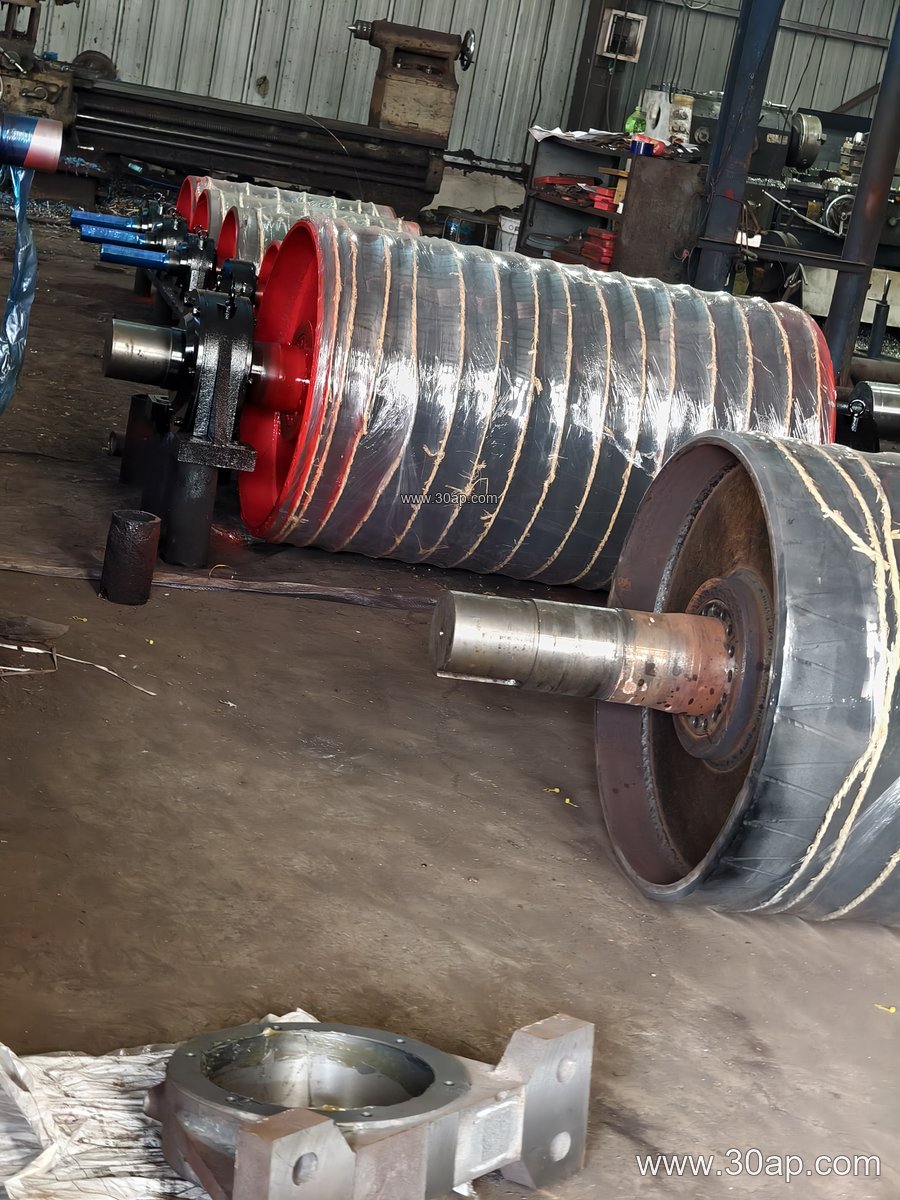
The drive pulley (also called the head pulley) is connected to the gearbox and motor, transmitting power to the belt. The tail pulley at the loading end turns freely and helps maintain belt alignment. A bend pulley changes the belt path without driving or tensioning, often used to increase wrap angle or route the belt around structures. These three are not interchangeable: a drive pulley needs a locking assembly and torque capacity, a tail pulley needs a robust bearing housing, and a bend pulley is selected mainly for diameter and face width. Take-up pulleys and snub pulleys serve separate tensioning and wrap functions and should not be substituted for the main drive position.
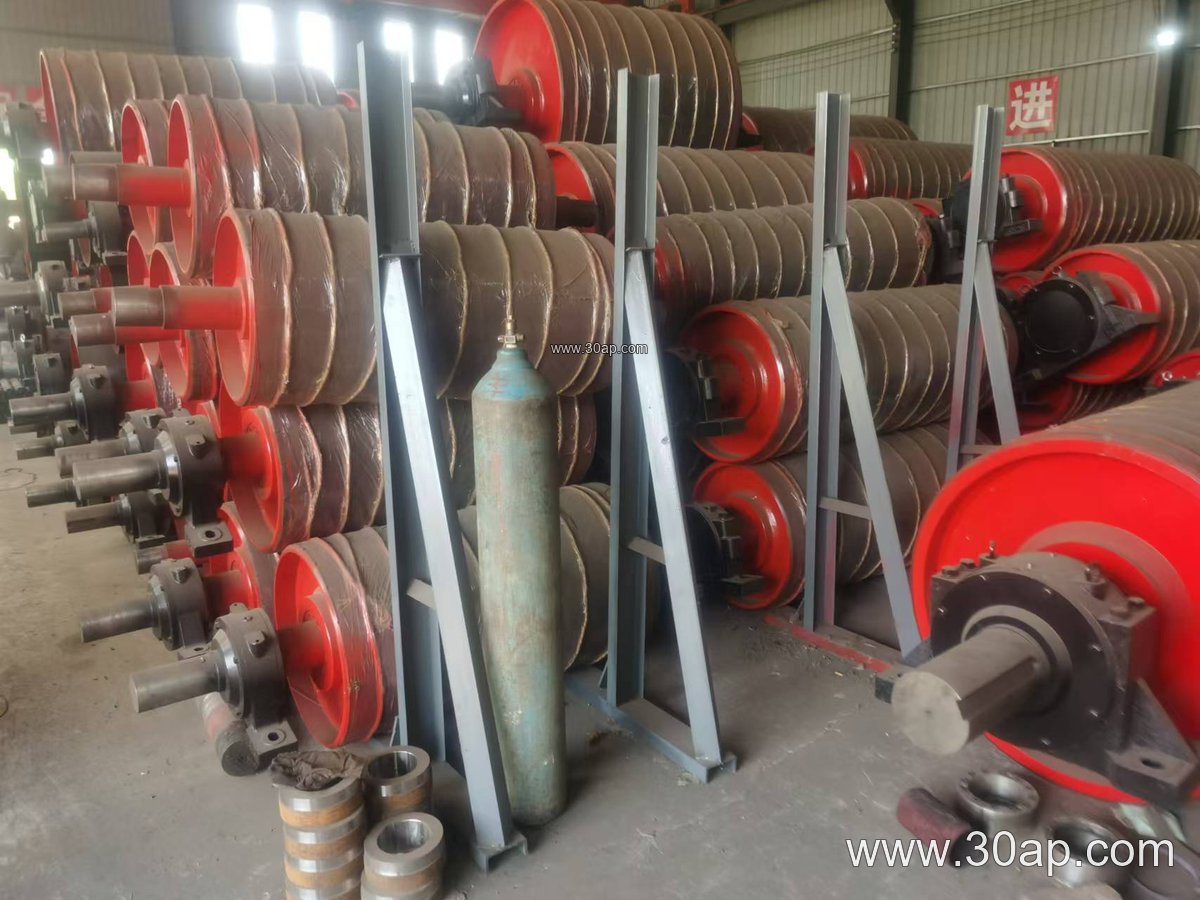
Construction and Surface Options
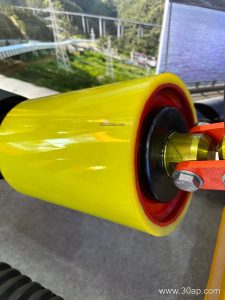
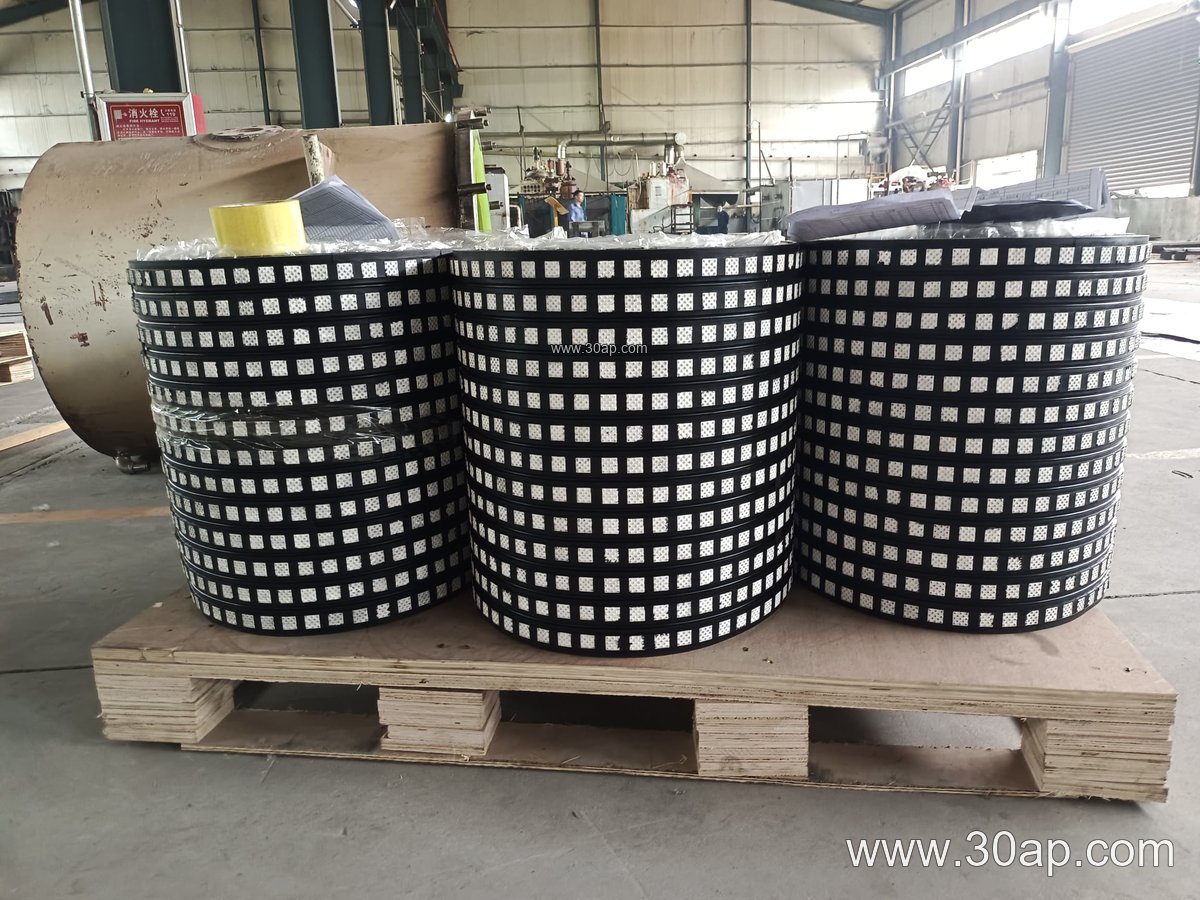
Most mining belt conveyor pulleys use a welded steel shell with machined end discs and a shaft sized by torque and radial load, not by belt width alone. Common surface forms include plain steel, cast rubber, cold-bonded rubber, hot-vulcanized rubber, diamond grooving, herringbone grooving, and ceramic lagging. Lagging thickness is often 8, 10, 12, 15, or 20 mm depending on grip and wear requirements. For a coal mining conveyor belt that carries abrasive material, diamond or ceramic lagging can improve traction and reduce slip. In a limestone quarry, plain or rubber-lagged bend pulleys may be sufficient where torque is low.
Common Size References
Pulley dimensions are usually matched to the conveyor belt width and the required shaft load. The table below shows typical face width relationships; these are reference values, not fixed rules. A B800 belt often uses a pulley face around 950 mm, but the actual diameter and shaft diameter must be confirmed by the conveyor designer.
| Belt width | Typical pulley face width | Example diameter range |
|---|---|---|
| B400 | about 500 mm | Ø200 to Ø400 |
| B650 | about 750 mm | Ø315 to Ø630 |
| B800 | about 950 mm | Ø400 to Ø800 |
| B1000 | about 1150 mm | Ø500 to Ø1000 |
| B1200 | about 1400 mm | Ø630 to Ø1250 |
| B1400 | about 1600 mm | Ø800 to Ø1400 |
| B1600 | about 1800 mm | Ø1000 to Ø1600 |
Shaft diameters commonly range from Ø50 to Ø200 mm, but the final size depends on calculated torque, bending moment, and bearing selection. Do not assume that a given belt width automatically fixes one shaft diameter.
Matching the Pulley to the Conveyor Belt
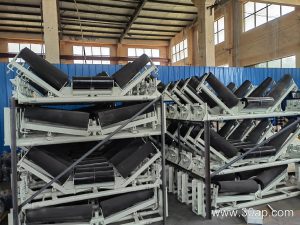
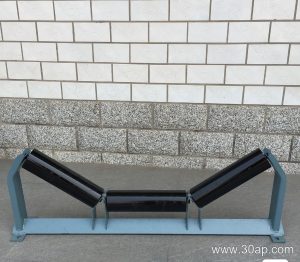
The pulley works together with the conveyor belt, idler rollers, and conveyor brackets. A heavy-duty mining conveyor pulley should be paired with a belt that can handle the same tension and impact. For example, a high abrasion resistant conveyor belt or a steel cord conveyor belt may be used in primary crushing circuits, while a flame retardant conveyor belt is common in underground coal mining conveyor systems. The pulley lagging choice should consider whether the belt is a rubber conveyor belt, an EP conveyor belt, or a fabric core conveyor belt, because surface friction and cleaning needs vary. In a cement plant or power plant coal yard, dust and fines can build up on plain pulleys, so grooved lagging may help self-clean.
Buyer Checklist
- Confirm the pulley position: drive, tail, or bend, and state the function clearly.
- Provide belt width, belt type, and maximum operating tension.
- Specify lagging type and thickness if traction or wear protection is needed.
- Verify shaft diameter by torque calculation, not by belt width lookup.
- Check bearing housing style and mounting dimensions against the conveyor bracket.
- For underground coal mining, confirm flame retardant and anti-static requirements for the complete belt system.
Whether the application is a quarry conveyor belt line, an iron ore conveyor transfer point, or a gold mining conveyor circuit, the mining belt conveyor pulley should be selected as part of the whole drive system. Buyers can review related components such as the conveyor pulley, idler roller, and conveyor belt together to avoid mismatched tension ratings. For abrasive bulk material, an abrasion resistant conveyor belt and a properly lagged drive pulley often work as a pair. In coal handling, a flame retardant conveyor belt may be specified alongside fire-resistant lagging. Always request a dimensional drawing and confirm the shaft and bearing details before installation.