What a Composite Idler Is
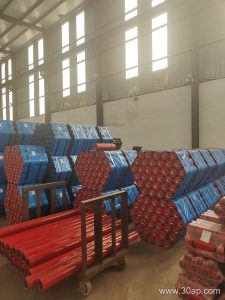
A composite idler is a conveyor idler roller made from composite materials—typically polymer or reinforced plastic—rather than conventional steel. In a conveyor belt system, the idler roller supports the belt and the material load, reducing friction and keeping the belt tracking correctly. The composite idler is an alternative to steel idlers, offering benefits such as lighter weight, corrosion resistance, and reduced noise. It is commonly used in industries like mining, coal preparation, cement plants, power stations, and aggregate yards. The composite idler can be supplied in various configurations including troughing, return, impact, and self-aligning types, each designed for specific positions along the conveyor.
Construction and Design
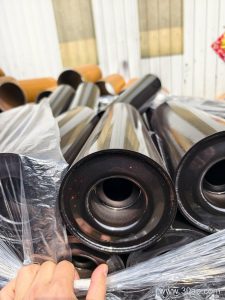
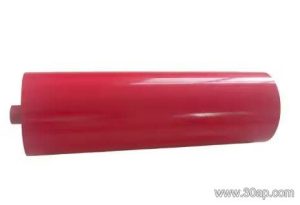
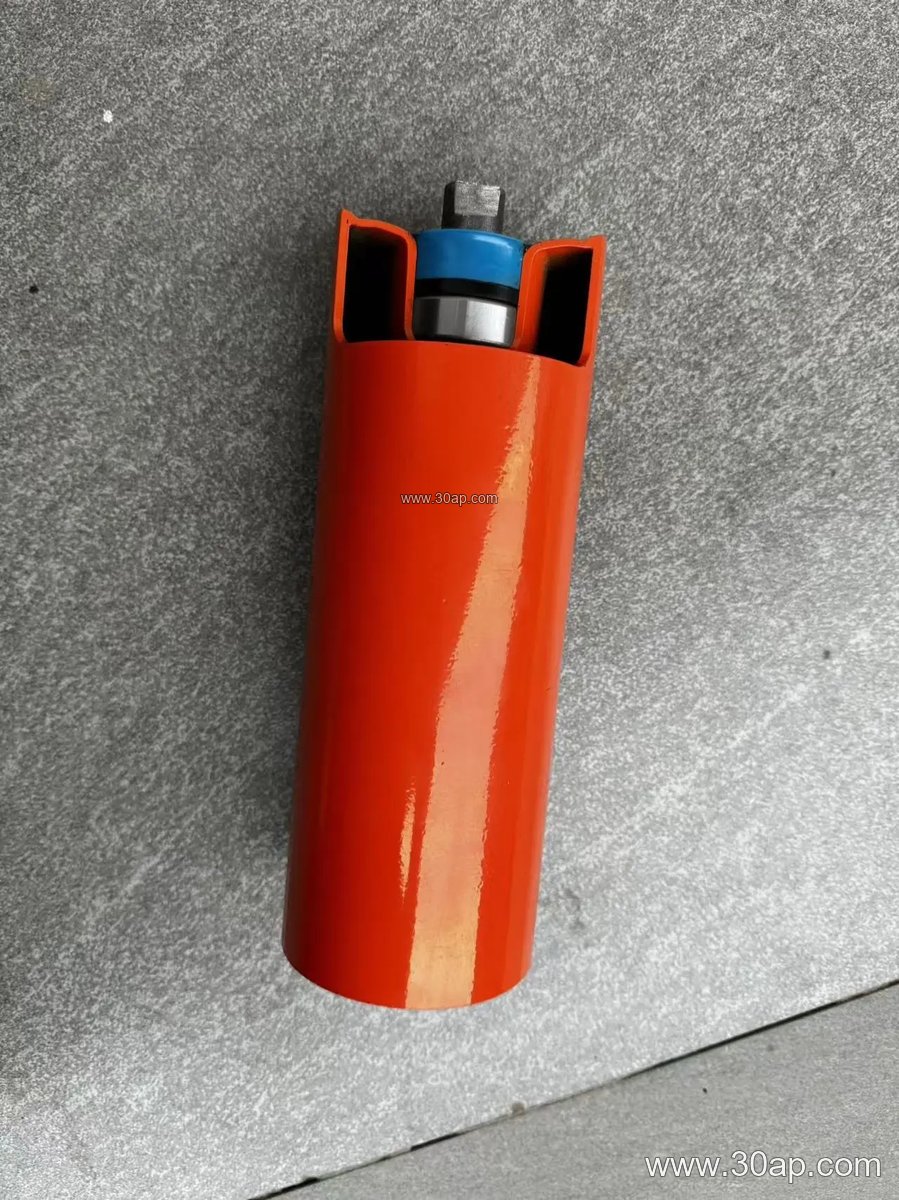
A typical composite idler consists of a composite shell, bearing housing, shaft, and seals. The shell may be made from materials like ultra-high molecular weight polyethylene (UHMWPE), nylon, or fiber-reinforced plastic. These materials provide excellent wear resistance and do not corrode like steel. The bearings are usually deep groove ball bearings, such as 6204, 6205, 6305, 6306, 6308, or 6310, selected based on load and speed requirements. Seals are critical to prevent dust and moisture ingress, especially in harsh environments like coal mines or cement plants. The composite idler is designed to be lightweight, which eases installation and reduces energy consumption. Some composite idlers feature a rubber or ceramic surface for improved grip or wear resistance.
Where Composite Idlers Are Used
Composite idlers are found in a wide range of bulk material handling operations. In coal washing plants and power station coal handling, corrosion resistance is a key advantage. In limestone quarries and aggregate production lines, the lightweight nature reduces structural load on the conveyor frame. Cement plants benefit from the smooth running and low noise of composite idlers. They are also suitable for tunnel excavation spoil removal, fertilizer handling, and grain transport. In these applications, the composite idler may be used as a troughing idler to support the loaded belt, as a return idler to support the empty belt, or as an impact idler under loading points. The choice of idler type depends on the conveyor layout and material characteristics.
Types and Common Specifications
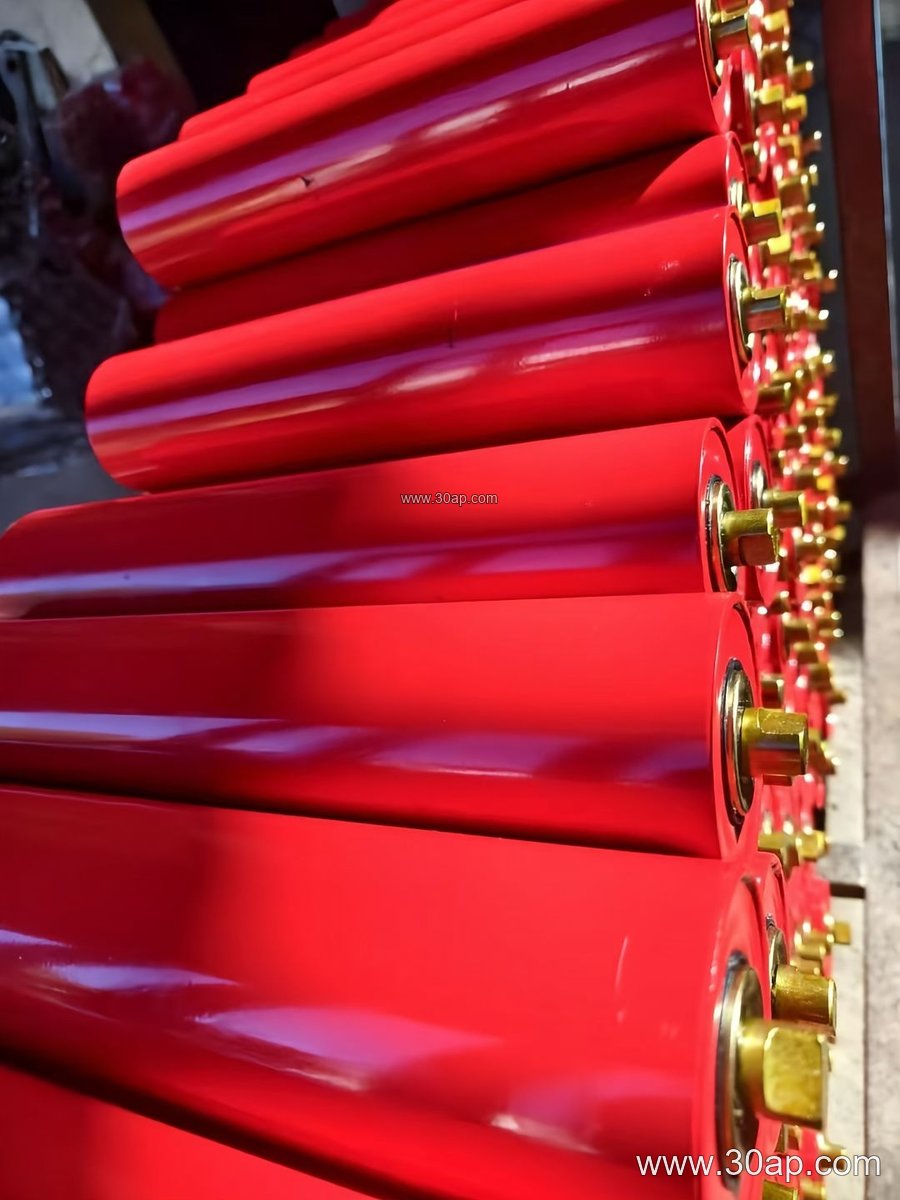
Composite idlers are available in several types to match different conveyor sections. The table below lists common types and typical parameters; actual values depend on the conveyor design and application.
| Type | Common Roller Diameter (mm) | Typical Belt Width (mm) | Notes |
|---|---|---|---|
| Troughing idler (3-roll) | Ø89, Ø102, Ø108, Ø127, Ø133 | B500 to B1400 | 20°, 30°, 35°, or 45° trough angle; roll length varies with belt width. |
| Return idler (flat) | Ø89, Ø108, Ø133 | B500 to B1400 | Supports empty belt; often used with V-type return. |
| Impact idler | Ø108, Ø133, Ø159 | B650 to B1600 | Rubber rings or cushioning for load zone. |
| Self-aligning idler | Ø89, Ø108, Ø133 | B500 to B1400 | Helps correct belt misalignment. |
Roller length is not fixed and depends on belt width and trough angle. For example, for a three-roll troughing set, the center roll might be approximately 200 mm for B500, 250 mm for B650, 315 mm for B800, 380 mm for B1000, 465 mm for B1200, 530 mm for B1400, 600 mm for B1600, 670 mm for B1800, and 750 mm for B2000. These are common examples; side rolls may differ. Bearings are selected based on load and speed, and the same bearing size can be used with different roller diameters. Composite idlers can also be supplied with various surface options such as smooth, rubber-covered, or ceramic-coated.
Buyer’s Checklist
When selecting a composite idler, consider the following:
- Belt width and trough angle: Match the idler to the conveyor belt width and required trough angle (20°, 30°, 35°, or 45°).
- Load and speed: Choose bearing size and roller diameter based on the load and belt speed. Common bearings include 6204, 6205, 6305, 6306, 6308, and 6310.
- Environment: For corrosive or dusty conditions, composite materials offer advantages over steel. Sealing quality is crucial.
- Type and position: Select troughing, return, impact, or self-aligning idlers according to their location on the conveyor. Do not interchange with drive, tail, or bend pulleys, which serve different functions.
- Compatibility: Ensure the idler dimensions, shaft size, and mounting brackets fit the existing conveyor frame and brackets.
Composite idlers can be a practical choice for many conveyor systems, offering durability and reduced maintenance in challenging environments. Always consult the manufacturer’s data for specific dimensions and load ratings.