What a Sand and Gravel Conveyor Idler Does on the Line
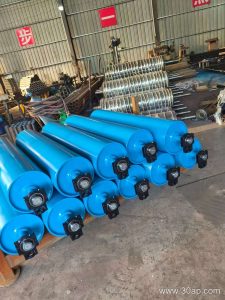
On an aggregate conveyor, the belt carries the load and the idler roller carries the belt. That division of labour sounds simple, but it decides how long a circuit runs between stoppages. A sand and gravel conveyor idler is a steel roller, usually mounted in a frame as part of a set, that supports the loaded belt on the carrying side or the empty belt on the return side. In a quarry, a washing plant, or a concrete batching station, these rollers are the most numerous wear parts on the whole conveyor, and they are the components operators replace most often.
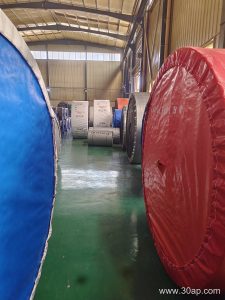
Because the material is abrasive, heavy, and often damp, the roller has to do more than spin. It must keep grit out of the bearing housing, resist shell wear from fine silica, and stay aligned so the belt does not drift. You can see matching belt technology on our Aggregate Conveyor Belt page, since idlers and belt grade are chosen together.
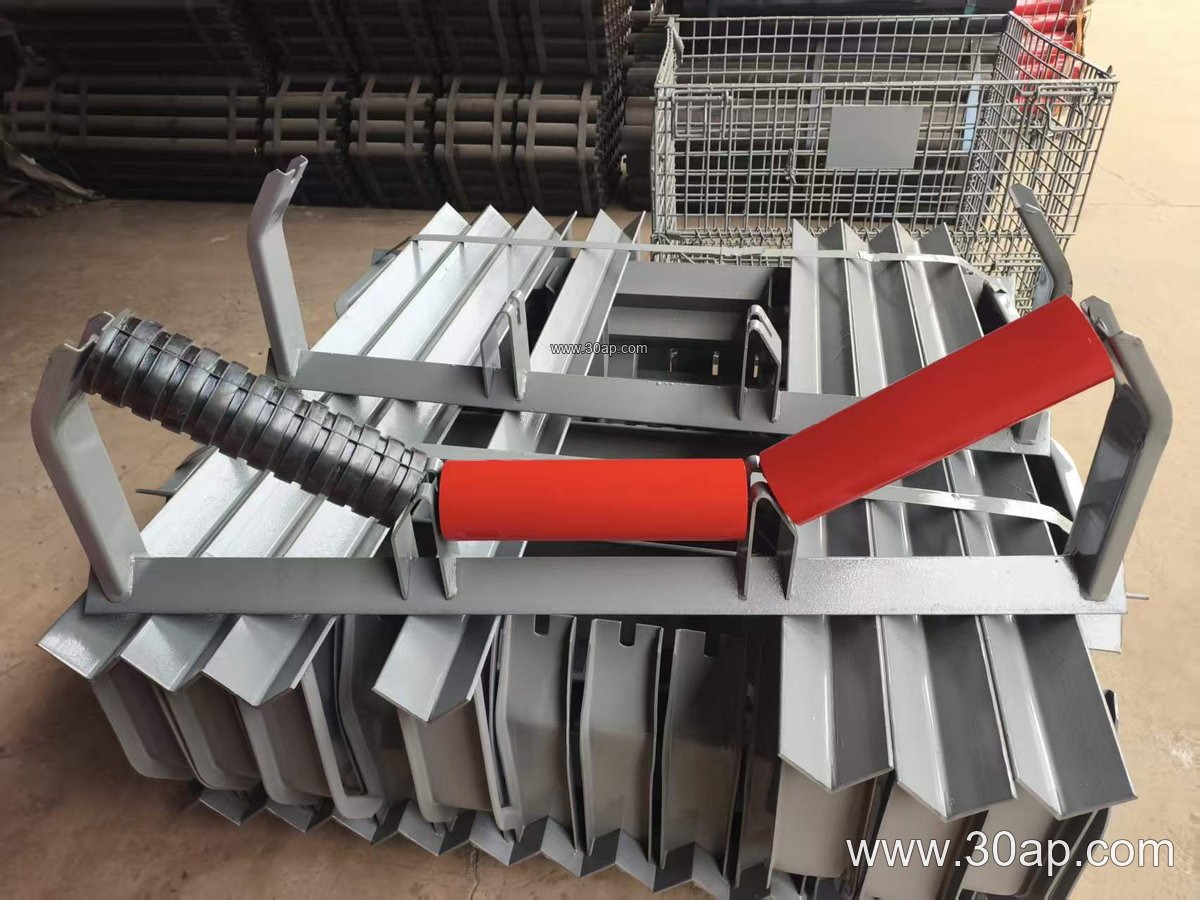
Construction and Common Surface Forms
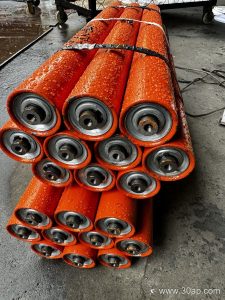
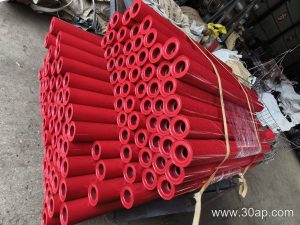
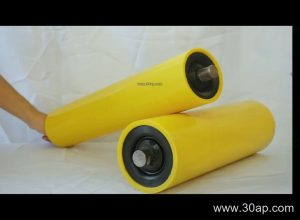
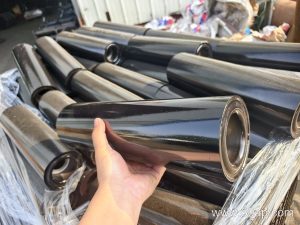
Most units use a steel tube shell with pressed bearing housings at each end, a through shaft, and a sealing arrangement that usually combines a labyrinth path with a contact lip. The seal, not the tube, is what separates a long-service roller from a short one in a dusty pit. Common shell options include plain steel tube, nylon, ceramic-coated tube, and rubber disc rings for impact zones.
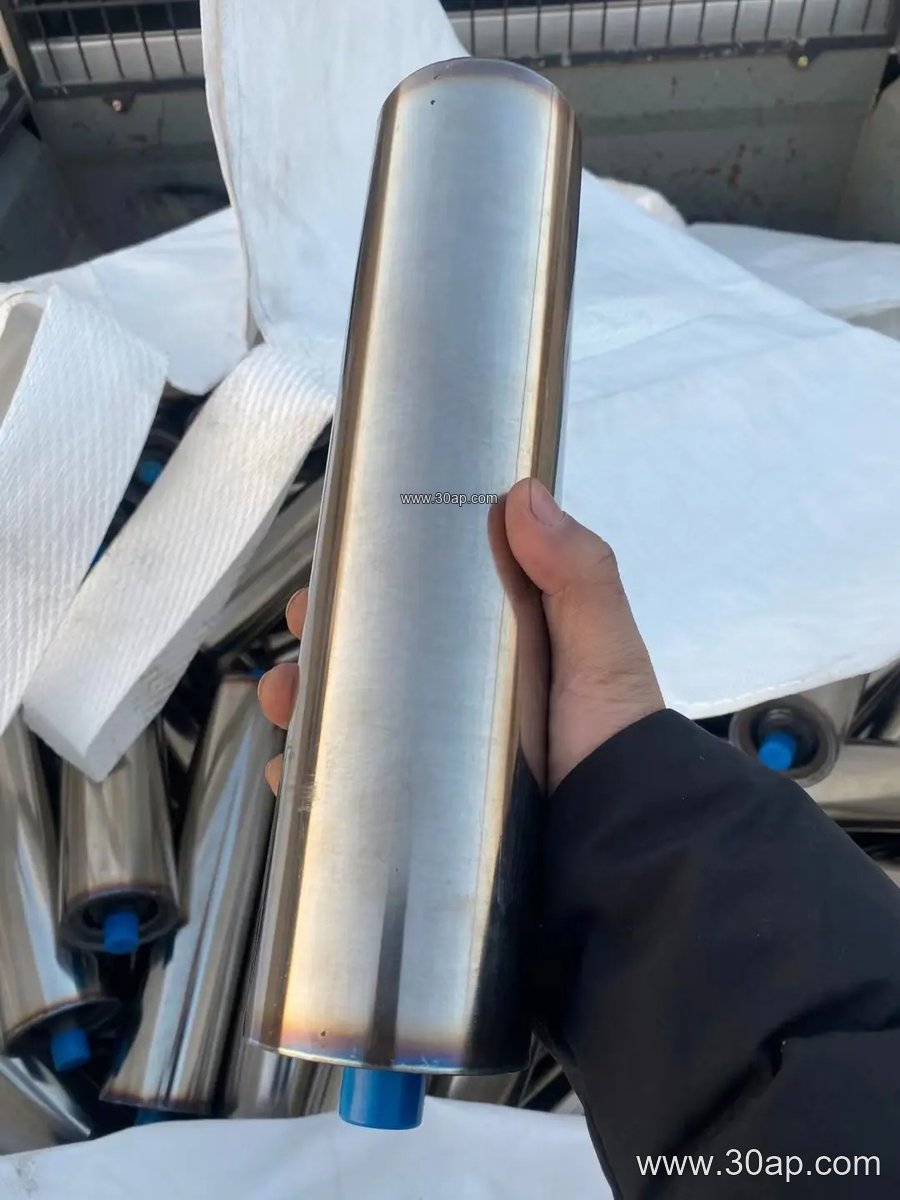
Bearing selection is usually made from standard sizes rather than specials. Typical fits include 6204, 6205, 6305, 6306, 6308, and 6310, matched to the shaft and load rather than to a fixed rule. A larger roller diameter does not automatically mean a particular bearing, and a given belt width does not lock in one shaft size; the conveyor designer sets these from load, span, and speed.
Reference dimensions that appear in layout drawings
The figures below are common reference values, not universal specifications. Actual roller length depends on belt width, trough angle, and whether the set is two-roll or three-roll, and side rollers often differ from the centre roller.
| Belt width | Typical roller length, three-roll trough set |
|---|---|
| B500 | about 200 mm |
| B650 | about 250 mm |
| B800 | about 315 mm |
| B1000 | about 380 mm |
| B1200 | about 465 mm |
| B1400 | about 530 mm |
| B1600 | about 600 mm |
| B1800 | about 670 mm |
| B2000 | about 750 mm |
Diameter options commonly range from Ø63 and Ø76 on small or light belts up to Ø159, Ø178, Ø194, and Ø219 on heavy primary circuits. Trough angles are usually 20, 30, 35, or 45 degrees. Where belt training matters, a forward tilt of roughly 1.5 to 2 degrees is sometimes specified on the carrying rollers.
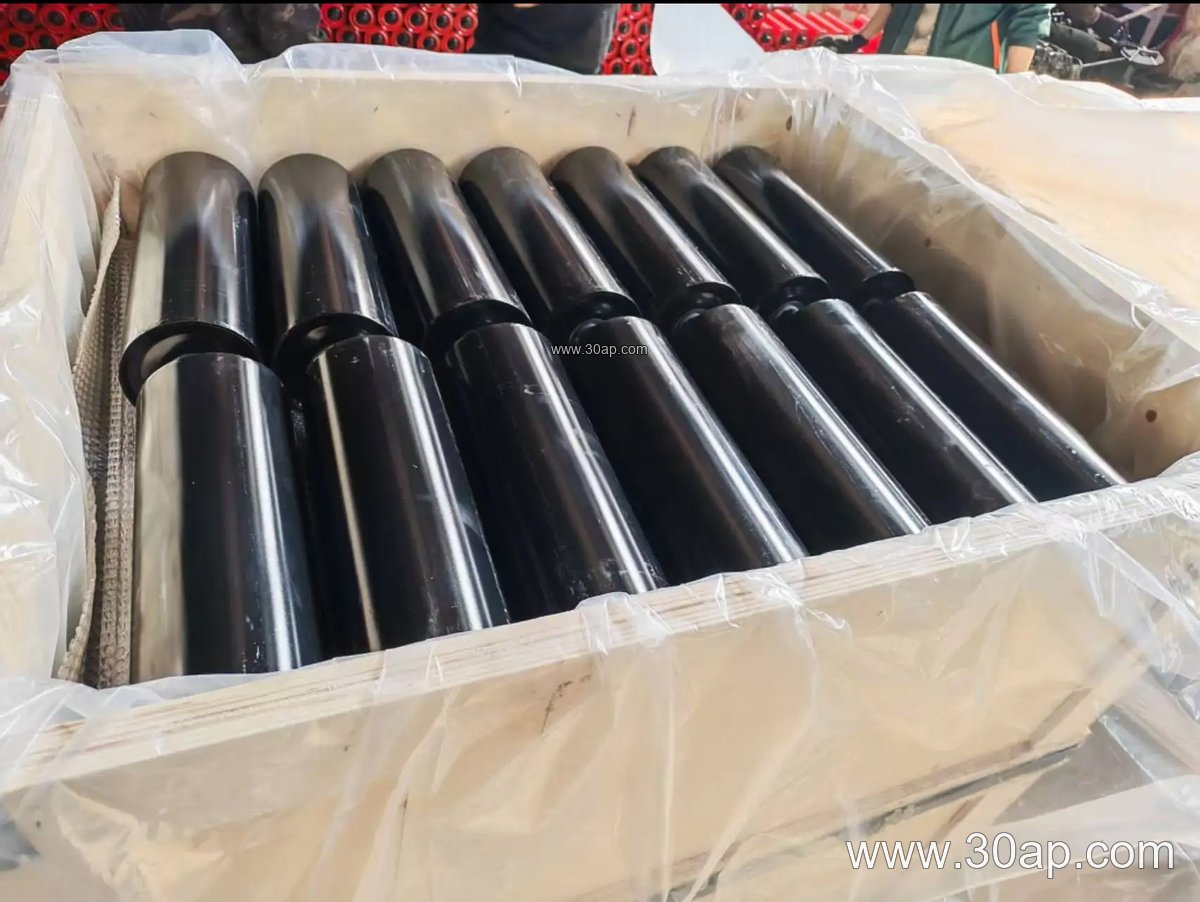
Where These Rollers Sit in a Sand and Gravel Plant
Two settings show the range of duty. In a crushed stone and sand washing line, the feed from the primary crusher lands on a belt that must absorb lump impact, so rubber-disc impact rollers are common under the chute and three-roll trough sets carry the rest of the run. In a cement plant or power plant coal yard, the same hardware handles a drier but still abrasive load, and sealing quality becomes the deciding factor because fine dust is everywhere.
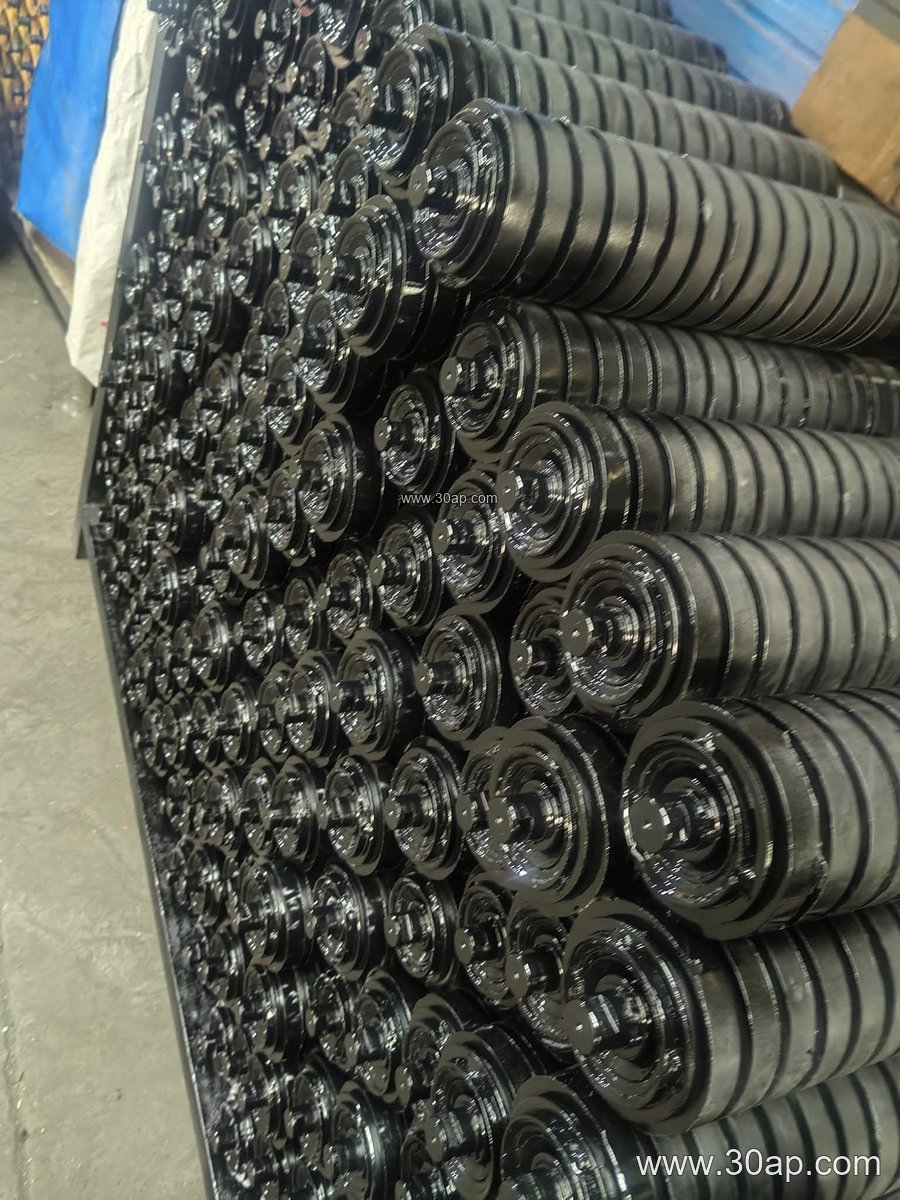
Return-side support is a separate question. Plain flat rollers are the default, while V-return sets help track the belt and shed material that clings to the cover. Self-aligning rollers, including friction and tapered designs, are added at transfer points and long spans where drift is a known problem. None of these replaces the trough set; they solve a different job on the same conveyor.
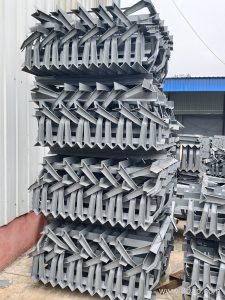
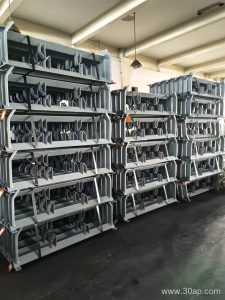
Related hardware matters too. The conveyor bracket or frame sets roller spacing and tilt, and the conveyor pulley at each end sets belt tension. Drive, tail, and bend pulleys are distinct components and are not interchangeable with each other or with idlers. On long hauls, pairing well-sealed rollers with a suitable EP Conveyor Belt or a Rubber Conveyor Belt reduces the chance that a cheap roller becomes the weak point.
What Buyers Should Check Before Ordering
- Confirm the belt width and trough angle first, then the roller length and set type.
- State the duty: primary feed with lump impact differs from a clean return run.
- Ask which seal design is supplied, since dust ingress is the usual cause of seizure.
- Check that the shell wall and shaft are sized for the actual load rather than a catalogue default.
- For hot or sticky material, discuss shell material and disc spacing rather than assuming a standard tube.
- Keep spacing in mind: too wide a gap shortens belt life, too narrow adds friction and cost.
A well-chosen sand and gravel conveyor idler is a low-cost part doing a high-value job. Matching roller diameter, seal quality, and frame spacing to the real material and belt speed is what keeps an aggregate line running through the shift.