Understanding the Idler Roller’s Core Function
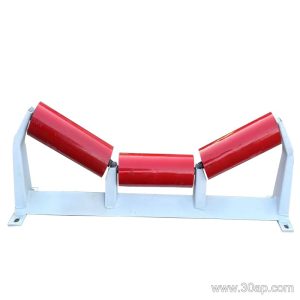
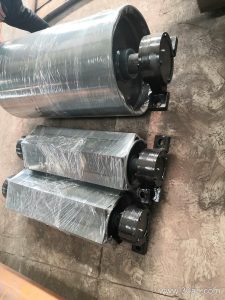
An idler roller is a non-powered cylindrical component that supports the conveyor belt and the material load along its path. Without correctly selected idler rollers, belt sagging, misalignment, and excessive wear occur, leading to costly downtime and energy loss.
Key Selection Criteria for Idler Rollers
- Load rating: Match the roller’s dynamic load capacity to your bulk density and belt speed to prevent premature bearing failure.
- Roller diameter and shell thickness: Larger diameters reduce belt flexing fatigue; thicker shells resist impact at loading zones.
- Sealing and bearing type: Choose labyrinth or contact seals for dusty, wet, or abrasive environments; use C3 clearance bearings for high-speed applications.
Purchasing and Maintenance Advice
When buying idler rollers, request certified runout tolerance (below 0.7 mm) and verify the shell’s surface finish – a rough weld seam accelerates belt wear. Always purchase from suppliers who offer interchangeable frames (CEMA or DIN standards) and provide life-cycle cost data, not just unit price. For existing systems, audit roller spacing and trough angles annually, and replace any roller that does not rotate freely by hand when unloaded.
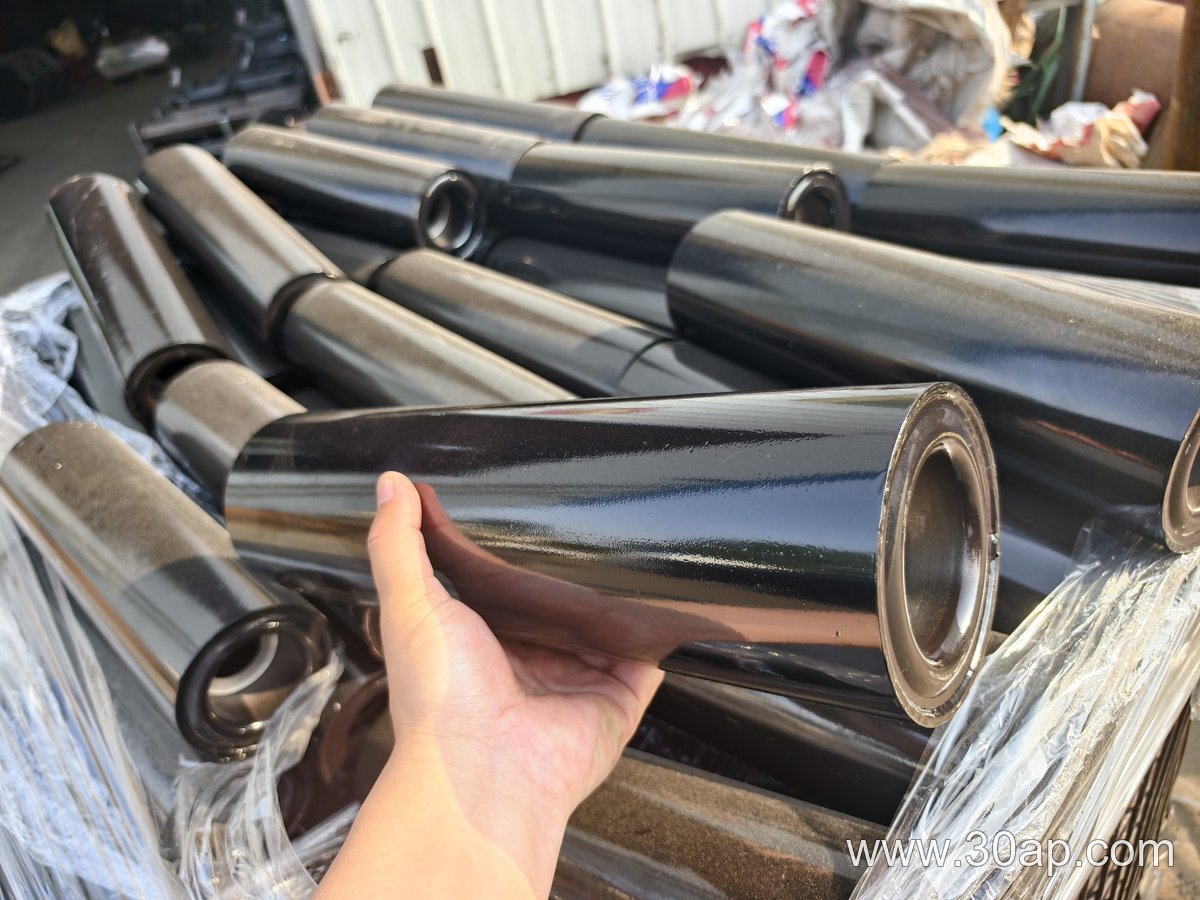
Investing in quality idler rollers with proper alignment and regular lubrication extends belt life by up to 30%, reduces friction-related energy consumption, and prevents spillage. Prioritize rollers with replaceable bearings and robust end caps to lower total ownership costs in continuous operations.
Understanding Conveyor Pulley Fundamentals
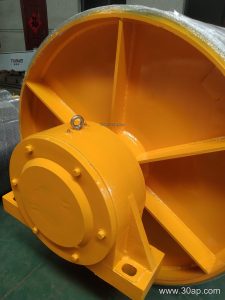
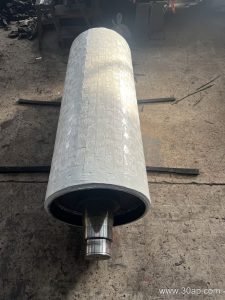
The conveyor pulley is the cylindrical component that drives, redirects, or tensions the conveyor belt. Without a precisely engineered pulley, even the best belt system fails prematurely. Pulleys are categorized by function: drive (head), tail, bend, and take-up. Each must match load, speed, and environmental conditions.
Key Factors in Conveyor Pulley Design
- Shell thickness and diameter: Larger diameters reduce belt flex fatigue; thicker shells resist impact and abrasion.
- Shaft and hub assembly: Ensure proper keyway, taper lock, or locking element for torque transmission without fretting.
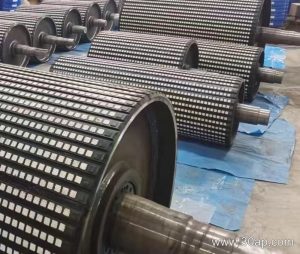
- Lagging type: Ceramic lagging for high-grip, rubber for general use, and grooved for wet conditions.
Purchasing Advice for Industrial Buyers
Always specify the conveyor pulley based on belt tension at the drive, not just motor power. Request a detailed drawing with crown profile (standard 1-2 mm taper) to aid belt tracking. Verify balance grade (G6.3 or better) for speeds above 3 m/s. Confirm material—steel grades S235JR for light duty, Q345B or alloy for heavy loads. Inspect weld quality and final concentricity tolerance (≤0.5 mm).
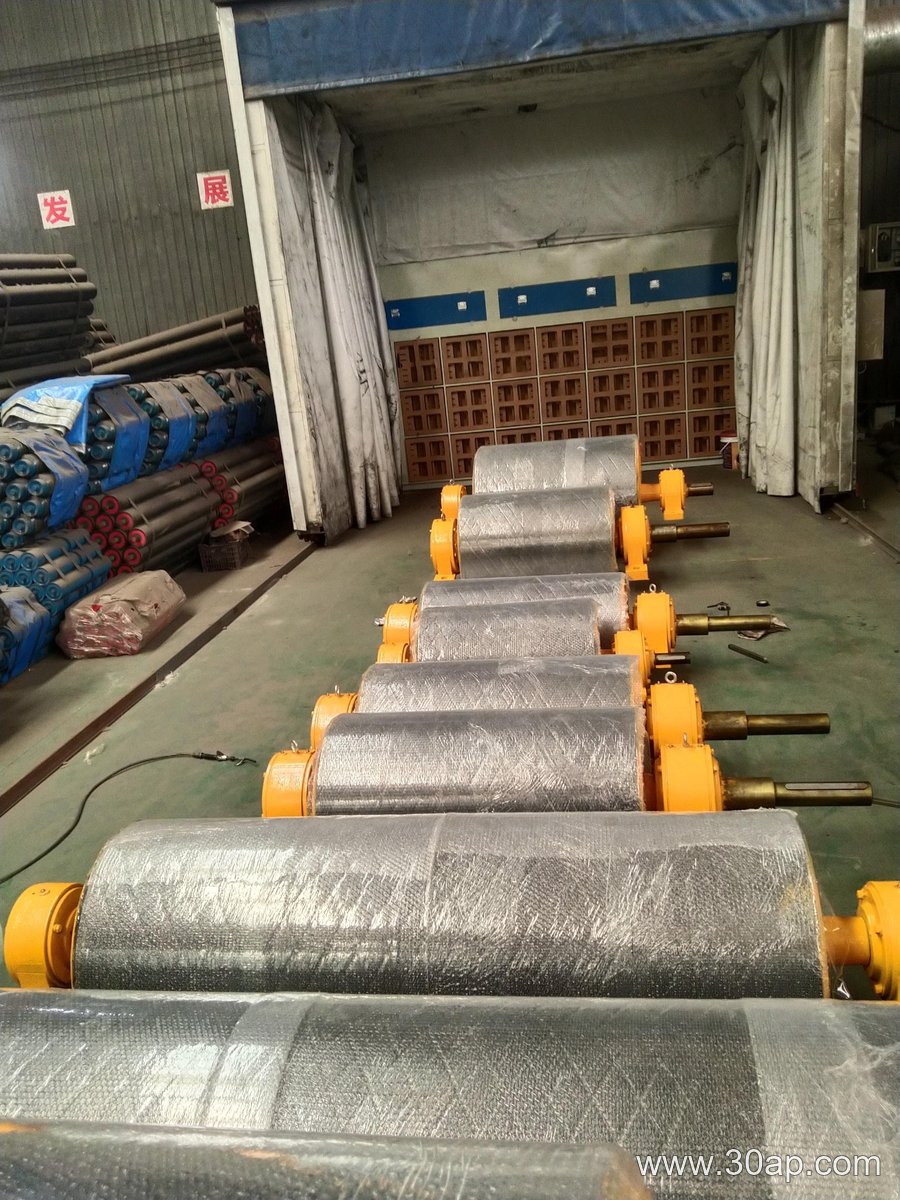
For replacements, measure existing pulley face width, bearing centers, and shaft extension exactly. Choose a manufacturer offering dynamic balancing and certified welding. Consider spare pulleys for critical conveyors—downtime costs often exceed component price by 100x. Finally, ask about proper storage and handling to avoid shaft bending during transit.
Why the Conveyor Bracket Determines System Longevity
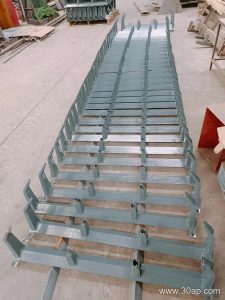
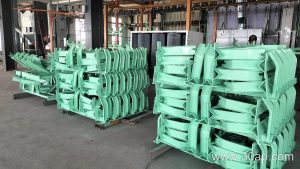
A conveyor bracket is the structural interface that transfers load from the belt or roller to the frame. Its geometry, material grade, and bolt pattern directly affect alignment, vibration, and maintenance intervals. Poorly selected brackets cause tracking drift and premature bearing wear.
Key Selection Criteria
- Load rating: Match static and dynamic loads, including shock from uneven product drops.
- Material finish: Choose galvanized or stainless steel for washdown or corrosive environments.
- Adjustability: Slotted holes allow fine-tuning of roller height and belt tension.
Purchasing Advice
Request dimensional drawings and verify hole spacing against your existing frame. For retrofit projects, measure the center-to-center distance twice. Always order 5% extra brackets for identical production batches to avoid mismatched tolerances later.
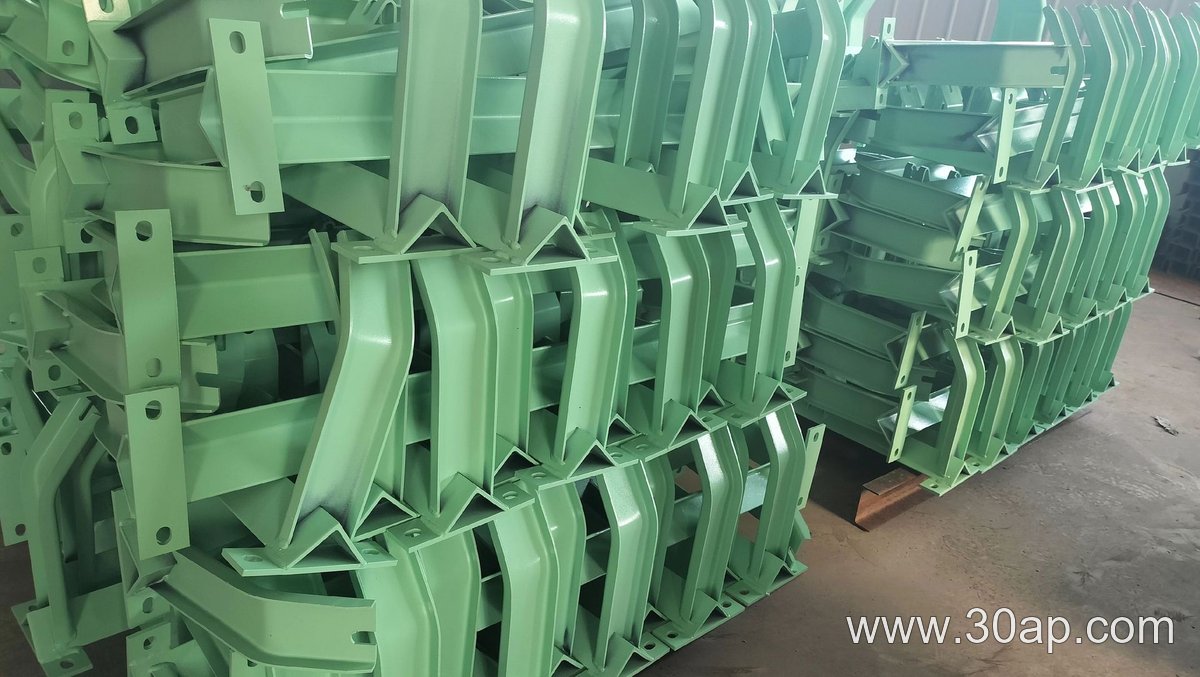
Prioritize brackets with welded gussets for cantilevered sections, and use lock washers with thread-locking compound on all fasteners. A low-cost bracket that fails mid-shift costs more in downtime than a premium part ever will.
Why the Conveyor Belt Remains the Backbone of Material Flow
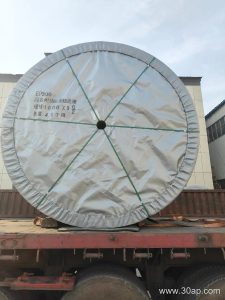
Every automated facility depends on a durable conveyor belt to move products reliably between stations. Selecting the wrong belt leads to downtime, spillage, and costly maintenance.
Key Selection Criteria
- Assess load weight and surface abrasion to choose between rubber, PVC, or metal mesh belts.
- Check operating temperature, chemical exposure, and food-safety compliance before purchasing.
- Measure required speed and incline; cleated or sidewall belts prevent slippage on slopes.
Purchasing Advice
Request belt samples and tensile strength data. Verify splice type and tracking system compatibility with your existing pulleys. Always order spare lacing and a 5% extra length for tensioning adjustments.
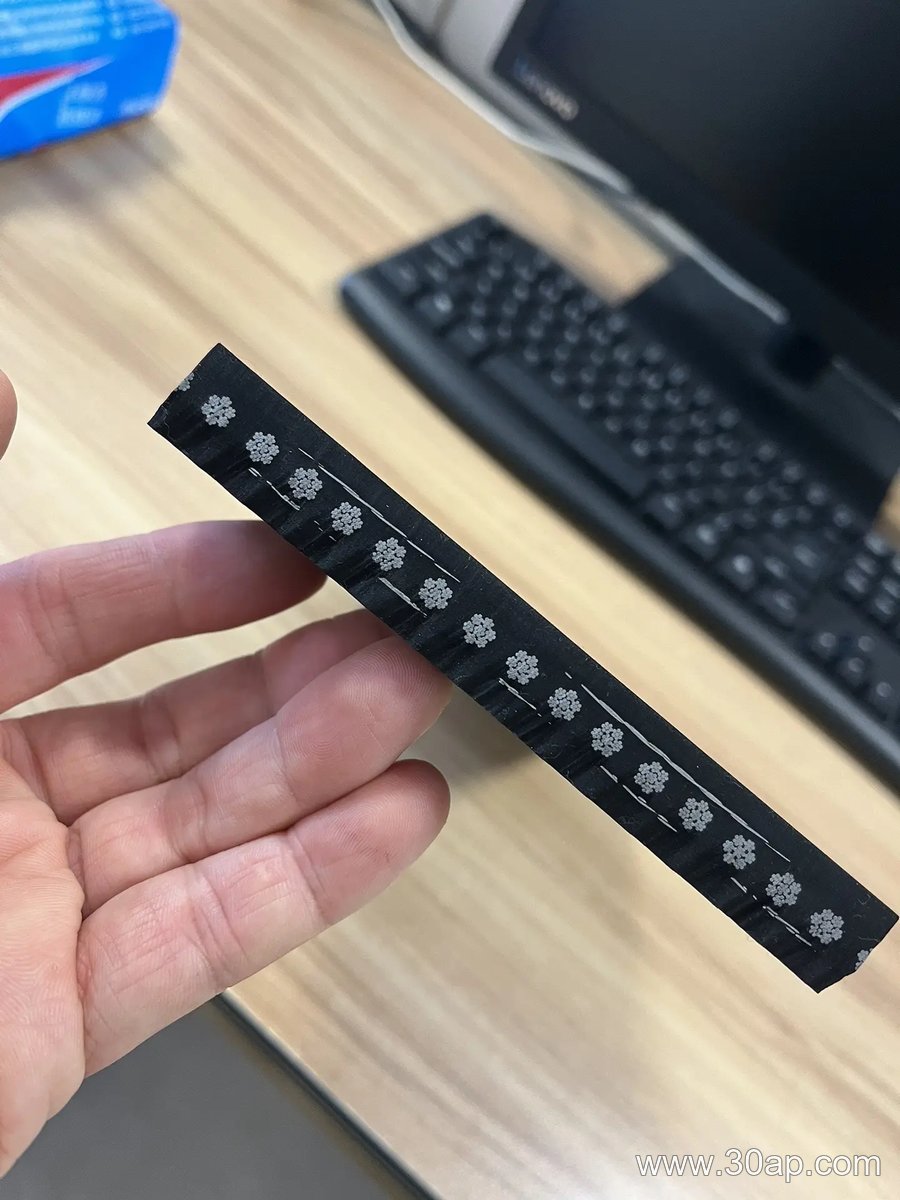
For high-speed sorting or heavy pallet transfer, prioritize reinforced multi-ply designs. A proper belt reduces energy use and extends frame life.