What Is a Wing Pulley and Why Use One
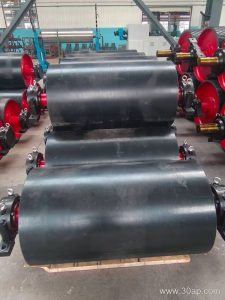
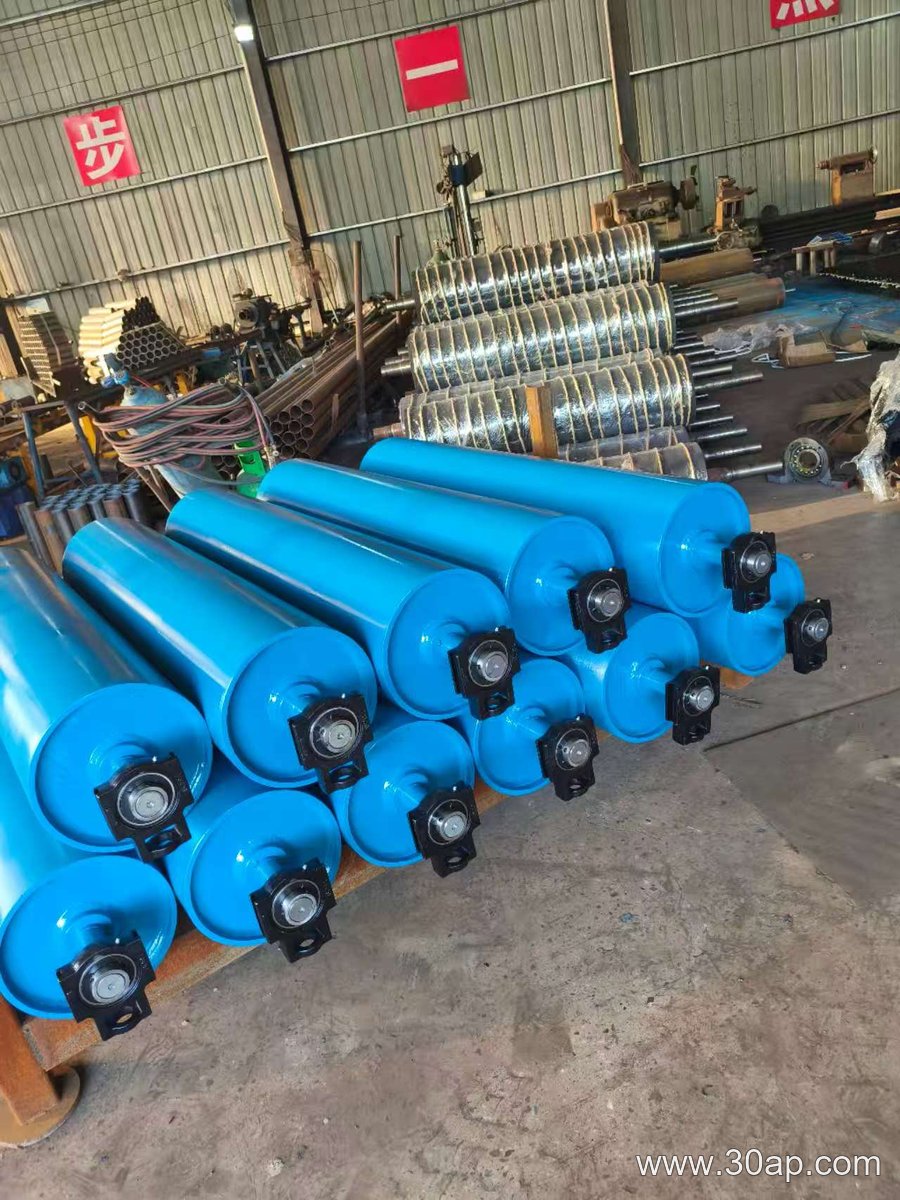
A wing pulley is a conveyor pulley whose shell is built from spaced slats rather than a solid cylinder. On a general manufacturing line handling sticky or friable material, the open gaps let debris fall through instead of building up on the face.
Construction and Features
- Slatted shell welded to end discs and hub
- Self-cleaning action as the pulley rotates
- Lighter than a solid shell of similar diameter
Where It Fits
Wing pulleys suit tail or snub positions where buildup causes belt misalignment. They are not a substitute for a drive pulley with lagging, since the slats provide less traction.
Start with the application, not the price tag
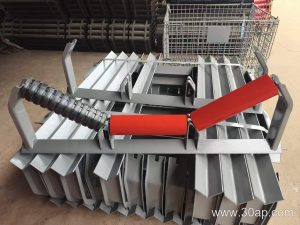
In a dusty quarry, a conveyor bracket has to hold idlers steady while abrasive dust settles on every surface. The cheapest bracket per piece often becomes the most expensive after installation, because material, dimensions, manufacturing method, and freight all interact. The right question is not “what does it cost?” but “what drives the total cost?”
Four cost factors that matter most
Material. Carbon steel is common and cost-effective, but in a dusty quarry it may need a protective finish. Stainless steel or abrasion-resistant grades cost more upfront, yet can reduce replacement frequency. The trade-off is between purchase price and service life.
Dimensions. A larger bracket uses more material and may need heavier forming equipment. Tight tolerances add machining or fixture time. Oversizing for safety without need raises cost without benefit.
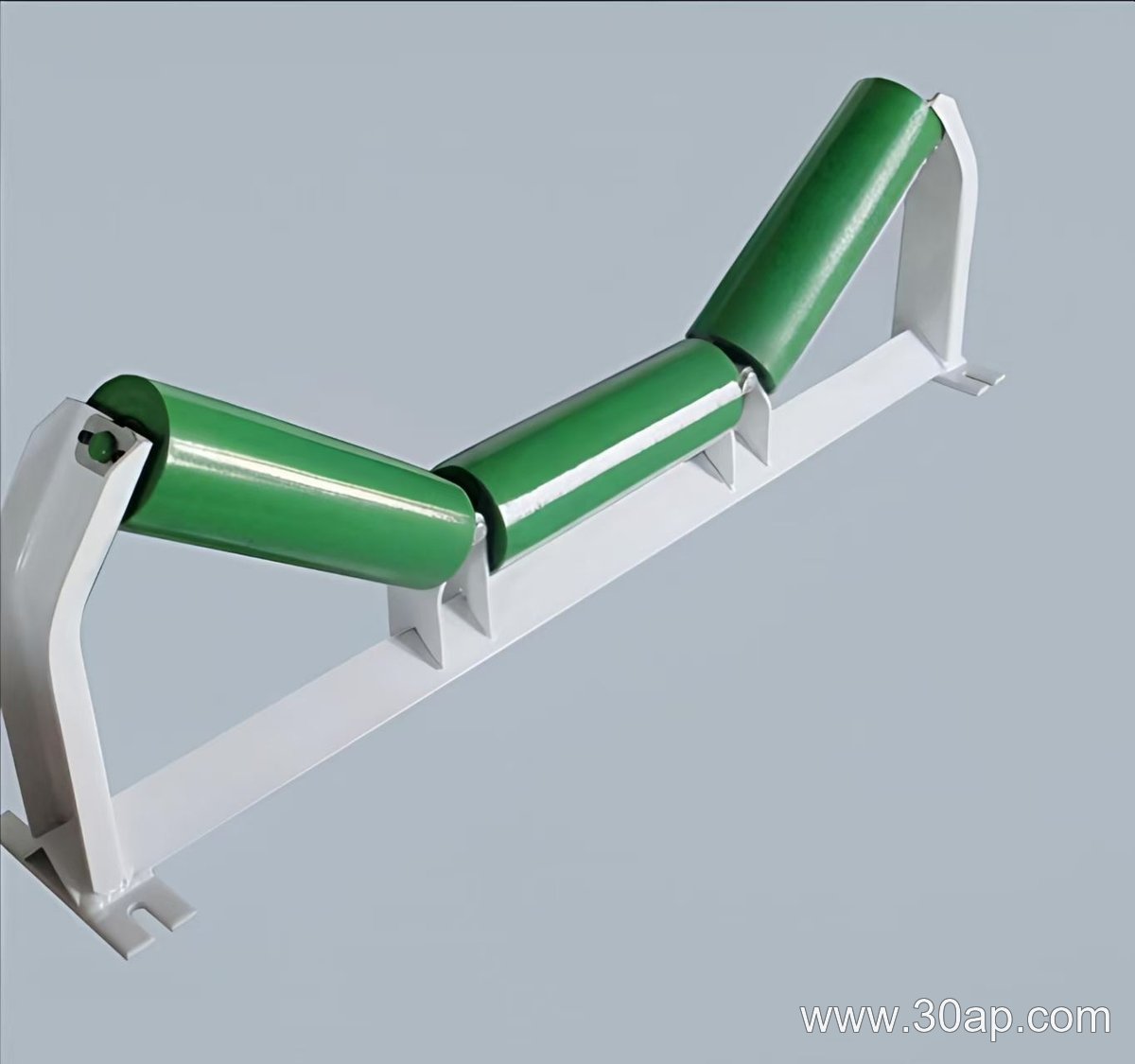
Manufacturing. Stamping and bending are efficient for high volumes but require tooling. Welded assemblies are flexible for low volumes but add labor. Laser cutting or machining increases precision and cost. The chosen process should match the required fit and quantity.
Freight. Brackets are often bulky or heavy. Shipping air is expensive. Flat-pack or nested designs can reduce volume, but may require assembly on site. Distance and mode affect cost as much as the bracket itself.
How to evaluate without inventing prices
- Define the dust exposure and cleaning method.
- Specify the mounting hole pattern and center height.
- Ask for material certificates and finish details.
- Compare total installed cost, not unit price.
No single factor decides cost. A conveyor bracket that fits well, lasts, and ships efficiently is usually the better investment in a dusty quarry.
What Drives the Cost of a Conveyor Belt?
Many buyers assume a conveyor belt is priced mainly by length and width. In reality, the cost is shaped by a combination of material choices, dimensions, manufacturing complexity, and freight logistics. Understanding these factors helps you compare quotations fairly and avoid over- or under-specifying.
Material and Construction
The cover compound, carcass fabric, and number of plies are primary cost drivers. A conveyor belt with abrasion-resistant rubber or oil-resistant covers uses more expensive polymers. Steel cord or high-tensile fabric plies add cost but allow thinner, lighter belts. In a mineral-processing plant, impact and abrasion often justify these upgrades, but they increase unit price.
Dimensions and Weight
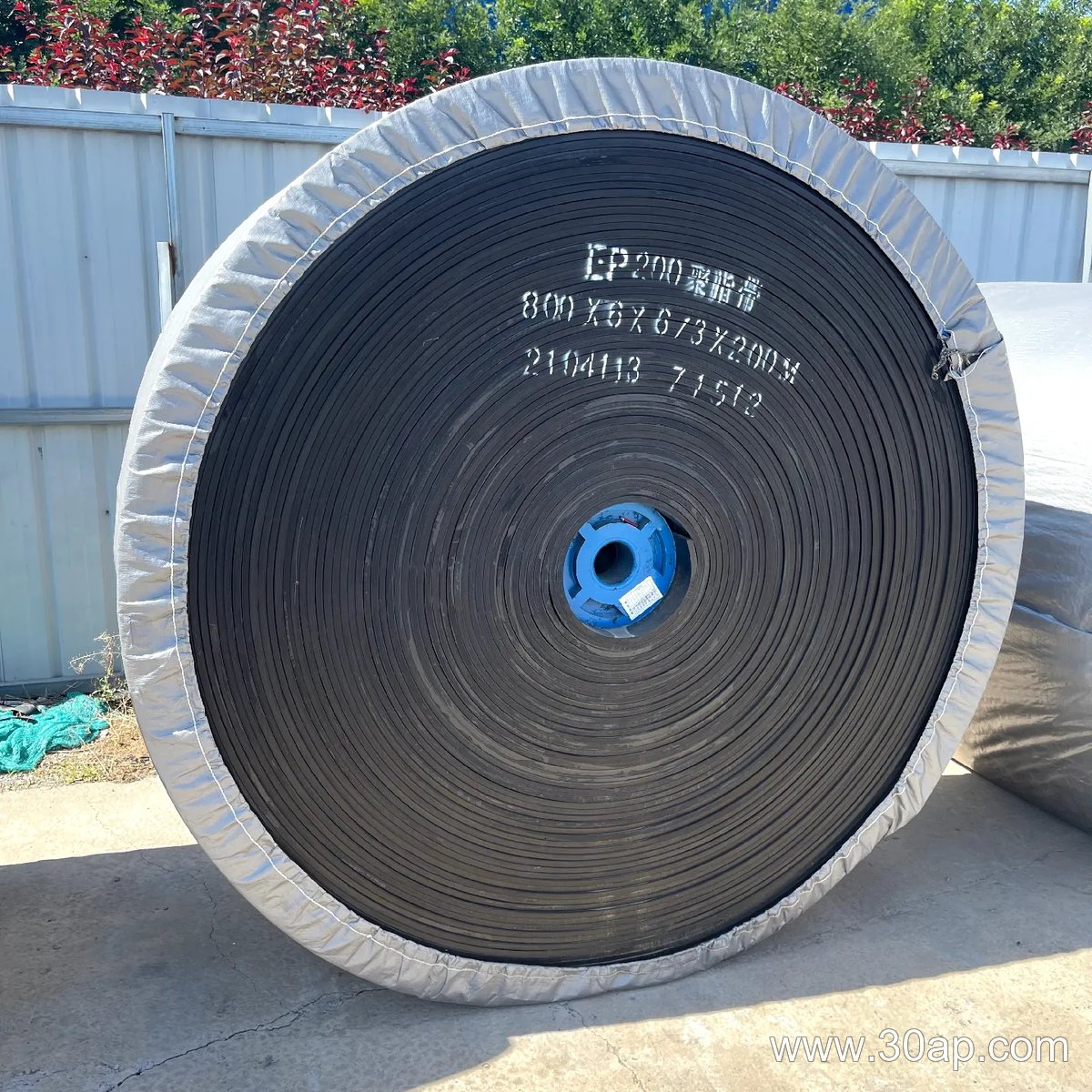
Belt width, length, and thickness directly affect material volume. A 1200mm conveyor belt uses more rubber and fabric than a 800mm belt, raising cost. Thicker covers and more plies also increase weight, which influences handling and installation.
Manufacturing Factors
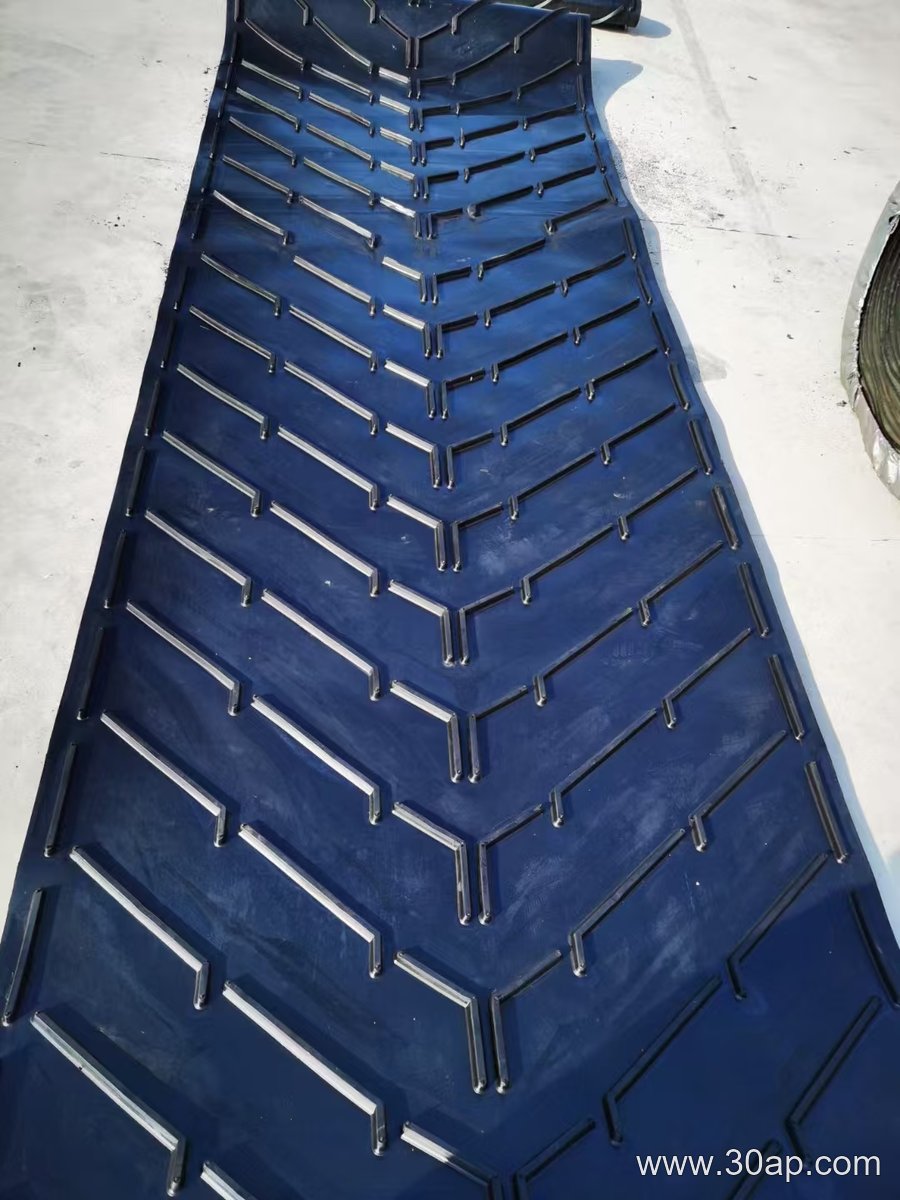
Production method matters. Vulcanized splices, edge reinforcement, and special profiles add labor and tooling. Small orders or custom widths may carry setup costs. Standard widths like 1200mm or 2200mm conveyor belts can be more economical if they match available tooling.
Freight and Logistics
Bulk and weight determine shipping mode. A long, heavy conveyor belt may require special packaging and handling, increasing freight. Import duties, port charges, and distance also contribute. For a mineral-processing plant, planning deliveries to avoid rush shipments can reduce total landed cost.
By examining these factors, you can target specifications that balance performance and budget without relying on guesswork.
What a Rubber Disc Idler Roller Is
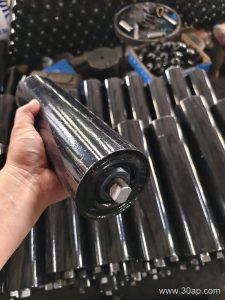
A rubber disc idler roller is a conveyor idler roller whose shell carries a series of flexible rubber discs instead of a smooth steel tube. The discs flex under load, so sticky wet fines tend to shed rather than pack between the roller and the belt.
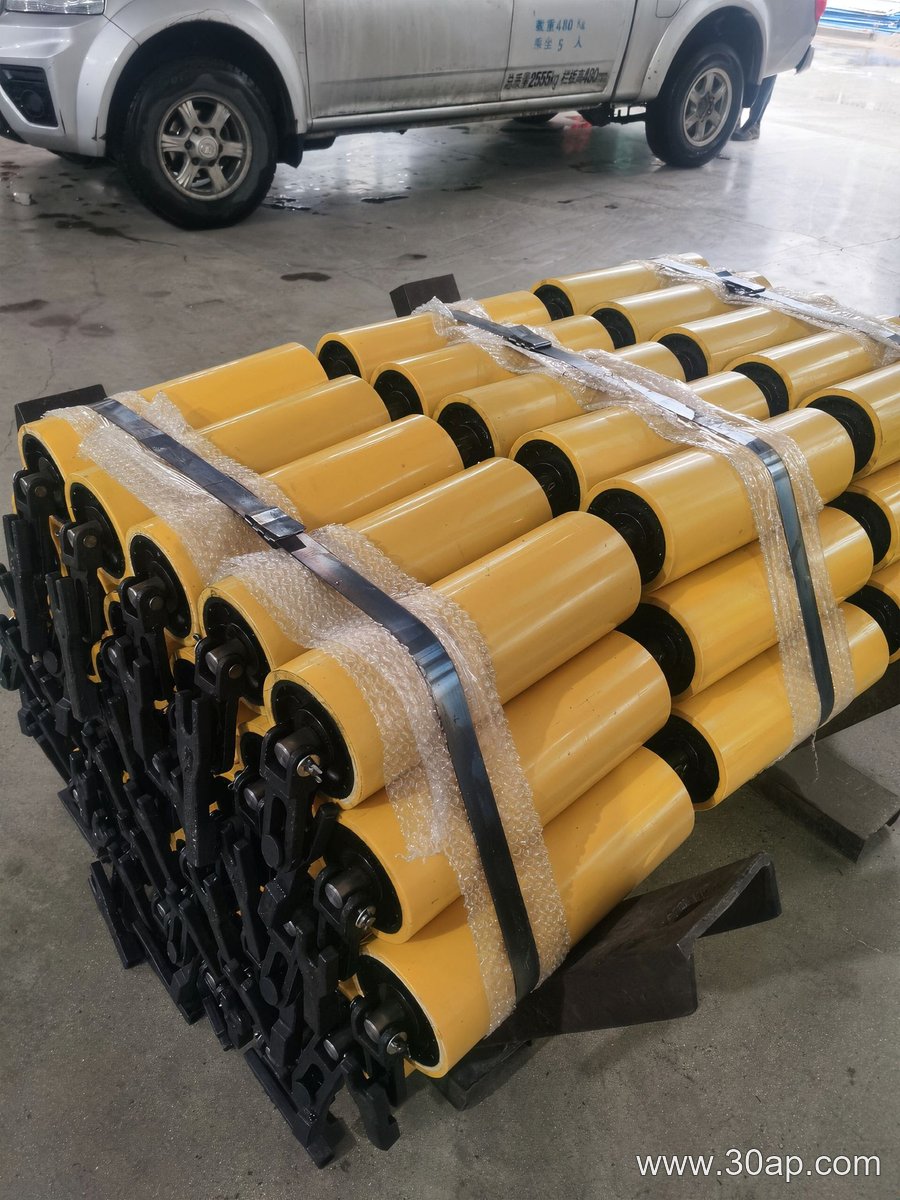
Construction and Features
- Steel shaft and bearing housing, sealed against dust and moisture
- Stacked rubber discs, often with a slight crown for belt tracking
- Discs deflect to absorb impact and release adhering material
Where It Fits in a Mineral Processing Plant
On a conveyor carrying damp ore pulp or filter cake, a smooth idler roller can collect a spiraling wrap of fines. The rubber disc idler roller breaks that wrap as the discs flex and return. In a hypothetical plant handling wet fines, it is usually placed at the load zone and return run, while heavier smooth rollers carry the main trough.