What a 1200mm Conveyor Belt Is
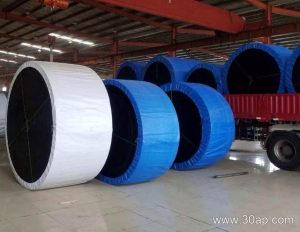
A 1200mm conveyor belt is a wide-format rubber or PVC belt with a nominal width of 1200 millimetres, often written as B1200 in technical documents. This width places it in the medium-to-large class of belting, larger than common B800 and B1000 sizes but smaller than B1400 and B1600 belts used in very high-capacity trunk conveyors. It is a practical choice when a single stream of bulk material needs to move at a moderate tonnage without making the whole conveyor structure excessively heavy.
Because the belt is the load-carrying element, its width, carcass and cover compound must match the material, the troughing angle and the pulley and idler arrangement. A 1200mm belt is not simply a wider version of a 1000mm belt; the extra width changes the load profile, the required pulley face, the idler roller spacing and the way the belt tracks.
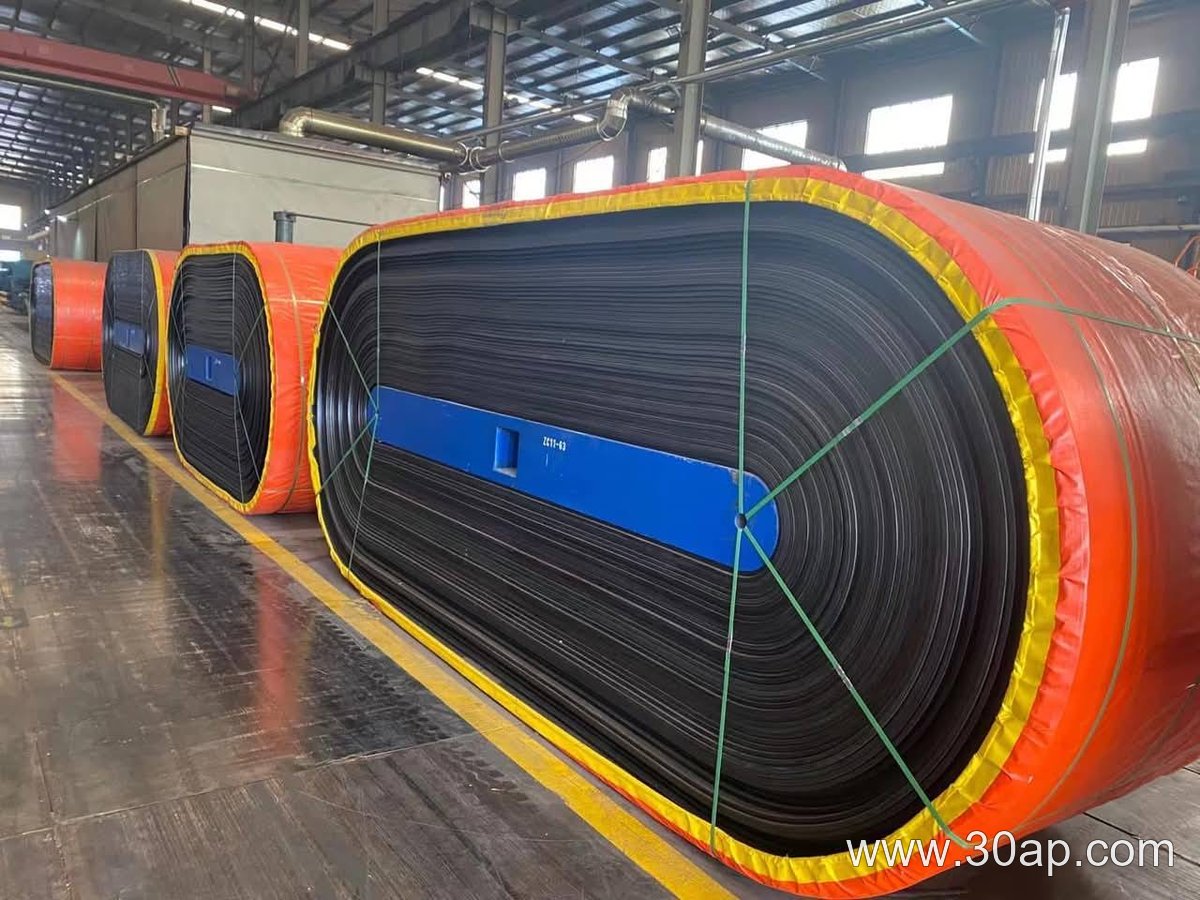
Construction and Common Specifications
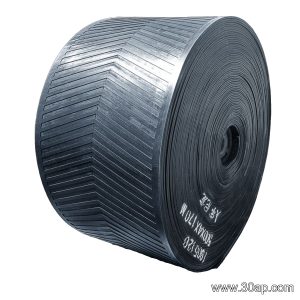
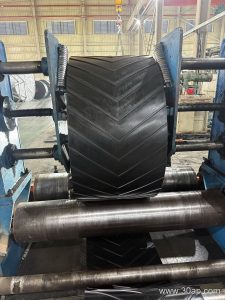
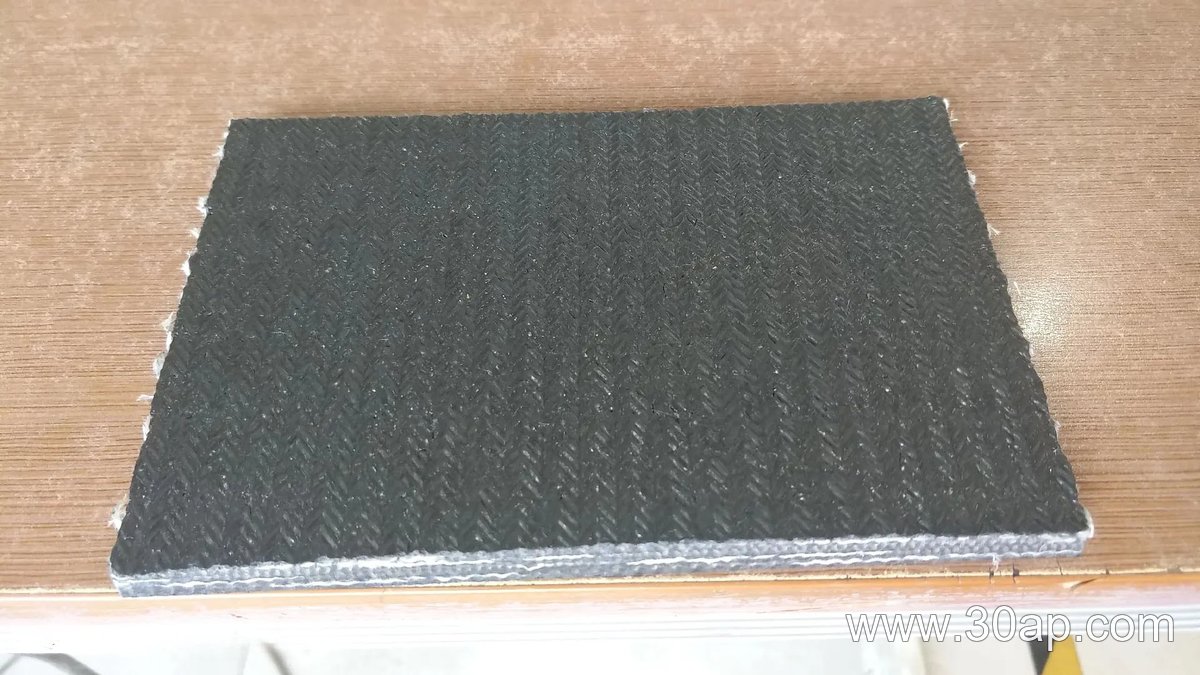
The belt body normally consists of a fabric or steel carcass covered with rubber on both sides. For a 1200mm width, typical carcass options include EP (polyester-nylon) and NN (nylon-nylon) fabric plies, or a steel cord construction when very high tensile strength is needed. Surface forms can be smooth, abrasion-resistant, heat-resistant, oil-resistant, flame-retardant, anti-static, or patterned with chevron and cleat profiles for inclined transport.
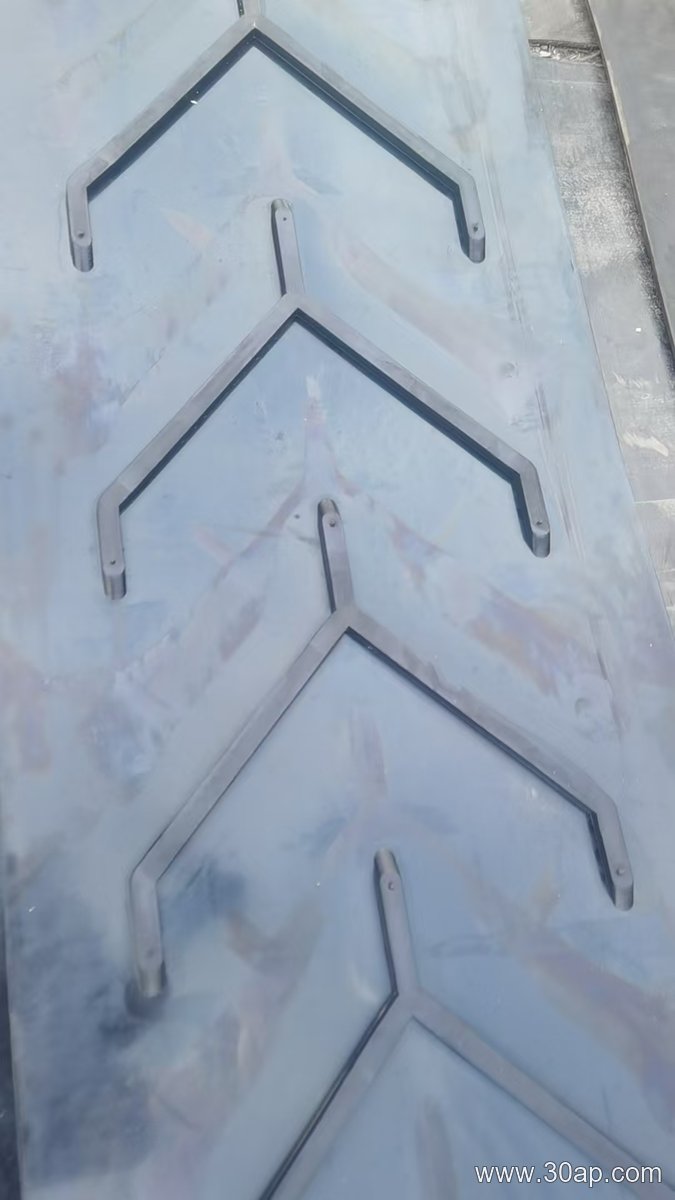
Cover thickness is usually quoted as top plus bottom, for example 4+2 mm, 5+2 mm, 6+2 mm or 8+3 mm. The figures below are reference values only and should be confirmed against the actual design duty.
| Item | Common reference values |
|---|---|
| Belt width | B1200 (1200 mm) |
| Fabric types | EP, NN, steel cord |
| Tensile grades | EP200, EP315, EP400, EP500, EP630, EP800, EP1000, EP1250, EP1600, EP2000 |
| Cover thickness | 3+1.5, 4+2, 5+2, 6+2, 8+3 mm |
| Ply count | Usually 2 to 6 plies |
| Surface forms | Smooth, chevron, cleated, wave-edge |
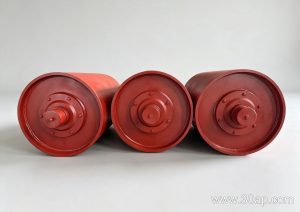
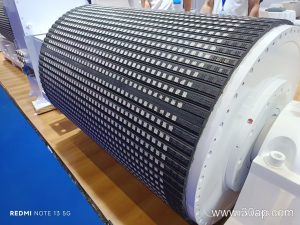
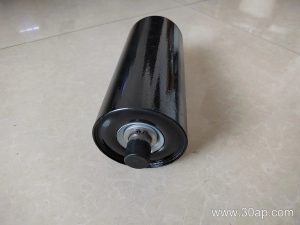
The belt must be matched with a conveyor pulley whose face is wide enough to support the full 1200mm width, and with idler rollers set at the correct troughing angle. Drive pulley, tail pulley and bend pulley each perform a different function and are not interchangeable, so the belt specification should be reviewed together with the pulley layout rather than in isolation.
Where 1200mm Belting Is Used
This width appears in many bulk handling circuits. In mining and coal preparation, it can carry crushed ore or coal from a primary crusher to a stockpile. In cement plants, it may feed clinker, limestone or gypsum between process stages. Power stations use wide belts for coal and ash handling, while sand and gravel yards rely on them for aggregate transfer. Other users include fertiliser plants, port terminals and recycling lines.
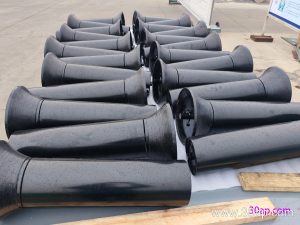
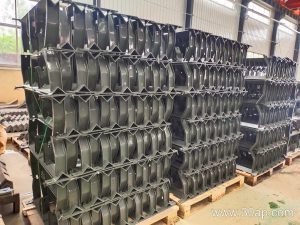
For a given belt speed, a wider belt generally carries more material per hour than a narrower one, which is why B1200 is often chosen when a B800 or B1000 belt would be pushed close to its capacity limit. At the same time, the wider belt needs adequate support from the idler roller set and a properly aligned conveyor bracket so that the belt does not drift to one side.
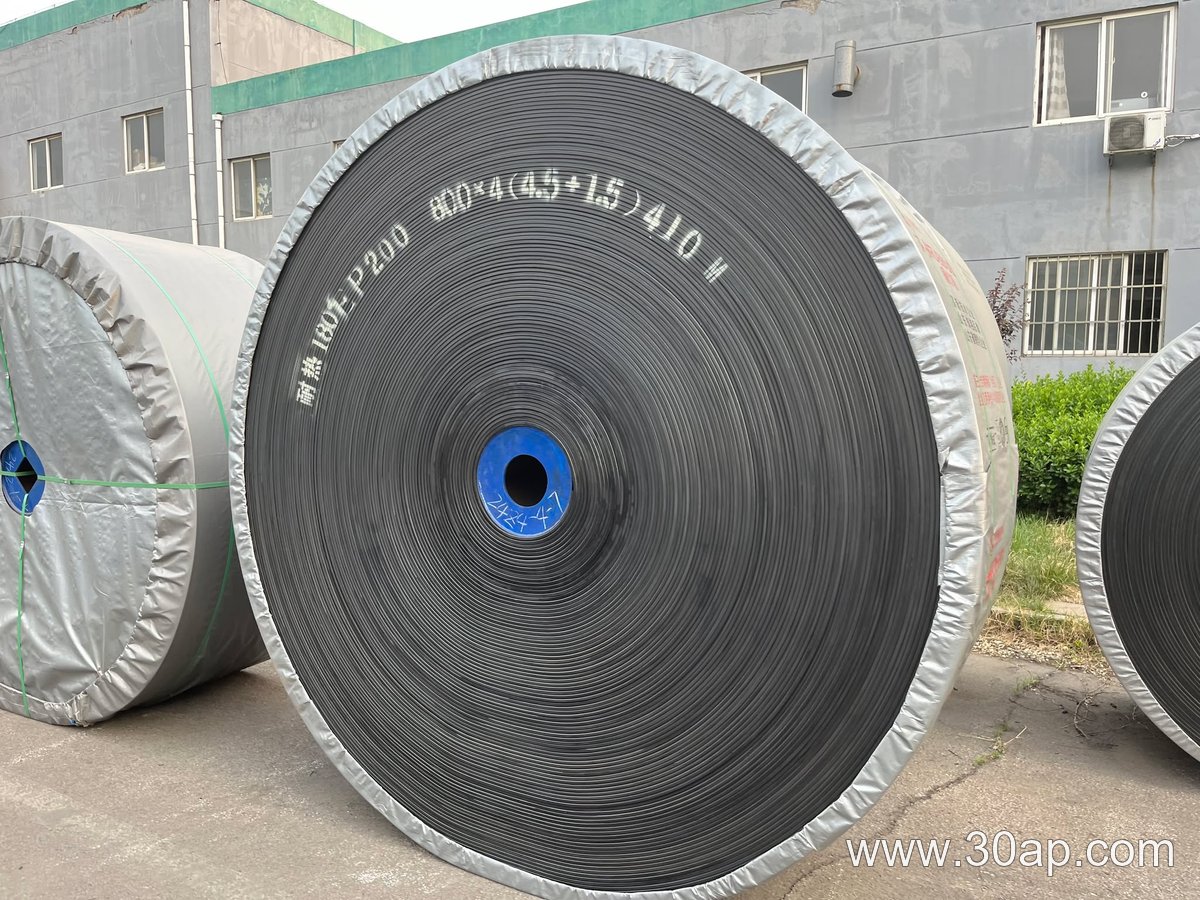
Selection Points for Buyers
- Material and duty: Confirm the bulk density, lump size, temperature, moisture and abrasiveness before choosing the cover compound and carcass.
- Tensile grade: Match the EP or NN grade to the calculated belt tension, not simply to the belt width.
- Cover thickness: Use a thicker top cover for sharp, abrasive rock and a thinner one for fine, non-abrasive material.
- Pulley and idler compatibility: Check pulley face width, diameter and shaft size against the conveyor design; belt width alone does not determine pulley diameter.
- Surface form: Choose a smooth belt for horizontal runs and a chevron or cleated belt for steep inclines.
- Environmental factors: Flame-retardant and anti-static grades suit coal and underground work, while heat-resistant grades suit clinker and sinter.
Installation and Maintenance Notes
Correct storage, splicing and tensioning extend belt life. A 1200mm belt should be stored on a dry, level surface and handled without sharp bends. During installation, align the conveyor pulley, idler roller and conveyor bracket so the belt centreline follows the structure. After the first few hours of running, recheck tension and tracking, then inspect covers for cuts, edge wear and exposed carcass. Regular cleaning of return idlers and pulleys reduces material build-up that can damage the belt edge.
When ordering, provide the belt width, tensile grade, ply count, cover thickness, surface form and any special resistance requirement. The final specification should always follow the actual conveyor design and the material being handled.