What a Carrying Trough Idler Does
A carrying trough idler is the upper run idler set that supports the loaded conveyor belt and shapes it into a trough. The troughed profile keeps bulk material centered, reduces spillage, and helps the belt track steadily between the loading point and the discharge. In a quarry, a coal preparation plant, or a cement clinker line, these idlers are the components the conveyor belt rests on for most of its length.
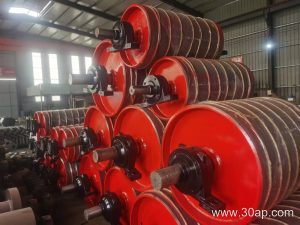
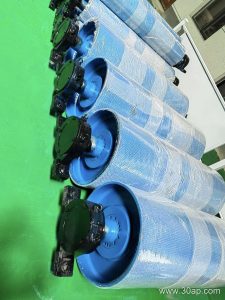
The carrying trough idler is often simply called a troughing idler or upper trough idler. It is a distinct item from the return idler underneath the belt, and it should not be confused with a conveyor pulley. Drive, tail, and bend pulleys transmit or redirect belt tension; the trough idler only carries the belt and material load.
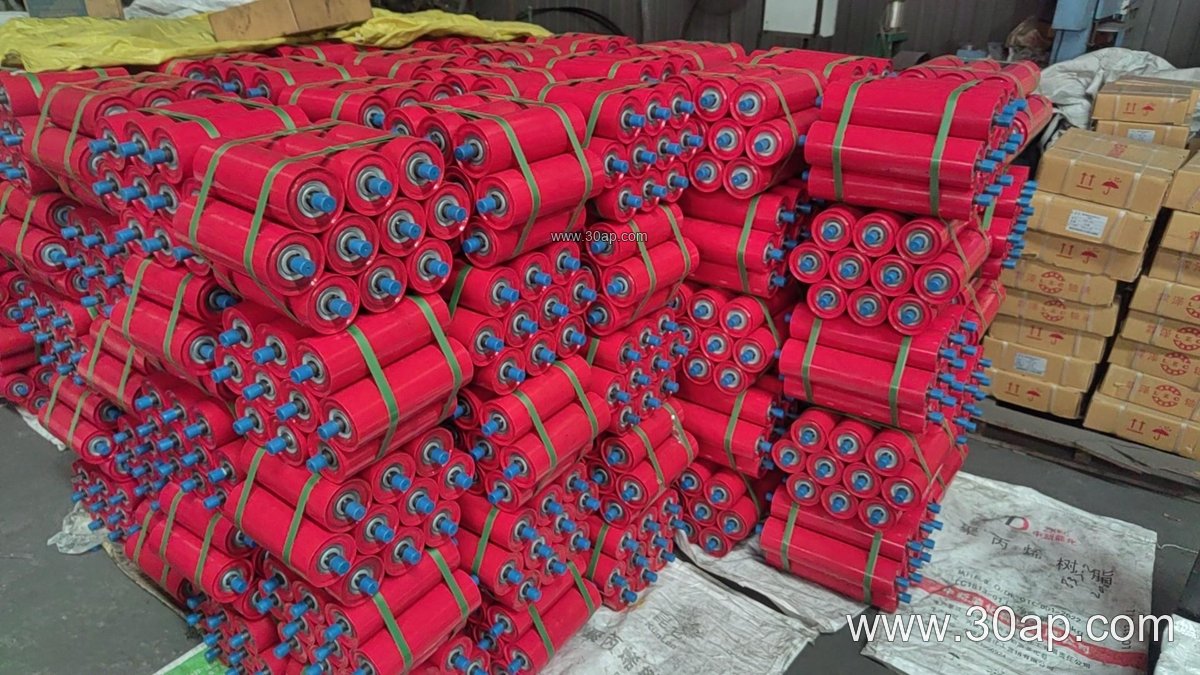
How the Idler Set Is Built
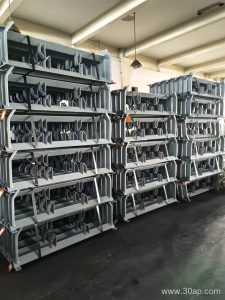
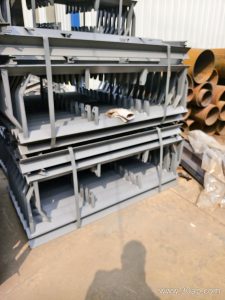
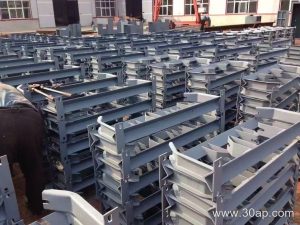
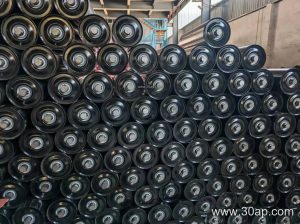
A typical set uses two or three idler rollers mounted in a frame, with the side rollers angled upward to form the trough. The frame bolts to the conveyor bracket or stringer, and each roller turns on its own bearing housed in a sealed end cap. Roller shells are usually steel tube, with nylon, ceramic, or rubber-covered options where wear or impact calls for them.
- Single-roll, two-roll, and three-roll trough sets are common.
- Trough angles are often 20, 30, 35, or 45 degrees.
- Roller diameters commonly range from Ø63 to Ø219 mm, chosen with belt width and load.
- Bearing sizes such as 6204, 6205, 6305, 6306, 6308, and 6310 appear across the range; a given bearing is not tied to one roller diameter.
Roller length changes with belt width, trough angle, and set arrangement. For reference, three-roll sets often use side roller lengths near 200 mm at B500, 250 mm at B650, 315 mm at B800, 380 mm at B1000, 465 mm at B1200, 530 mm at B1400, 600 mm at B1600, 670 mm at B1800, and 750 mm at B2000. These are examples only, and center and side rollers may differ.
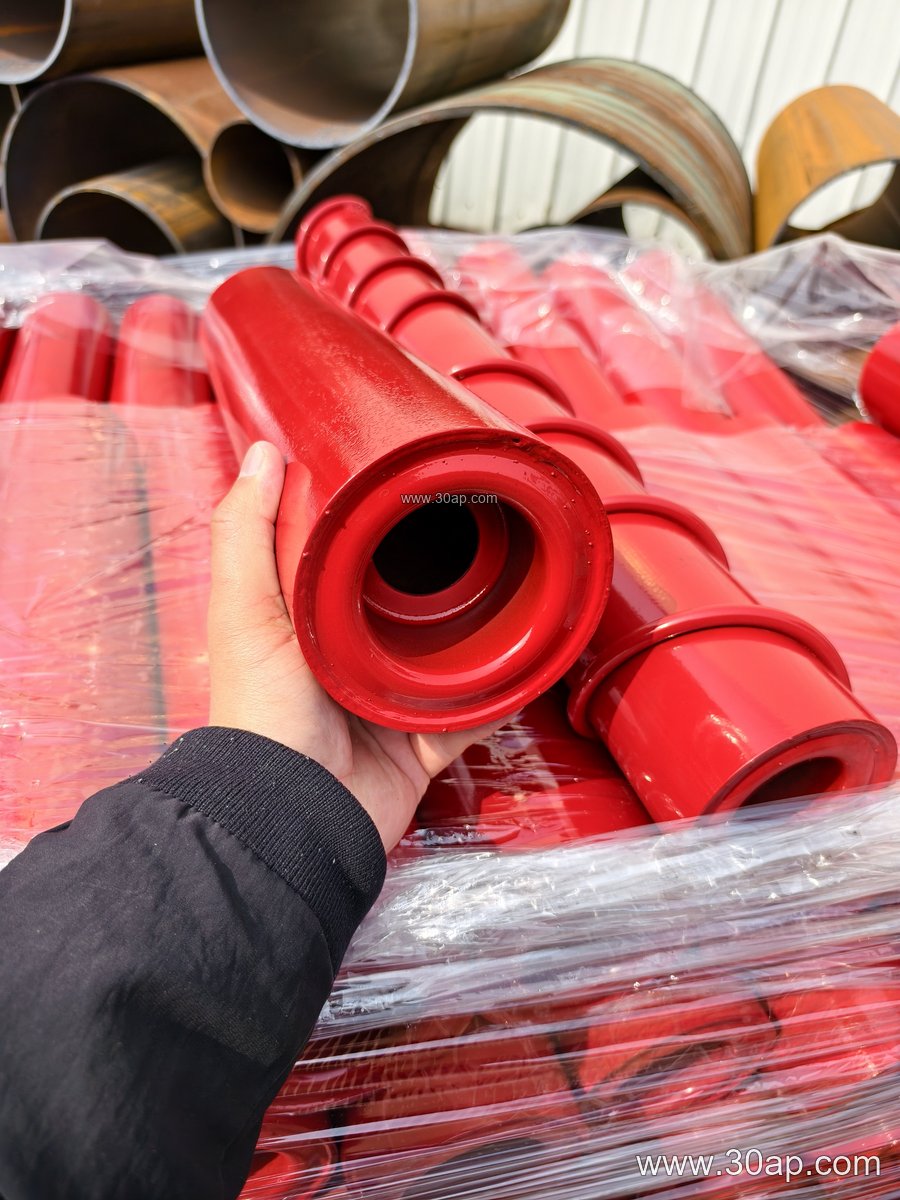
Where These Idlers Fit in a Plant
In a limestone mine or aggregate crushing and screening line, carrying trough idlers handle abrasive rock and uneven lump sizes. At a power station coal yard, they support the belt through long transfer runs. In a fertilizer or grain facility, a smooth roller surface and good sealing matter more than heavy impact resistance. The same basic set appears in tunnel spoil handling and steel plant sinter conveying, with the roller surface and bearing protection adjusted to the duty.
Reading the Specification Before Ordering
Buyers should match the idler set to the conveyor belt width, the required trough angle, and the actual load. A wider belt does not automatically dictate one pulley diameter, and belt width alone does not fix a shaft size, so the frame and shaft dimensions should come from the conveyor design.
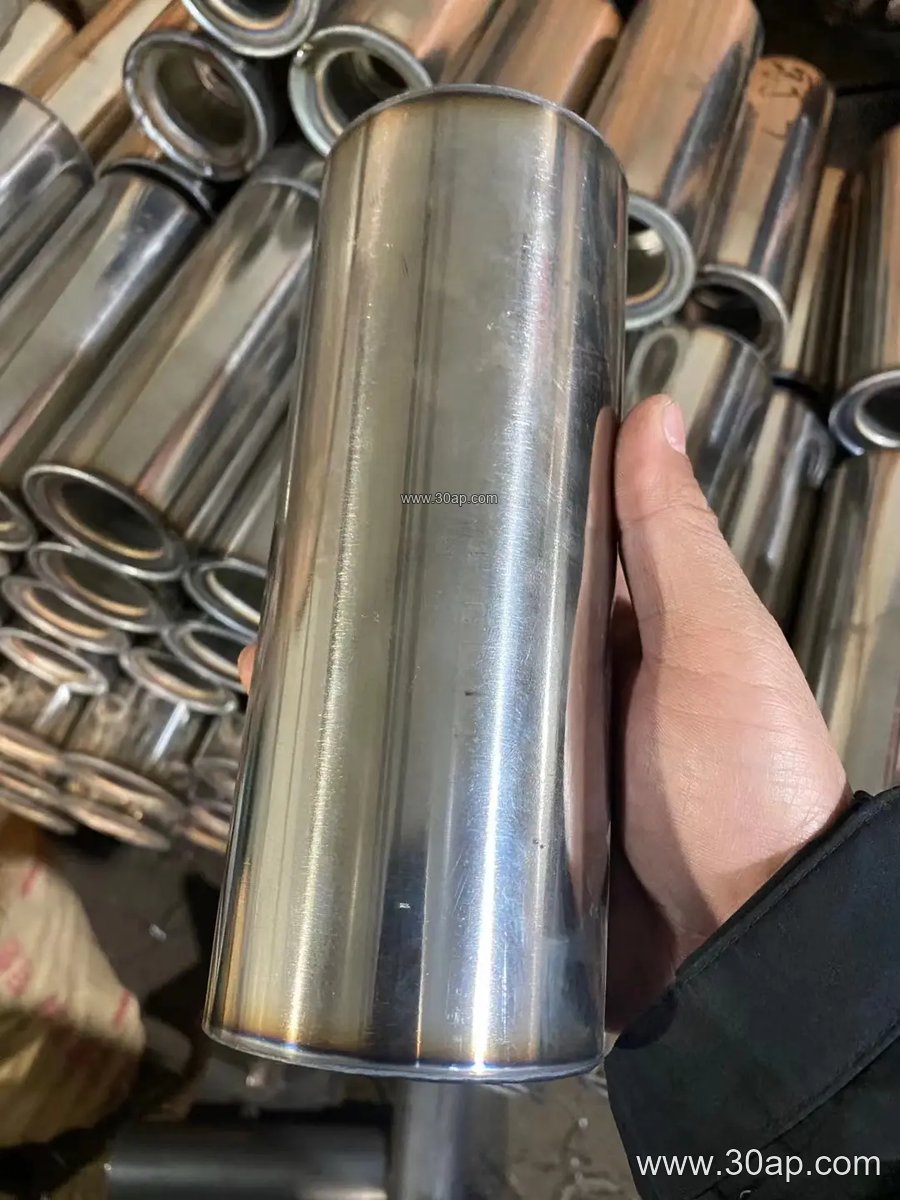
Key details to confirm include roller diameter, shell material, bearing size, sealing arrangement, and whether the set is fixed or used with self-aligning features. Transition idlers near the head and tail need different geometry from standard carrying sets, while impact or rubber-ring buffer idlers belong at the loading point. A spiral roller is a separate option for sticky material, and a return V idler is not a substitute for the carrying set.
Installation and Maintenance Notes
Alignment is the first check. Idler frames should sit square to the belt, with adjacent sets at a consistent height so the belt does not rock or pinch. Seized rollers usually show up as unusual noise, belt wander, or worn shell edges. Replacing a failed roller early protects the conveyor belt and avoids damage to the frame and bracket.
When comparing suppliers, ask for the roller diameter, bearing number, shell thickness, and seal type in writing. Confirm that the trough angle and roller lengths suit the existing conveyor bracket spacing. Treat catalog figures as reference data and verify final dimensions against the conveyor drawing.