What a 1000mm Drive Pulley Does
A 1000mm drive pulley is the head-end drum that transmits motion to the conveyor belt. With a nominal diameter of 1000 mm, it is a large-diameter conveyor pulley often selected for high-tension, long-distance, or high-capacity conveying lines. In a typical arrangement, the drive pulley is coupled to a gearbox and motor, while the belt wraps around it under considerable tension. The friction between the pulley surface and the belt cover is what moves the load. This is not a tail pulley or a bend pulley; those serve different positions and duties on the same conveyor.
Where It Is Used
You will see this size in limestone quarries, iron ore plants, coal preparation facilities, cement clinker lines, and power station coal handling. It also appears in port bulk terminals and crushing-screening plants where tonnage is high and the conveyor runs continuously. A 1000mm drive pulley is often paired with a B1000 or wider conveyor belt, though belt width and pulley diameter are separate design choices. A B1200 belt may also run on a Ø1000 mm drive pulley when the torque and wrap angle suit the application.
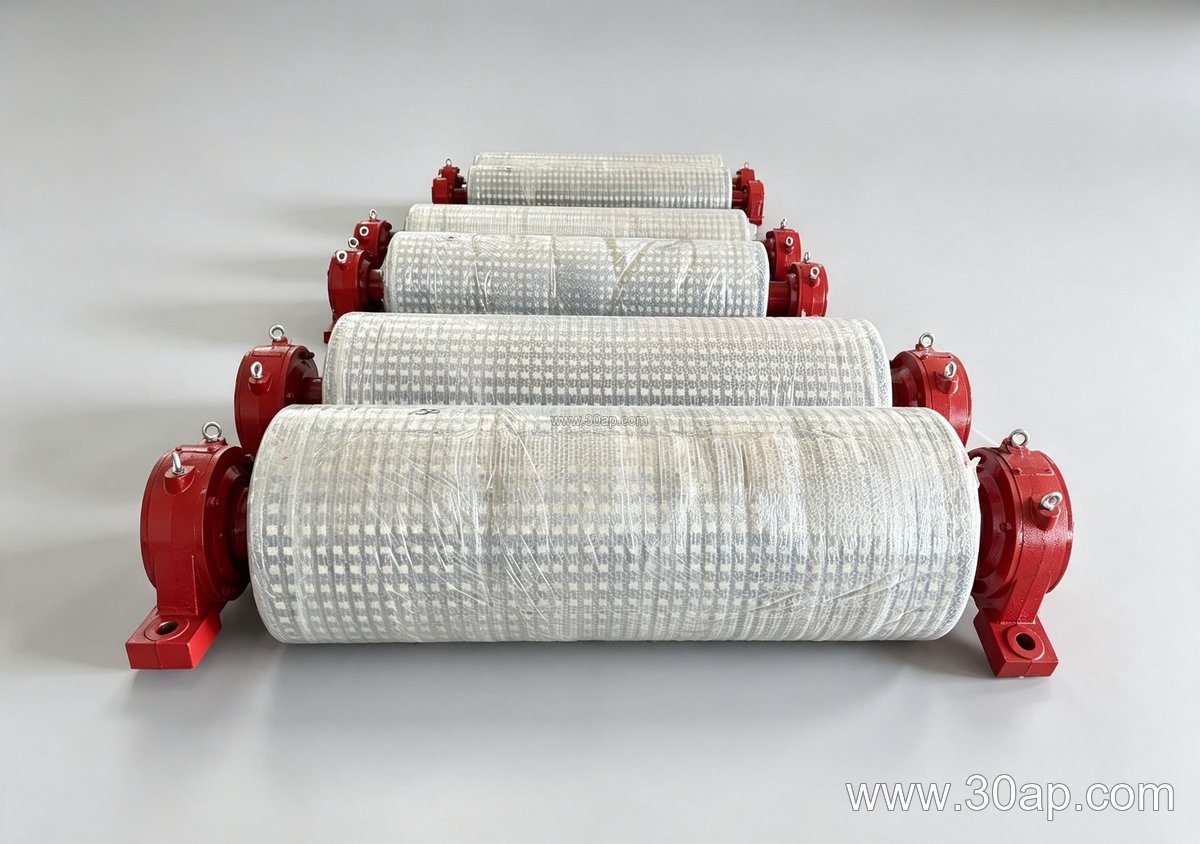
Construction and Key Components
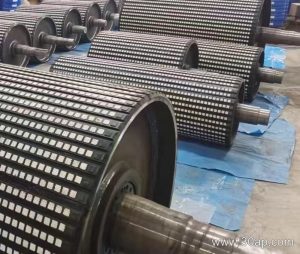
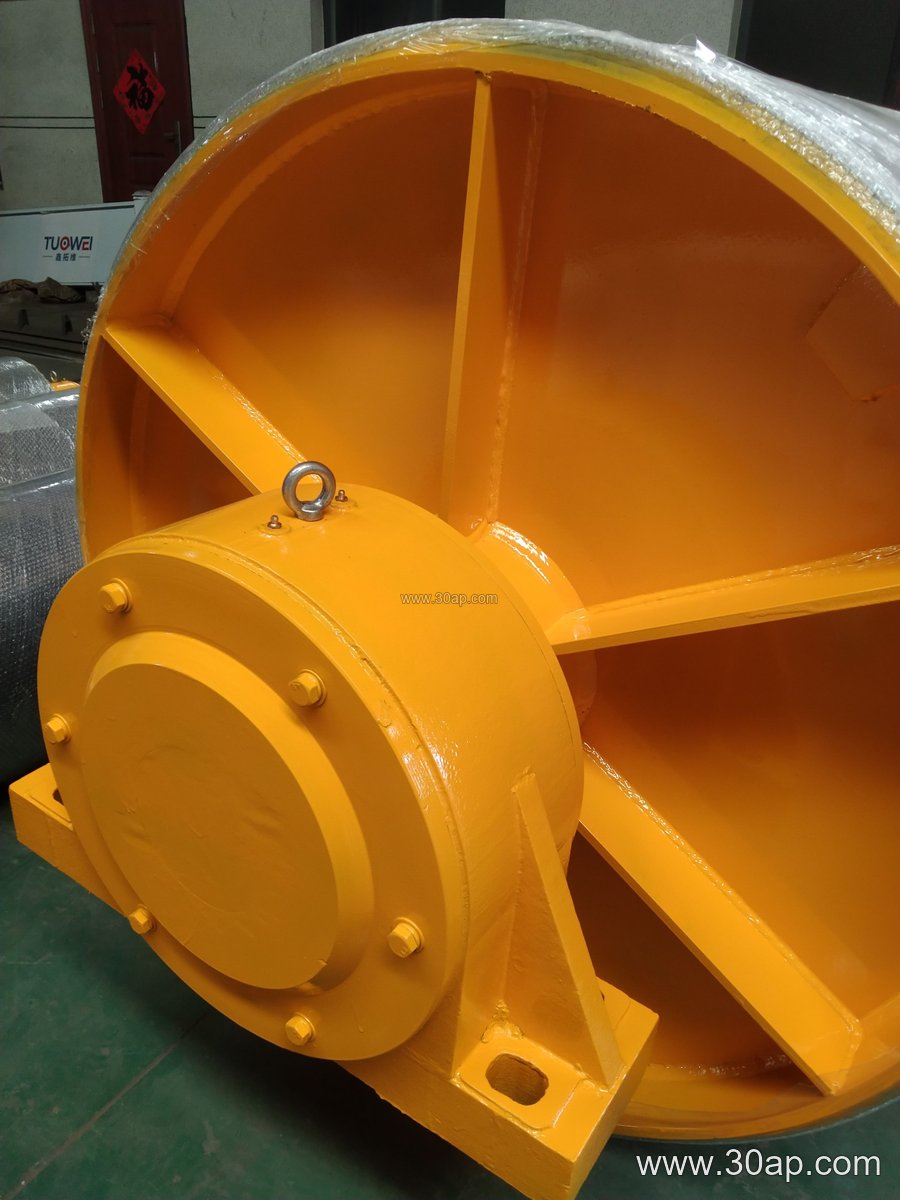
A heavy drive pulley usually consists of a cylindrical shell, two end discs, a hub, and a shaft. The shell may be seamless pipe or rolled plate. End discs are welded or bolted to the shell and machined to accept the shaft. The shaft is sized by torque and bending load, not by belt width alone. Common shaft diameters for large pulleys include Ø120, Ø140, Ø160, Ø180, and Ø200 mm. Lager bearings are mounted on the shaft ends and supported by conveyor brackets or a steel base frame.
Surface Options
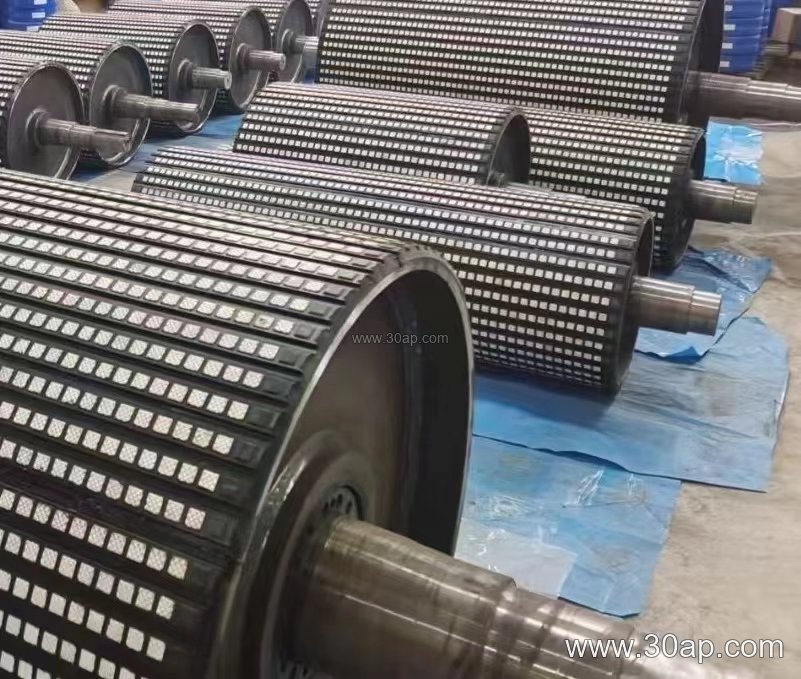
The surface form affects grip and belt life. Plain steel is used in light-duty or low-friction applications. Rubber lagging is common for drive pulleys because it raises the coefficient of friction. Options include cold-bonded rubber, hot vulcanized rubber, diamond grooving, herringbone pattern, and ceramic lagging. Lagging thickness is often 8, 10, 12, 15, or 20 mm. In wet or muddy conditions, diamond or ceramic lagging helps shed water and maintain traction.
Specifications a Buyer Should Check
When specifying a 1000mm drive pulley, confirm the following items with the supplier. The table below lists common reference values, not universal rules.
| Parameter | Common Range |
|---|---|
| Diameter | Ø1000 mm |
| Belt width | B1000, B1200, B1400 |
| Face width | About 1150 mm for B1000, 1400 mm for B1200 |
| Shaft diameter | Ø120 to Ø200 mm, by torque |
| Lagging | Plain, rubber, diamond, ceramic |
| Lagging thickness | 8, 10, 12, 15, 20 mm |
The face width is normally greater than the belt width to allow for belt tracking. For example, a B1000 belt often runs on a pulley with about 1150 mm face width. A B1200 belt may use about 1400 mm face width. Do not assume that one belt width matches only one pulley diameter. The drive pulley diameter is selected from belt tension, wrap angle, speed, and the allowable belt bending radius.
Balance and Runout
Large pulleys should be dynamically balanced. Excessive runout or imbalance causes vibration, bearing wear, and belt mistracking. Machined end discs and a straight shaft help maintain concentricity. After lagging, the surface should be checked for uniform thickness and smooth edges.
Installation and Maintenance Notes
Align the drive pulley squarely with the conveyor centerline. Check that the shaft is level and the bearings are seated properly on the conveyor bracket or base. Belt tension should be set according to the conveyor design, not by guesswork. Inspect lagging regularly for wear, glazing, or missing segments. Worn lagging reduces friction and can cause belt slip, especially in wet coal or ore applications. Replace lagging before the shell is exposed. Lubricate bearings at the recommended interval and monitor temperature and noise. A 1000mm drive pulley is a long-term investment, so keep spare lagging and bearing sets available for critical conveyors.
Comparison with Other Pulley Types
A tail pulley turns at the return end and often has a smaller diameter. A bend pulley changes belt direction without driving. Neither is a substitute for a drive pulley. If you need to increase traction, consider lagging selection or a larger wrap angle rather than swapping in a different pulley type. For very high power, a dual drive pulley arrangement may be used, but each unit remains a drive pulley.