What an Idler Bracket Does on a Conveyor
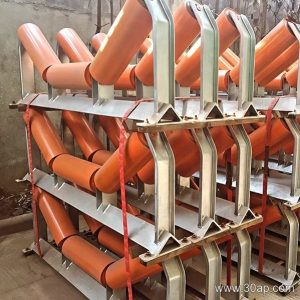
An idler bracket is the structural component that positions and supports conveyor idler rollers along the carrying and return sides of a conveyor frame. Often called a conveyor bracket or idler support bracket, it ties the roller assembly to the main stringer or cross member, keeping the belt profile stable under load. In a quarry, cement plant, or power plant coal yard, the bracket must resist vibration, dust, and occasional impact while maintaining consistent roller spacing. The bracket is not a pulley: drive pulleys, tail pulleys, and bend pulleys serve different functions at the conveyor ends and curves, and they are never interchangeable with idler brackets.
Construction and Mounting Positions
Most idler brackets are fabricated from angle steel, channel steel, or folded steel plate. The design depends on where the bracket sits in the conveyor structure. Common arrangements include:
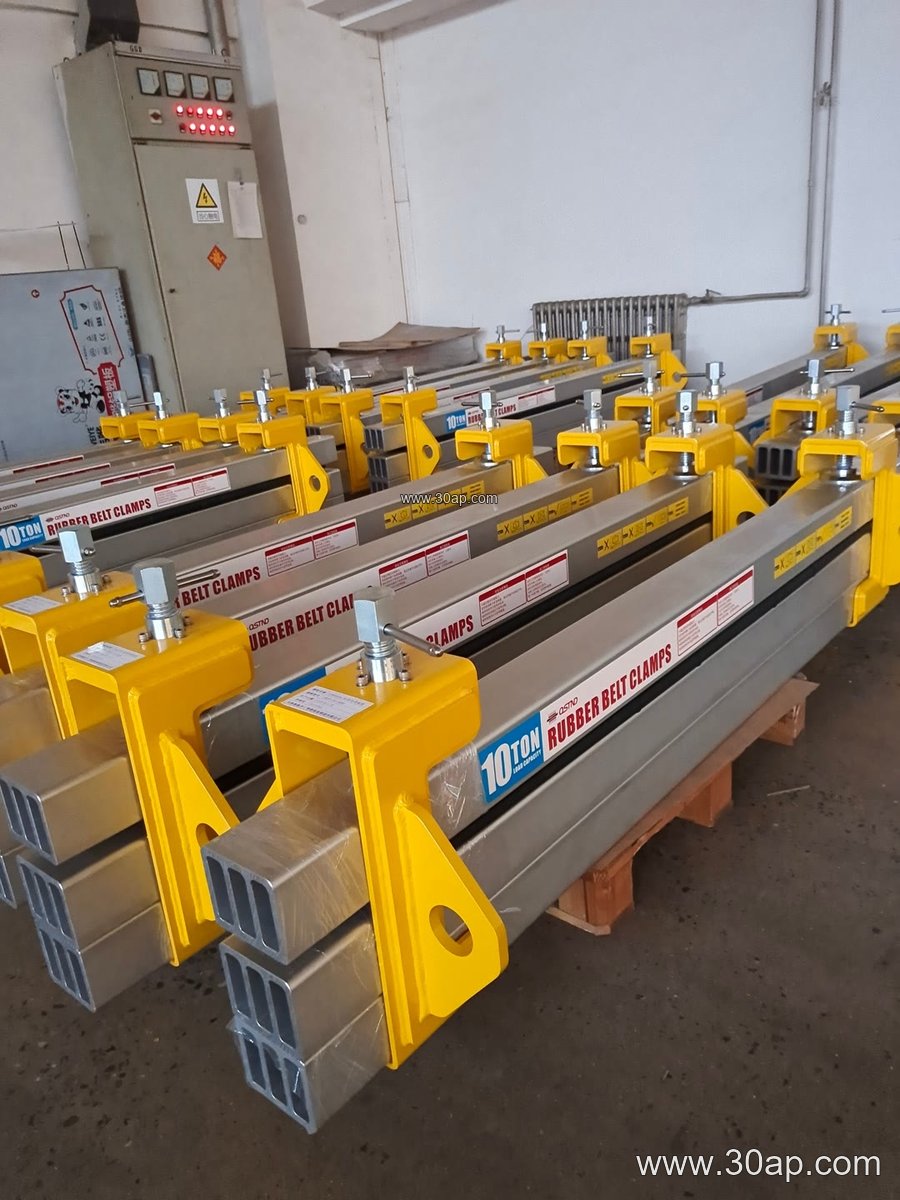
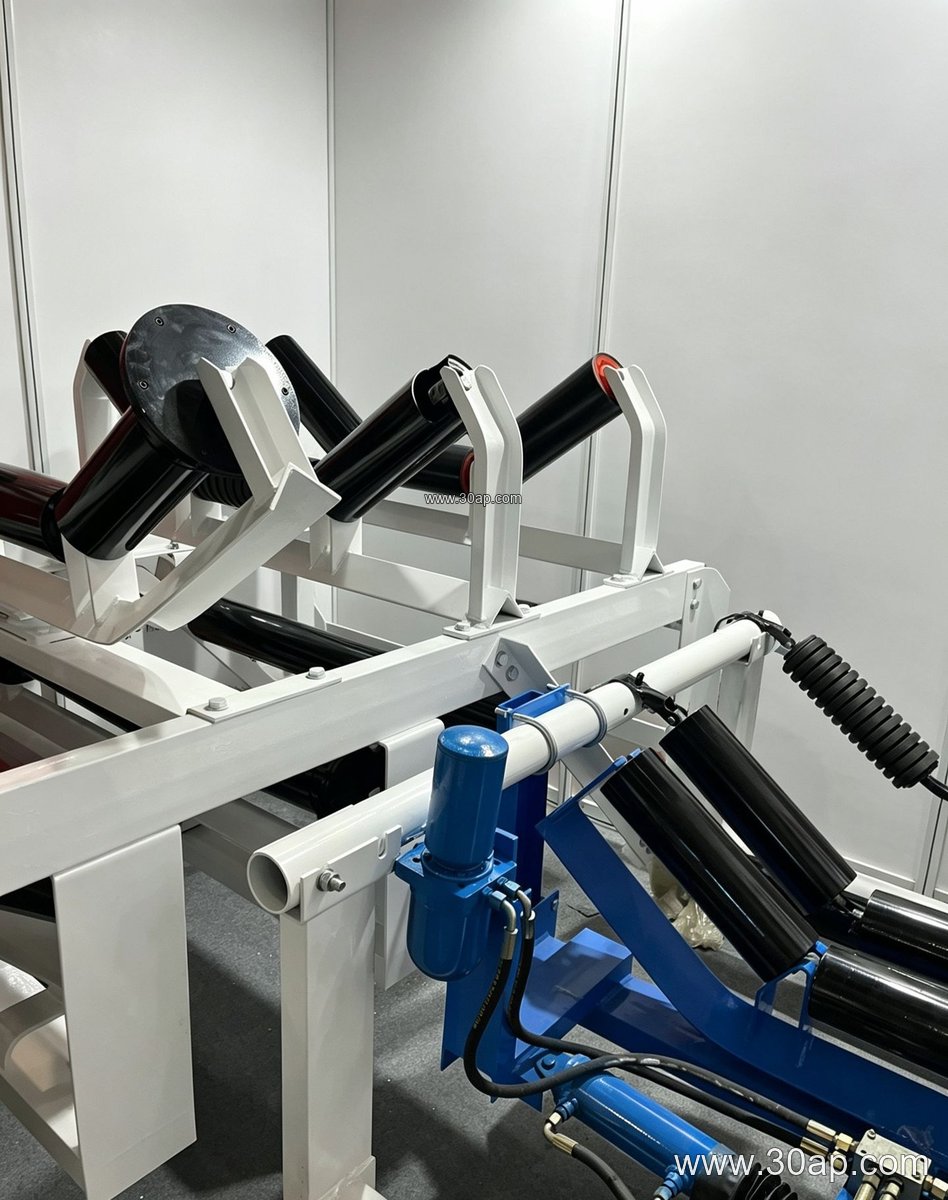
- Troughing idler brackets on the carrying side, typically with 20, 30, 35, or 45 degree trough angles
- Transition brackets near the head or tail to guide the belt from flat to troughed profile
- Return brackets and V-return brackets on the lower strand
- Impact brackets under loading points, often paired with impact idler rollers
- Self-aligning and forward-tilt brackets for belt tracking control
- Adjustable brackets that allow trough angle changes within a set range
Mounting hole spacing and cross beam length are determined by belt width, trough angle, and frame design. They are not fixed figures across all conveyors, so a B800 frame and a B1200 frame will use different bracket dimensions even when the basic style is the same.
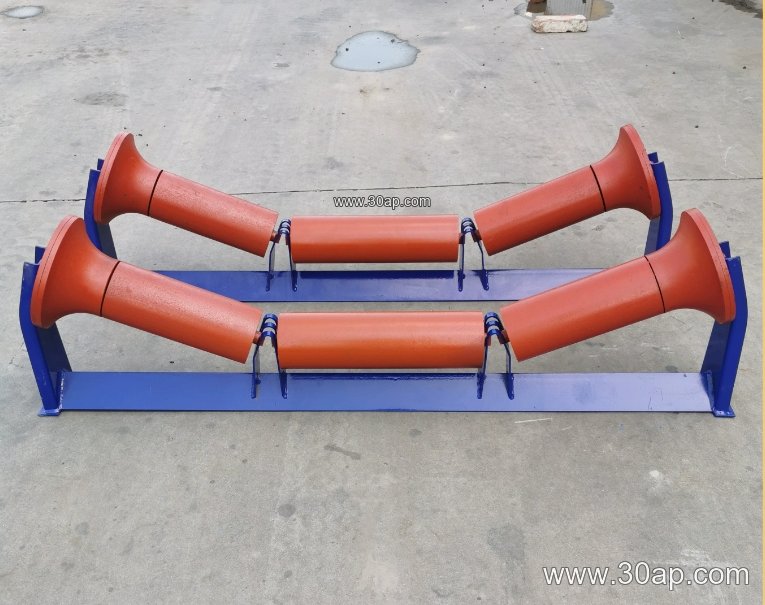
Matching Brackets to Belt Width and Roller Diameter
Buyers often ask how belt width relates to roller diameter. The answer is that no single rule fixes one diameter to one belt width. A B650 conveyor might run with Ø89 rollers in a light-duty aggregate line, while a B1200 conveyor in a cement plant may use Ø133 or Ø159 rollers depending on load and belt speed. Typical reference combinations include B800 with 35 degree trough and Ø108 rollers, or B1200 with 45 degree trough and Ø133 rollers, but these are examples rather than mandatory matches. The bracket must be selected to suit the actual roller diameter, trough angle, and frame hole pattern.
Where Idler Brackets Are Used
These brackets appear wherever a conveyor belt is supported by idler rollers. In a limestone quarry or sand and gravel line, troughing brackets keep the belt stable through crusher discharge and screening sections. In a coal washing plant or underground coal mining conveyor, flame retardant and anti-static belt grades are common, and the brackets must fit the same frame standards. Cement plants, steel plants, and port ship loading conveyors also rely on correctly spaced brackets to maintain belt alignment. The bracket itself does not determine belt compound, but it must be compatible with the roller and frame used alongside a rubber conveyor belt or steel cord conveyor belt.
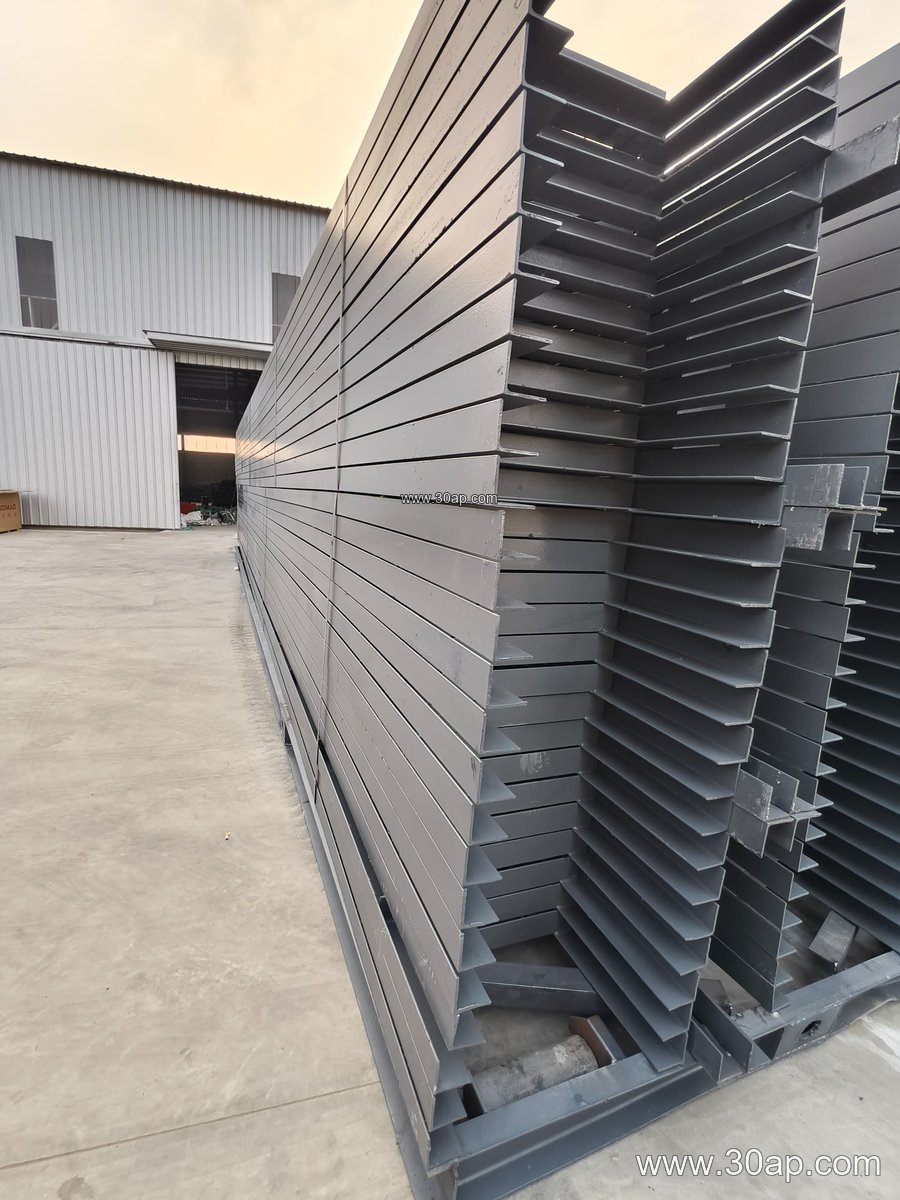
Selection and Maintenance Notes
When specifying an idler bracket, confirm the belt width, trough angle, roller diameter, and frame hole spacing. Check whether the bracket is fixed or adjustable if the conveyor needs future angle changes. For dusty or corrosive environments, consider the steel finish and drain paths. During maintenance, inspect brackets for bent flanges, elongated holes, and loose fasteners, since a misaligned bracket can cause belt tracking problems and premature roller wear. Replace damaged brackets in matched sets where possible to keep the belt profile consistent.
For related conveyor components such as conveyor belt, idler roller, and conveyor pulley, always match the bracket style to the actual frame and duty. A well-chosen idler bracket is a small part of the total conveyor cost but a key factor in reliable belt support.