What a Rubber Conveyor Belt Is
A rubber conveyor belt is the endless moving surface that carries bulk material between loading and discharge points. Its rubber covers protect the load-bearing carcass from abrasion, moisture, heat, and impact, while the carcass supplies tensile strength. In mines, cement plants, power stations, ports, and sand and gravel yards, this belt is the component that turns a simple frame with idler rollers and conveyor pulleys into a working transport line.
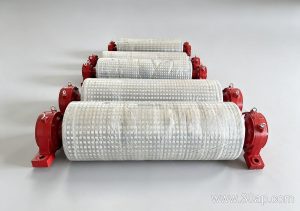
When buyers speak of a rubber belt, they usually mean a fabric-reinforced or steel-reinforced belt with rubber covers. A common equivalent trade name is simply rubber-covered conveyor belting. The drive pulley, tail pulley, and bend pulley each have a separate role and are not interchangeable; the belt must be matched to the whole conveyor layout rather than to one pulley.
How the Belt Is Built
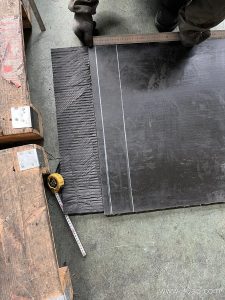
Construction starts with the carcass. Fabric types use woven plies, while steel cord types use parallel wires. Rubber skim and friction layers bond the plies together, and top and bottom covers are applied by calendering and vulcanization. Cover thickness is usually written as a pair of figures, for example 4+2 mm or 6+2 mm, meaning top cover plus bottom cover. The carcass may contain 2 to 6 plies in fabric designs. Belt edges can be cut and sealed or molded, depending on the application.
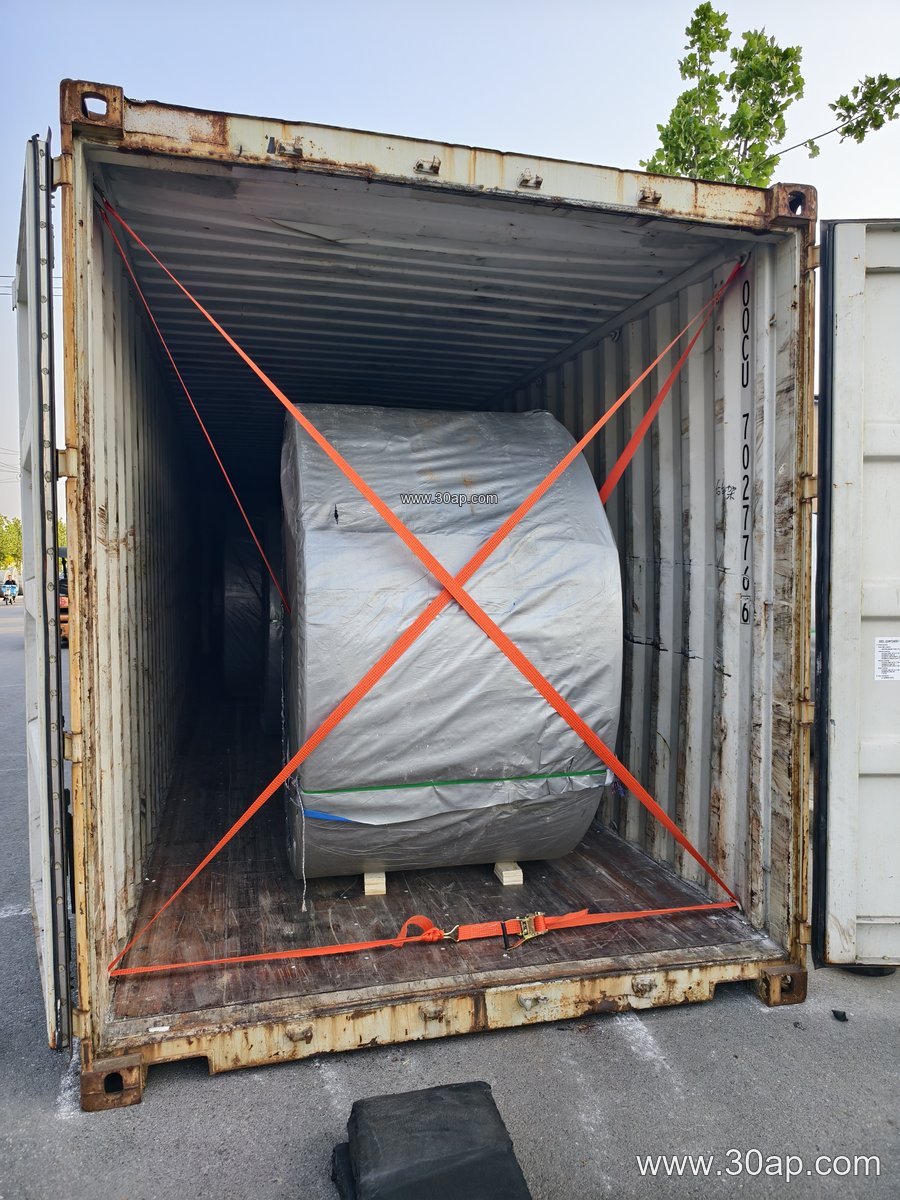
Common Carcass Options
- EP conveyor belt: polyester and nylon fabric, good fatigue resistance at moderate cost.
- NN conveyor belt: nylon fabric, strong and flexible, often used where impact and flexing are frequent.
- Steel cord conveyor belt: high strength for long distances and heavy loads.
- Multi-ply fabric core conveyor belt: several plies for general heavy-duty service.
Special cover compounds are added when conditions demand them: abrasion resistant for rock and ore, heat resistant for clinker and sinter, oil resistant for oily scrap, flame retardant for coal mining, anti-static for dusty and explosive atmospheres, and cold resistant for freezing climates. Chevron and corrugated sidewall designs are separate surface forms used when material must be kept from sliding back or spilling at the edges.
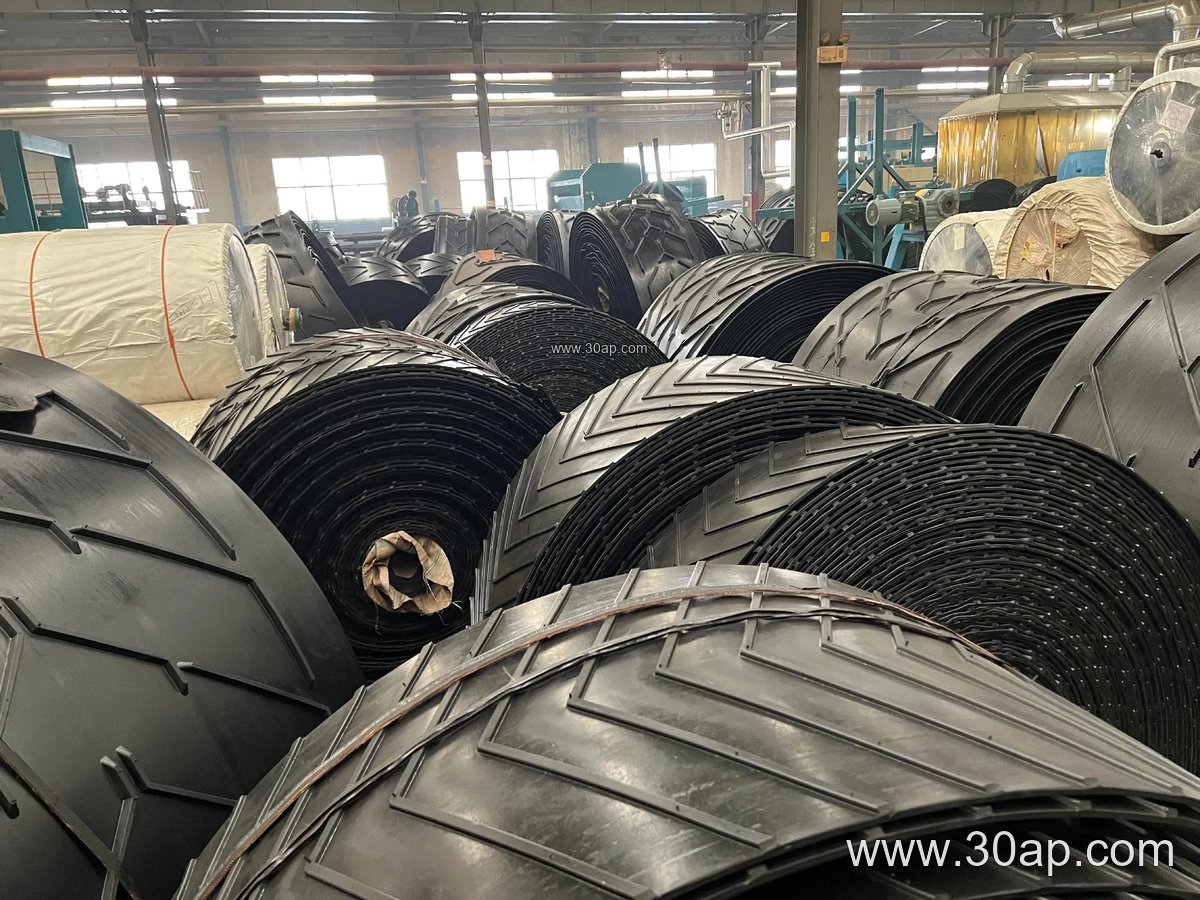
Typical Specifications
Values below are common reference ranges, not fixed universal rules. Actual construction depends on the conveyor design, material lump size, and duty cycle.
Strength Grades
- EP grades often quoted: EP200, EP315, EP400, EP500, EP630, EP800, EP1000, EP1250, EP1600, EP2000.
- Steel cord grades often quoted: ST1000, ST1250, ST1600, ST2000, ST2500, ST3150.
- Widths commonly available: B500, B650, B800, B1000, B1200, B1400, B1600, B1800, B2000.
A wide belt does not by itself dictate one pulley diameter, and a given width does not fix a shaft size. Belt width, pulley diameter, and shaft design are selected together from tension, wrap angle, and load.
Where It Works
In a coal mine, a flame retardant and anti-static belt is often required for underground haulage. In a cement plant, heat resistant covers handle clinker while abrasion resistant covers move limestone and raw meal. At a power plant, belts feed coal from stockpile to boiler house. Quarries and aggregate plants use heavy-duty belts under crushers, where impact resistant covers and idler rollers absorb falling rock. Ports and ship loading terminals favor high strength steel cord belts for long runs. Food and recycling lines use belts with appropriate cover compounds, and cold resistant belts serve yards in freezing weather.
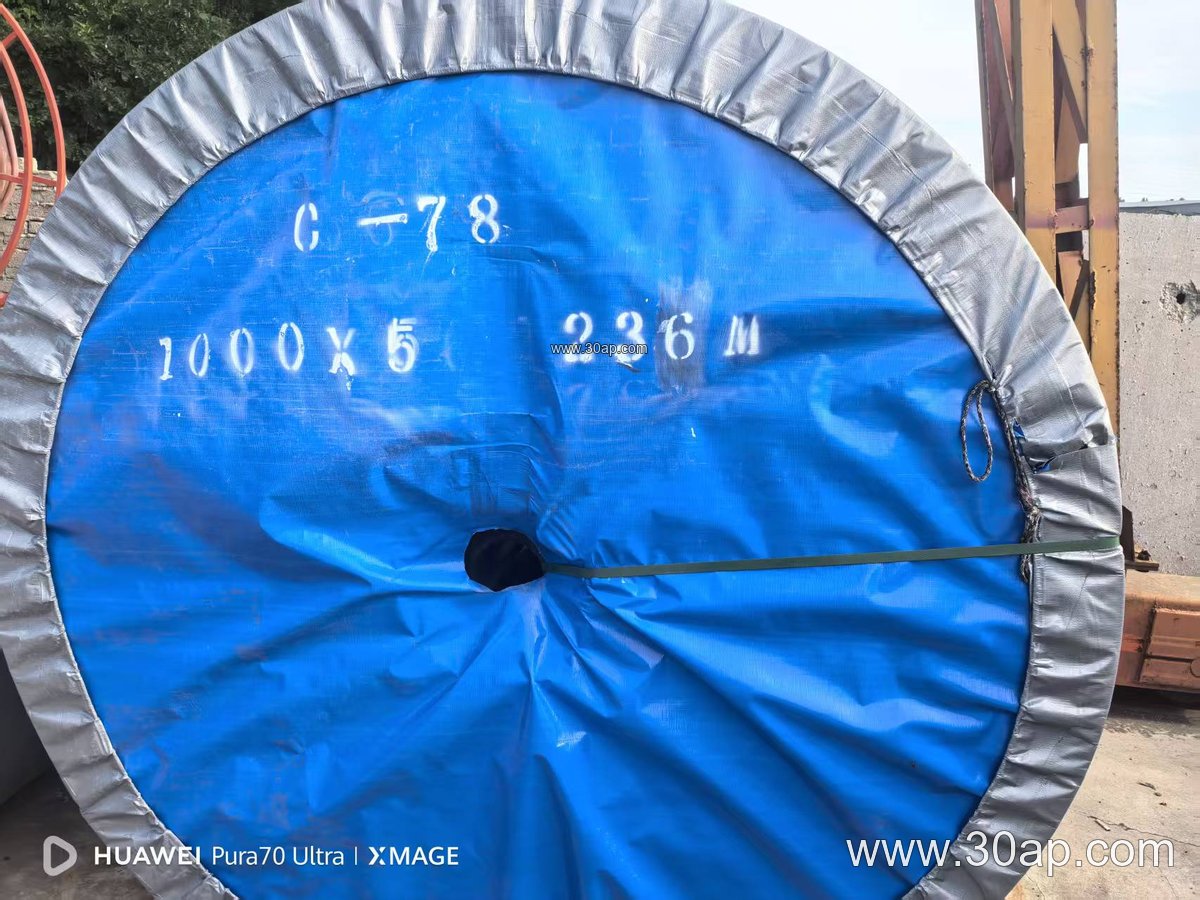
For more detail on matching belts to conveyors, see rubber conveyor belt and conveyor pulley references.
What Buyers Should Check
- Confirm the required tensile grade and carcass type rather than choosing by width alone.
- State the material, lump size, temperature, and any oil or chemical exposure.
- Specify cover thickness in the 3+1.5, 4+2, 5+2, 6+2, or 8+3 mm style used by the mill.
- Ask whether the belt is endless or open-end, and confirm splice method and direction of travel.
- Check pulley diameters and take-up travel with the belt supplier before ordering an endless belt.
- For underground work, request flame retardant and anti-static properties in writing.
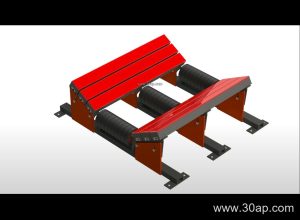
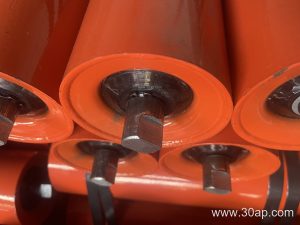
- Keep spare idler roller and conveyor bracket stocks consistent with the belt width and frame.
Storage also matters. Belts should be kept shaded, dry, and off the ground, and rolled in the direction that avoids sharp bends. During operation, misalignment at the tail pulley or a worn bend pulley can damage edges quickly, so routine inspection of pulleys, rollers, and brackets protects the belt investment.
Whether the job calls for an abrasion resistant conveyor belt in a quarry or a heat resistant belt in a cement kiln line, the same principle applies: match carcass strength, cover compound, and surface form to the real working conditions. Browse EP conveyor belt and steel cord conveyor belt options to compare grades before finalizing a specification.