What Is a Carbon Steel Pulley
A carbon steel pulley is a core conveyor component made from carbon steel, typically used to drive, tension, or redirect the conveyor belt in bulk material handling systems. Unlike pulleys made from stainless steel or aluminum, carbon steel offers a good balance of strength, wear resistance, and cost efficiency for most industrial environments. In a conveyor line, this pulley works together with the belt, idler rollers, and conveyor brackets to keep material moving smoothly.
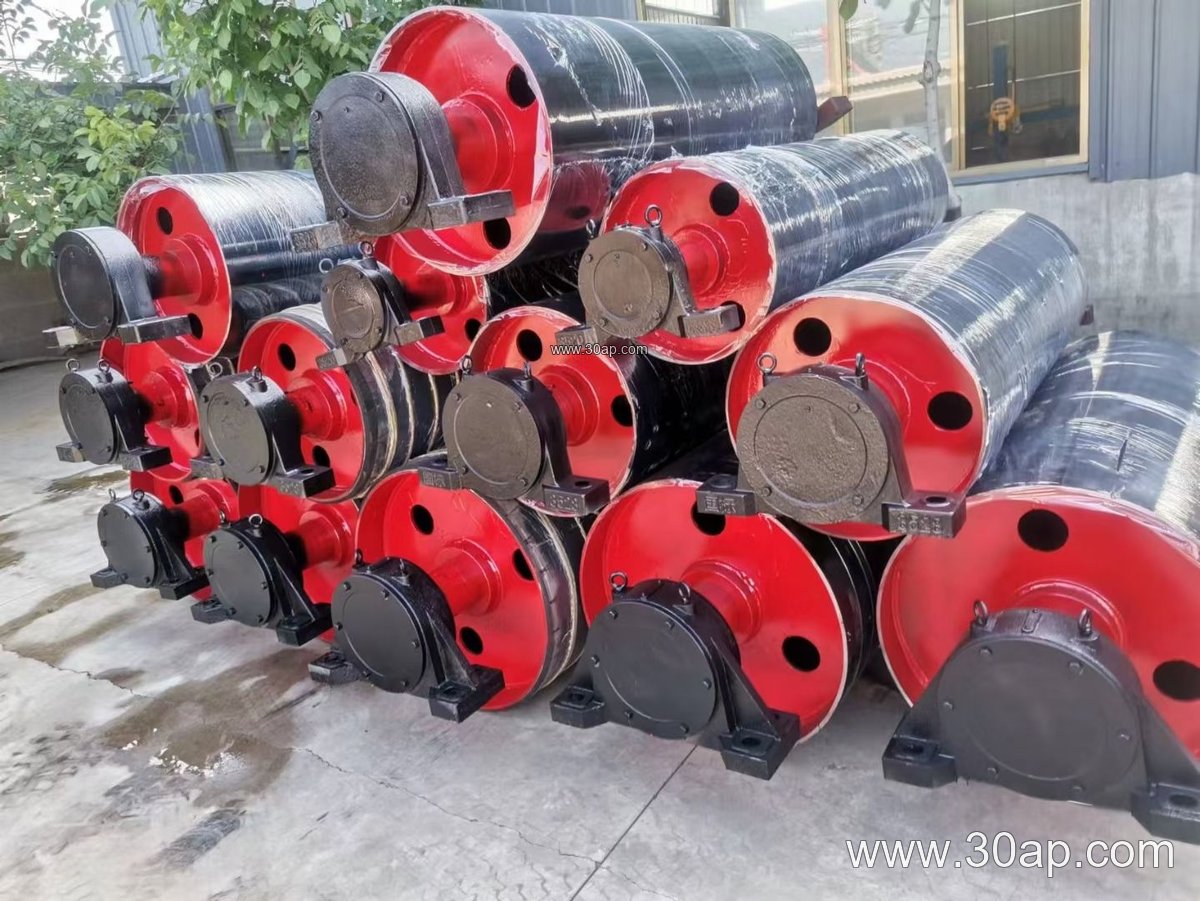
The term covers several functional positions, including drive pulleys, tail pulleys, and bend pulleys. Each has a distinct role: the drive pulley transmits power to the belt, the tail pulley maintains belt tension at the loading end, and the bend pulley changes the belt direction. They are not interchangeable, and selecting the right type for each location is critical for system reliability.
Construction and Surface Options
Carbon steel pulleys are usually fabricated from rolled steel plates or seamless steel tubes, with welded shafts and bearing housings. The surface can be left plain or covered with rubber, ceramic, or other materials to improve grip and wear life. Common surface forms include smooth finish, hot vulcanized rubber, cold bonded rubber, diamond grooving, herringbone grooving, and ceramic lagging. Lagging thickness typically ranges from 8 mm to 20 mm, depending on the application and belt tension requirements.
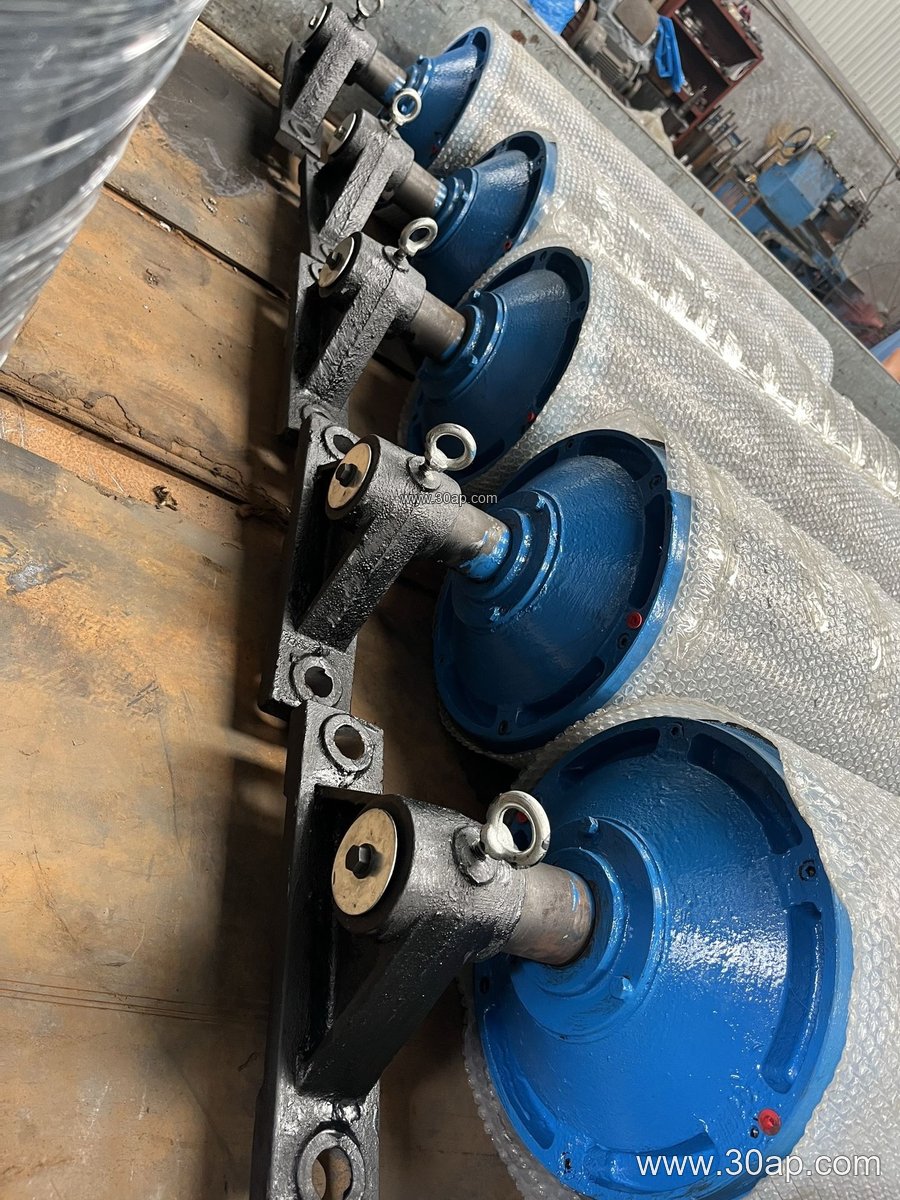
Shaft diameters are sized according to torque and load, not simply by belt width. Common shaft sizes include Ø50, Ø60, Ø70, Ø80, Ø90, Ø100, Ø120, Ø140, Ø160, Ø180, and Ø200 mm. Pulley diameters commonly range from Ø200 to Ø1800 mm, and face widths are usually slightly wider than the belt to ensure full support. For example, a B800 belt might use a pulley face width around 950 mm, while a B1200 belt could use about 1400 mm.
Where Carbon Steel Pulleys Are Used
These pulleys are found in a wide range of industries, from mining and quarrying to cement plants and power stations. In a coal washing plant, a carbon steel drive pulley might be paired with a flame retardant conveyor belt to safely move coal. In a limestone quarry, a tail pulley works with an abrasion resistant conveyor belt to handle sharp, heavy rock. Aggregate operations often use bend pulleys to route belts through space-constrained transfer points.
Other common settings include iron ore mines, copper concentrators, sand and gravel lines, crushing and screening plants, and port bulk terminals. In each case, the pulley must be matched to the belt type and the material being conveyed. For instance, a heavy-duty mining conveyor belt may require a larger diameter pulley with thicker lagging to handle high tension and impact loads.
Key Selection Considerations
Buyers should evaluate several factors when choosing a carbon steel pulley. First, confirm the pulley’s position in the conveyor system—drive, tail, bend, or take-up—because each has different load and traction requirements. Second, match the pulley diameter to the belt thickness and flexibility; a larger diameter reduces bending stress on the belt, especially for steel cord conveyor belts. Third, consider the environment: dusty, wet, or corrosive conditions may call for specific lagging or surface treatment.
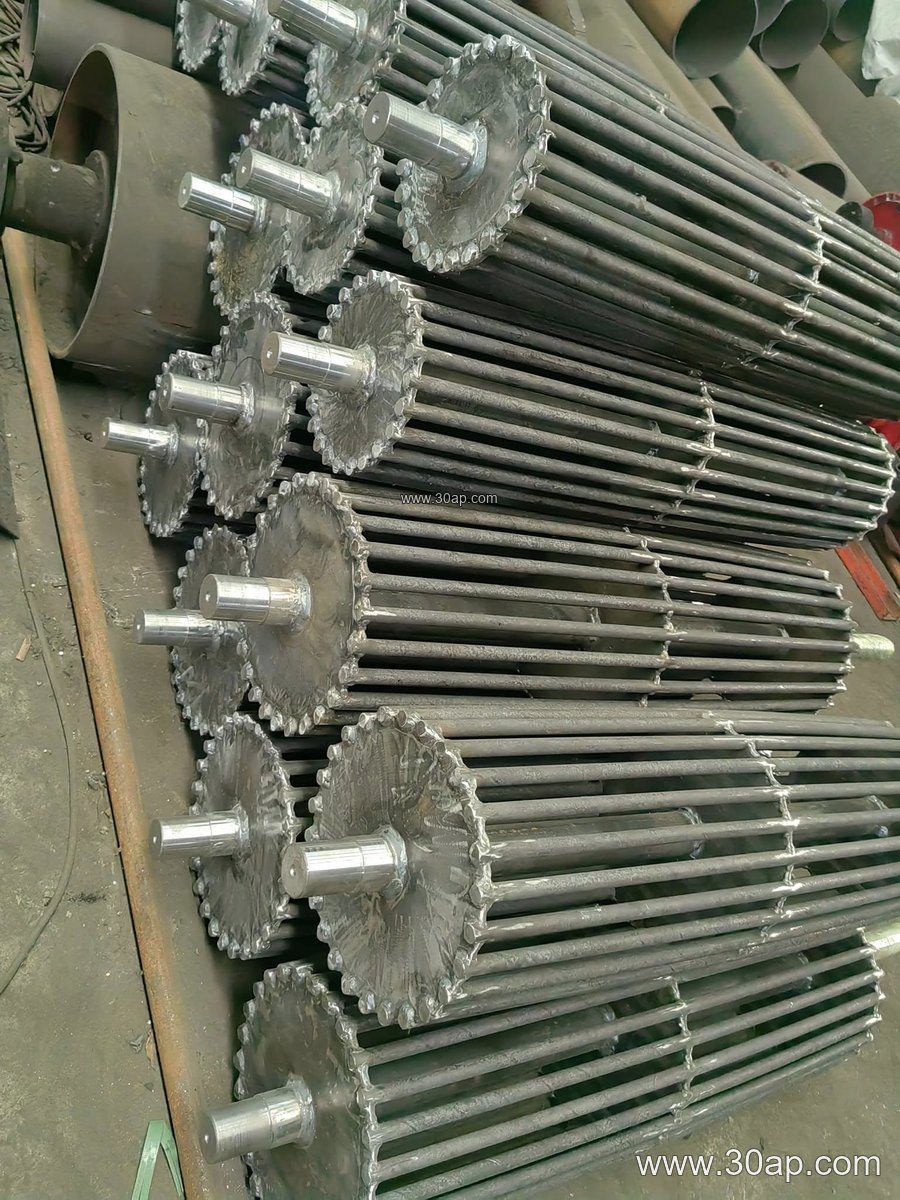
Belt width and pulley face width should be compatible, but there is no fixed rule that one belt width only fits one pulley diameter. Instead, the pulley diameter is often determined by the belt’s minimum pulley diameter recommendation, which depends on fabric type and number of plies. For example, a multi-ply fabric core conveyor belt may allow a smaller pulley than a thick steel cord belt. Shaft diameter should be calculated from the actual torque and radial loads, not assumed from belt width alone.
Maintenance and Compatibility
Regular inspection of the pulley surface, lagging, and bearings helps prevent belt slippage and tracking problems. Worn or damaged lagging should be replaced to maintain friction and protect the belt. When replacing a pulley, verify the shaft size, keyway, and bearing type match the existing conveyor bracket and drive arrangement. Carbon steel pulleys are often repairable, but severe corrosion or cracking may require replacement.
In summary, a carbon steel pulley is a versatile and cost-effective solution for many conveyor applications, provided it is correctly selected for the specific belt, load, and environment. Whether in a cement plant, a power station, or a sand and gravel operation, the right pulley keeps the belt running true and extends the life of the entire conveyor system.