What a 650mm Conveyor Belt Is
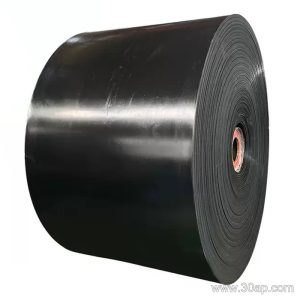
A 650mm conveyor belt is a belt with a nominal width of 650 millimeters, typically written as B650 in specification sheets. It sits in the middle of the common width range, above narrow 500mm and 600mm belts and below 800mm and 1000mm belts, which makes it a practical choice for medium-capacity conveying lines. You will see it in mines, coal preparation plants, cement works, power stations, sand and gravel yards, and crushing circuits where a steady flow of bulk material needs to move between stages.
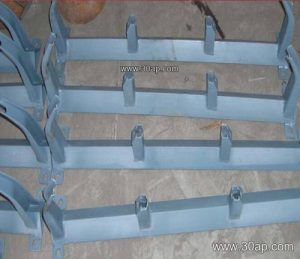
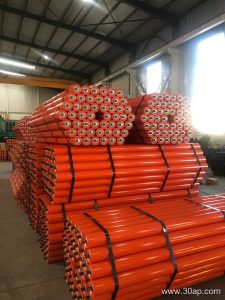
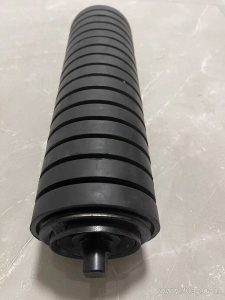
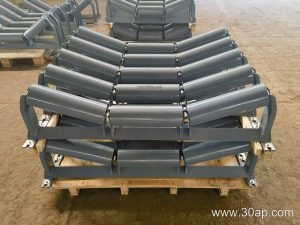
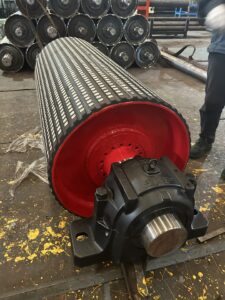
The belt itself is only one part of the conveyor. It runs over a conveyor pulley at the drive end, a tail pulley at the load end, and bend pulleys where the path changes direction. Idler rollers support the carrying and return strands, and conveyor brackets hold the whole frame together. A 650mm belt is matched to these components by the conveyor designer, not by a fixed rule.
Construction and Common Specifications
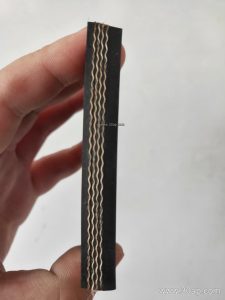
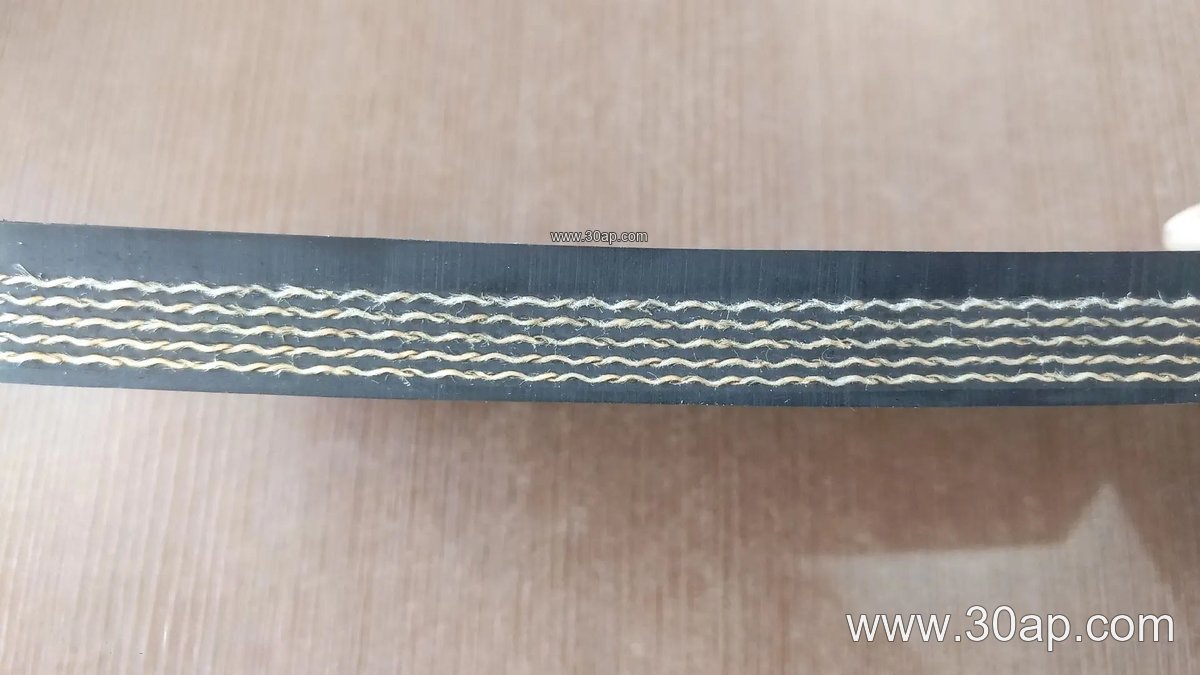
Most 650mm belts are fabric-core constructions. EP (polyester-cotton) and NN (nylon-nylon) carcasses are the usual choices, with two to six plies depending on the duty. Steel cord belts are also made in this width, though they are more often used where very high tension or long center distances justify the cost. Cover rubber grades are selected for the cargo: abrasion resistant for rock and ore, heat resistant for clinker and sinter, oil resistant for recycled material, and flame retardant grades for underground coal mining conveyors.
Typical reference values for a B650 belt are shown below. These are common ranges, not universal guarantees, and actual values are confirmed by the manufacturer for each order.
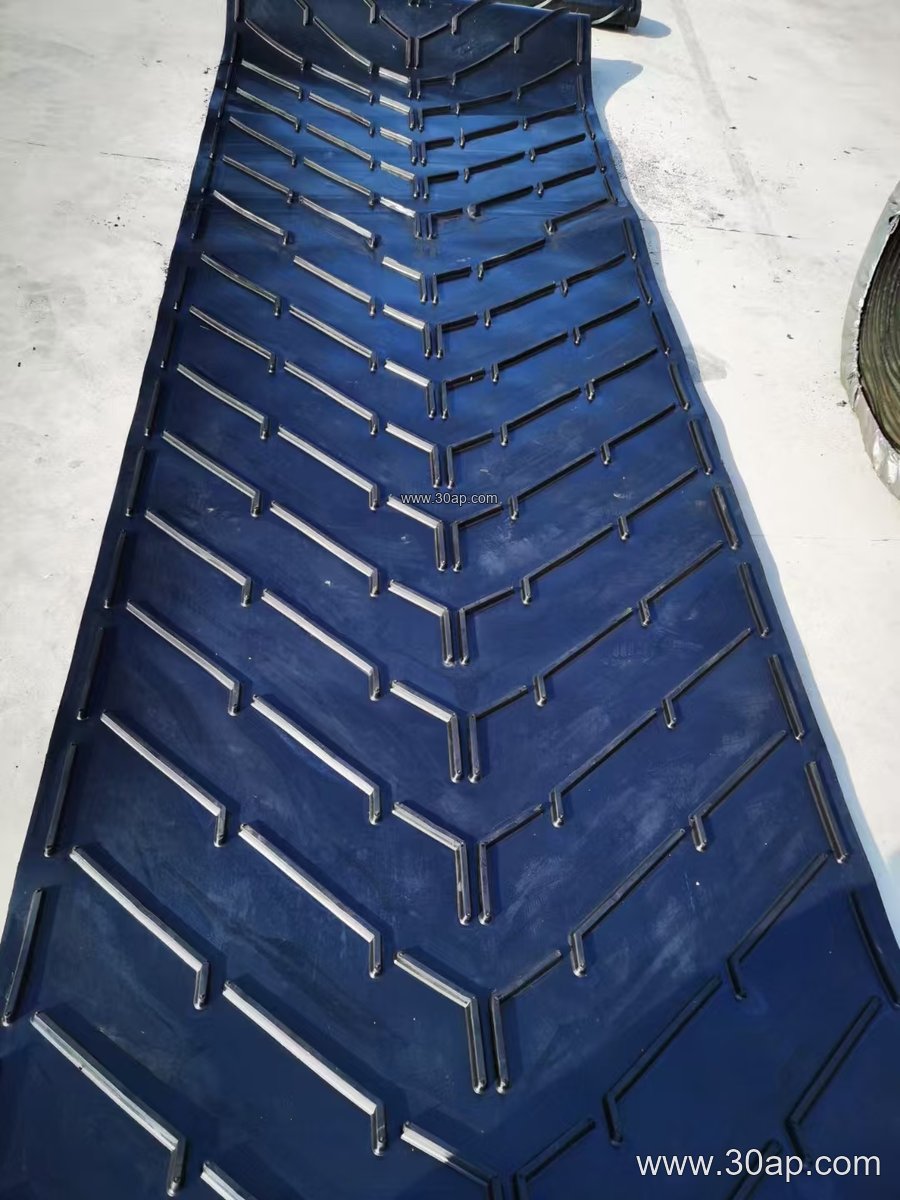
- Belt width: 650 mm (B650)
- Fabric core types: EP200, EP315, EP400, EP500, EP630, EP800
- Steel cord options: ST1000, ST1250, ST1600 where tension demands it
- Cover thickness: 3+1.5 mm, 4+2 mm, 5+2 mm, 6+2 mm
- Ply count: commonly 2 to 6 layers
- Surface forms: smooth, chevron, corrugated sidewall, skirted
Strength Grades at a Glance
An EP400 or EP500 belt suits many medium-duty quarry and cement lines, while EP630 and EP800 are chosen when the conveyor is longer or the material is heavier. For abrasive stone and iron ore, a high abrasion resistant cover in 6+2 mm is a frequent pick. In coal mines, a flame retardant or fire resistant belt with anti-static properties is usually required by site rules.
Where the 650mm Width Fits
This width is common on secondary and tertiary crushing conveyors, plant transfer belts, and yard conveyors in aggregate operations. It also appears on ship loading and port conveyor systems where a moderate flow rate is enough. In underground coal mining, a 650mm flame retardant belt can serve gate road and panel conveyors, often in PVG or PVC construction.
Compared with a 500mm or 600mm belt, the 650mm size carries more material per meter at the same speed. Compared with an 800mm or 1000mm belt, it needs a narrower frame and smaller pulleys, which can reduce structural cost on smaller plants. The right choice depends on the required tonnage, lump size, incline, and the tension the drive must deliver.
Buyer Checklist
Before ordering, confirm the belt width, carcass type and strength grade, cover thickness and grade, and whether the surface needs chevron or sidewall profiles. Check the pulley diameters and the minimum bend radius the belt can tolerate, and make sure the idler roller spacing suits the load. Ask for the recommended splice method, since a poorly made joint shortens belt life more than most other factors.
Also state the working environment: temperature range, moisture, oil contact, and fire safety requirements. A cold resistant grade may be needed in northern yards, and an acid resistant cover in chemical plants. Keep spare belt, pulleys and rollers consistent with the original specification so the conveyor stays balanced.
Installation and Maintenance Notes
Track alignment carefully after installation. A 650mm belt that runs off-center will wear its edges and damage the pulleys. Check idler rollers for seized bearings, inspect the pulley lagging for wear, and re-tension the take-up as the belt stretches. Clean spillage from return rollers regularly to prevent material build-up that can cut the belt.
Store spare belts in a dry, shaded place and rotate stock. When replacing a belt, record the carcass type and cover grade so the next order matches the duty. A well-matched 650mm conveyor belt, paired with sound pulleys, rollers and brackets, gives reliable service in demanding mining and bulk handling environments.